





Brilliant book cover ideas for design inspiration.

Ignite your imagination with some of our favorite book covers that feature artistry, style, and eye-catching designs.

Design with your idea

Easy all-in-one editor
One-click edits from any device
Fast creation with generative AI
Thousands of professionally-designed templates
toc-title
Table of contents:
toc-aria-label
table of contents links
content-1
Use colors as accents.
content-1-short
content-2
Grab your reader’s attention with contrast.
content-2-short
content-3
Make bold choices with typography.
content-3-short
content-4
Showcase handwritten type.
content-4-short
content-5
Get creative with composition.
content-5-short
content-6
Convey the mood of the book through the cover.
content-6-short
content-7
Feature compelling imagery.
content-7-short
content-8
How to make a book cover with Adobe Express.
content-8-short
content-9
Use imagery as an accent.
content-9-short
content-10
Choose imagery that makes an impact on your audience.
content-10-short
content-11
Showcase icons and graphics as imagery.
content-11-short
content-12
Use graphics to allude to imagery.
content-12-short
content-13
Keep it simple and straightforward.
content-13-short

Use colors as accents.

Accent colors help create focal points and highlight key elements within a design. By strategically incorporating an accent color, you can guide the viewer’s eye to essential parts of the cover, making it visually engaging.

Different colors evoke different emotions—red symbolizes passion and urgency, blue exudes calm and trust, and yellow conveys warmth and positivity. Consider the mood of your book and use an accent color to reinforce its message.

recipe

collection=default&templateIds=urn:aaid:sc:VA6C2:9bae3fc2-c857-427e-b7b5-9bc3bff1ee6c,urn:aaid:sc:VA6C2:2ee9f3a0-3610-41ee-8187-ce33acc29f62

Grab your reader’s attention with contrast.

Contrast enhances visibility and impact by positioning two opposing elements—such as light versus dark or warm versus cool colors—against one another. High-contrast designs naturally draw the eye to specific areas, creating a compelling visual hierarchy.

For example, using white text on a dark background can make the title pop, while a bright focal point against a neutral setting can emphasize key imagery. Experiment with contrast to ensure your cover makes an instant impression.

recipe

collection=default&templateIds=urn:aaid:sc:VA6C2:6043e0f1-77ab-4027-a351-37c4ca3b2b8e,urn:aaid:sc:VA6C2:8ff8ec7f-ee27-44c7-a059-7c2b10fa0a45

Make bold choices with typography.

Typography is more than just a way to display words—it’s an essential design element that influences the overall aesthetic of your cover. Play with font styles, sizes, and arrangements to create emphasis and personality.

Choose a typeface that aligns with your book’s theme. A sleek, modern font might suit a business guide, while an elegant script could enhance a romance novel. Adjust font weight, spacing, and placement to craft a balanced, engaging composition.

recipe

collection=default&templateIds=urn:aaid:sc:VA6C2:4179a5fe-538c-4a05-8af1-c420760fee10,urn:aaid:sc:VA6C2:7bedbc76-8e28-479b-95ca-185dff92c1ef,urn:aaid:sc:VA6C2:2969e595-4dee-426e-8ddd-99bf0bb7f5c1

Showcase handwritten type.

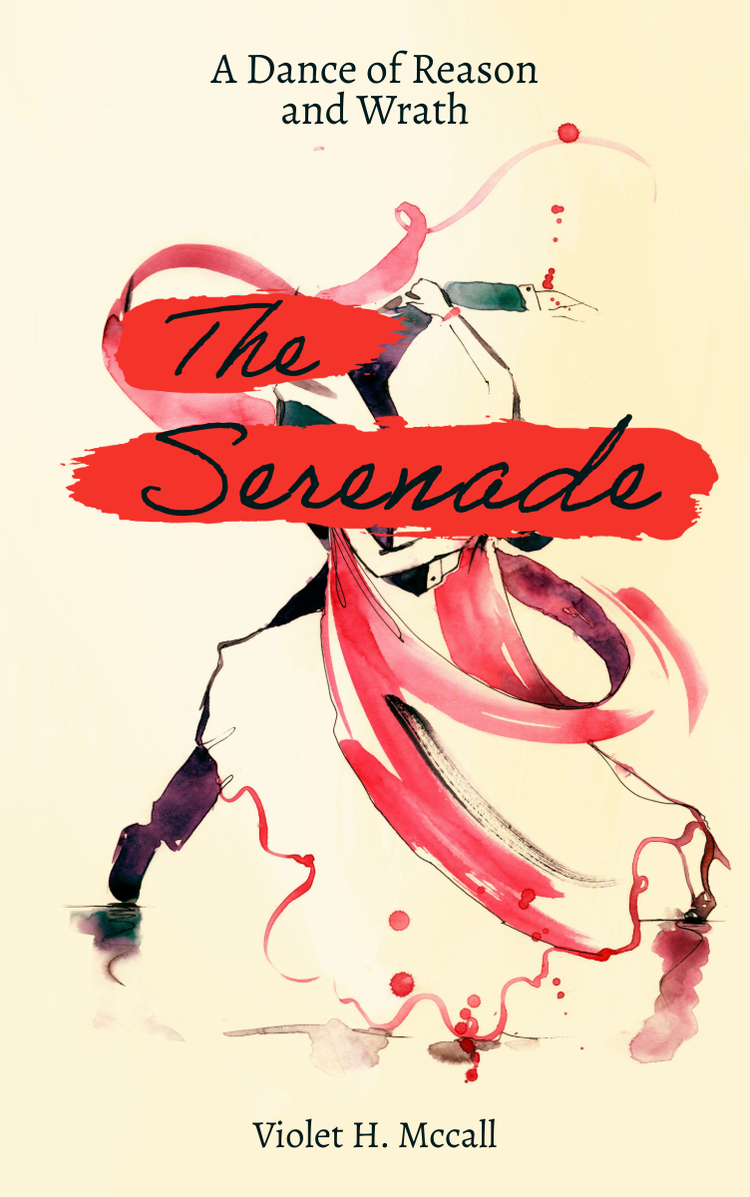
Handwritten typography adds a personal and intimate touch, making it an excellent choice for books with a deeply personal or narrative-driven focus. If your book is a memoir, diary, or creative work, consider using calligraphy or casual handwriting to create an organic, inviting feel.

From elegant cursive to playful brushstrokes, handwritten fonts can evoke different emotions, so select a style that complements your book’s tone and theme.

recipe

collection=default&templateIds=urn:aaid:sc:VA6C2:6737e6a7-0c4c-4835-9018-e9388dc14bcb,urn:aaid:sc:VA6C2:0a41e771-faed-4199-b83e-0edf3739294d,urn:aaid:sc:VA6C2:faa9b06a-a609-4510-a609-0f601a234275

Get creative with composition.

Composition refers to how elements are arranged on the page. An unconventional layout can add intrigue and depth to your book cover, setting it apart from others.

Experiment with asymmetry, layering, and unexpected placements to create visual interest. Minimalist covers often leverage empty space to guide the reader’s eye, while bold, dynamic layouts can create a sense of energy and excitement.

recipe

collection=default&templateIds=urn:aaid:sc:VA6C2:59749db0-53c4-4f19-9582-9c7a8591e761

Convey the mood of the book through the cover.

A book cover serves as a visual gateway into the story. Every design choice—from colors to imagery to typography—should contribute to setting the right tone.

A thriller might feature dark tones and sharp edges, while a self-help book could use softer hues and clean layouts to communicate clarity and guidance. Consider how every element on the cover works together to reflect the story’s essence.

recipe

collection=default&templateIds=urn:aaid:sc:VA6C2:2372e0b8-017b-4f30-9842-85e10b40a1cb,urn:aaid:sc:VA6C2:721cdeea-a97b-4881-a78f-8e4ae72f5d53,urn:aaid:sc:VA6C2:4d5a015b-f231-4db8-9a47-010f1a3c9e58

Feature compelling imagery.

Strong visuals instantly attract attention and can evoke curiosity about the book’s content. Whether using photography, illustrations, or digital graphics, ensure the imagery aligns with your book’s theme.

A dramatic landscape might work well for an epic adventure, while a close-up portrait could be ideal for a personal memoir. The goal is to create an emotional connection with potential readers through visuals.

recipe

collection=default&templateIds=urn:aaid:sc:VA6C2:4b7e0aad-7702-4ed2-858c-581f8bc03069,urn:aaid:sc:VA6C2:59c290ba-bd86-4b1b-bfb6-e1c0dff2359c,urn:aaid:sc:VA6C2:abd94c6b-04df-40f9-b41f-3fc13123a5e5

How to make a book cover with Adobe Express.

Picture, Picture
Start with inspiration.
Explore thousands of professionally designed layouts and styles to spark creativity. Search for designs by aesthetic, mood, or theme to find inspiration for your book cover.
Customize your design.
Personalize the layout by adjusting text, colors, and graphics. Replace placeholder elements with your own images or browse an extensive library of free assets to enhance your design.
Add extra flair.
Incorporate design elements like text animations, filters, and artistic overlays to make your book cover unique. Experiment with different styles to see what works best for your book’s theme.
Resize for different formats.
Easily adapt your design for different platforms and formats with built-in resizing tools. Whether creating an eBook cover, paperback, or audiobook thumbnail, you can quickly modify your design as needed.
Save and share.
Once your book cover is finalized, download and share it instantly. Adobe Express saves your projects, allowing you to revisit and update your designs at any time.

Use imagery as an accent.

Not all book covers need full-page imagery. Sometimes, a small but meaningful visual element can enhance the design without overwhelming it.

Consider incorporating subtle patterns, abstract shapes, or symbolic icons to complement your title and typography. This technique works well for minimalist designs that aim for sophistication and simplicity.

recipe

collection=default&templateIds=urn:aaid:sc:VA6C2:bba8c0aa-7cb6-4257-aeeb-c5653888ed9f,urn:aaid:sc:VA6C2:4518df00-3e74-4e7d-b227-7cb09249aacb,urn:aaid:sc:VA6C2:df6b35e4-41a2-45a0-a14d-ca689b35067b

Choose imagery that makes an impact on your audience.

A well-chosen image can communicate a story more effectively than words alone. Think about what kind of imagery would resonate most with your target audience.

For example, a book about architecture might feature geometric patterns or structural designs, while a poetry collection could include dreamy, ethereal visuals. Select imagery that aligns with the book’s core message and appeals to potential readers.

recipe

collection=default&templateIds=urn:aaid:sc:VA6C2:b4153ace-36bf-584f-acc7-239382f64014,urn:aaid:sc:VA6C2:8a77731b-f243-4ed0-a0d0-9009e2bdfdb3,urn:aaid:sc:VA6C2:1cae3154-5f54-448e-b386-e14c65115e18

Showcase icons and graphics as imagery.

Icons and vector graphics offer a modern and minimalistic approach to book cover design. Unlike detailed illustrations, icons can convey ideas in a clean and straightforward manner.

Abstract symbols, line art, and geometric shapes can be used to enhance visual appeal while maintaining a contemporary aesthetic. This is particularly effective for business books, technology-focused themes, and instructional guides.

recipe

collection=default&templateIds=urn:aaid:sc:VA6C2:424ea8df-5981-499b-b013-b5fa19f52d49,urn:aaid:sc:VA6C2:d8f9e437-2d84-4d33-af4c-e3ede1848764

Use graphics to allude to imagery.

Instead of directly depicting an idea, abstract visuals can create intrigue and symbolic meaning. Graphic elements, subtle textures, and minimalist shapes can allude to a book’s themes without explicitly showing them.

For example, instead of using a literal spiderweb for a mystery novel, an abstract web-like structure could suggest interconnected secrets and deception. This technique encourages readers to interpret the cover’s meaning in a more engaging way.

recipe

collection=default&templateIds=urn:aaid:sc:VA6C2:b61602d1-b250-4aa9-b028-e470eaa1eba4,urn:aaid:sc:VA6C2:195fb56b-7b92-4e08-ba52-86858acbb9fa

Keep it simple and straightforward.

A cluttered book cover can overwhelm potential readers. Instead of trying to showcase every detail, focus on a clean and simple design that highlights the most important elements.

Negative space (empty areas in the design) can be just as powerful as bold visuals. A well-balanced layout with a clear focal point ensures your book cover remains visually appealing and easy to understand.

recipe

collection=default&templateIds=urn:aaid:sc:VA6C2:2a210d13-cd7f-51b3-8f8a-4df00dd937a9

You might also like...

View all