#fff
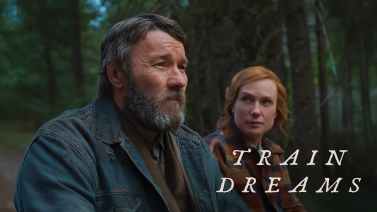
An extraordinary portrait of the ordinary.
Train Dreams editor Parker Laramie used Adobe Premiere to streamline his color and sound workflows — and craft a poetic story of one man’s life against the backdrop of a changing world.
Train Dreams editor Parker Laramie used Adobe Premiere to streamline his color and sound workflows — and craft a poetic story of one man’s life against the backdrop of a changing world.
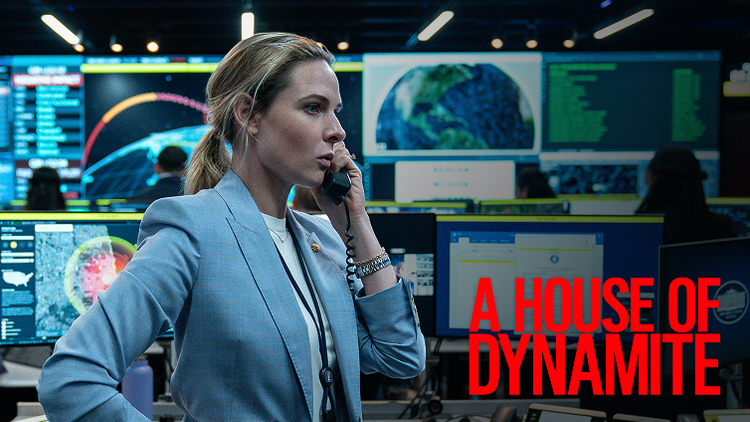
See how A House of Dynamite editor Kirk Baxter and his team stitched together a thrilling, multi-perspective narrative that leaves you on the edge of your seat — all with the help of Adobe Premiere.
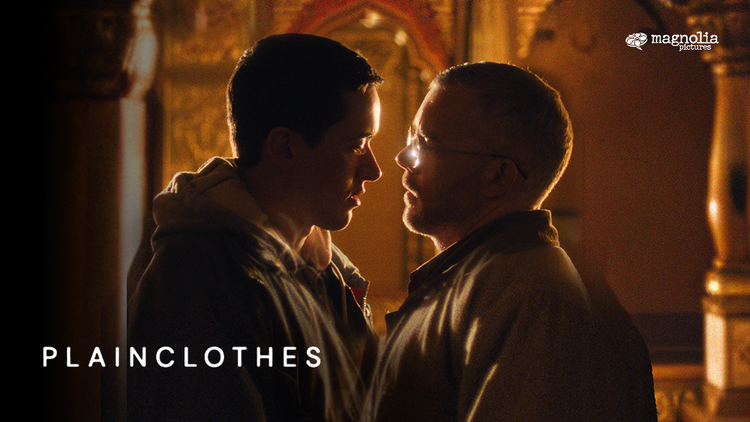
Discover how Erik Vogt-Nilsen, editor of Plainclothes, used Adobe {{premiere}}, {{after-effects}}, and Frame.io to collaborate on crafting the award-winning Sundance film.
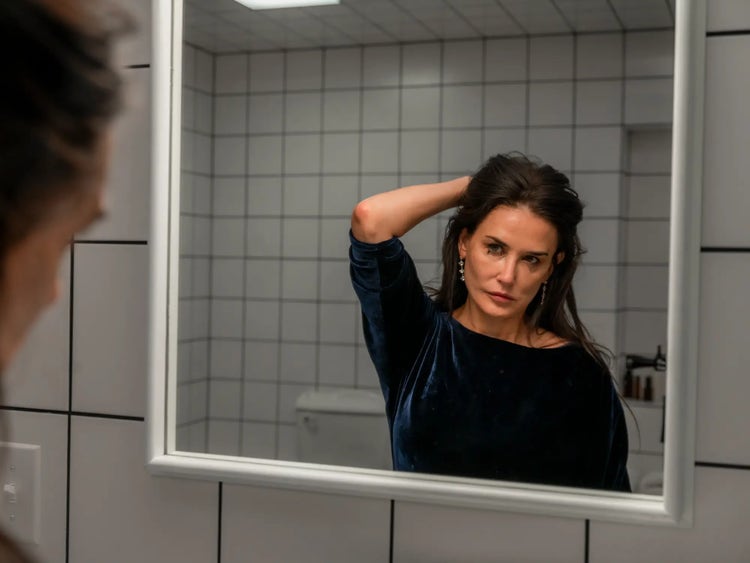
The editor of The Substance used {{premiere}}'s flexibility and powerful features to craft a dynamic rhythm and precise atmosphere through sound design, essential for a film with minimal dialogue.
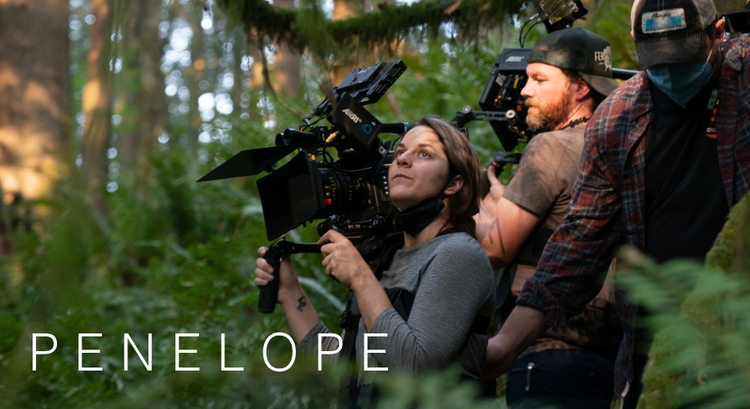
The makers of Penelope used Camera to Cloud in Frame.io during off-the-grid shoots and Productions in {{premiere}} to cut their story with a remote team — find out how.
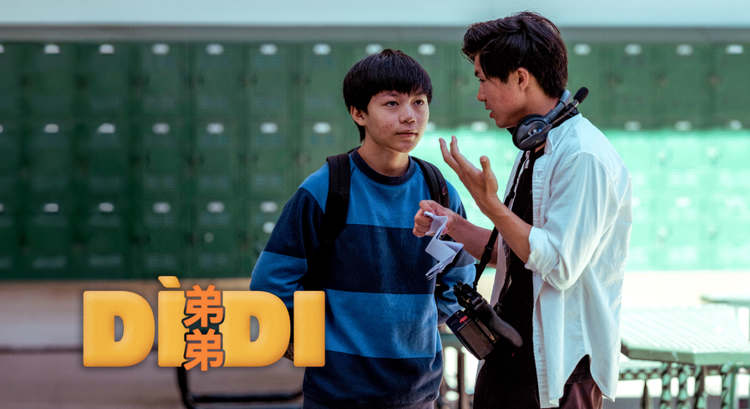
From skate culture to social sites of the era, find out how writer/director Sean Wang and the editors used Adobe {{premiere}} and Creative Cloud to create the film Dìdi (弟弟).
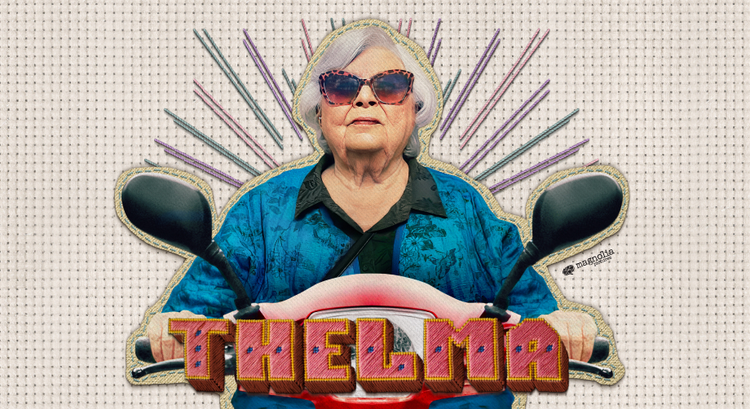
Thelma follows a scammed senior citizen's quest for justice. See how writer, director, and editor Josh Margolin used Adobe {{premiere}} to crank up the action and riff on classic rogue agent tropes.
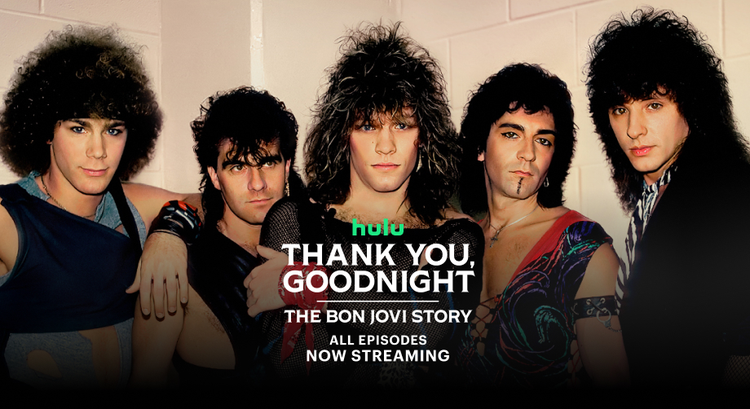
The editors used Adobe {{premiere}} to weave decades of rock ’n’ roll history with the help of Text-Based Editing and reveal a lesser-known side of the iconic band — see how they did it.
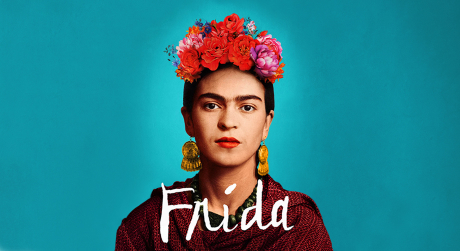
Find out how director and editor Carla Gutiérrez and team brought the diaries, letters, and essays of Frida Kahlo to life — sharing a hidden side of the radical artist.
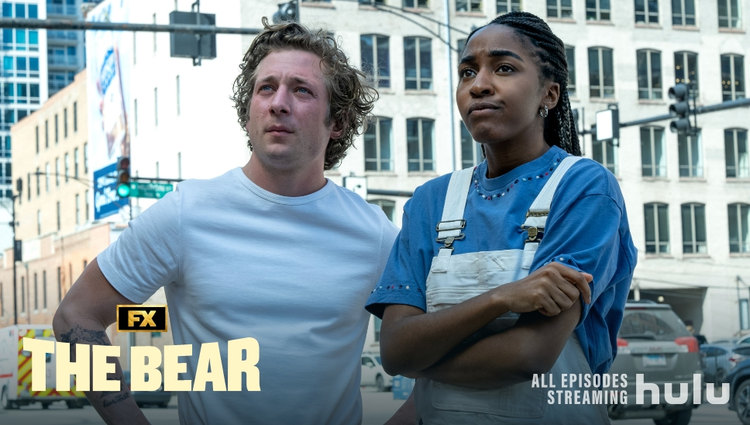
Find out how the editors of FX’s The Bear use {{premiere}} to unveil the energy of a crowded kitchen, the emotion of family drama, and the grief that informs every frame of the Emmy®-nominated show.
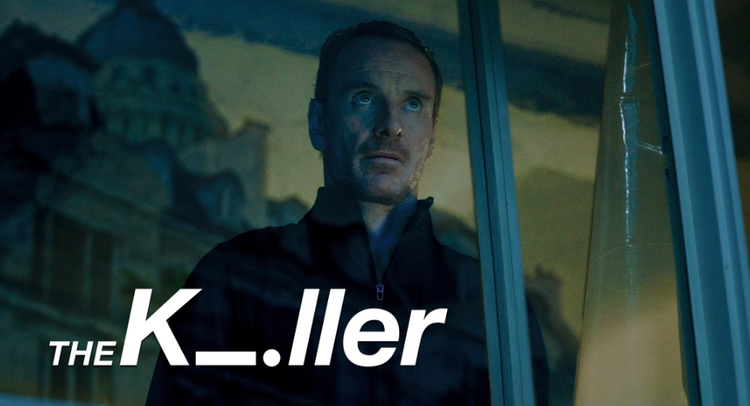
See how award-winning editor Kirk Baxter and his team used {{premiere}} to break the rules of traditional editing in The Killer, a neo-noir thriller directed by David Fincher.
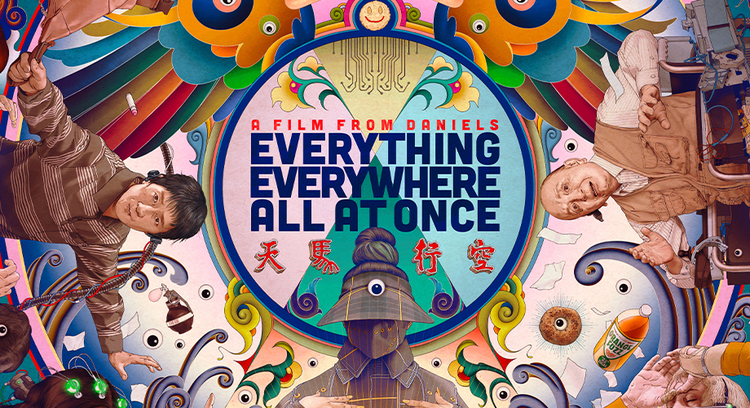
See how editor Paul Rogers and directors, the Daniels, used Adobe {{premiere}}, Adobe After Effects, and Frame.io to create the film’s iconic audit scene.
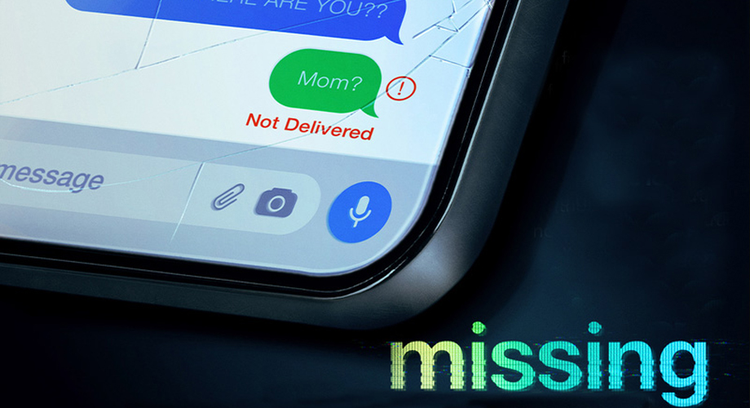
Discover how the editors of Missing used {{premiere}} and Adobe After Effects to create a thriller told entirely through phone and computer screens.
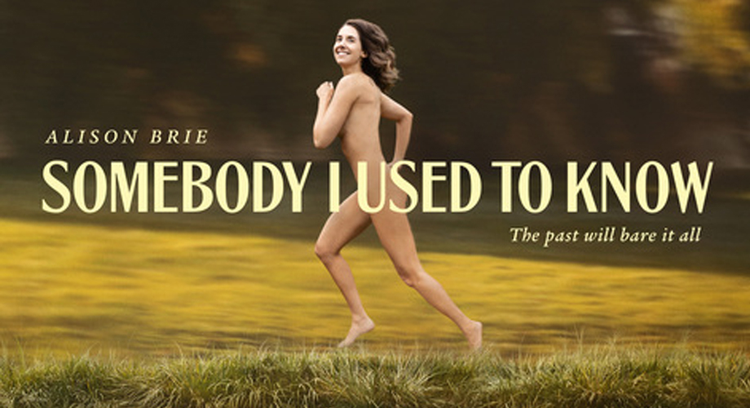
See how the editors of Somebody I Used to Know used {{premiere}} and After Effects to defy rom-com cliches — bringing a uniquely grounded angle to the genre.
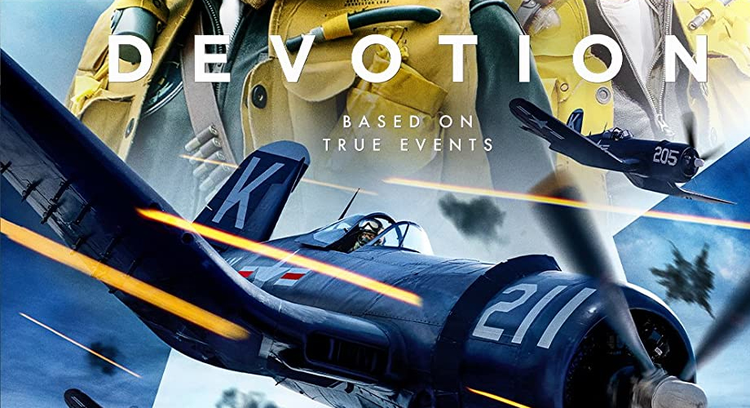
Take to the skies with the director and editors of Devotion to see how they used {{premiere}}, After Effects, and Frame.io to tell the story of the U.S. Navy’s first Black aviator.
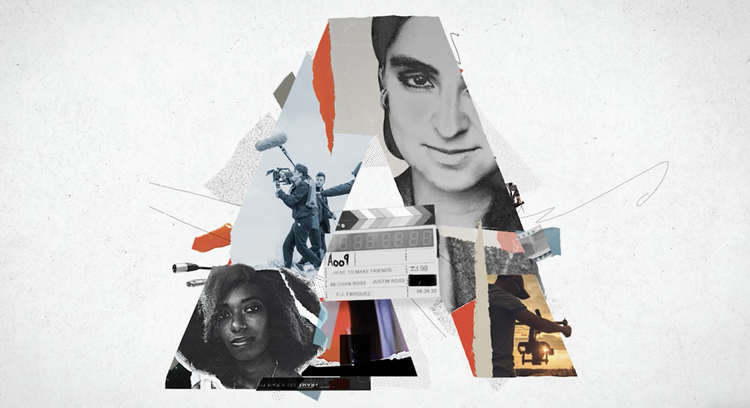
Go backstage with the artists and discover why more Sundance filmmakers use {{premiere}} than any other editing solution.
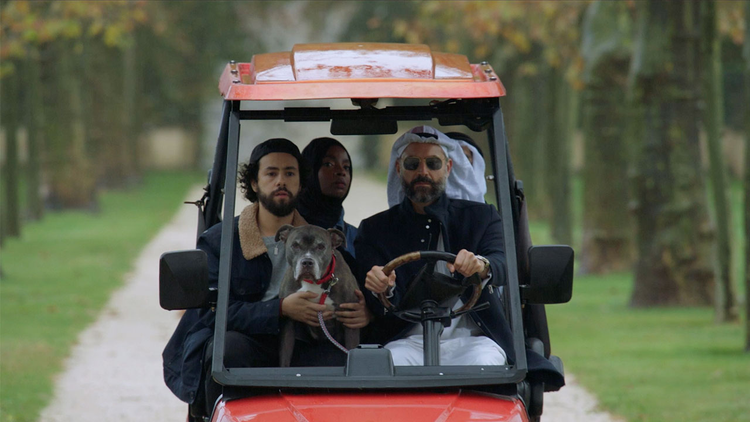
"Every movie or TV show I’ve cut has been in Premiere,” says editor Joanna Naugle. So when it came time to edit the critically acclaimed show Ramy, she used {{premiere}} to help bridge the fine line between comedy and drama.
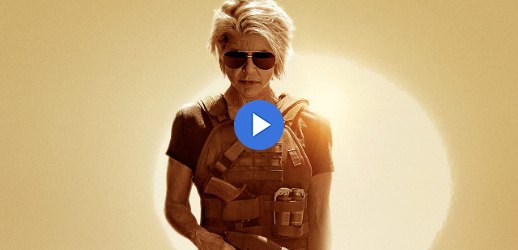
When director Tim Miller envisioned the new Terminator: Dark Fate movie, he knew Adobe video tools were up to the task. Check out interviews with his team to find out why.
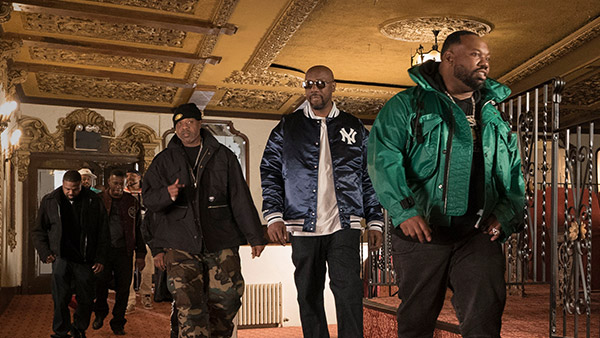
Mass Appeal turned to {{premiere}} to collaboratively edit the new SHOWTIME® docuseries Wu-Tang Clan: Of Mics and Men. See how they showcased this legendary group’s path from struggle to stardom.

The team behind Unbanned: The Legend of AJ1, used {{premiere}}, After Effects, and Photoshop to get the story of the iconic Air Jordans off the ground.
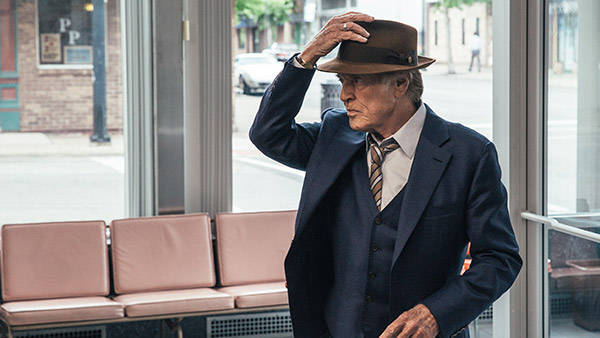
Veteran editor Lisa Churgin switched to {{premiere}} to cut this film, and post-production came off without a hitch.