
Brand mood board examples for building identity.
A brand mood board is a powerful tool for planning and visually representing how a brand looks, feels, and communicates. Designers and marketers use them to define visual direction, align creative teams, and explore everything from logo treatments to typography, imagery, and color palettes.
Fashion mood board examples for aesthetic visuals.
Creating a fashion mood board is a fun, fast way to explore your style and bring a visual story to life. Whether you're building a seasonal lookbook for your brand or curating a personal aesthetic, digital mood boards make it easy to play with colors, fabrics, silhouettes, and mood.
These fashion mood board examples highlight how they help designers and stylists shape collections, refine concepts, and communicate their unique aesthetic.


Interior design mood board examples to shape spaces.
A well-crafted design mood board helps turn loose inspiration into a clear, cohesive design plan. Looking at interior design mood board examples can spark fresh ideas for layout, color schemes, textures, and how different elements work together in a space.
Wedding mood board examples for the perfect day.
Planning a wedding comes with countless decisions, but mood boarding can help simplify the process. A wedding mood board creates a shared visual “language” for you, your planner, partner, or vendors, making it easier to align on everything from flowers and venues to themes, colors, and decor.
These wedding mood board examples show how a few well-chosen visuals can bring clarity and excitement to your big day, long before the first invite is sent.

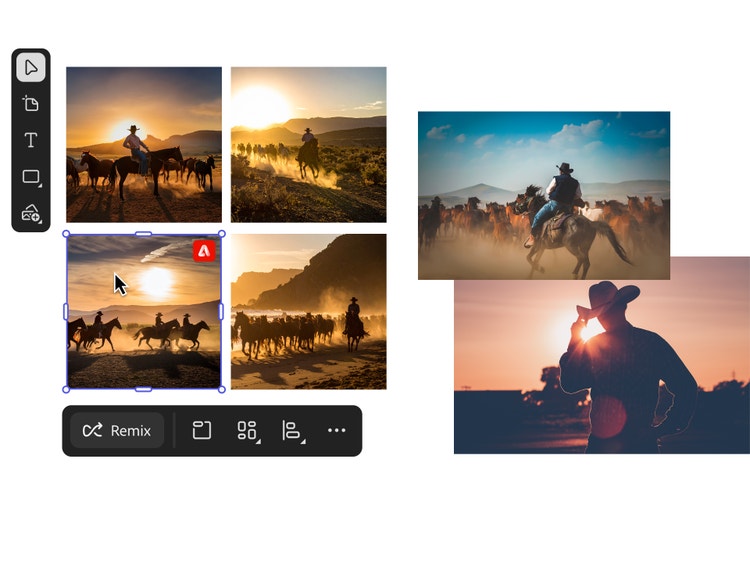
Film mood board examples for pre-production.
Before the cameras roll, mood boarding is a key part of shaping a film’s visual language. Directors, cinematographers, and production designers often use mood boards to explore lighting, wardrobe, and set design decisions, helping align the creative team around a shared vision.