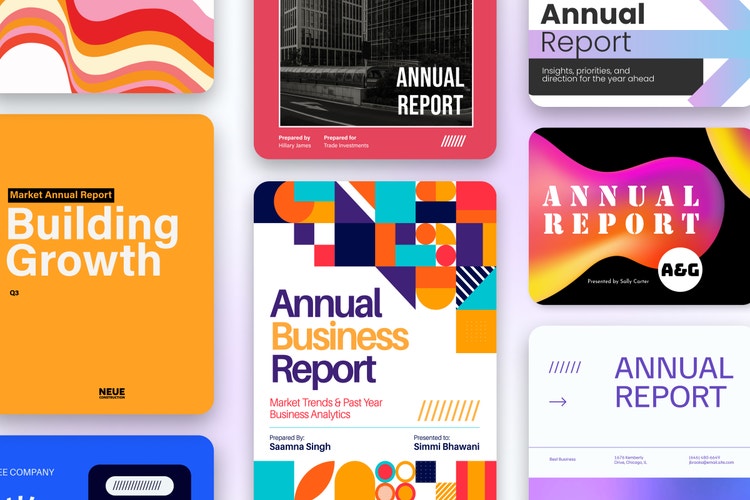
Annual reports no longer need to be dry, text-heavy PDF documents that end up unread. Modern stakeholders expect engaging visual stories that highlight organizational impact, financial progress, and future goals. Transitioning from a static memo to a responsive digital report transforms routine financial disclosures into a compelling brand narrative that builds long-term trust.
Key takeaways
- Visual annual reports boost stakeholder engagement and information retention compared to traditional text-heavy documents.
- Integrating video messages, dynamic data graphics, and authentic photography humanizes performance metrics.
- Following a structured design blueprint ensures narrative clarity across financial summaries and qualitative milestones.
- Data visualization best practices turn complex financial statistics into intuitive, skimmable infographics.
- Digital publishing channels offer interactive presentation modes, responsive layouts, and embedded web options.
How to create an eye-catching title page
A strong cover page establishes immediate creative direction and determines whether readers explore your report further. Full-bleed background imagery combined with clean typography creates a professional initial impression.
- Select a high-resolution hero photo with uncluttered background space to keep title text readable.
- Position the header text strategically to balance negative space and background elements.
- Include essential organization details, such as company name, reporting year, and primary brand slogan.
- Utilize free image search libraries within Adobe Express to locate themes matching your organization industry.
Structural blueprint checklist
A well-structured visual report guides readers through financial achievements, organizational updates, and strategic goals without overwhelming them.
- Executive welcome: Include a brief opening statement or video message from leadership summarizing annual highlights.
- Year in review: Display a highlighted timeline of major organizational milestones and achievements.
- Impact metrics: Showcase key performance indicators using clean data visual graphics.
- Financial summary: Present clear breakdowns of revenue, expenses, and strategic investments.
- Community spotlights: Share real stories, quotes, and photos showcasing team members or beneficiaries.
- Future outlook: Outline forward-looking goals, strategic roadmaps, and call to action details for supporters.
Data visualization best practices
Raw spreadsheets and complex financial tables can confuse readers. Transforming numbers into well-designed data graphics ensures critical growth metrics are easily understood and remembered.
- Choose the right chart type: Use bar charts for comparisons, line graphs for trend lines, and pie charts for simple component breakdowns.
- Limit visual noise: Remove unnecessary gridlines, excessive labels, and distracting 3D chart effects.
- Highlight key data points: Use distinct brand accent colors to draw immediate focus to primary statistics.
- Provide clear context: Pair chart graphics with short descriptive captions that explain the significance of the numbers.
- Maintain graphic scale: Ensure visual charts scale responsively across mobile screens and desktop displays.
Incorporate video and media storytelling
Video content adds emotional depth to annual reports, making it especially effective for mission-driven organizations and non-profits.
- Embed short video messages from executives to share personal reflections on annual progress.
- Highlight beneficiary success stories or employee spotlights through concise interview clips.
- Include animated explainer videos summarizing annual impact metrics or organizational causes.
- Utilize inline video players that launch smoothly without redirecting readers away from the report.
Break up text with pull quotes and typography
Formatting key statements with distinct typography creates natural visual resting points throughout long documents.
- Extract inspiring statements from leadership, client reviews, or community partners.
- Apply contrasting font styles and generous margins to set pull quotes apart from narrative body text.
- Repurpose standalone quote graphics into shareable social media posts to drive report traffic.
Use authentic photography instead of stock
Eye-tracking research shows that readers frequently ignore generic stock imagery while spending significant time viewing authentic photos.
- Feature genuine photography showing team members, workplace operations, and community projects.
- Include contextual image captions and worker names to add a personal touch.
- Format image layouts using interactive slideshows or full-screen scroll effects to maintain visual interest.
Digital vs. print output options
Choosing between digital interactive layouts and traditional print formats depends on primary audience distribution channels and accessibility needs.
- Digital interactive reports: Provide responsive mobile layouts, embedded videos, click-through links, presentation views, and real-time reader analytics.
- Print or downloadable formats: Offer offline reading accessibility, standardized page sizes for physical distribution, and tangible archive copies for formal compliance.
- Hybrid distribution: Create an interactive digital web experience while offering a downloadable summary PDF for offline stakeholders.
Maintain visual hierarchy and brand consistency
Consistent styling reinforces brand recognition while helping readers navigate multi-page reports efficiently.
- Establish uniform header sizing, spacing rules, and bullet formatting throughout the document.
- Apply an official brand color palette and typography rules to keep all sections visually unified.
- Use background color blocks or full-width section divider images to signal transitions between topics.
- Build custom design templates in Adobe Express to streamline annual report creation across teams.
Want to create a visually-commanding annual report? Try Adobe Express for free today!