
Trending color palettes and what they mean

Color trends might seem random, but they’re deeply rooted in the cultural moment. If you follow Pantone’s color of the year announcements, you’ll see that the current mood and aspiration of how people want to feel factor in greatly when selecting the year’s representative color.

Color trends are about more than just aesthetics. Color can be that visual shortcut that reflects what people value and how they relate to the world around them.

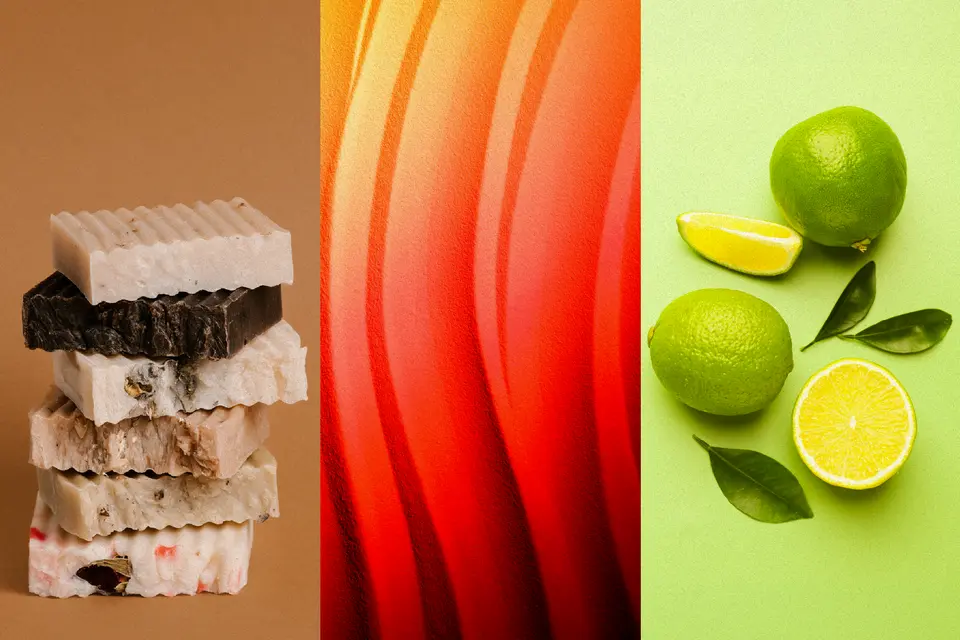
Here, we’ll highlight some of the trending color palettes right now — earthy neutrals, digital brights, muted pastels — and explain the cultural, social, and technological influences driving their popularity. We’ll also cover what these palettes communicate emotionally, so designers can choose colors intentionally and stand out in a sea of brands.

Key takeaways

Summary

Levels
1

There are many factors that affect how trends come and go, but to boil it down into a simple theory, it’s about changing collective priorities. As society flexes with current events, technological advancements, and cultural forces, the overall mood changes and color is one of the fastest ways to react. For Diana Walker, visual content designer at Adobe Express, “color trends matter because they reflect a specific time and place in our world.”

The use of the right color can build trust, create emotional safety, signal optimism, and minimize fatigue. And even if a color is trending, that doesn’t mean it’s right for you or your brand.

By understanding the forces underlying the shift, designers can strategically select color palettes — because blind adoption and following the crowd isn’t an option.

Skilled designers and marketers are always aware of trends, but that doesn’t mean they jump on each one. That would lead to chaos and disjointed experiences.

The most effective brands filter trends through their brand identity and design with intention. Walker says, “when used with intention, color trends can make design feel timely, culturally aware, and meaningfully connected to the world around us.” Usually, a brand has its core color system with signature accents, which gives them the freedom to weave in one or two trend-driven colors.

A good rule of thumb is to have flexibility across formats (websites, social media channels, presentations, and product UI), and a color system with light, dark, and mid-tone options and clear contrast rules does that. Walker adds, “I also think they can help us step outside of sameness in design and move beyond certain constraints, which can open up new creative possibilities.”

Finally, the end game is communication, so readability and accessibility are paramount — if people can’t read your message, there’s a problem. If colors are on trend, but the message doesn’t get through, the color palette needs to change.

You can generate color palettes for free using the free Adobe Express custom color palette creator.

Three color palettes — earthy neutrals, digital brights, and muted pastels — are trending in direct response to overlapping forces of rapid AI adoption, digital saturation, climate awareness, and changing ideals around expression and identity.

These three palettes reflect our changing collective priorities and when used with intention can communicate deep emotional meaning without a word. Earthy neutrals help ground us, while digital brights add energy, and muted pastels lend reassurance. Color trends may come and go, but designers who understand the message behind the colors can create work that’s both relevant and timeless.

Try Adobe Express today