Acrobat
Why senior leaders are at the forefront of AI adoption in documents
Senior leaders are becoming some of the fastest adopters of AI inside documents as oversight responsibilities expand and decision cycles accelerate. This article explores how leadership teams are using AI to review, validate and govern financial, legal and operational information with greater clarity and control.

Published by Adobe Acrobat India on 13 April 2026
AI in documents was once viewed primarily as a productivity tool for teams preparing files, reports, and presentations. That perception is changing quickly. New data indicates that leadership driven functions are showing above average use of AI for interpretation and summarising, with a widening gap between how decision makers and operational teams use document technology.
This shift reflects a practical need. As organisations grow, leaders must approve contracts, review financial reports, and validate compliance documentation at a pace that matches business expansion. Relying solely on intermediaries to interpret complex documents can slow decision making and create risk. AI inside documents is becoming the layer that allows leaders to engage directly with the information that shapes business outcomes.
Rather than delegating document understanding, executives are now using AI for business leaders to gain immediate visibility into obligations, performance metrics, and risks. This enables faster approvals and more confident governance without adding administrative burden.
Why executive level AI adoption is accelerating
Senior leadership roles are increasingly defined by the ability to process large volumes of information quickly. Board updates, regulatory filings, financial reports, and commercial agreements all require careful review and timely action. As documentation expands, traditional review methods become difficult to sustain.
AI powered interpretation tools allow leaders to extract relevant information from lengthy documents without reading them line by line. Instead of waiting for summaries from multiple teams, executives can access structured insights instantly. This direct access reduces delays and improves oversight across finance, legal, and operational areas.
The growth in leadership level adoption also reflects the need for stronger governance. As regulatory expectations increase, leaders must ensure decisions are based on accurate and current information. Using AI to review and validate documents supports clearer accountability and more consistent compliance practices.
How AI is supporting oversight and governance
Executive summaries for faster decision validation
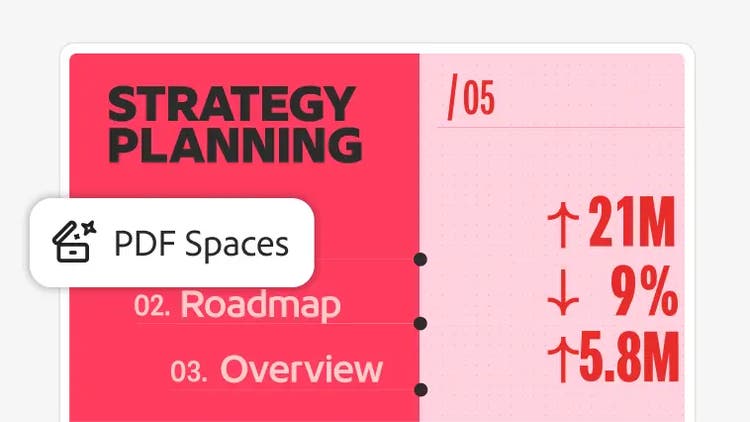
Leadership teams often work with extensive board packs, financial statements, and compliance reports. Reviewing these materials thoroughly requires time that is often in short supply. AI generated summaries provide structured overviews of complex documents, allowing leaders to understand key points quickly before moving into deeper review where needed. This is especially valuable when reviewing vendor contracts, approving financial statements, tracking GST and MCA compliance filings, managing procurement workflows, or validating client deliverables across IT/ITES, consulting, and financial services. provide structured overviews of complex documents, allowing leaders to understand key points quickly before moving into deeper review where needed.
These summaries highlight obligations, risks, and critical data points in a format that supports rapid decision validation. For organisations developing an AI governance framework, this capability ensures that approvals and strategic decisions are informed by clear, accessible information rather than fragmented inputs. It also enables leaders to maintain stronger oversight across high-volume, document-driven processes without slowing down decision cycles.
Comparing documents and tracking change
Contracts, financial statements, and regulatory documents frequently undergo multiple revisions. Identifying what has changed between versions can be time consuming, particularly when updates are subtle but significant. AI driven comparison tools enable leaders to track changes across documents and confirm that revisions align with agreed terms or compliance requirements.
This visibility is particularly valuable when working with external legal or financial advisors. Leaders can review updated agreements, confirm adjustments, and approve changes with confidence. The result is stronger control over documentation without creating additional review bottlenecks.
Secure access to sensitive leadership materials
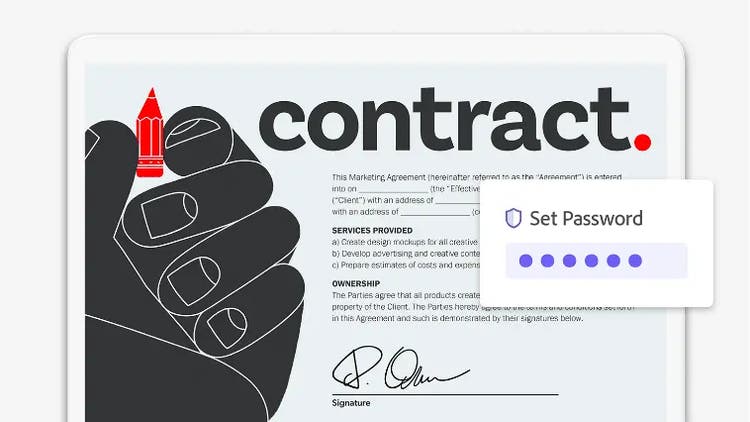
This level of control supports AI regulatory compliance by ensuring that confidential information is handled appropriately and that access can be audited when required. Leaders gain the ability to collaborate securely with advisors and internal teams without compromising data integrity.
Cross device access for continuous oversight
Modern leadership roles rarely operate from a single location. Meetings, travel, and remote work all shape how executives interact with information. Cross device access allows leaders to review and approve documents from mobile phones, tablets, or laptops without losing context or functionality.
Being able to access summaries, review updates, and confirm approvals from any location ensures that governance processes continue without interruption. This flexibility supports faster decision cycles and keeps operations moving even when leaders are away from their desks.
Audit trails that strengthen accountability
Clear documentation of decisions and approvals is essential for governance and compliance. Audit trails provide a record of who reviewed, edited, and approved each document, creating transparency across leadership workflows.
These records support both internal accountability and external regulatory requirements. For organisations operating in regulated environments, maintaining a clear trail of document activity helps demonstrate that decisions were made based on accurate and verified information.

Acrobat is the key to faster business.
Accelerate crucial workflows with our solutions for businesses and teams.
Why this shift matters for growing organisations
The increasing use of AI among leadership teams signals a broader change in how organisations approach document management. Documents are no longer passive records stored for reference. They are becoming active decision tools that shape strategy, compliance, and growth.
When leaders can access clear insights directly within documents, they reduce dependency on multiple layers of interpretation. This improves speed without sacrificing accuracy. Decisions can be validated quickly, risks identified earlier, and approvals completed with greater confidence.
For growing businesses, this shift supports stronger alignment between strategy and execution. Leaders remain closely connected to the information that drives operations while maintaining oversight across expanding teams and processes.



Data Privacy
Your work. Your data. Always protected.
With AI Assistant, your content stays yours because it’s never used to train Adobe’s AI models. Your documents, chats and interactions are fully protected. Plus, AI responses are always cited back to your source documents for full transparency.
Learn more | Learn more about how your docs and data are safe when using AI Assistant.
Frequently asked questions.
Why are senior leaders using AI inside documents more frequently?
How does AI support governance and compliance for executives?
Can AI analyse financial statements and compliance documents?
Can AI help leaders review financial and legal documents more efficiently?
How does secure access improve leadership workflows?
How can Indian SMBs and startup founders benefit from AI in documents?
More resources