
Photography
Understanding shutter speed, both slow and fast.
Learn the basics of shutter speed in photography and see how this principle offers creative opportunities for sharper shots or motion-filled storytelling.
Photography
Learn the basics of shutter speed in photography and see how this principle offers creative opportunities for sharper shots or motion-filled storytelling.
Photography & tutorial by @tk_north
Shutter speed is exactly what it sounds like: It’s the speed at which the shutter of the camera closes. A fast shutter speed creates a shorter exposure — the amount of light the camera takes in — and a slow shutter speed gives the photographer a longer exposure.

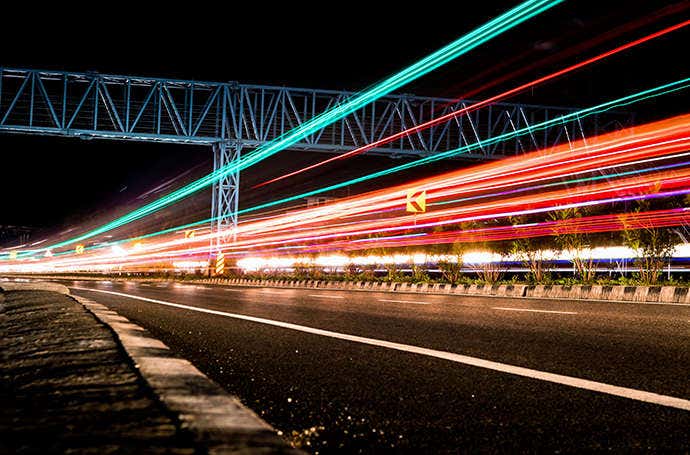
“Shutter speed gives you two things. One, it lets you freeze time,” author and photographer Jeff Carlson explains. “If you have a faster shutter speed, it’s going to open and close quickly and get that slice of whatever’s happening.”
“Then there’s the instance where you want a really slow shutter speed that opens the aperture to let in more light,” Carlson says. “You can use slow shutter speed in a dimmer environment when you need more light to expose a shot correctly.”
In simple terms, shutter speed in camera is measured in fractions of a second — like 1/250 or 1/1000 — and determines how long light hits the sensor. Photographers often use a shutter speed chart as a guide to balance light, motion, and creative intent.
When adjusting shutter speed in camera, consider light and motion. If you leave the shutter open a longer amount of time to capture more light, motion will affect the photo — maybe in ways you don’t like.
“The problem is that when the shutter is open longer, anything that moves in the frame during that time gets blurrier,”
photographer, writer and teacher Ben Long says of camera shake. “Another problem is when the camera shutter is open for a long time and you move the camera. You can’t help but do that because you’re a living human being.” This kind of blur is common with slow shutter speed and can be reduced with a tripod or image stabilisation.
A slow shutter speed in photography can help you illuminate a darker scene, as it brings more light through the lens. But with a faster shutter speed, the lens is open for a shorter length of time, so less light enters the lens. This trade-off shows why many photographers adjust aperture or ISO when using a fast shutter speed in camera. That makes low light a challenge and demonstrates the importance of a well-lit scene. Be mindful of this as you shoot or you could end up with very dark photos that miss what you want to capture.
Properly adjusting your camera settings, like shutter speed, is crucial when it comes to not missing the moment, especially with fast-moving subjects, where fast shutter speed photography helps freeze action and reduce motion blur.
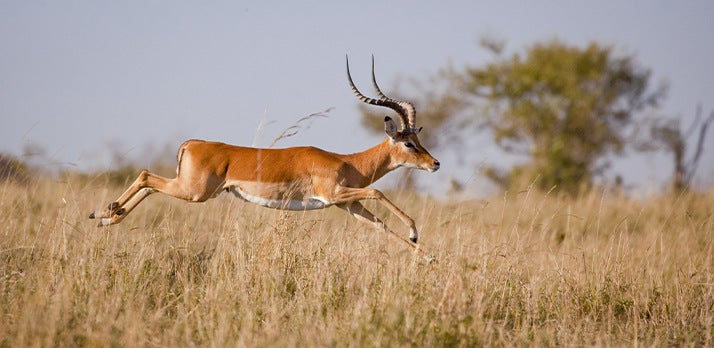
“A couple months ago, I was photographing cheetahs that were hunting,” animal photographer and New York Times best-selling author Carli Davidson tells us. “You can’t just say, ‘Hey, can you redo that? Can you slow down and do that again because my shutter speed wasn’t fast enough and the image is blurry?’” Moments like this often require a fast shutter speed in camera to freeze rapid movement.
Consistent practice with shutter speed before a shoot builds confidence in choosing between fast shutter speed to freeze action and slow shutter speed to show motion.
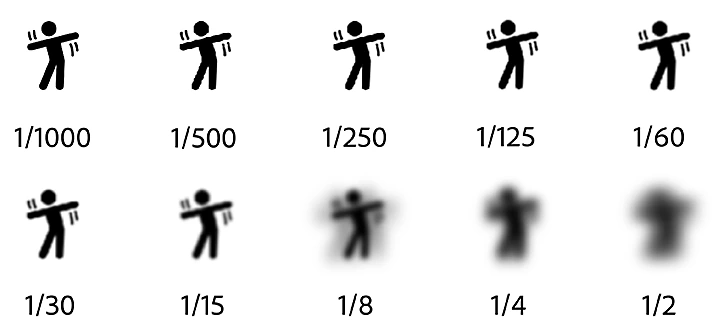
This shutter speed chart illustrates how different speeds capture motion, from fast shutter speed that freezes action to slow shutter speed that creates intentional blur.
Understanding these settings is key to mastering shutter speed in photography, as it shows how your choice directly affects mood and clarity. By experimenting with shutter speed in camera, you can control whether to highlight sharp detail or emphasise creative motion effects.
When you don’t want motion blur in photography — the effect caused by a subject or the camera moving during a long exposure or slow shutter speed shot — you can freeze time with a fast shutter speed in camera.
“Two-year-olds are notorious for never standing still,” Carlson says. “You can set your camera to a higher shutter speed setting so they’re not blurry when you take that shot.”
But beyond simply avoiding motion blur, fast shutter speed photography gives photographers the almost magical ability to put a single moment in a time capsule.
“It goes back to your reason for taking the photograph,” photographer and designer Shawn Ingersoll explains. “Are you wanting to capture motion or a split-second in time where something is moving but it doesn’t look like it? Like a rock falling into a pond, so you see that split-second where the water flies up into the air.”
Water, an element that can be as still as a dewdrop or as powerful as a tsunami, showcases how shutter speed can tell two stories.
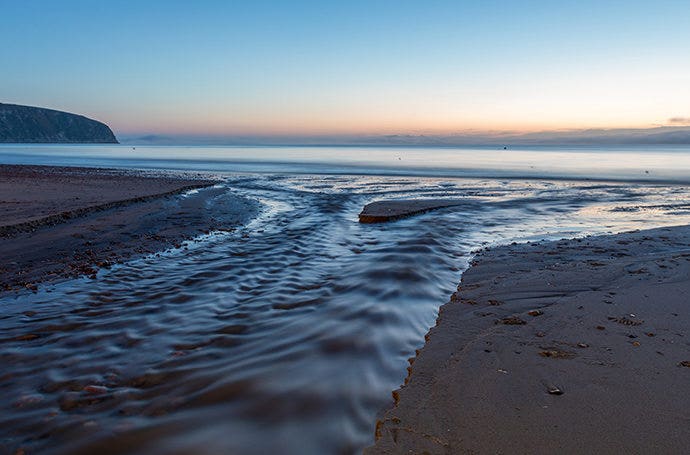
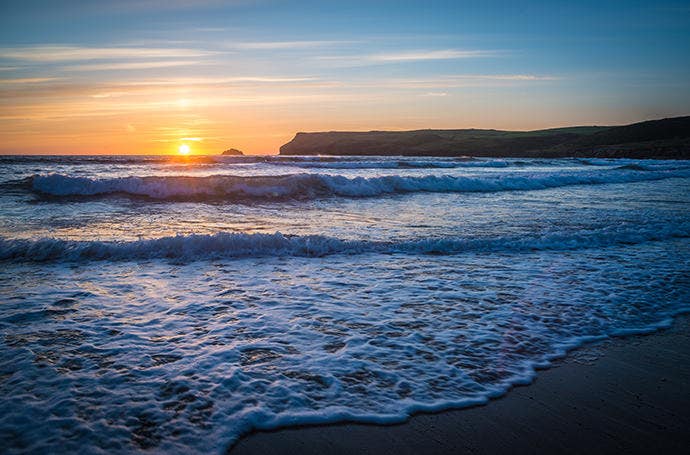
“If you’re looking at the ocean and it’s twilight, you might want a long exposure of 30 seconds,” Carlson suggests. “That can give you more light so that everything isn’t completely dark. It will smooth out all the waves and give you this really soft, glassy look for the water.”
And yet, that same ocean in a single snapshot at a quick shutter speed may showcase a rippling white cap or the roil of a choppy sea. It’s choices like these that give photographers creative options driven by fast and slow shutter speed adjustments.
By mastering fast shutter speed techniques, photographers can capture crystal-clear action shots in sports, wildlife, and everyday life, making it an essential skill in any photography types list.
“I used to photograph basketball in this dark gym,” journalist and wedding photographer Anna Goellner recalls. “To get the proper exposure, I would sometimes have to go down to a shutter speed of 1/50, but then I could see movement in my images, which I didn’t want. In sports photography, you want images to be clean.”
When the end goal of your shoot is a sharp, in-focus picture, perhaps capturing the look on an athlete’s face as they hit that winning shot, you want a fast shutter speed to freeze a moving object. It tells the story by pausing a particular moment. But slow shutter speed photography can open new creative opportunities, because shots that stop time and remove motion can limit certain storytelling possibilities.
“When a basketball team was way ahead or I had all the good pictures I needed, I’d just play with that movement,” Goellner continues. “Following a football player down the field while he was running and capturing that movement — I think it’s a lot of fun to be artistic with that. You can definitely capture movement in sports by playing with the shutter speed, which is a classic technique in many genres of photography.”
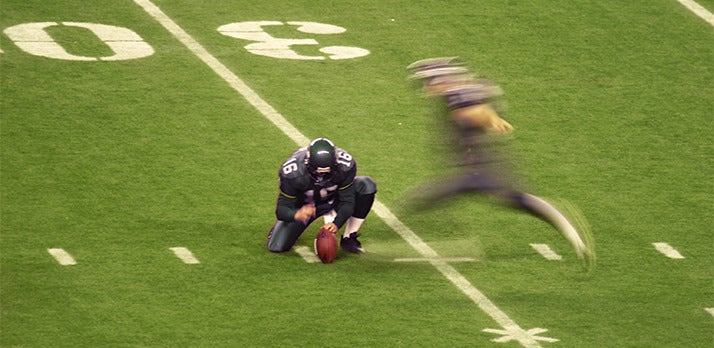
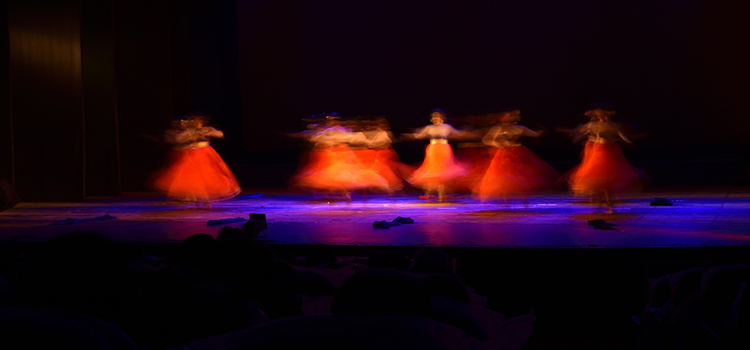
Telling a story or capturing action that goes beyond a single moment is possible with slow shutter speed photography. Sometimes, it’s even necessary to create impact.
“If I’m out at the race track and there’s a Formula One race car going by at 200 miles an hour,” Long relays “and I shoot it at 1/8000 of a second to perfectly freeze its motion, when I look at the final picture, it looks like a parked car. There’s going to be no sense of the reality of that scene. There’s going to be no sense that it was travelling quickly.
“If, instead, I use a slower shutter speed and time my camera to follow the car as it goes through the frame,” continues Long, “the car is going to have a little bit of blur, but the background is going to be totally smeared — it’s going to look like [the car] was going 200 miles an hour. That’s a creative choice I get to make at the time to impart a greater sense of the true reality in the scene.”
From light trails in night photography to smooth water effects in landscapes, slow shutter speed is one of the most versatile techniques in the photography types list, helping images convey drama, energy, and movement.
Ask yourself, “What type of photo do I want to create, and what story should it tell?” Determining shutter speed is something that requires you to consider the style of photography and the end goal of your shot.
“If you take a waterfall picture at a regular shutter speed, the water freezes and you get all that texture,” Carlson says. “But you’ve also seen pictures of waterfalls where the water is smooth and silky. It’s a cool effect and it’s super easy to do. All you do is make sure that the camera doesn’t move and you shoot with a long shutter speed. All those little details of the water running down will blend together and give you that look.”
This simple choice between fast and slow shutter speeds is what makes photography so versatile, allowing it to adapt across different types of pictures, from action to landscapes.

Shutter speed gives the photographer the ability to use motion — or to freeze motion — to tell a tale or capture a vibe. Whether you choose to take that split-second snapshot with a short shutter speed or to portray the motion of subjects in a slow shutter speed photo, you’re opening up narrative possibilities. Is it about capturing the moment as is or trying to portray how we perceive the moment? Or even to capture the energy of the moment instead of simply the visual details? Mastering shutter speed is one of the most essential skills in the photography types list, empowering you to shape the mood and meaning of your images.
And while technical knowledge is helpful in seeking this mastery, it’s practice that inevitably will build this skill for any photographer.
“You could have academic knowledge of how photography works,” Davidson relays. “But you also need to have the practical knowledge of trying it and practising it all the time to put the two together.”
Experimenting with shutter speeds in different genres of photography, from portraits to night shots, is the best way to learn how motion affects your pictures.
Shutter speed settings vary across genres of photography in India and can dramatically change the story your picture tells. Here are some practical ways to apply them:
By aligning shutter speed choices with the cultural and regional context of India, photographers can balance technical precision with storytelling depth.
Even experienced photographers can struggle with shutter speed settings. Here are a few pitfalls and how to fix them:

Photography, video, graphic design, illustration and so much more. Everything you need, wherever your imagination takes you.
Based on your location, we think you may prefer the United States website, where you'll get regional content, offerings, and pricing.


