Graphic design portfolio examples and ideas to inspire your own work.
Explore real-world graphic design portfolio examples to understand how designers structure projects, present their process, and build strong visual narratives.


Explore real-world graphic design portfolio examples to understand how designers structure projects, present their process, and build strong visual narratives.

JUMP TO SECTION
Graphic design portfolio website examples.
Graphic design portfolio examples by style.
Graphic design portfolio ideas for students, freshers, and career switchers.
Portfolio examples by format: PDFs and profiles.
What do the best graphic design portfolios have in common?
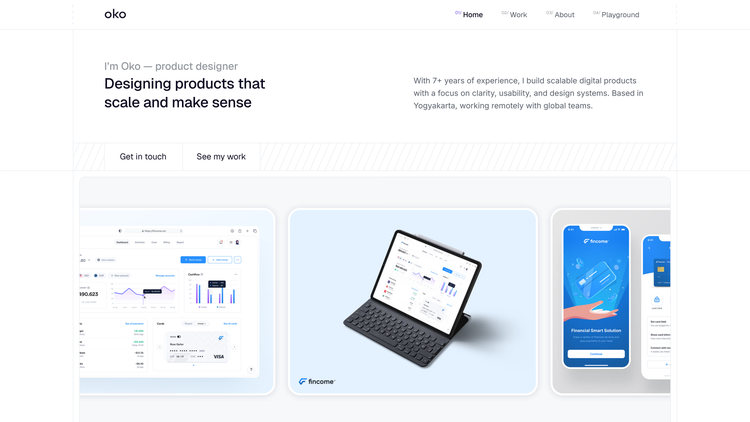
These graphic design portfolio websites show how working designers present their projects, process, and identity online. By studying these portfolio website examples, you’ll see how layout, navigation, and case study structure come together in real-world contexts.
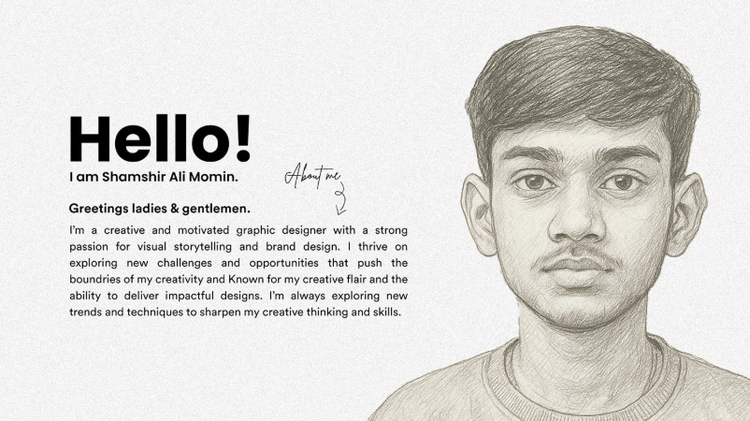
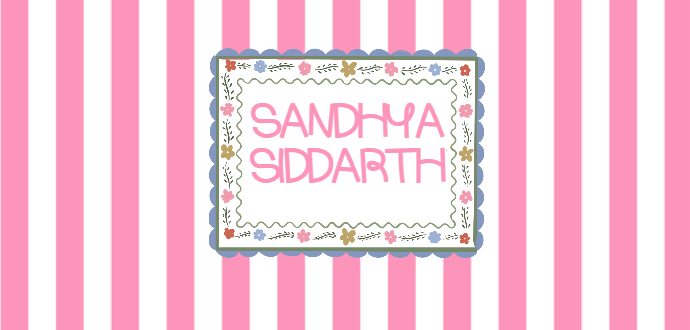
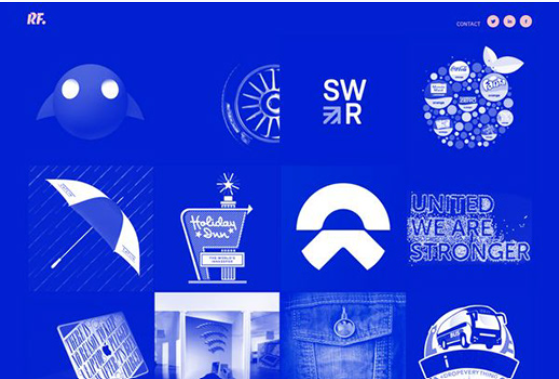
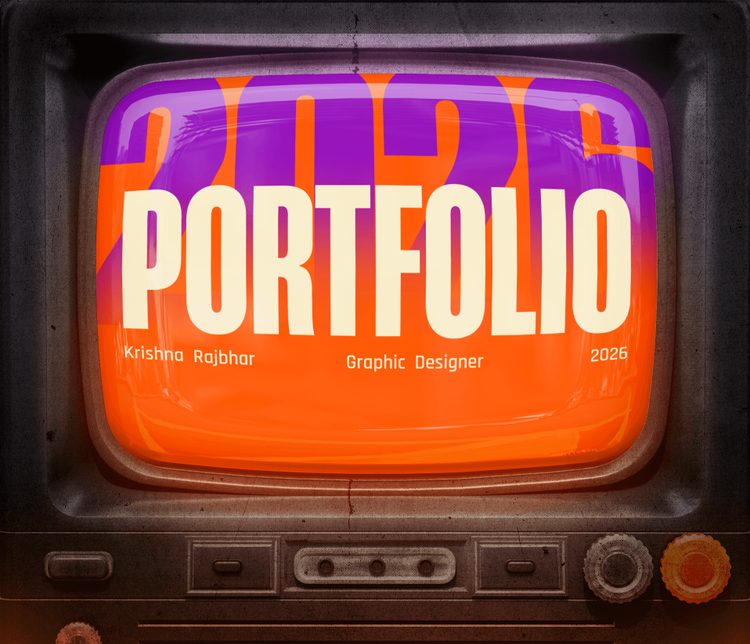
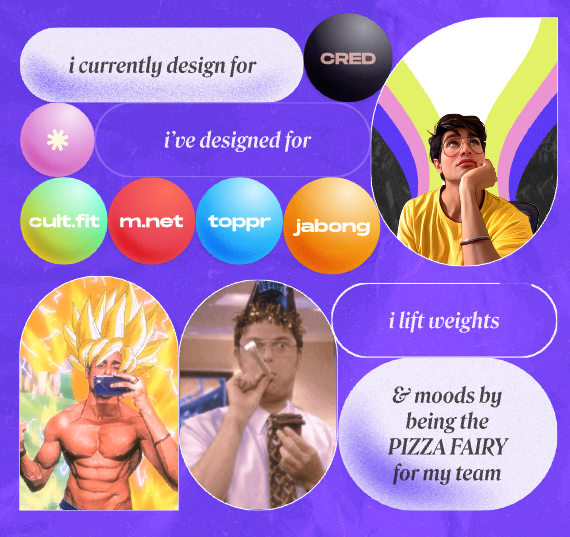
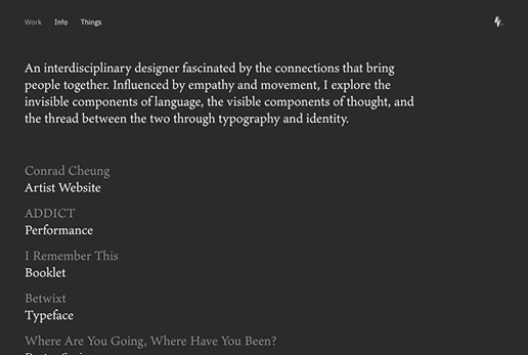
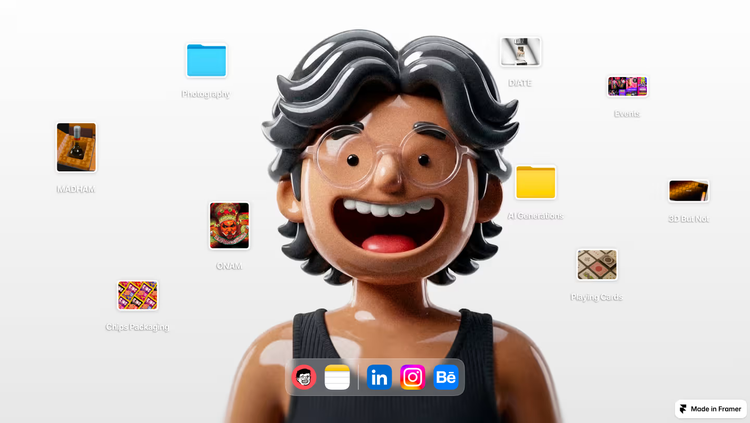
Minimalist portfolios signal clarity, reliability, and expertise, making them a strong fit for corporate roles at companies where clean communication and consistency are valued. For instance, a Behance portfolio using a simple grid and monochrome palette keeps focus entirely on project outcomes, which makes it easy for recruiters to scan critical information quickly.
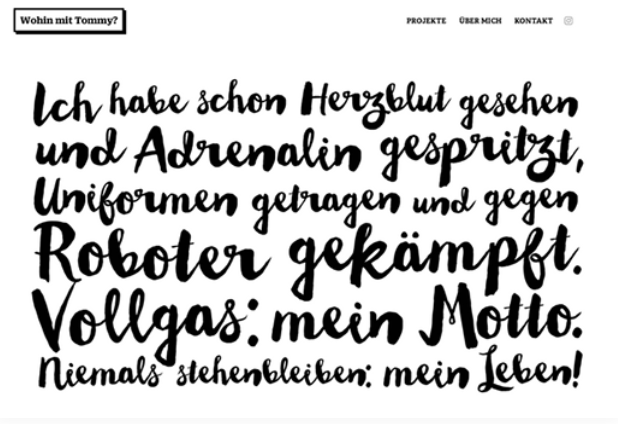
Bold portfolios emphasise personality and creativity, which makes them great for agency roles or freelance work where standing out visually is key. A custom-coded site with unconventional navigation (e.g., scroll-triggered animations or horizontal layouts) captures attention and encourages exploration as compared to a standard one.
Process-driven portfolios highlight problem-solving and structured thinking. This can be done through a Behance project with detailed breakdowns (wireframes, user flows, iterations) to help viewers understand the full design journey or an Adobe Portfolio layout that prioritises step-by-step storytelling to ensure complex projects are easy to follow.
Students and freshers in India can build a strong graphic design portfolio without client work. In fact, many of the most effective student portfolio examples come from self-initiated, academic, or experimental projects that clearly demonstrate thinking, process, and creativity.
Here are strong graphic design portfolio ideas you can use to build meaningful case studies:
Adobe Creative Cloud gives you access to industry-standard apps like Photoshop, Illustrator, InDesign, and Adobe Express: all available at a special discounted rate for students and teachers in India.
Different formats serve different purposes, and reviewing both helps you understand how designers adapt their presentation depending on context: applying for a role, sharing work online, or building a personal brand.
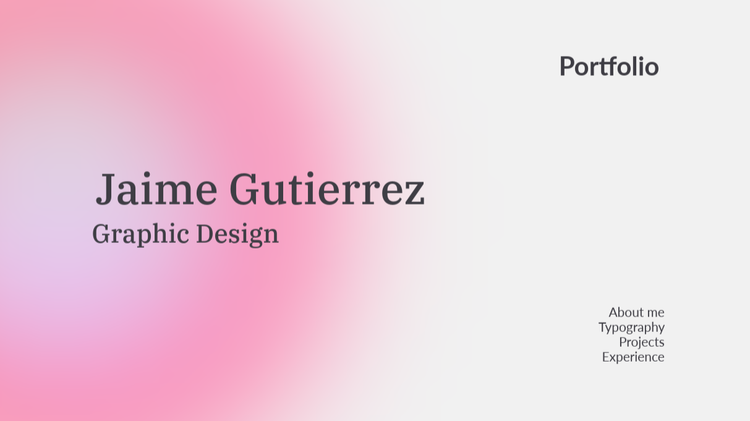
A PDF portfolio is an application-ready format that typically includes a portfolio cover page design, followed by curated projects and short case studies tailored to specific roles. It’s designed to be concise, focused, and easy to share via email, WhatsApp, or online uploads.
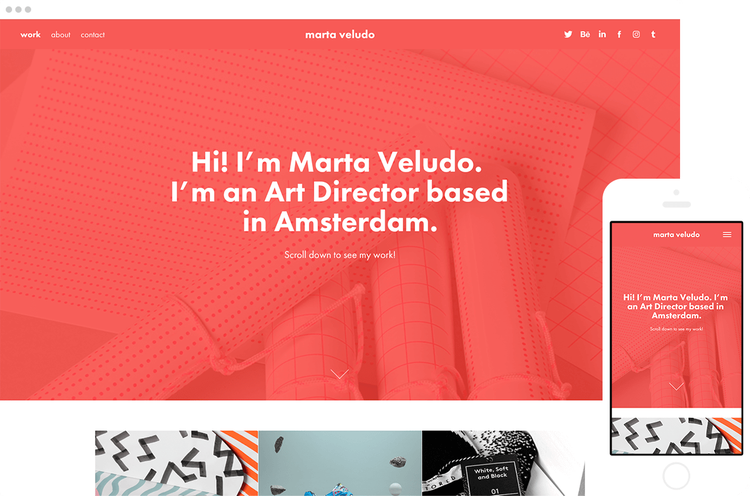
Platform-based portfolios, such as Behance, are designed for visibility and discovery. Compared to PDFs, platform profiles are more dynamic and flexible. You can update projects anytime, embed videos, and reach a wider audience. However, they offer less control over how your work is consumed, since users may not view projects in a specific order.
If you prefer a faster start, using portfolio templates can give you a solid structure to build on before customising it to fit your work. But if you want more flexibility, building your portfolio from scratch gives you full control over structure, storytelling, and visual style. Instead of adapting to a preset layout, you can decide how each project is introduced, how much emphasis is placed on process vs final output, and how your overall narrative flows from one project to the next.
Across different graphic design portfolio formats, types, and styles, certain consistent patterns emerge in portfolios that successfully stand out to recruiters, clients, and admissions panels.
To apply these patterns to your own work, review your portfolio critically against each point and refine it step by step to improve clarity, relevance, and overall presentation.
From project selection and curation to storytelling and layout making, examining real graphic design portfolio examples is a crucial step to understanding what works in practice. The insights you gain will refine your own approach and guide you towards building a portfolio that feels clear, relevant, professional, and unique to yourself.
→ Ready to build your own? Read our complete guide to building a graphic design portfolio.
→ Need a starting point? Browse graphic design portfolio templates.
→ Want a downloadable version? See graphic design portfolio PDF examples.