
Key takeaways
- An AI video generation enables faster content creation and supports high-volume digital workflows.
- Traditional video editing provides detailed, frame-level control for projects requiring precision and narrative depth.
- AI video creation typically involves a software subscription, while traditional production often requires crews, equipment, and higher project budgets.
- Many modern teams combine both approaches to balance speed, scalability, and creative control.
What is AI video generation?
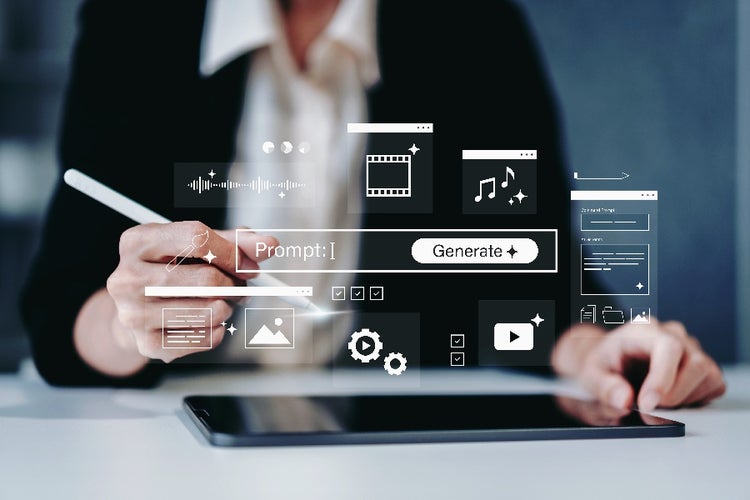
AI video generation refers to the process of creating video content using artificial intelligence models. Instead of capturing footage and editing it manually, creators use text prompts, reference images, or scripts to generate visuals and motion automatically.
With tools like Adobe Firefly, creators can generate scenes, try different styles, and turn ideas into visual drafts quickly.
What is traditional video editing?
Traditional video editing follows a production-led workflow. It typically begins with pre-production planning, followed by filming or sourcing footage, and then manual editing in professional software such as Adobe Premiere.
Editors work directly with timelines, transitions, colour grading, effects, and audio to craft a finished piece. This approach offers detailed, frame-level control and is currently widely used for commercials, documentaries, feature films, and premium branded content.
Difference between AI video generation and traditional video editing.
Speed: From idea to output.
AI video generation can produce usable video drafts in minutes or hours, whereas traditional editing projects often require days, weeks, or even months to complete.
In many AI-driven workflows, creators can input a prompt and receive a visual output almost immediately. Iterations can be generated quickly, which allows teams to test multiple ideas within a single day. This is particularly useful for fast-moving campaigns or short-form digital content.
By comparison, traditional video editing typically involves longer production cycles. Even short videos may require scheduled filming, manual editing, review rounds, and post-production refinement. Larger commercial or narrative projects can extend over several weeks or months before final delivery.
For example, a marketing team might generate background B-roll of a city skyline, animated product shots, or stylised social media clips within minutes. In traditional workflows, capturing similar B-roll would require location planning, filming, and manual editing before it is ready for use.
Cost: Production investment and budget requirements.
AI video generation generally requires a lower overall budget than traditional video production.
The primary expense for AI video generation is software subscription. There are no location rentals, camera equipment, or on-set production teams required. For short-form marketing content or digital campaigns, this can significantly reduce total production spend, particularly when creating multiple variations. This is particularly relevant for assets such as product teasers, promotional B-roll, or quick explainer videos that would otherwise require a filmed shoot.
Traditional video editing projects often include costs related to filming, crew members, lighting, set design, talent, and post-production specialists. Even modest commercial shoots can run into tens of thousands of rupees, while larger campaigns may reach several lakhs depending on scale, duration, and production complexity.
Creative control: Level of precision and direction.
Traditional video editing offers precise, frame-by-frame control, while AI video generation relies on guided input and iterative refinement.
In a traditional editing environment, creators can adjust every detail. They can control transition timing, colour tone, text placement, dialogue pacing, and layered visual effects. This level of precision is essential when working with strict brand guidelines, regulated industries, or cinematic storytelling that requires deliberate control over every frame.
AI video generation approaches control differently. Creators guide the output through prompts or references, and the system generates visuals accordingly. AI-powered video editors also allow further adjustments after generation. However, the workflow often starts with automation rather than manual timeline editing.
For instance, a television commercial may require exact pacing between dialogue and visuals, carefully timed transitions, or colour grading that matches a brand’s established look. These details are typically managed directly within a timeline-based editing environment.
Scalability: Producing content at volume.
AI video generation supports high-volume content creation more efficiently, whereas traditional editing requires proportionally more time and resources as output increases.
Once a visual direction is established in an AI workflow, additional versions can be created by adjusting prompts, formats, or messaging inputs. Variations for different platforms, languages, or audience segments can be generated without reshooting footage or rebuilding a project timeline. A single product launch video, for example, could be adapted into shorter social clips, vertical mobile formats, regional language versions, or platform-specific cutdowns without rebuilding the entire production. This makes it practical to produce multiple assets within shorter timelines.
In a traditional production environment, scaling output often means repeating parts of the workflow. New versions may require additional editing sessions, revised graphics, updated voiceovers, or extended approval rounds. As the number of deliverables increases, so does the demand on people, timelines, and budget.
Choosing the right approach for your video goals.
The right approach depends on what you are trying to achieve, whether that is producing content at scale or crafting a highly controlled visual narrative.
When speed and flexibility are essential, AI video generation supports rapid content creation. Teams can test ideas, adapt messaging for different audiences, and create platform-specific variations without rebuilding the workflow from scratch. This makes it well suited to social media campaigns, product updates, and digital-first content.
When a project requires deliberate pacing, precise visual composition, and refined sound design, traditional editing remains important. Brand films, broadcast advertising, documentaries, and long-form storytelling often rely on manual editing tools to ensure every detail aligns with creative intent and brand standards.
Video workflows are evolving.
Video creation is expanding, not shifting from one method to another. AI-driven generation introduces new levels of speed and scale, while traditional editing continues to define precision and storytelling depth.
As content demands grow across platforms and audiences, modern workflows increasingly combine both approaches. By understanding their strengths, teams can build video strategies that are both efficient and creatively robust.
Frequently asked questions.
You may also like