Adobe Firefly
Use everyday language to create extraordinary results with generative AI.
Artificial intelligence is changing the way we play and create video games. From smarter characters and adaptive gameplay to AI-generated worlds and assets, AI is enhancing both the creativity of developers and the immersion of players. In this article, we explore how AI is shaping modern gaming and what it means for the future of interactive entertainment.
AI in gaming refers to the use of artificial intelligence to create intelligent non-player characters, adaptive gameplay, or even fully generated content. It can make NPCs behave realistically, respond dynamically, and provide challenges that adjust to player decisions.
Historically, AI in games appeared in tactical decision-making, such as in classic RPGs like Dragon Quest IV. Today, AI extends far beyond simple mechanics, powering procedural generation, enhancing narrative interactions, and assisting developers in designing complex virtual worlds.
AI enables characters in games to act and react in realistic ways. From responding to player choices in conversations to navigating environments intelligently, NPCs feel more alive and interactive.
Procedural generation powered by AI allows for the creation of vast game worlds, characters, textures, and even in-game assets. Some tools let players describe or generate their own games, opening new doors for creativity.
AI is transforming the way developers create games:
AI improves gameplay and immersion in many ways:
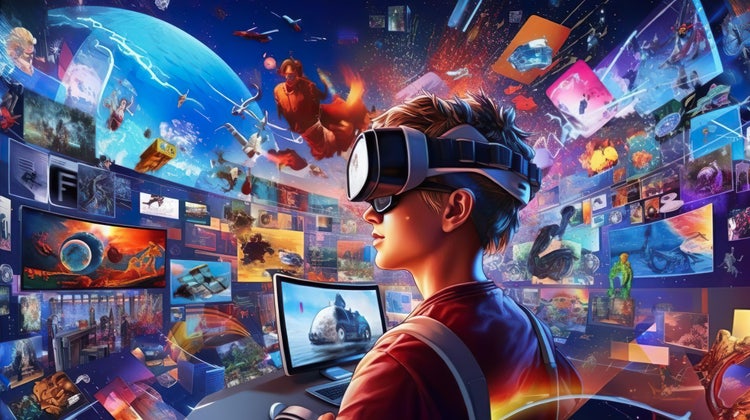
AI is set to become a co-creator in gaming. Players may generate characters or entire worlds, or collaborate with AI to design unique experiences. Beyond traditional screens, AI could expand into VR, AR, and massive procedurally generated universes.
As AI becomes more integrated, developers and players will need to consider ethical questions. How much control should AI have over gameplay? How do we ensure fair play and maintain creative ownership?
AI is transforming video games by creating smarter characters, adaptive gameplay, and immersive AI-generated worlds. Developers and players alike benefit from these innovations, with tools that foster creativity and innovation at every level.
As technology continues to evolve, AI will open new possibilities in gaming, making experiences more engaging, dynamic, and imaginative than ever before. The future of interactive entertainment is intelligent, responsive, and limited only by imagination.
Generative AI is quickly becoming a vital tool for artists. Read on to learn about what generative AI art is, how to create it and how you can use it in your practice.
Surrealism, Cubism, Impressionism — find out how to create images in these and other art styles with generative AI.
With the right text prompt and a little bit of know-how, architects can use generative AI to explore, ideate and elevate their vision.
Learn how to write effective prompts for generative AI to get amazing results for graphic design.
Based on your location, we think you may prefer the United States website, where you'll get regional content, offerings, and pricing.
