.

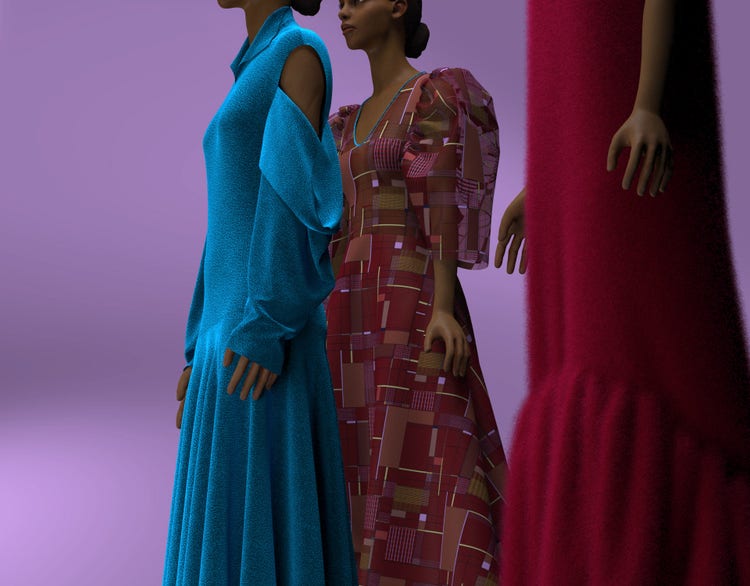
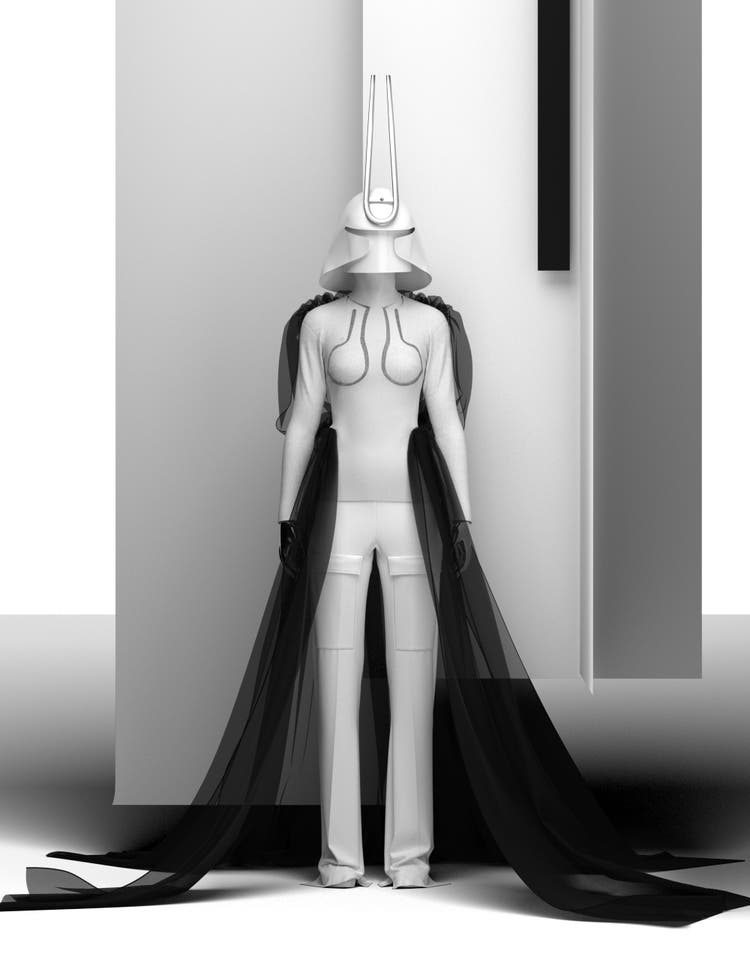
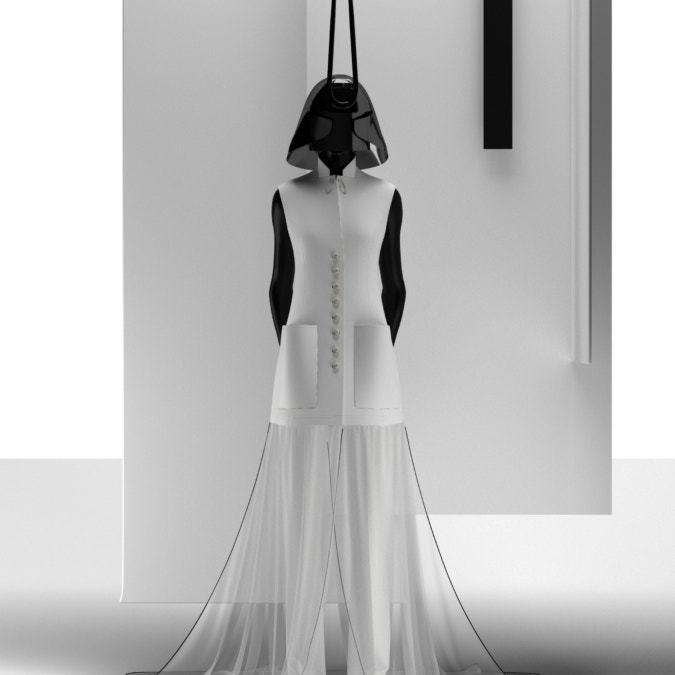
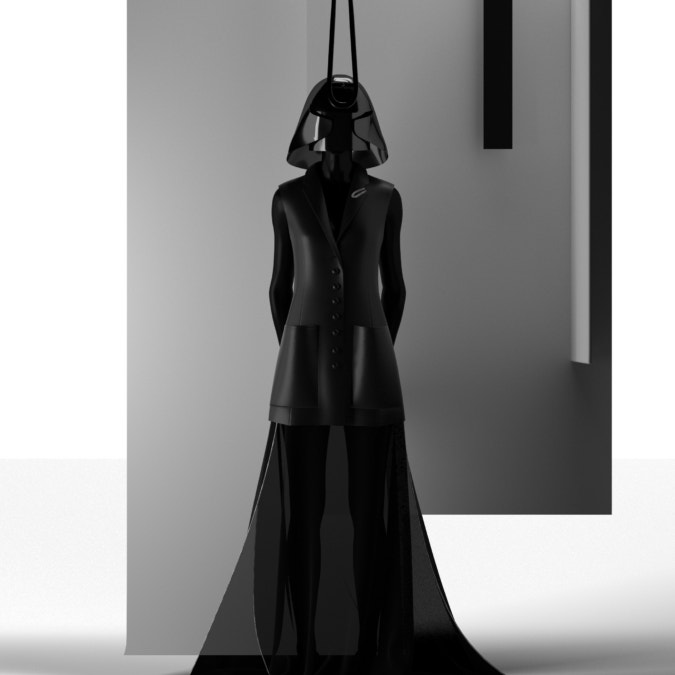
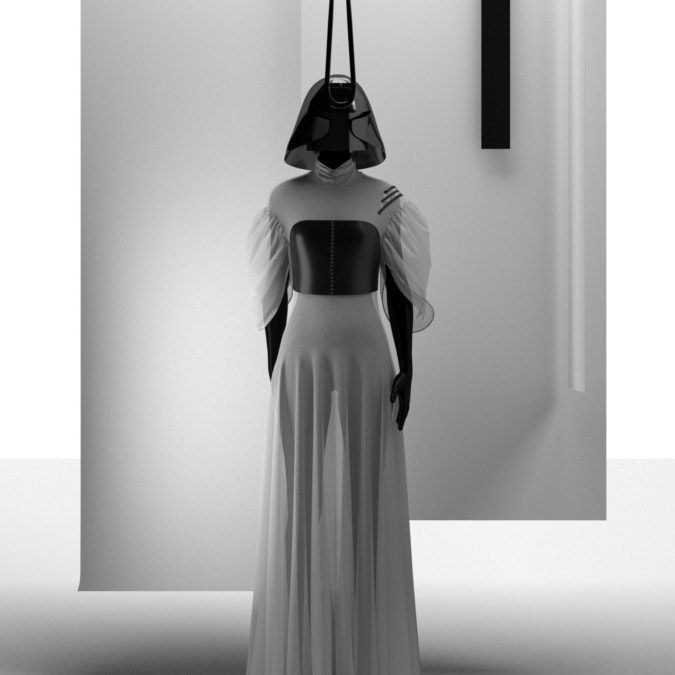
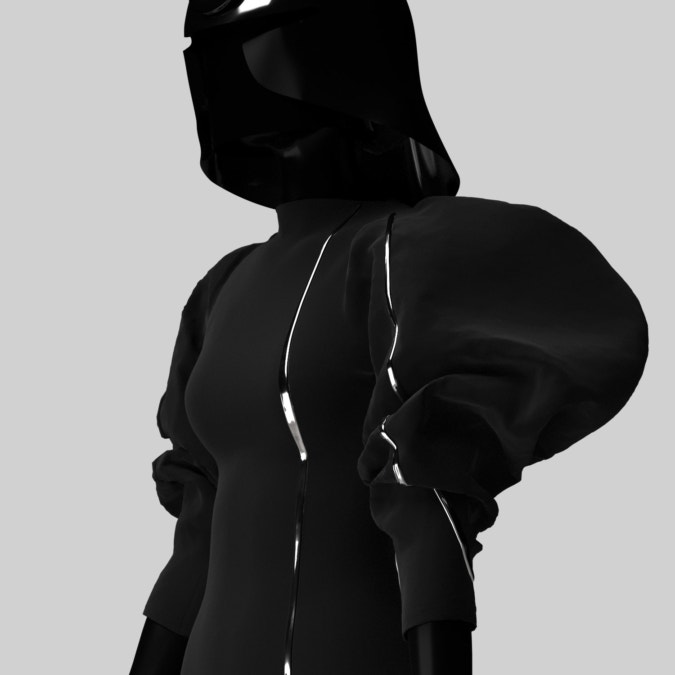
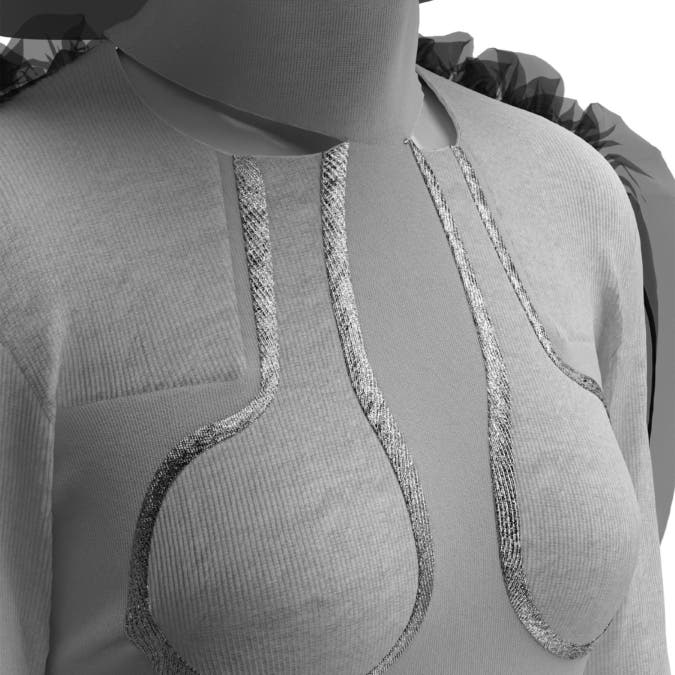
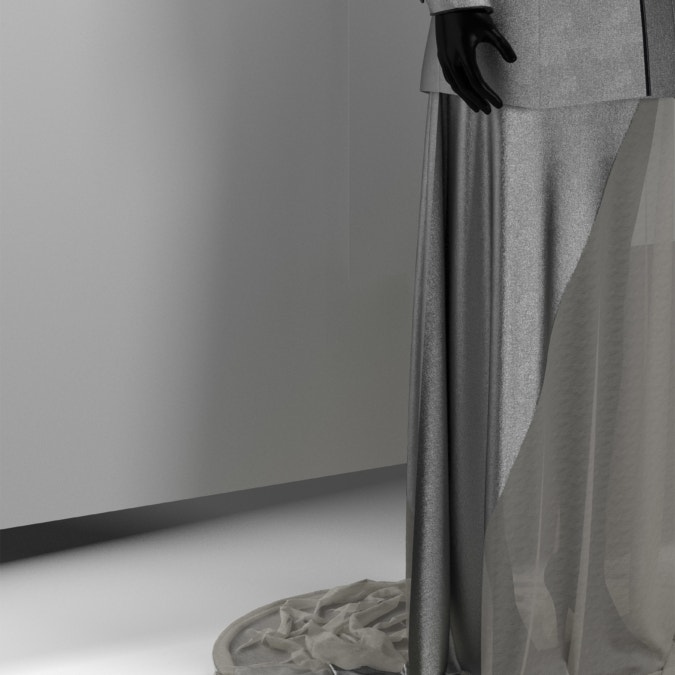
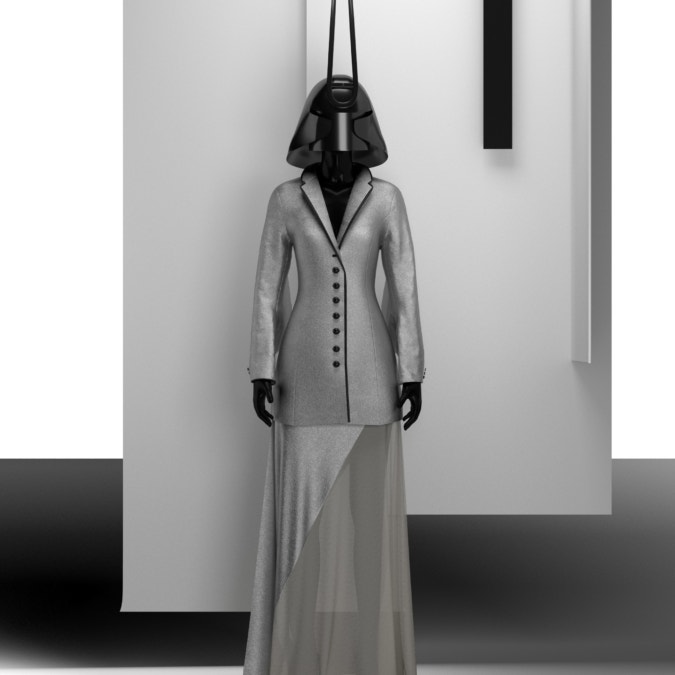
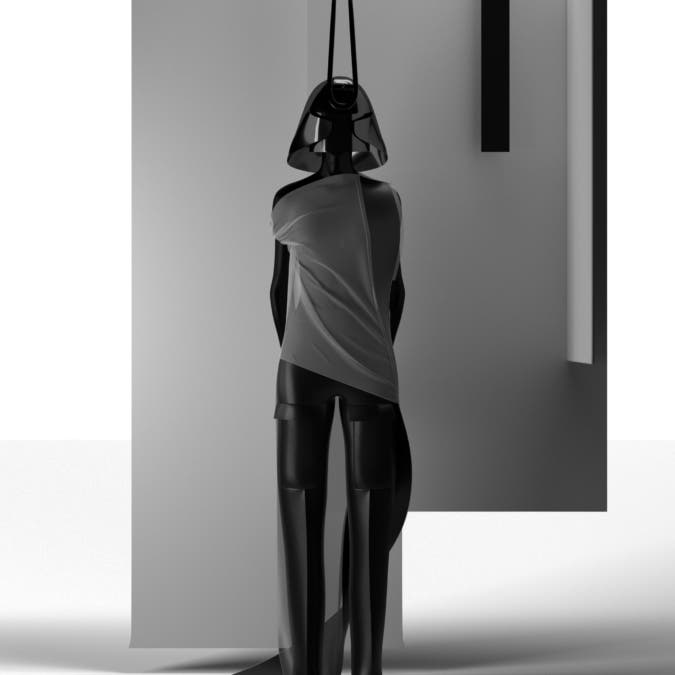
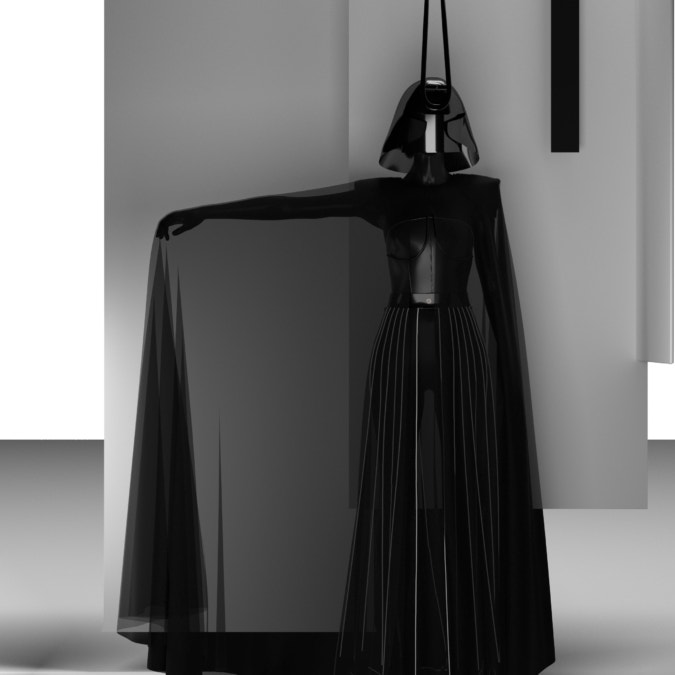
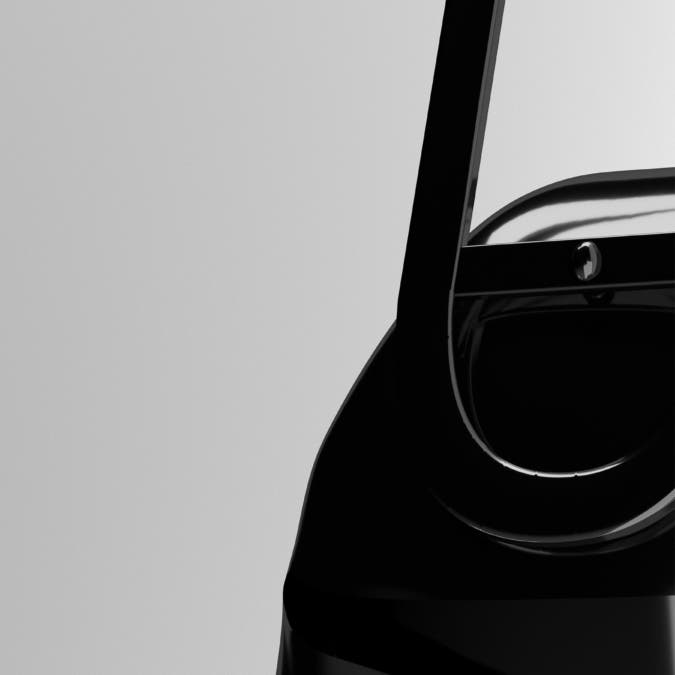
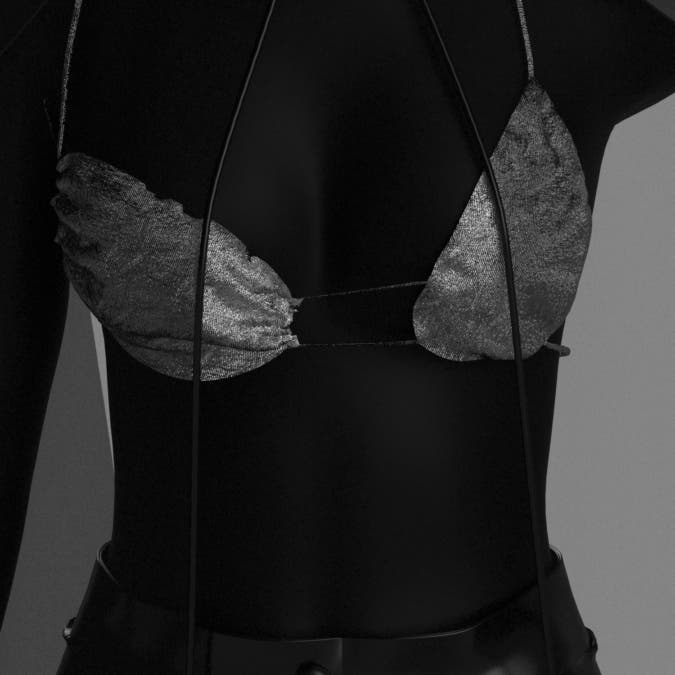
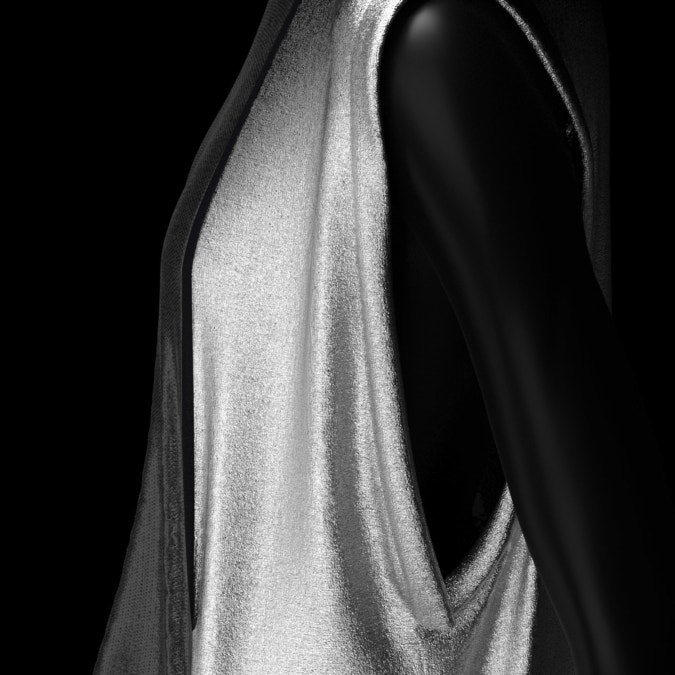
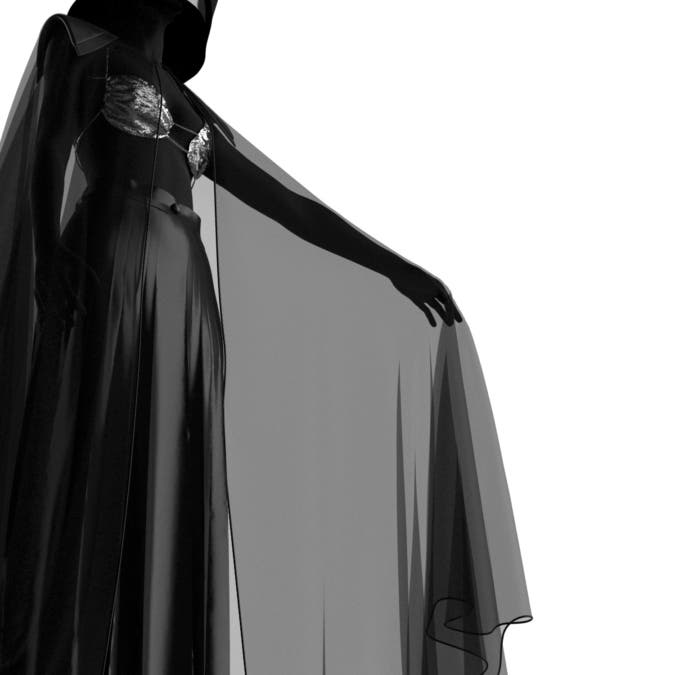
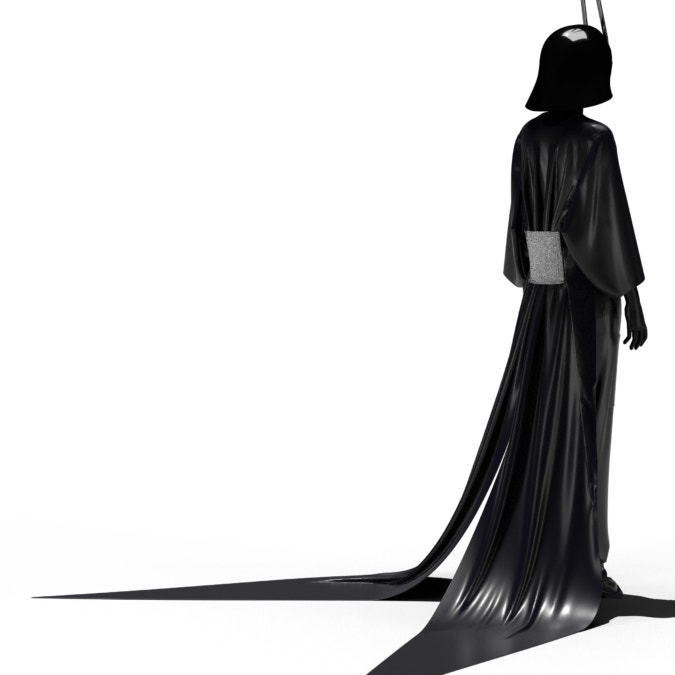
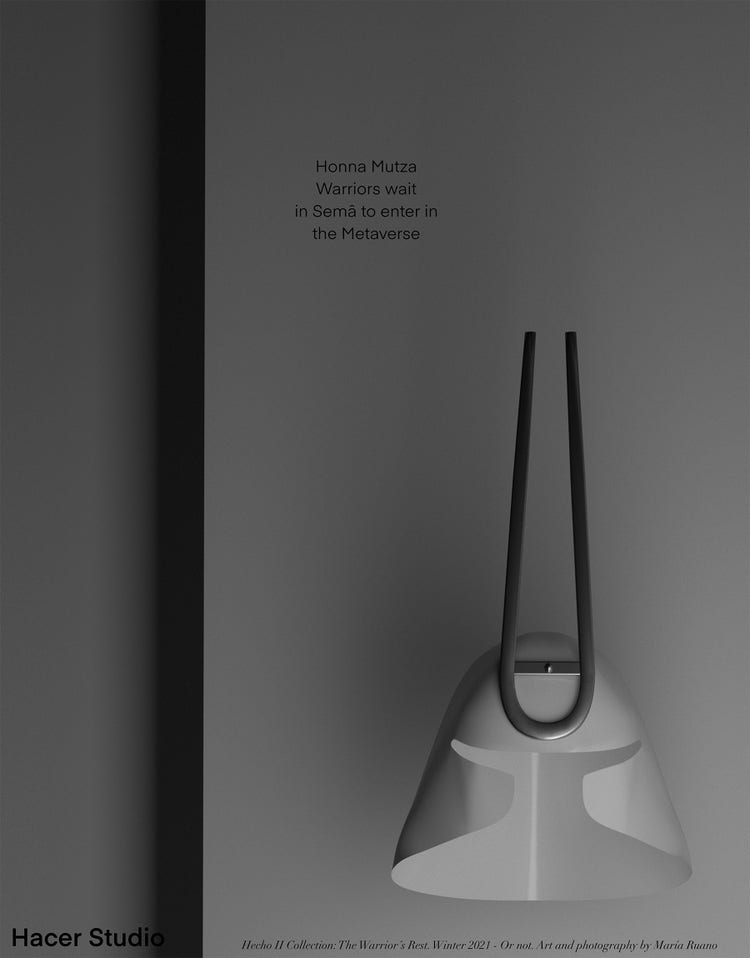
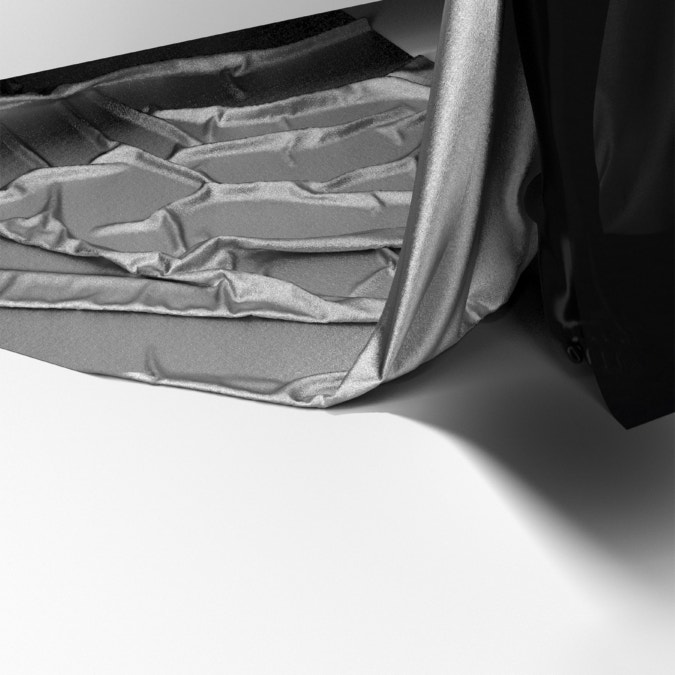
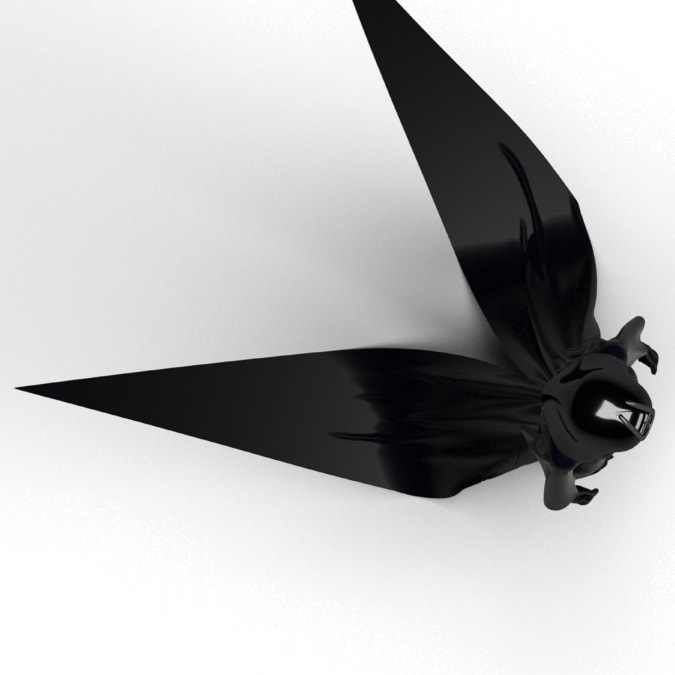
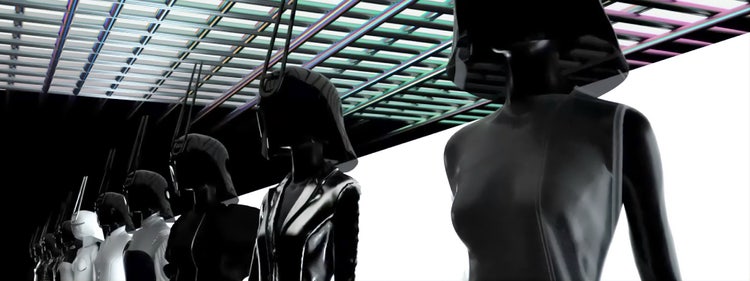
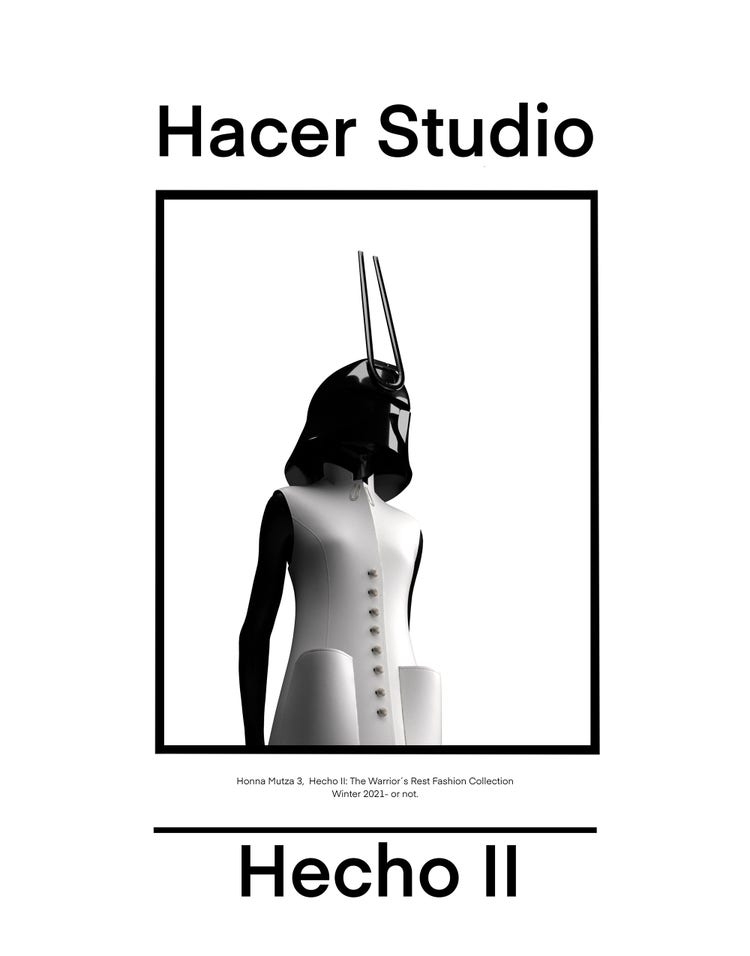
María Ruano is the founder and Creative Director of Hacer Studio, an independent fashion studio notable for its focus on 3D fashion design, and its excellence in transferring these virtual designs into physical creations. María recently took the time to detail the second part of her HECHO collection, HECHO II: The Warrior’s Rest.

Environment and motion graphics: Gabriel Ramirez. Video editing: Javier Paradinas.

Hacer Studio

‘Hacer’ means ‘to do’, or ‘to make’. I realized some time ago that ‘Hacer’ is what excites me – doing, making, sewing, designing, generating concepts, making collages, making garments in 3D, cooking. That sense of action, everywhere, is ‘Hacer’. Later, when I founded my studio, ‘Hacer’ was the natural name for it.

HECHO I, and the Genesis of Design

For me, the concepts usually have a base that starts from the analog, the artisan, the artistic. These are the main sensations; I usually draw inspiration from paying attention to my senses – for example, the previous collection, HECHO I, arose from contemplating a photo by Wolfgang Tillmans which featured carnations; it evoked sensations of grunge, and reminded me of carnations from my childhood. I began to extract colors, and I made a palette with watercolor; I photographed that palette, and from there I digitized the colors, and began to develop patterns that, when materialized, were evocative of the essence of the Bauhaus.

HECHO means ‘fact’ – a thing that is true, and/or a thing that is real, and concrete. It typified the style of working that I had in mind; I began the project the same day that this idea came to me.
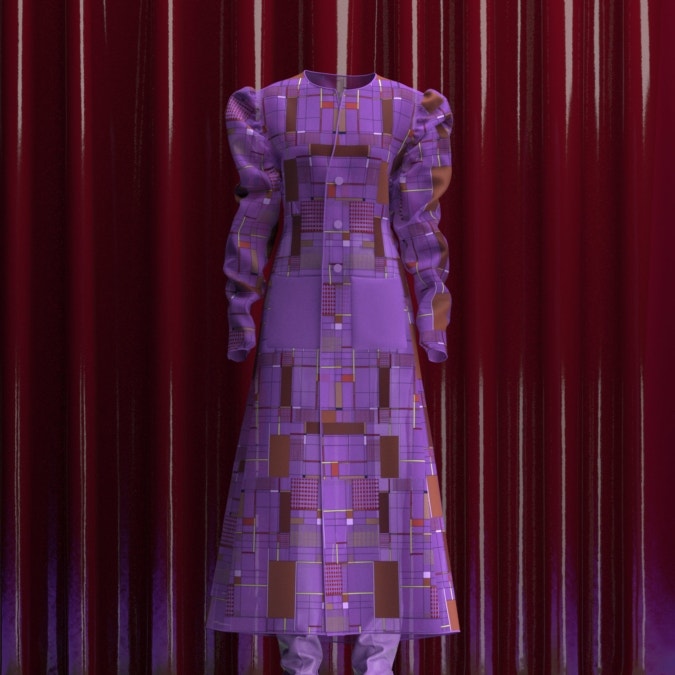
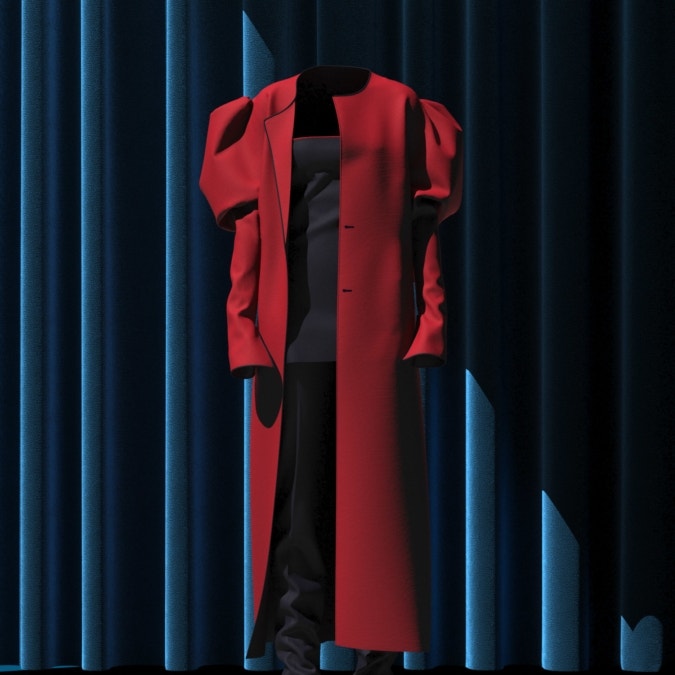
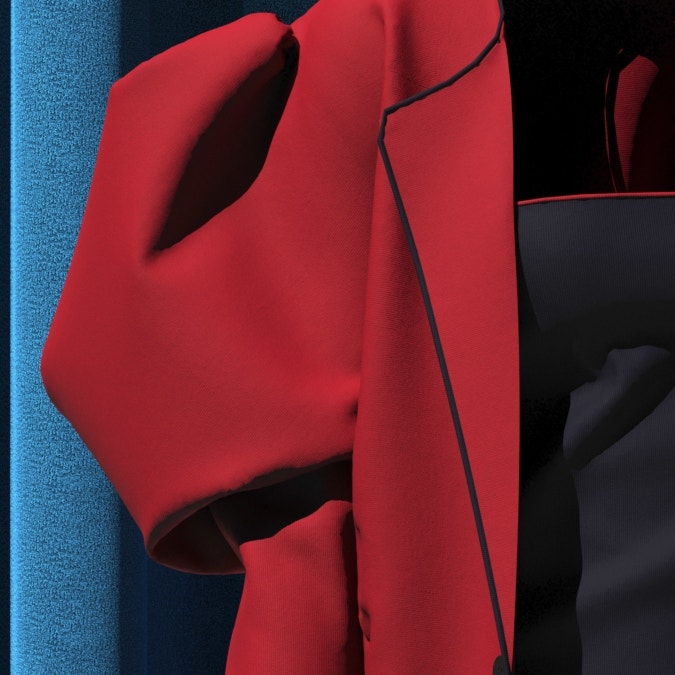
Garments from the HECHO I collection.

From here I wanted to find a harmonious contrast, and this led me to plastics and velvets. I took sculptural references that merge with patterns that are always references for me, such as Worth and Balenciaga and I created scarves to complement these patterns. My grandmother used to wear scarves when I was a child; here, I dressed my virtual models in these scarves in the same way that my grandmother would wear them (I am a romantic). And this is how I play, to create my collections; for me, fashion is a very serious game – but it is still a game. My collections don’t usually have a theme; I tend to talk about them as sensations materialized in clothes, or in features of a culture.
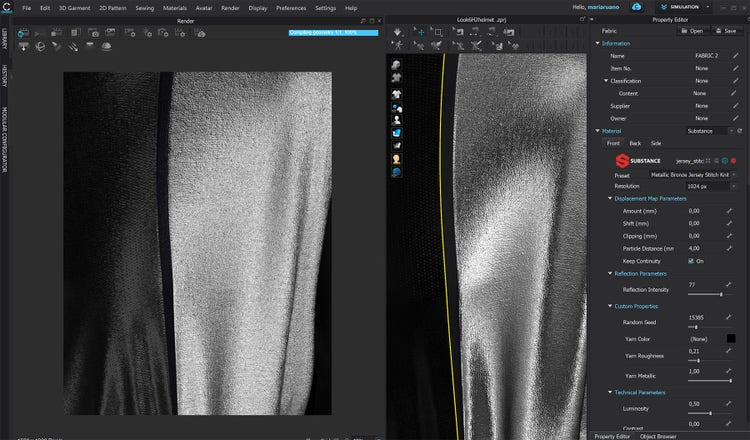
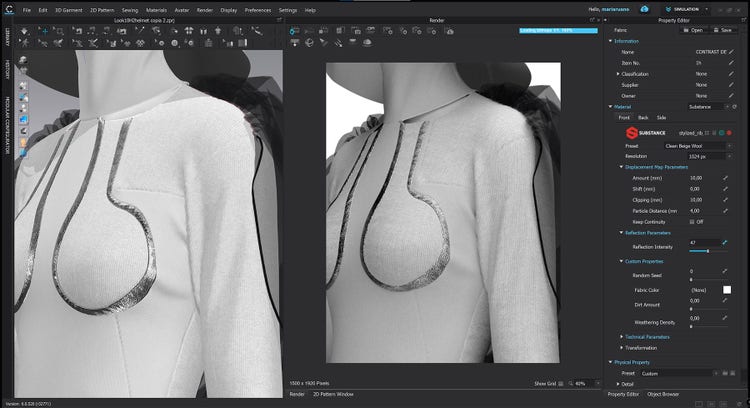
When HECHO began to take shape, I wanted to propose the first three HECHO collections as an evolutionary trilogy. HECHO I would be completely digital; HECHO II would be digital, and combined with the Hitos/Milestones collaborations; HECHO III will be include both digital and physical garments.
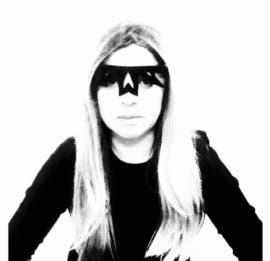
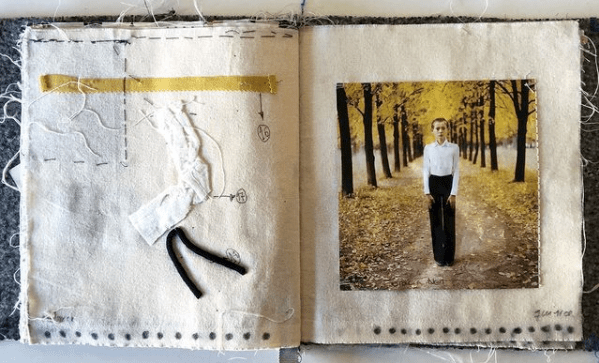
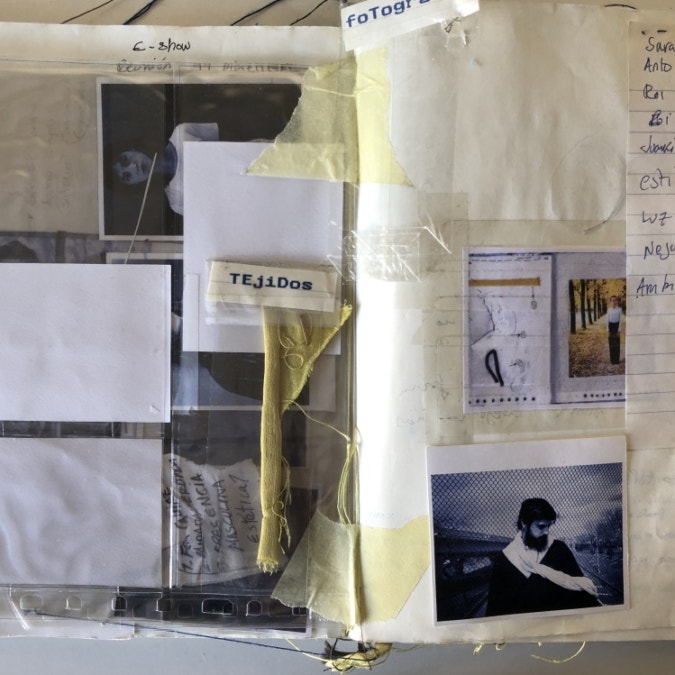
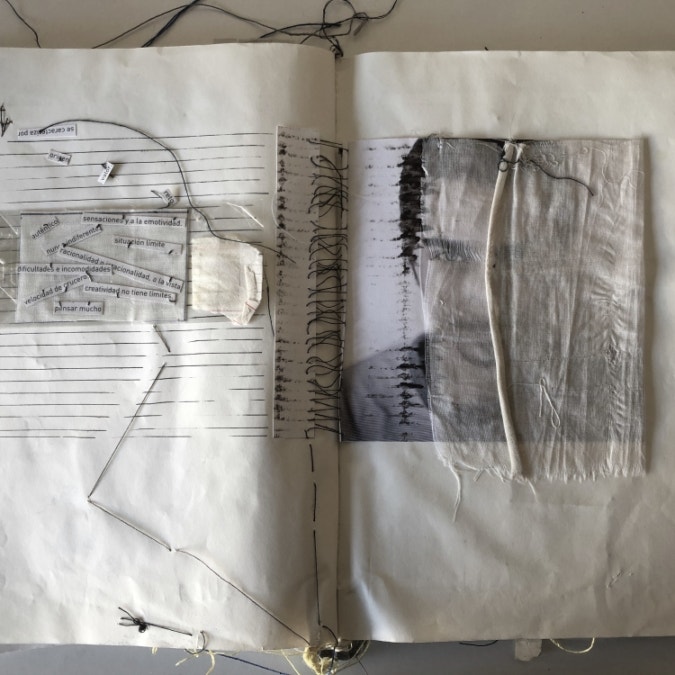
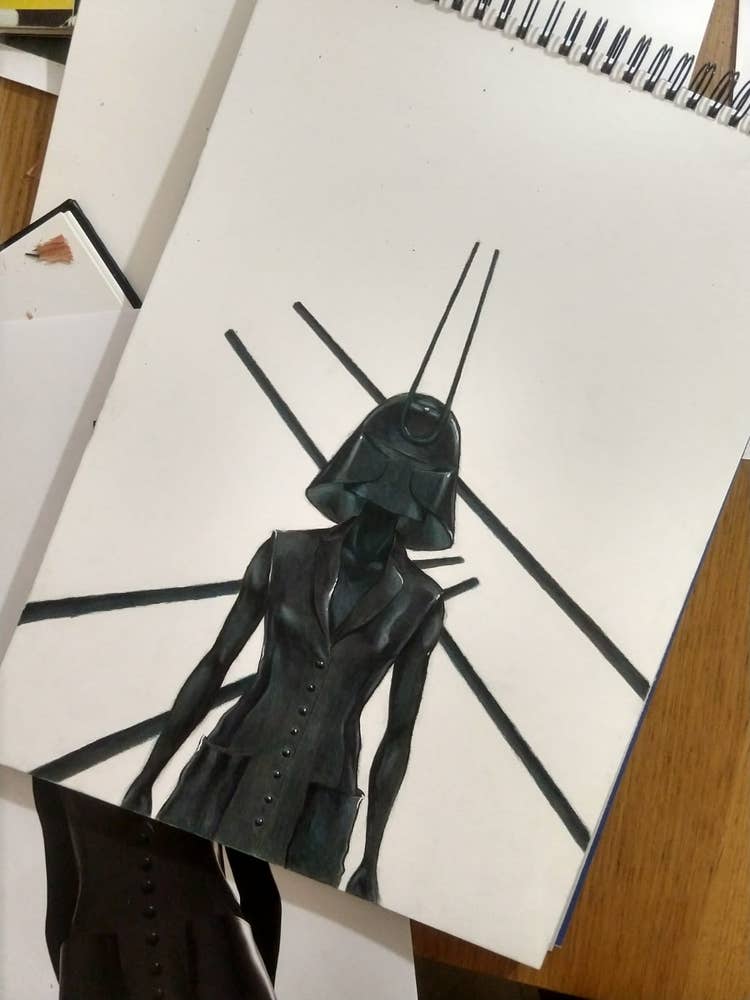
Artwork by María Ruano

Blending the Conventional and the Virtual

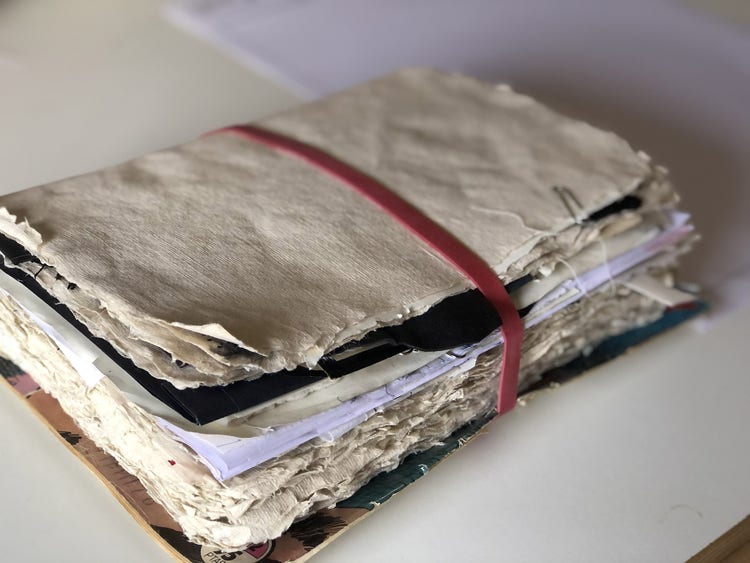
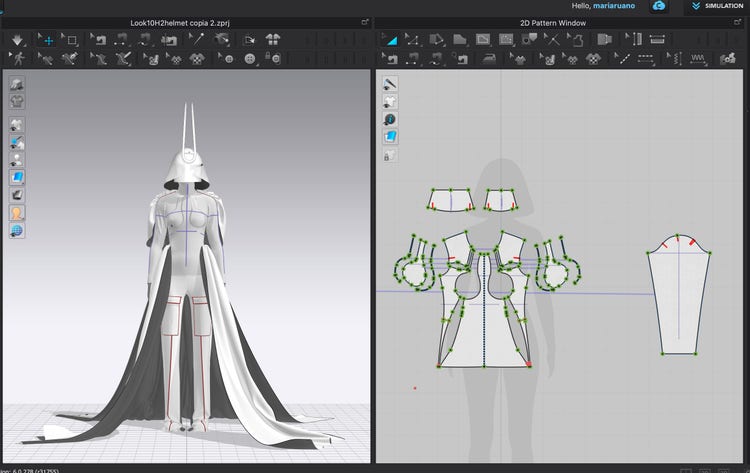
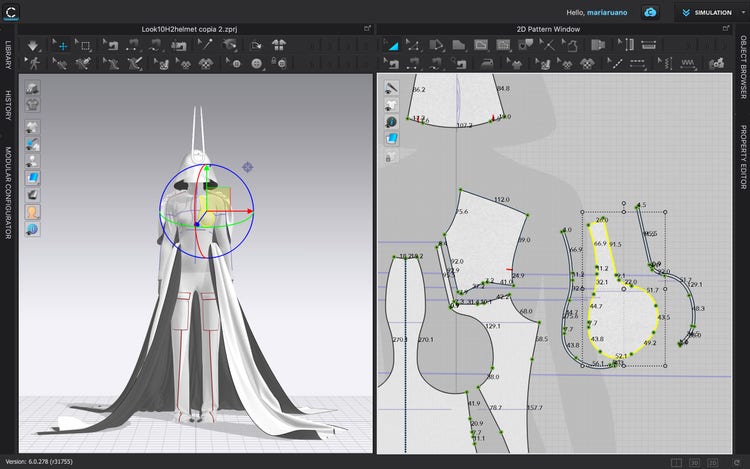
For me, touching fabrics and materials, and building and sewing with my own hands, is almost like breathing. It’s a necessity. My first contact with fashion was sewing, and for me all the love I feel for fashion stems from this. I usually start working with toiles with the moulage technique, marking thread, against thread and bias. Like this, I generate forms that start from the characteristics of the fabric (sometimes they are garments that come from Clo). Once part of the form is ready, I create a pattern, and with this we have a base to create more garments.
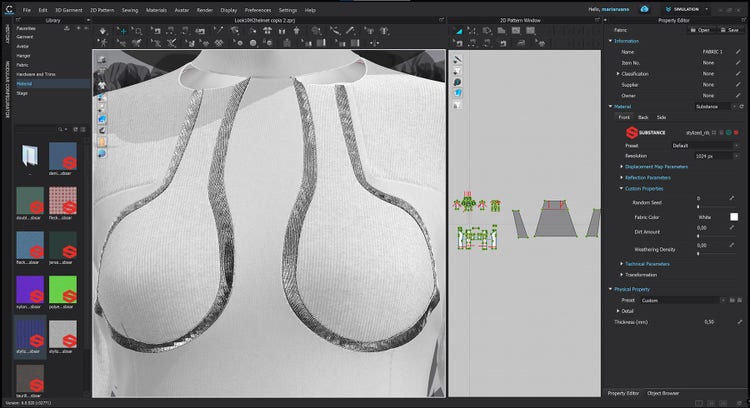
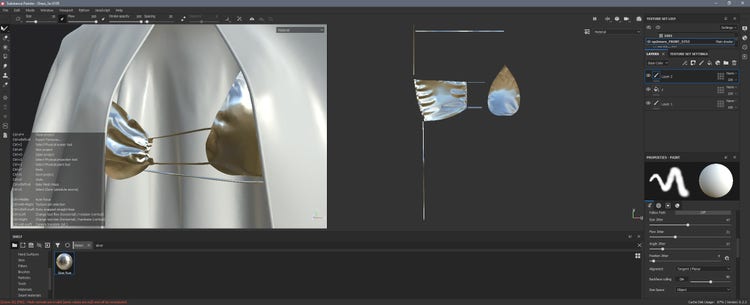
The wonderful thing about working in 3D, with tools such as Clo, is that you can recreate this base in 3D and see its variations in minutes; you get to see possibilities and discards without wasting fabric. In the case of large companies, this is an even bigger advantage because you create communication systems between creative and technical teams that potentially transmit information much more clearly than by using conventional methods. It also reduces the need for materials for prototypes or unending samples that are ultimately never produced, as well as the cost and time necessary to ship these samples and prototypes.

A Necessary Evolution

I think that the use of 3D in fashion still has some distance to go before the tools, and the level of experience of those who use them, reaches the quality already established in other areas of design processes, such as in the automotive sector.

My own feeling is that teams that include fashion designers, pattern makers, buyers, and marketing personnel need to start using 3D tools as part of the fashion creation and manufacturing process. This will optimize communication, and create an overall process that is less expensive and more sustainable. Yes, it can be tedious to implement new tools – for independent designers, and particularly for teams working within very large brands – but it isn’t impossible.

In any case, this change of working habits will likely evolve and develop naturally.

Meet María Ruano

In 2010 María submitted the thesis for her Fashion Design degree to a competition for young designers organized by Vogue Italia; she won the competition and subsequently, with the support of Franca Sozzani (Fashion Editor Vogue Italia) and the Aeffe group (Alberta Ferretti) produced her first collection, focusing on personal garments and sustainability. She thereafter spent six years as Brand Director at Amarras; in parallel, she presented a paper on sustainability in fashion at a UNESCO Chairs congress, in 2011.

Since then, she has worked on a freelance basis for brands in the areas of consulting, art direction, and fashion production development (casual, sport, and workwear). She currently runs her own design studio, Hacer Studio, and she teaches Art Direction at the IDEM Institute of Styling and Fashion in Madrid, as well as design and production processes at the Istituto Europeo di Design (IED), also in Madrid.