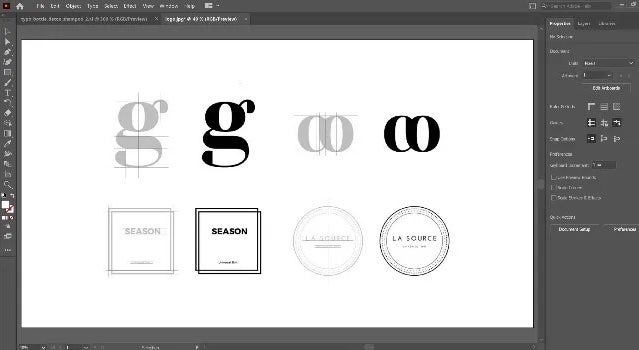
The process includes designing patterns in Illustrator and then using these patterns in the texturing process for a full 3D line of cosmetics packaging.
#1E1E1E
https://main--cc--adobecom.aem.live/creativecloud/img/icons/painter.svg | Painter
Jul. 22, 2021, by Colton Mehlhoff
From Substance to 3D Printed Packaging Prototypes
Helping product designers test CMF prototypes throughout the entire design process
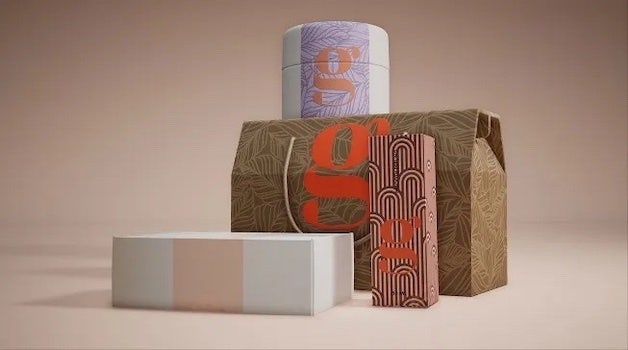
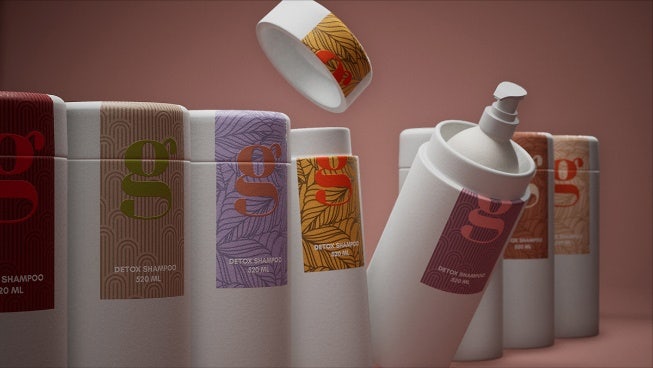
Parametric Monotype’ is a video dedicated to cosmetics packaging, created by the Substance 3D team to demonstrate how 3D tools can complement 2D designs.
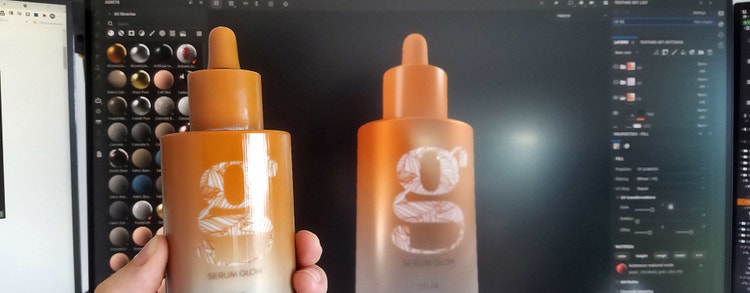
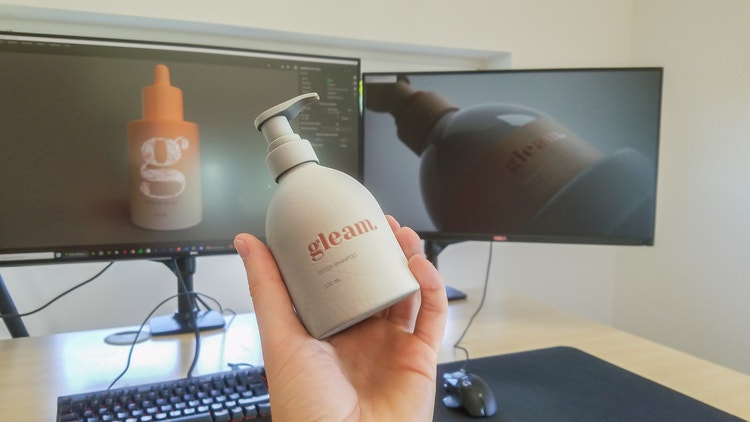
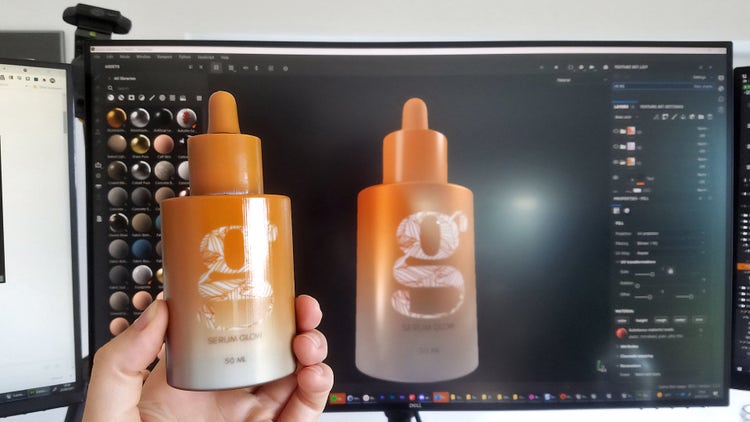
Wanting to take these packaging designs to the next level, our team at Stratasys offered to demonstrate how product designers and engineers could turn photorealistic, digital 3D images into real-life 3D printed models using the J55 3D printer. This is something that hasn’t been done previously, as the capabilities of both Substance and Stratasys 3D printers have been developed independently from each other. But now, for the first time, we’re able to bring these two worlds together and print exactly what’s on screen.
Making CMF prototyping more accessible
In the past, creating full color material finish (CMF) models was only feasible as a last step in the design process, if included at all. This is because traditional prototyping methods as well as outsourcing created cost and time barriers that impacted time to market — which is not ideal in the fast-paced world of consumer product packaging and merchandising. But without a CMF prototype, it’s difficult to properly evaluate a packaging design’s appeal to consumers before it hits shelves, which can be risky. That’s why we created the J55 3D printer — so product designers and engineers could test CMF prototypes throughout the entire design process without cost or time setbacks.
J55
The J55 is an in-house 3D printer that can produce more than 500,000 distinguishable color combinations and provide multi-material capabilities that bring even the most imaginative ideas to life — enabling CMF prototypes to be introduced weeks earlier than any traditional methods have allowed. The J55 is also a PANTONE Validated 3D printer, which means you can improve the color fidelity of your prototypes by matching Stratasys CMYK colors to more than 1,900 printable PANTONE colors.
Creating packaging models that look and feel like the real thing is also possible using PolyJet materials that simulate organic textures and surface finishes. Producing these realistic prototypes allows you to correct mistakes and verify designs more efficiently, leading to quicker decisions and a faster time to market. Plus, prototypes and parts printed on the J55 require little to no post-processing, which reduces any manual design labor and makes processes run smoother.
“In the case of consumer packaged goods, the combination of Stratasys 3D printing technology to Adobe Substance 3D Painter (3D painting) and Adobe Illustrator (2D vector graphics) is a true game changer to mix form and graphics together. The possibilities in terms of colors, pattern and a real step up in terms of surface texture resolution allows designer to take design decisions early in the process. Fabricating high resolution physical twins of pre-concepts in 3D that early will open new fields for creativity for designers as well as reducing project overall costs and timelines.”
Nicolas Paulhac, former CMF Designer and Head of Content Creation at Adobe 3D
Bringing packaging designs to life
Before getting started on our first 3D printed prototype, we needed to obtain Substance’s product packaging files. Here are three textured models in Substance 3D Painter.
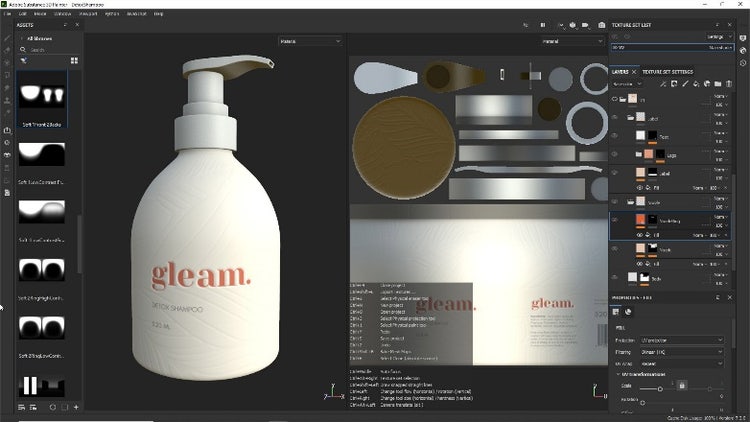
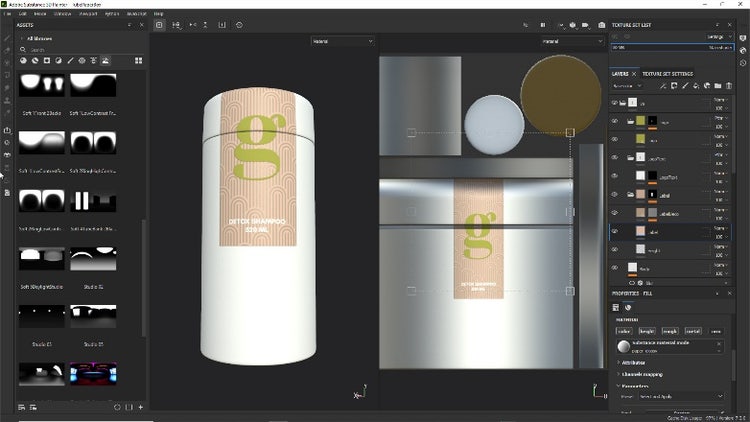
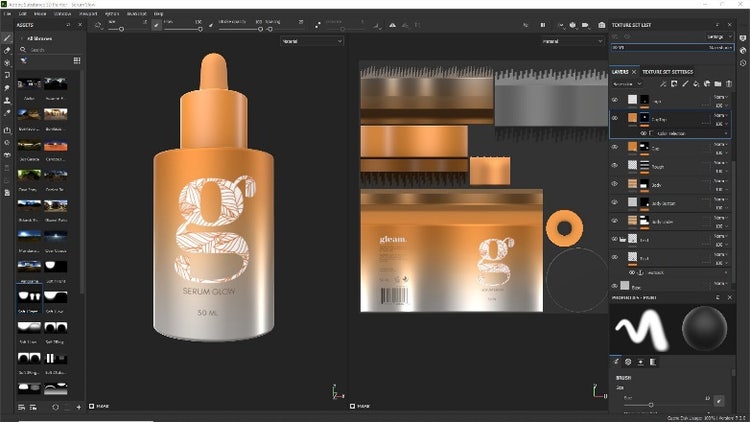
Once received, we discovered that Painter does not export the geometry and texture in a file format that can be used for 3D printing. Ideally, we would save the designs in a 3MF file format, which is a single file containing all the data required for manufacturing including geometry, units and textures. In this case, we exported the OBJ and textures separately. Then using a simple text editor, the two were linked together to make a printable file.
When we showed the results to Substance, the response was overwhelming. “We feel a little bit emotional as it is the very first time we get to see this watch in the physical world, which is every industrial designer’s dream,” said Pierre Maheut, Head of Strategic Initiatives & Partnerships.
Like previously mentioned, 3D printing prototypes in the design phase means product designers and engineers can test how the end user (or consumer) may interact with the product, how the product dispenses in a vending machine or how well it catches the eye when sitting on a shelf. This process is iterative, and many variations of the designs may be explored before landing on the final design. To help you understand the exact process of turning Substance designs to 3D prints, we’ll take you through an example that includes the same product with multiple color profiles.
How to turn Substance designs into 3D prints
1. Export the geometry as an OBJ file
First, we exported the geometry as an OBJ file by going to File > Export Mesh. An OBJ file stores a collection of triangles, which compose an object. Each triangle has an X, Y and Z coordinate for each vertex in addition to a U and V for each coordinate. XYZ describes where the triangle is in space. Easy. The U and V describe where that triangle is in the “UV Map.” A “UV Map” describes how the 2D textures are applied to this three-dimensional part.
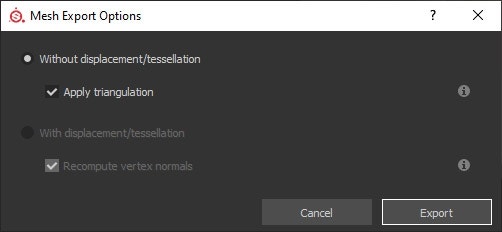
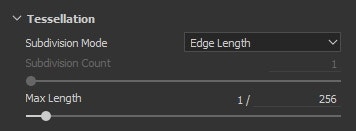
Tangent: This model is not using displacement. If your model has the option to export with displacement, your print will include the physical texture. It will also produce a larger file. To keep the detail and a reasonable file size, change the shader tessellation settings to use an edge length of 1/256 or less.
2. Grab textures from Substance
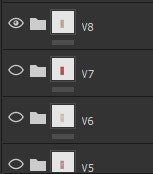
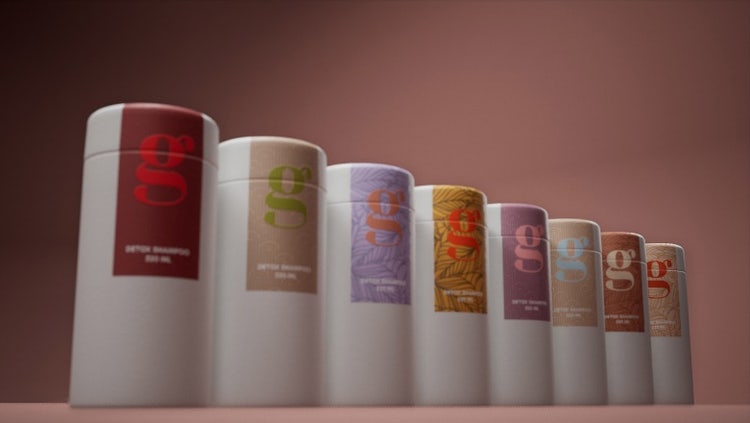
After that, we grabbed our textures from Substance. The file we were working with had eight color schemes, which were all conveniently saved in one Substance project. We could hide and show folders to see each one individually.
We exported a single texture with the environment reflections baked in to have our printed part look like what we saw on screen. This made it important for us to choose an environment in Substance that was like the environment in which we would be placing our 3D printed part. The environment Soft 1LowContrastFront 2Backs was a good fit for this. You can also make an environment map from a 360-degree image to get the lighting perfect but that was not required for this studio setup.
Here is the standard Panorama environment compared to Soft 1LowContrastFront 2Backs.
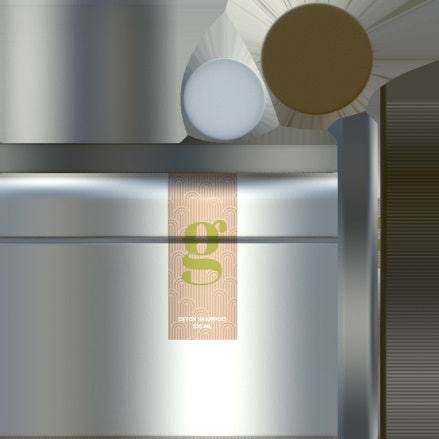
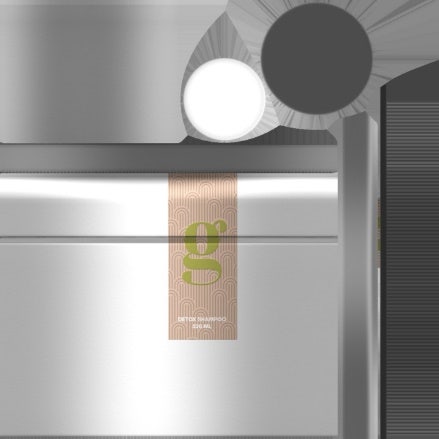
With one color scheme showing, we selected File > Export Textures and chose 2D View as our export template. This gave us exactly what we saw in the UV map as one image, which was ideal because it provided the material specularity in the color map. This way, the printed material would look more like the designed material and less like acrylic. It’s also best to select the size based on each texture set’s size to avoid resolution loss.

3. Edit the OBJ to include the texture files
Finally, we need to edit the OBJ to include the texture files. This can be done using any text editor like Notepad.
Currently, the MTL file is specifying a color for the material. This is “kd”.
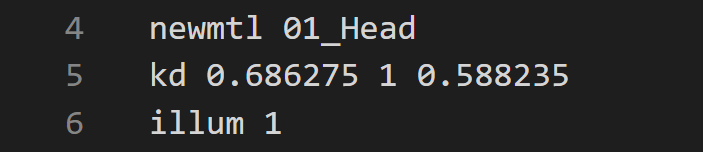
We can change it to be the texture using map_Kd like this. Use the name of the texture you exported. The texture needs to be saved in the same folder as your .obj and .mtl. If your part has multiple materials, change each material in the .mtl file. Then save.
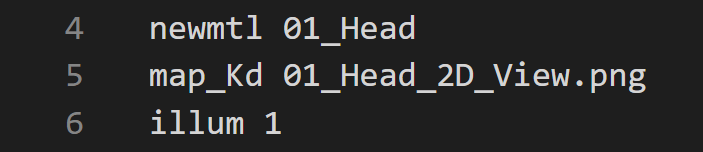
Now each .obj file is ready for printing.
4. Prep for Printing
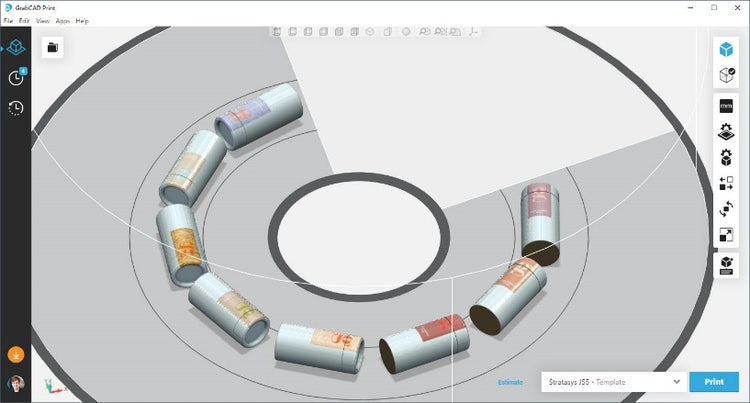
In GrabCAD Print, we arranged the parts in a single row for quick printing. We printed in gloss to minimize post processing and the parts were arranged with the front facing up so that it would be the glossy surface. All in all, the print took less than three hours.
5. Post-Printing
When the print was complete, we removed the support with a water jet and let the parts dry. Then the prototypes were ready for staging.
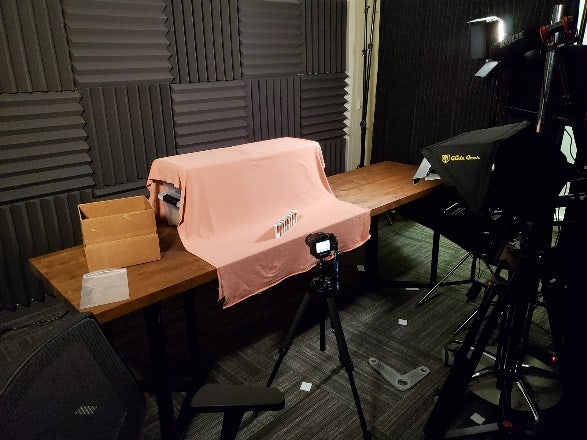
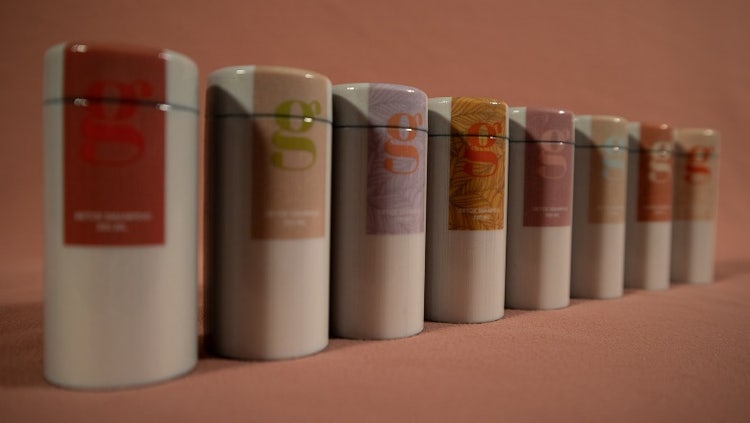
For reference, here is the same scene from the highlights video.
Final thoughts
Looking at the results, nothing can compare to the feeling of watching your designs come to life. There’s also a lot of value in being able to hold, test and validate your design concepts before they’re out in the world and on store shelves — something that once couldn’t be achieved without endless design time and budgets. But now with the multi-material capabilities of the J55 3D printer, anything is possible.
If you’re interested in learning more about 3D printing for product designs, you can visit stratasys.com. And if you want to try out 3D printed modeling before purchasing your own 3D printer, you can print on demand through Stratasys Direct®.
ContentType
Article
CardImage
CardImageAltText
3D Printed Packaging Prototypes
Details
Jul. 22 2021, by Colton Mehlhoff
Title
3D Printed Packaging Prototypes
Description
Substance 3D tools help product designers test CMF prototypes throughout the entire design process. Learn more about Substance 3D printed packaging design.