Nov. 30, 2021, by the Adobe Substance 3D Assets team
Substance 3D Assets in Automotive
Your color and trim library with over 900 materials and models.


Nov. 30, 2021, by the Adobe Substance 3D Assets team
Your color and trim library with over 900 materials and models.
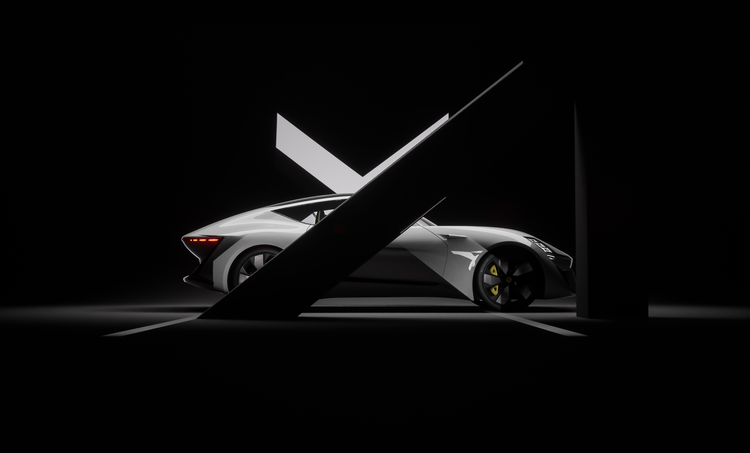
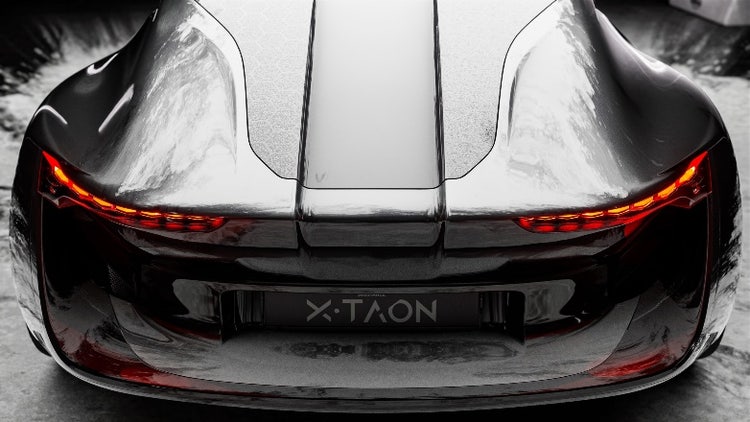
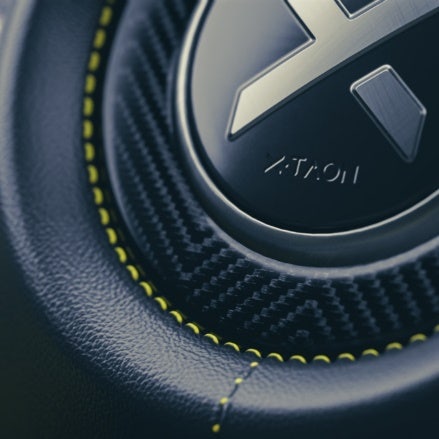
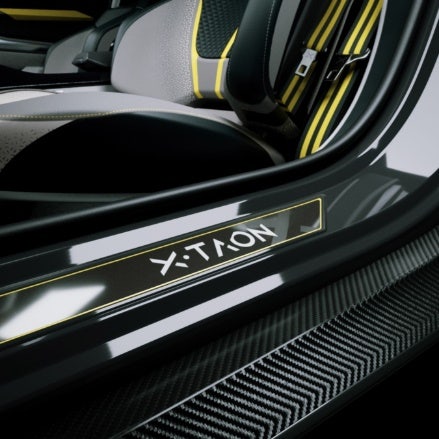
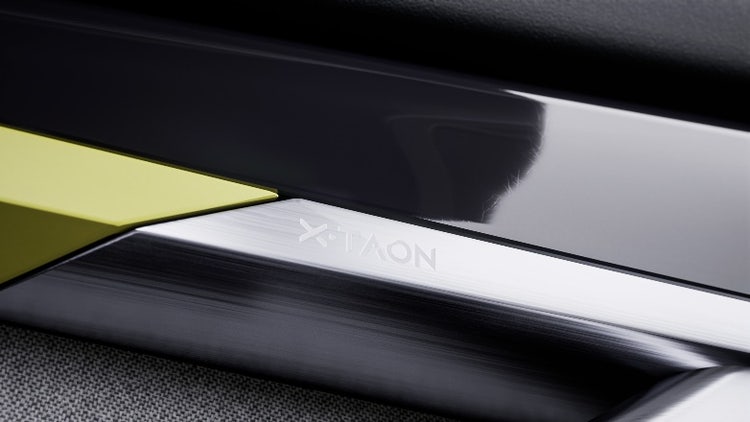
In 2018, we created a car. We worked with a team of the highest-level automotive designers – for exterior design, Frédéric Gasson and creator of the GT by Citroen, Takumi Yamamoto; for interior design, Arthur Coudert and Maxime Daguet – and tasked them with creating a car that would be a work of art in its own right, as well as a showcase for the astounding texturing results that could be achieved with the Substance toolset.
The result was the X-TAON, a 3D show car of a truly exceptional standard. Thrilled with what we’d created, we released it into the wild, and ran a competition inviting Substance 3D Painter users to texture the car. The results were extraordinary.
Today, we’re revisiting the X-TAON. 3D Artist Ronan Mahon has been working with our Content team to bring it into 2022 with an updated palette of colors and materials. We feel the result is awesome; we’re confident that you will too.
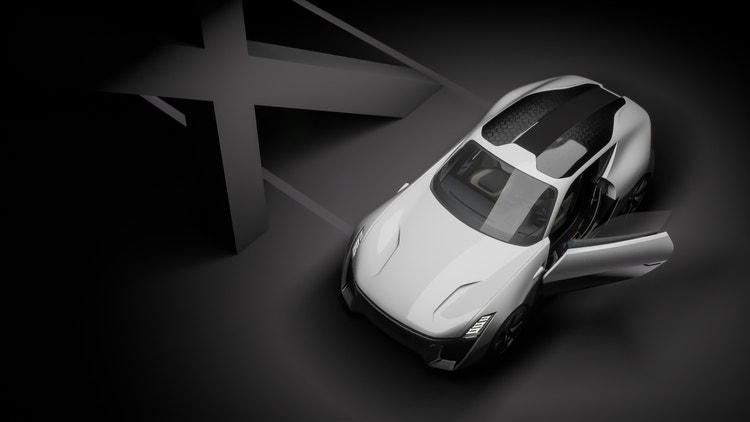
This collection is intended as a resource for professional use, in areas such as:
Let’s look at some of the highlights of this huge collections of assets.
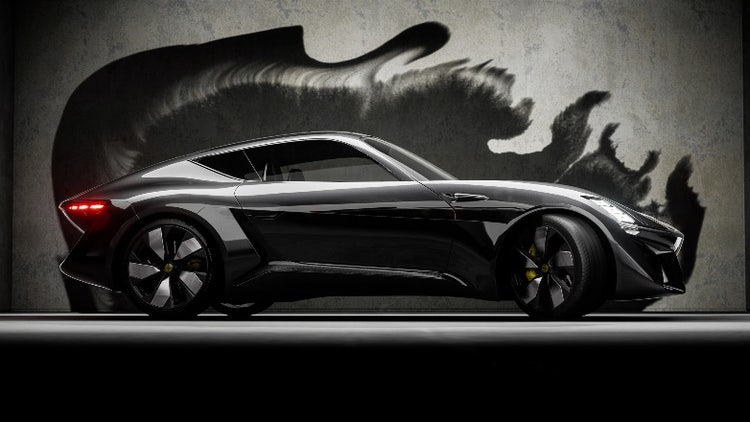
In providing automotive-themed assets, the precision of the collection of car paints has always been a particular area of focus – after all, paint covers almost every part of the car’s body, and so accurate paint materials are an absolute necessity. Used for both protection and decoration, water-based acrylic paint is applied in layers, with a total thickness of around 100µm (0.1mm).
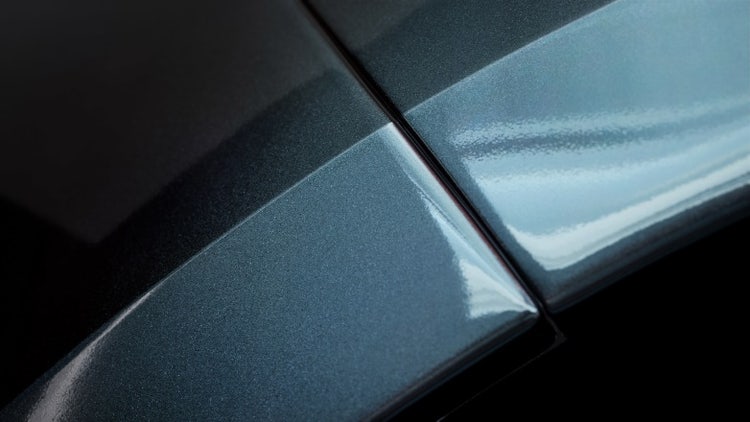
The Substance 3D Assets collection contains 4 main categories of car paint, with control over parameters such as basecoat metallic flakes, size, orientation, color, and shape. You can even change patterns! These four families of paints are:
You can also use materials combining paints to stamp patterns and grilles. These materials, which complement the basic paints, can help avoid the modeling of complex patterns on some body parts, such as scoops, air intakes, and fenders.
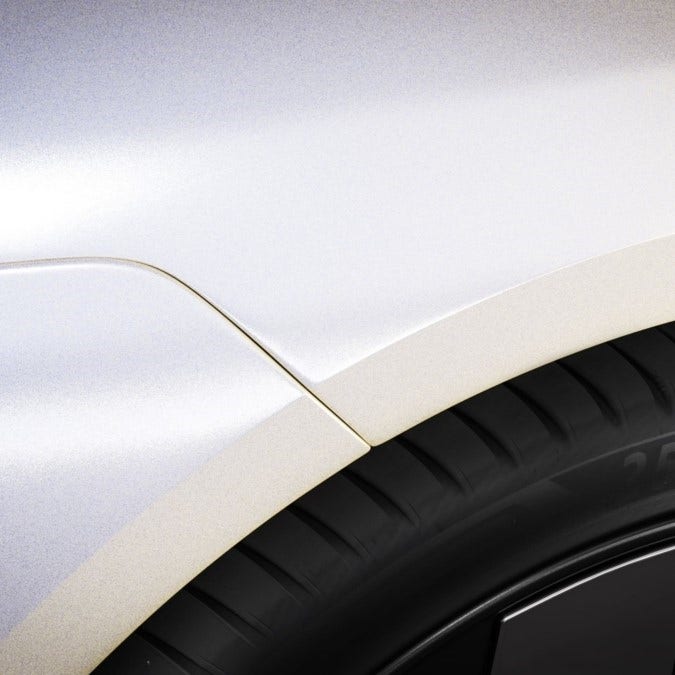
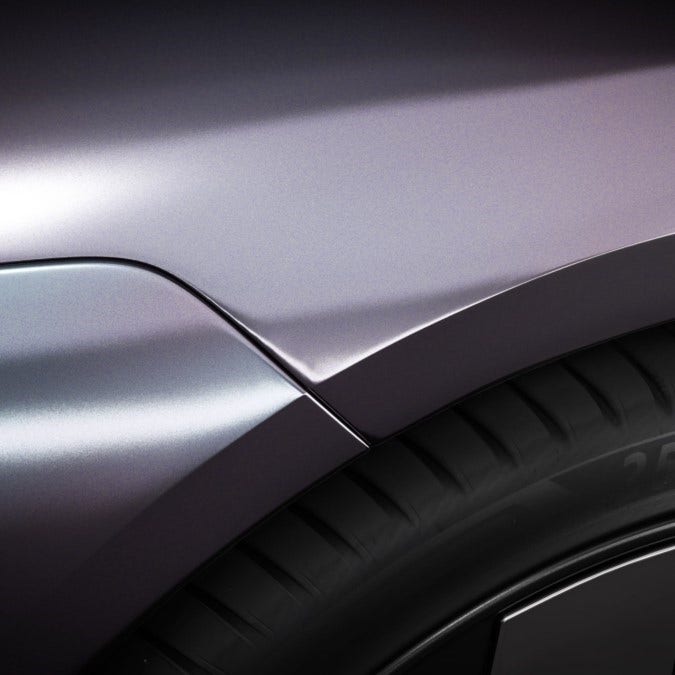
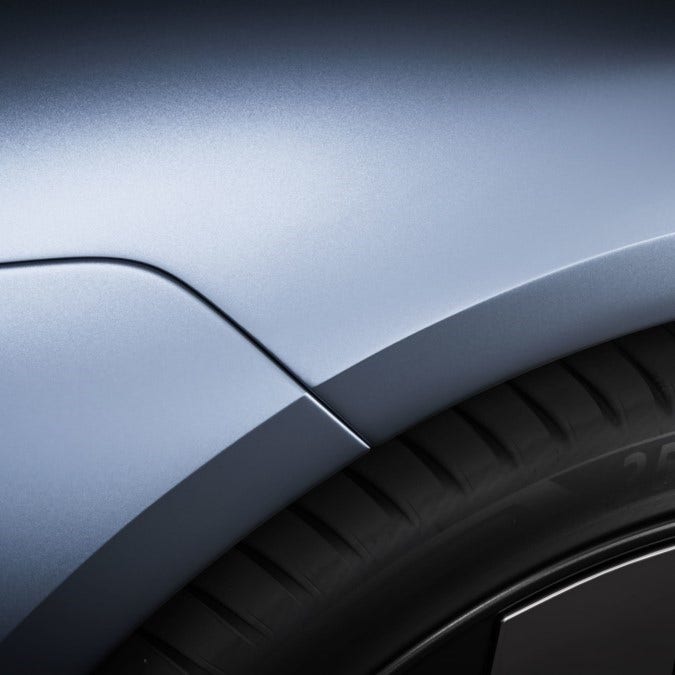
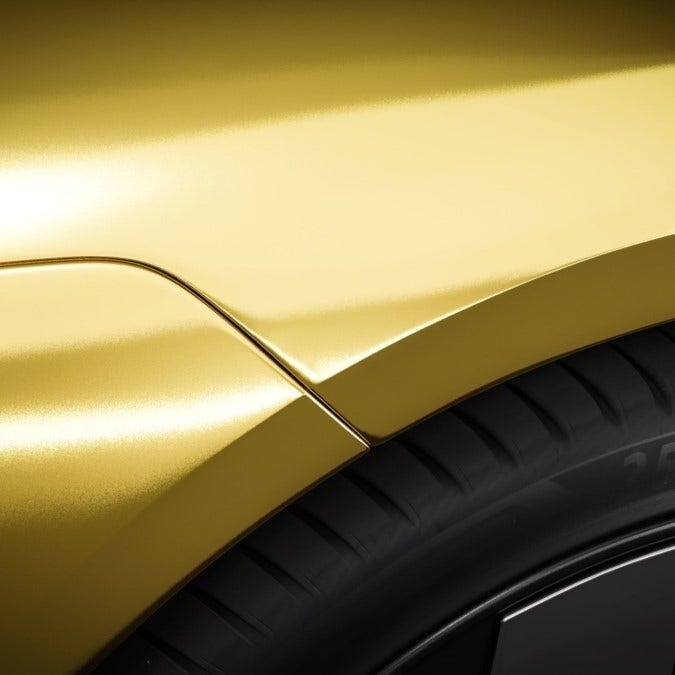
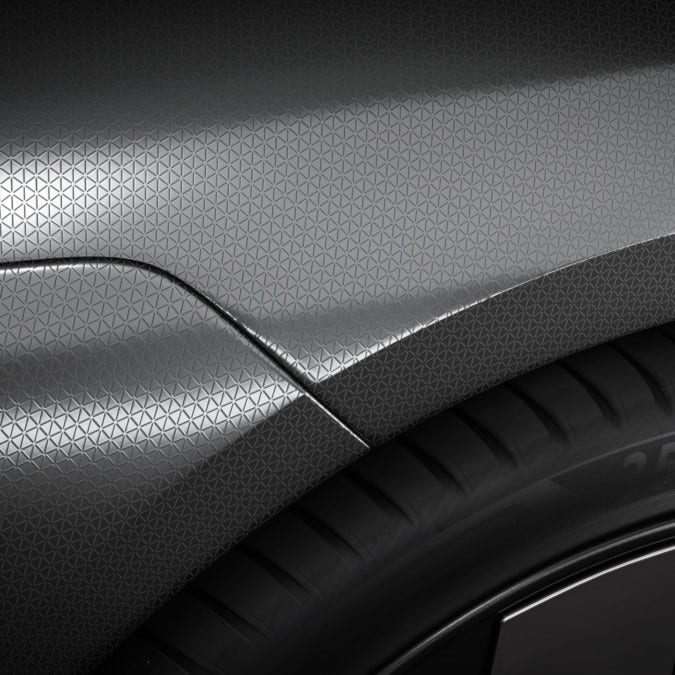
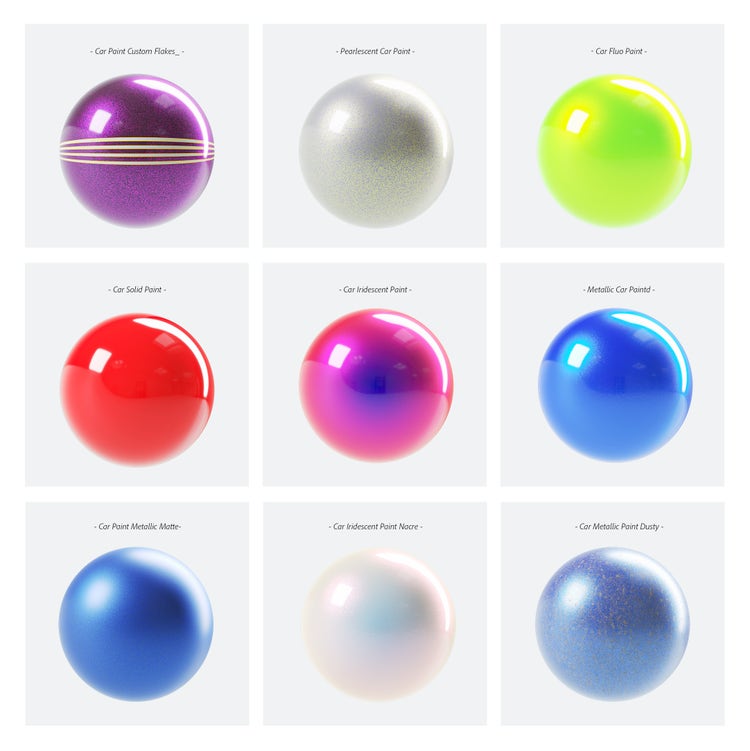
Need to contribute to a greener world?
There are highly detailed materials for EV too! Switch to full electric with solar-powered propulsion.
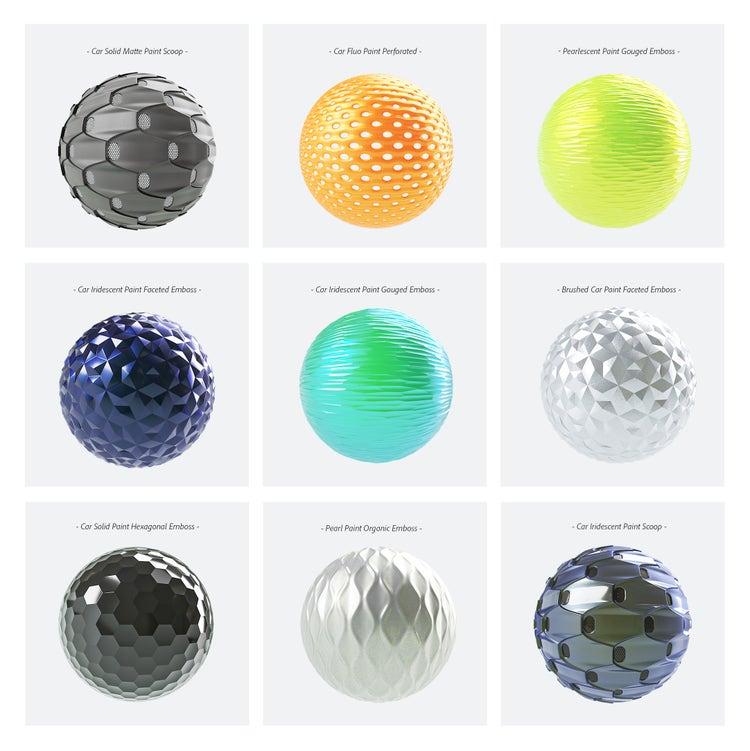
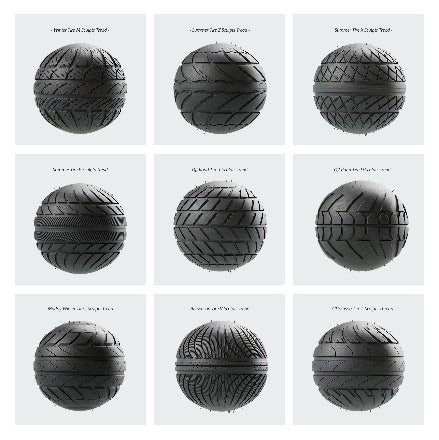
Our team has created an extensive library of rubber tire generators for texturing vehicle wheels. We’ve reproduced tire treads of cars for racing, urban, and all-terrain vehicles, as well as tires for motorbikes and bicycles – and so the collection includes, for instance, wet off-road tires, frozen motorbike tires, muddy trail motorbike tires, dirty race bicycle tires, and many, many more. As always, these materials are modifiable, allowing further precision even within this extensive selection.
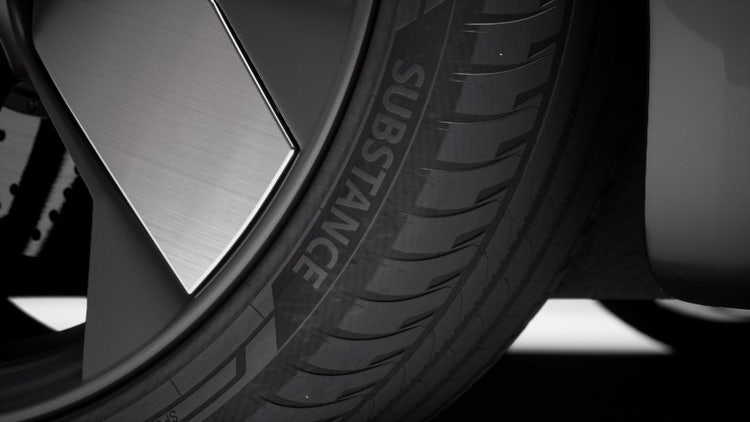
In a typical car design workflow, the design of any sort of intricate geometry is particularly time-consuming. This would be the case with the car’s wheel rims, for instance: the designer will create a design in 2D, which the modeler will then sculpt in 3D. The back-and-forth iteration on these designs is a lengthy process.
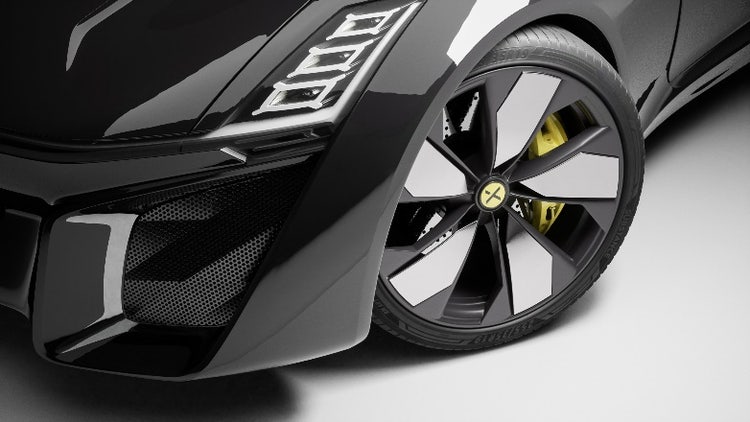
Taking a procedural approach to these intricate areas has the potential to vastly accelerate this design phase of a car. Using rim generators allows you to visualize rims using procedural textural maps; like this, you can view a vast range of possibilities, and make adjustments, merely by moving a slider.
The major benefit here is the speed with which it’s possible to test out a large number of iterations, varying the number and shape of spokes as needed, the type of bolts used, and more, before committing modeling resources. Moreover, you can work on the physical materials of your rim – whether its final appearance will be steel, or aluminum, etc. – at the same time.
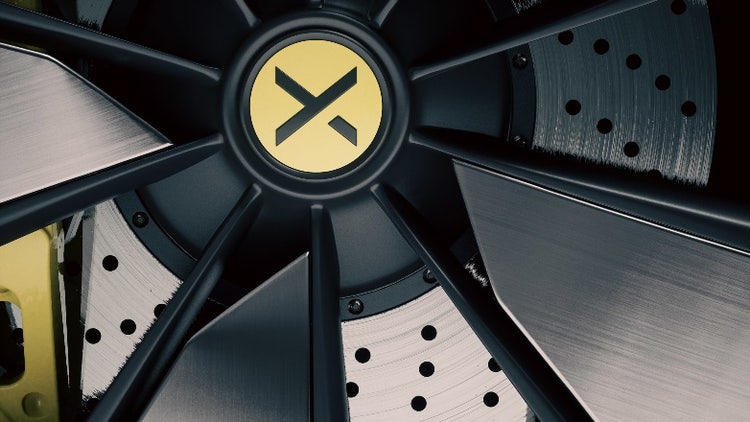
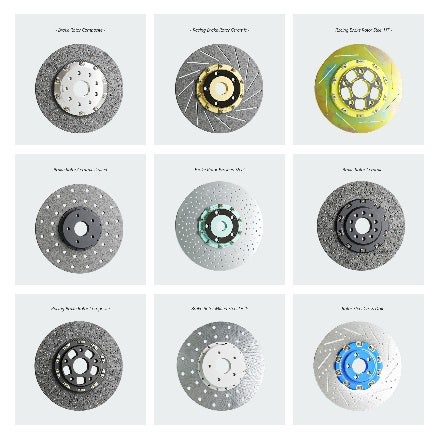
Brake rotors are another element of the car that require complex geometry – and so our brake rotor assets take the same parametric approach mentioned above. The collection of brake rotors within our automotive materials collection allows you to modify characteristics such as the patterning of drills or slots within the rotor, positioning of bolts, signs of dirt or age, and so forth.
Headlights and reflectors are also key elements for car exterior texturing, and often require extensive modeling to look realistic. Furthermore, these are components that can rarely be transferred between vehicles, and so require extensive one-use-only development.
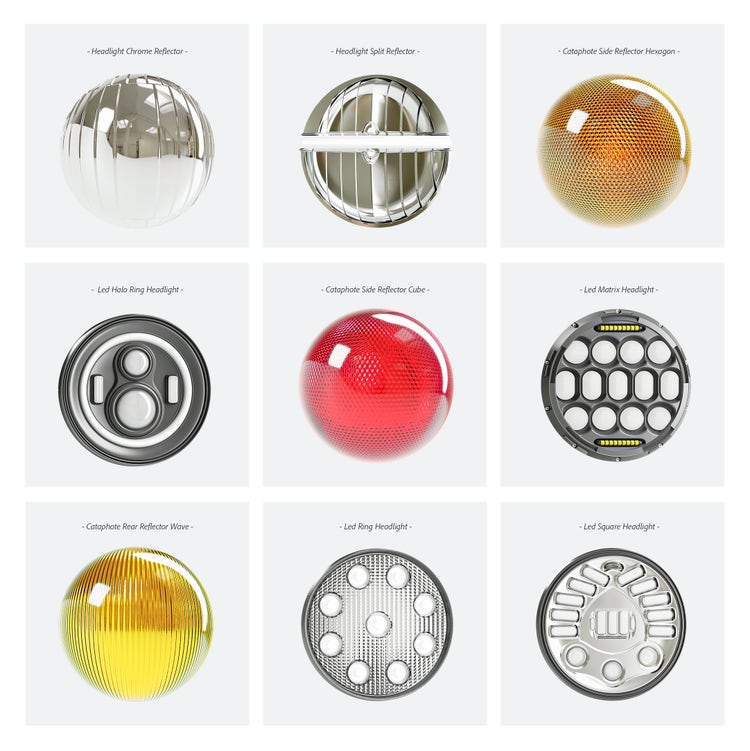
To address this issue, and to make car design a smoother, faster process overall, we’ve created a toolset of base materials as well as ready-made headlamp generators.
Our approach: either separate each material into different categories, such as transparent plastics and chrome reflectors (in case you’re dealing with a detailed 3D asset) or recreate all the details of the headlight and material combinations to save modeling time. To further increase realism, we’ve added emissive component materials so that you can have precise control over lamps and LEDs.
All of these resources, and many more, can be found within the automotive exterior section of the Adobe Substance 3D Assets collection.
Our asset collection houses a wide range of textiles, leathers, metals, woods, plastics, and more to texture the interior of a car. These aren’t only destined for use within the automotive industry; the upholstery, leather works, consumer goods, and even architecture are suitable for use by artists in a wide variety of sectors.
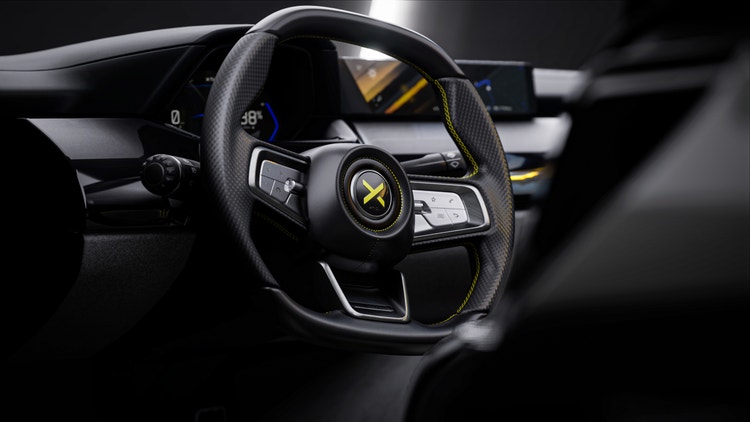
When talking about the interior texturing for cars, we must talk about leather. We’ve partnered with automotive industry professionals, and gathered an extensive range of physical samples of different skins, in order to achieve a consistent, realistic library of leathers.
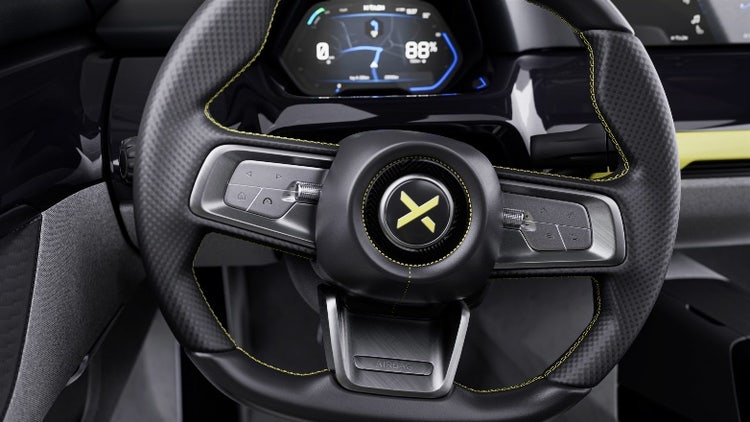
To meet the expectations of these highest levels of craftsmanship, we’ve created an extensive range of materials for CMF designers, permitting visualization of areas such as padded areas of seats, and the backs of seats, but equally areas incorporating fine details such as stitching or quilting. Rapid parametric visualization of such areas is easy, allowing designers to iterate rapidly, and to take firm decisions in these areas without the need to allocate modeling resources.
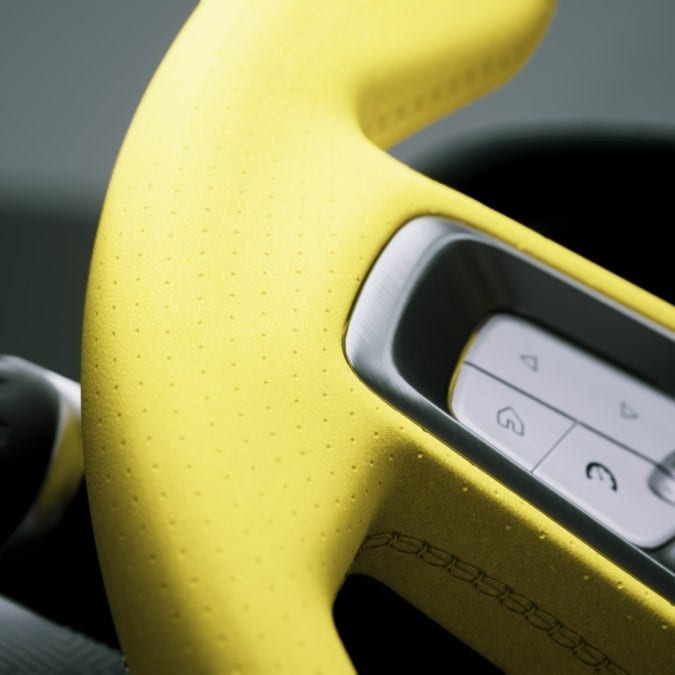
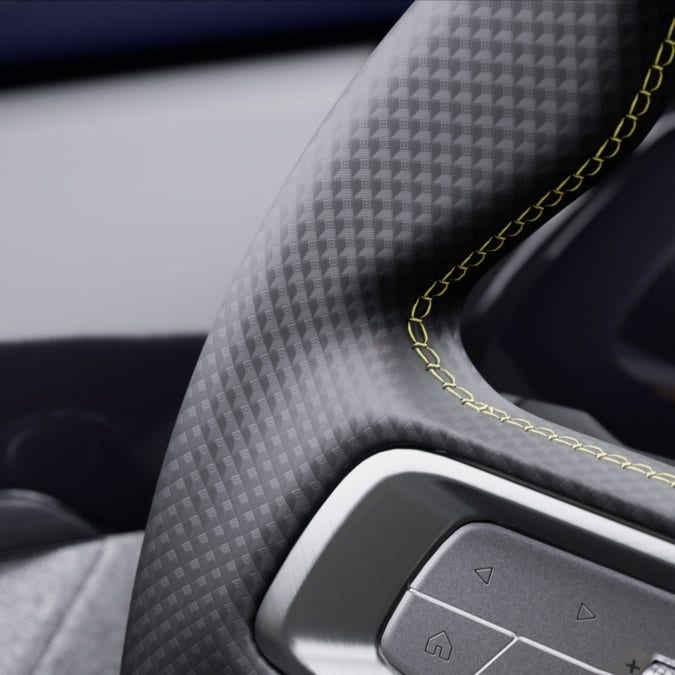
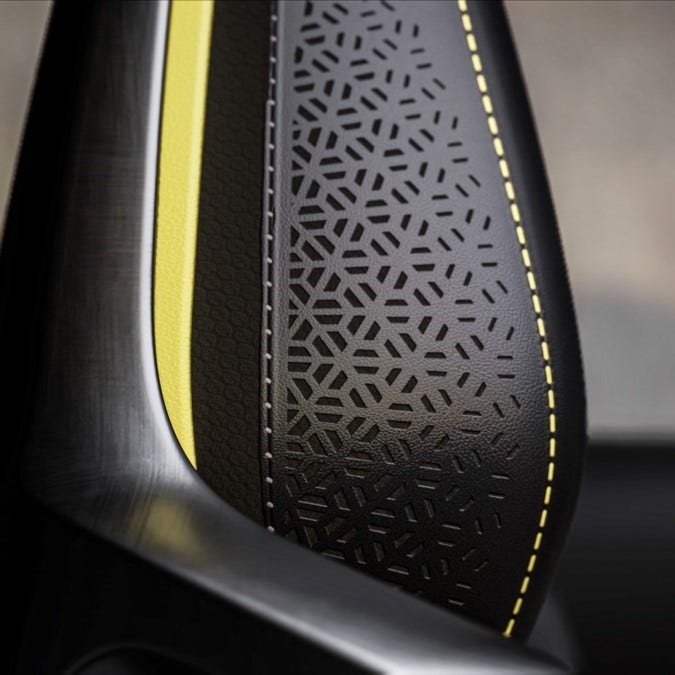
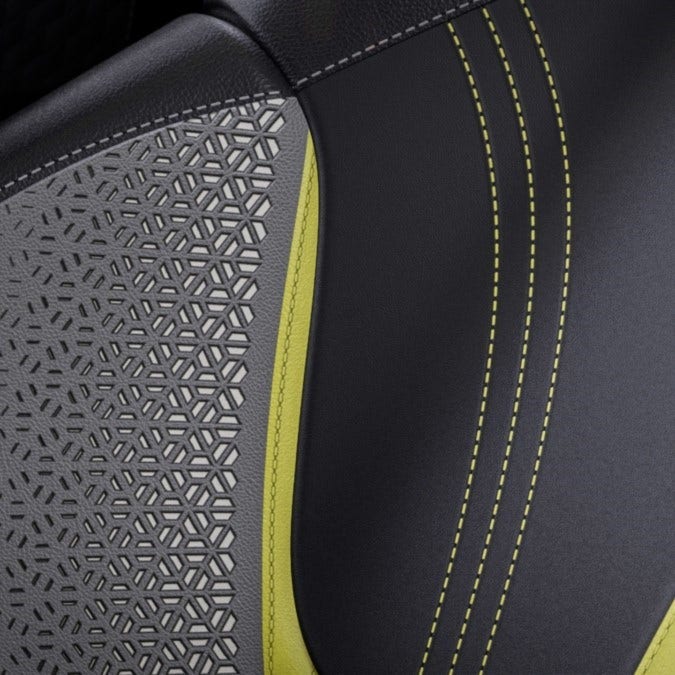
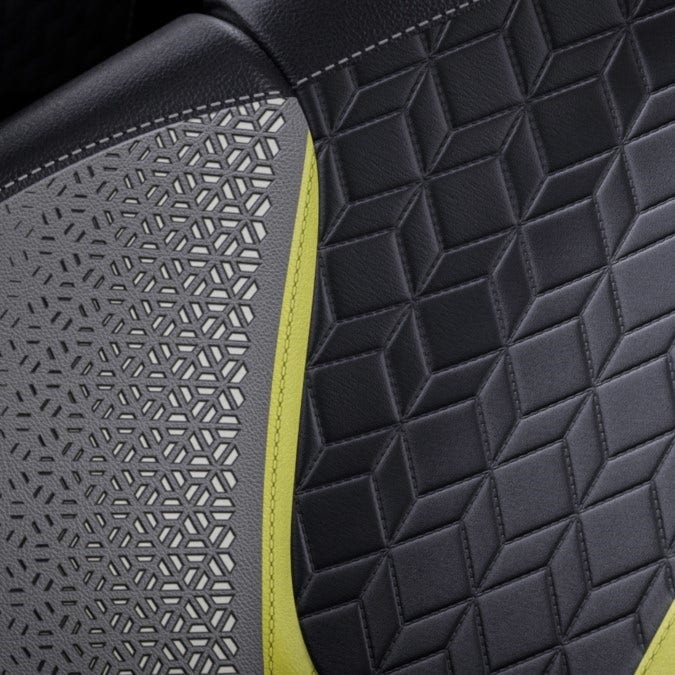
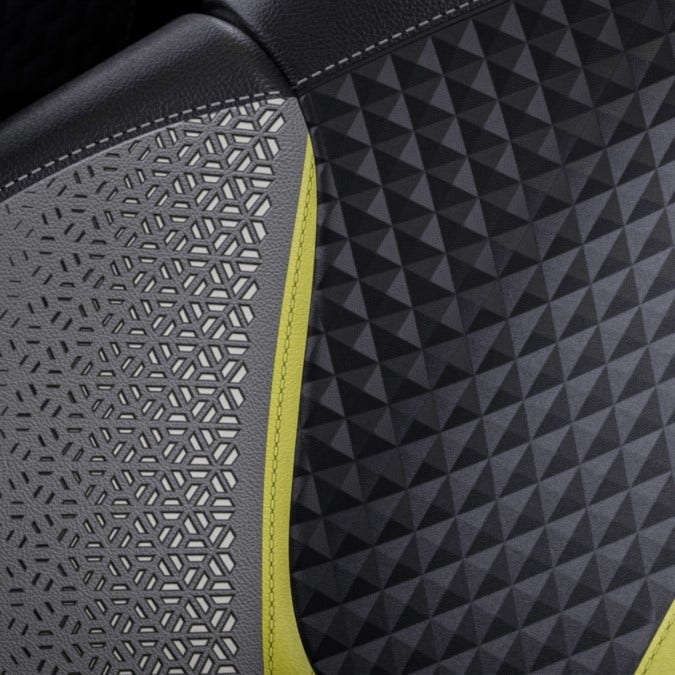
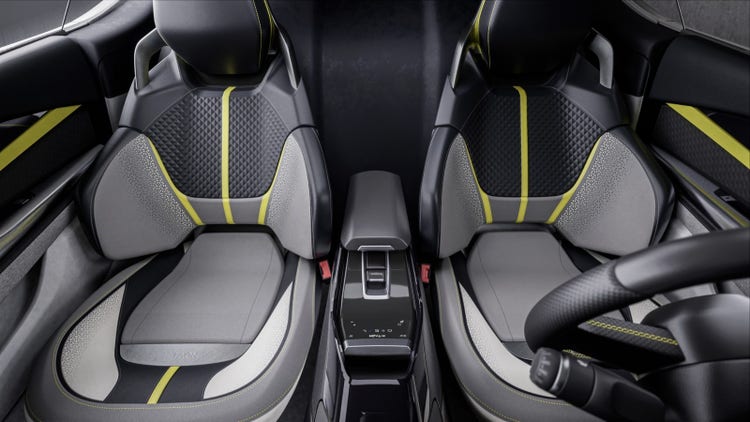
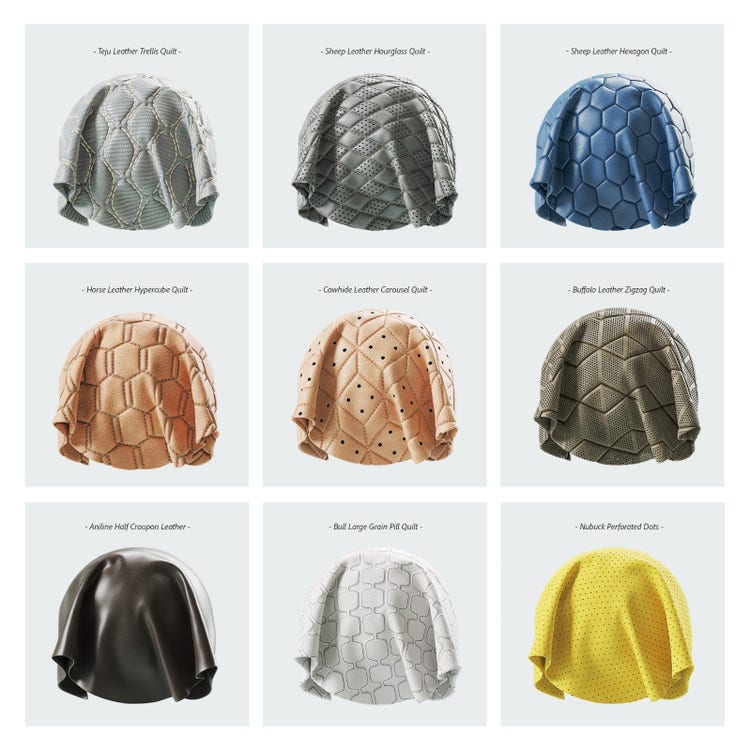
The use of textiles within cars is not limited to seats, of course. Such materials might be used for parts of the car such as carpeting, dashboards, the inner lining of the roof or the trunk, sun visors, or the inner surface of doors.
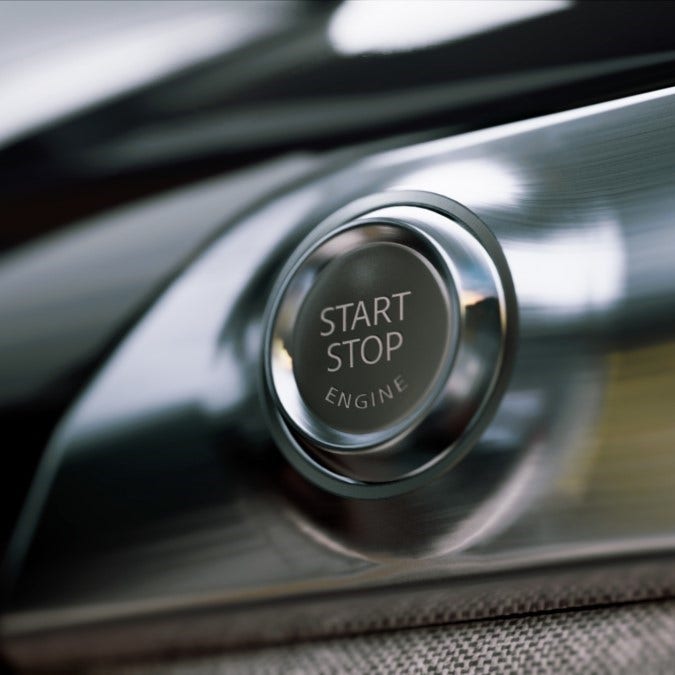
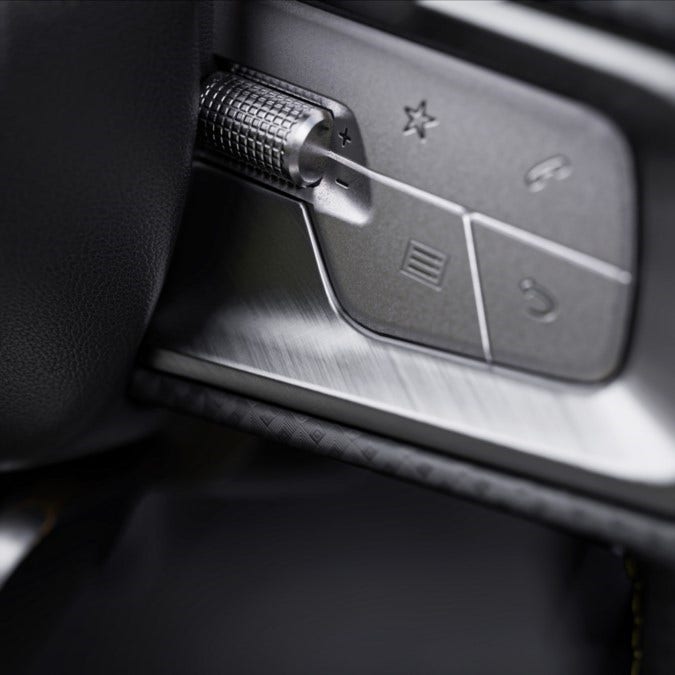
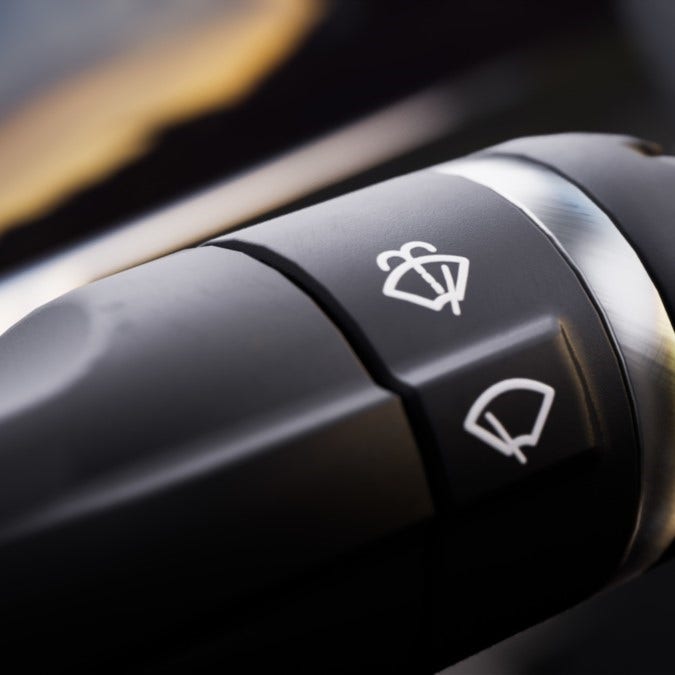
A car’s interior must, of course, be functional as well as comfortable. Our collection of automotive assets therefore includes a range of parametric screens and meters, for insertion into and personalization of dashboards and displays. Fuel gauges, speedometers, temperature gauges, A/C knobs, dashboard screens, and much more are available as required.
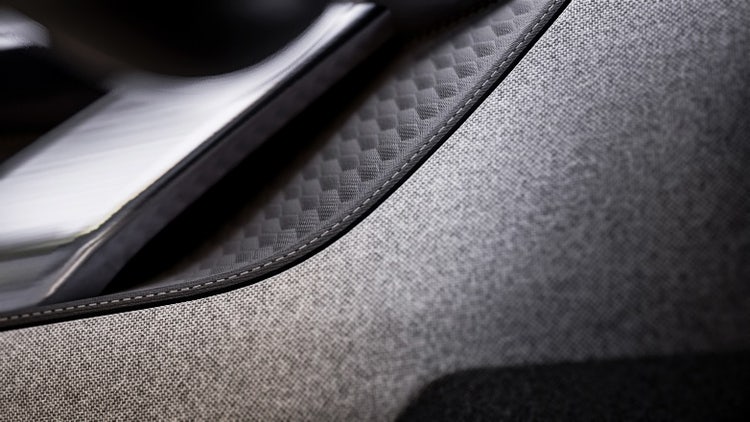
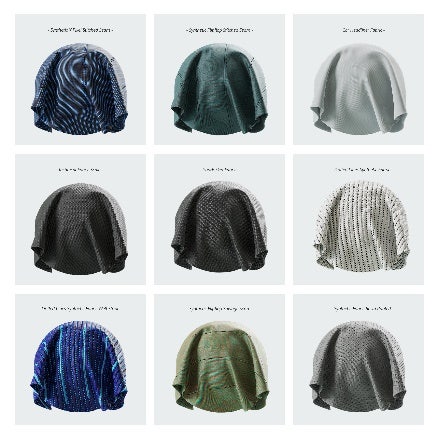
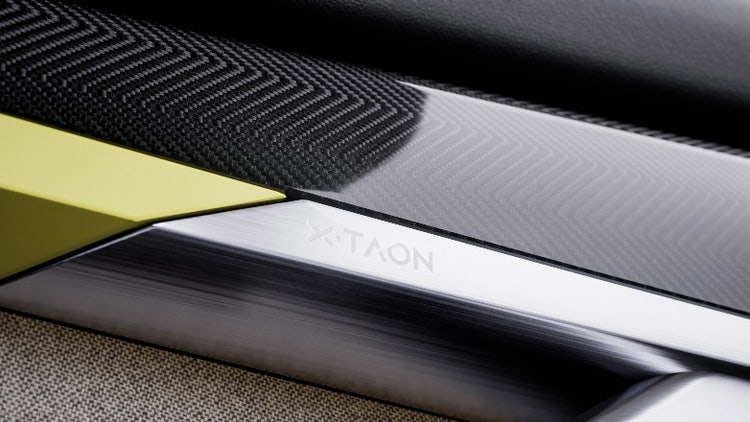
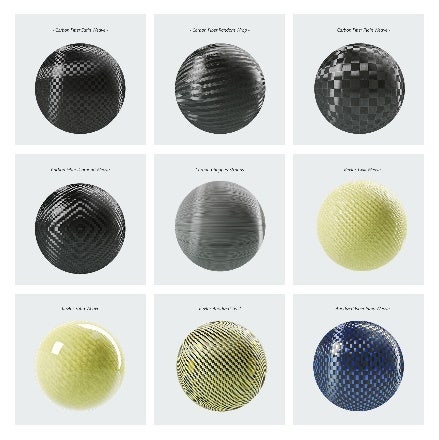
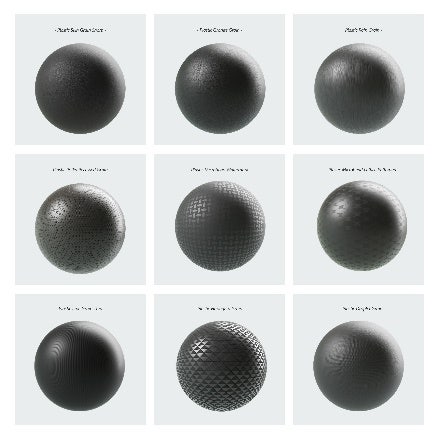
A vehicle’s interior hard surfaces are catered for, as well. Notably, our collection includes a range of carbon fiber materials. Carbon fiber draws its strength from the direction of the weave of its strands, in a load-bearing direction. We’ve therefore reproduced carbon composite materials of the most common weaving patterns: twill, plain, and satin.
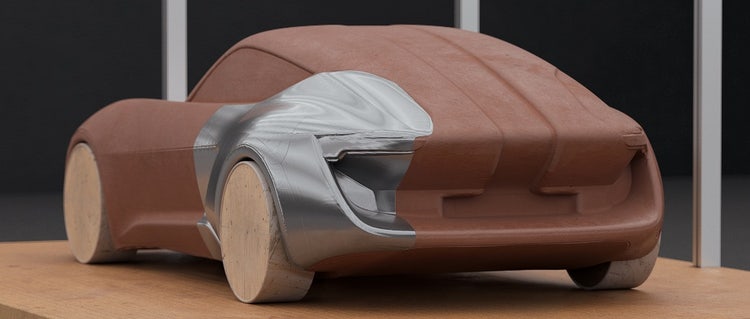
The car design workflow typically starts with the designer’s sketches; thereafter, the designer and modeler work together to iterate on the initial concept, and to precisely define the shape of the vehicle. This ‘speedform’ model focuses wholly on the form of the car, without inclusion of details such as rims or mirrors. It allows designers to gain a sense of the energy and movement of the car – and so, to concentrate their creativity wholly on these core elements of the vehicle.
It’s important to note that mock-ups aren’t always created using the same process. In fact, since they anticipate the validation of visual cosmetics, the process varies according to the part of the car constructed. Designers need to use rapid prototyping techniques, automated multi-axis machining and hand modeling of plasticine.
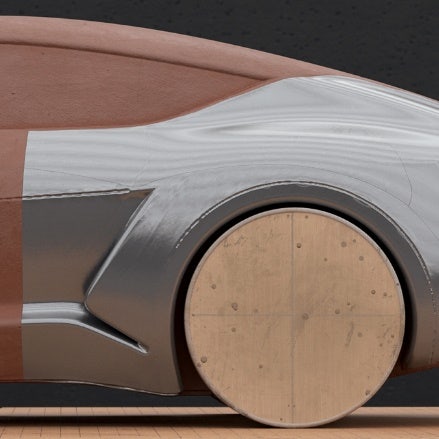
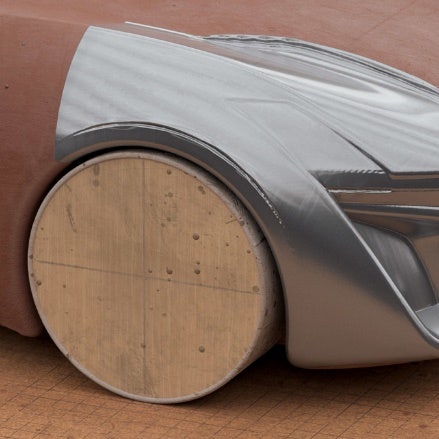
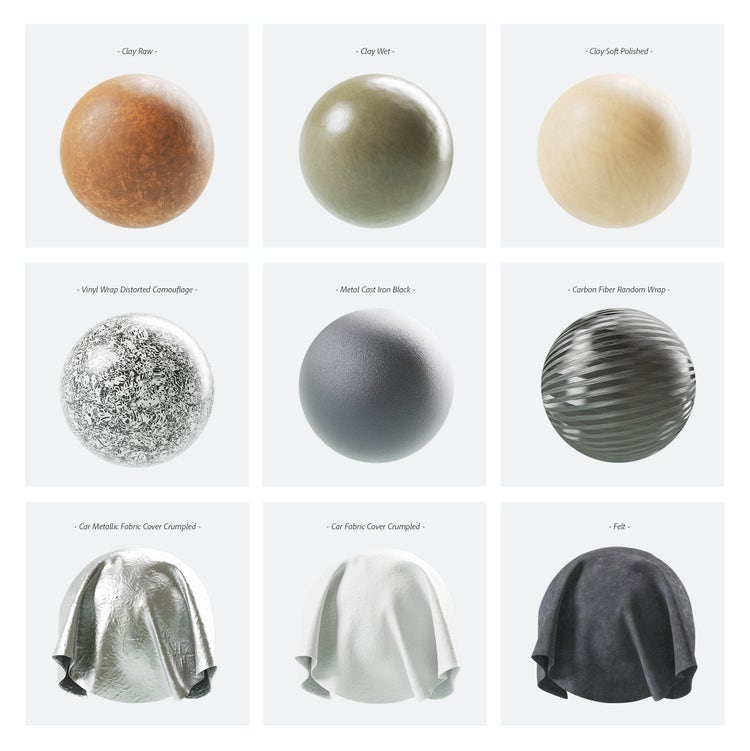
Our library of materials takes into consideration designers’ needs to visualize this speedform model, whatever the precise methods used in its construction. Clay, and modeling clay such as plasticine, are vital materials at this prototyping stage; the clay materials in our 3D Assets collection reproduce the effects of the various tools used to shape, cut and smooth the surface of the speedform model.
Wood is also used at this stage, notably to create prototype wheels. And foil materials are frequently used to accentuate the contours of certain sections of the body of the speedform mockup. A range of wood and foil materials can therefore be found within the 3D Assets collection.
Prototype automotive designs must be extensively tested before general production can begin. This occurs further along the design pipeline; by this stage, the vehicle possesses an engine, mirrors, lamps, rims. This testing can only be carried out by driving the vehicle in real conditions, whether this occurs on a track or in more public areas. And yet it is firmly in the manufacturers’ best interests to maintain an air of secrecy around this testing. The ‘big reveal’ around the moment of a new vehicle’s release is frequently a source of intense publicity for that vehicle. Manufacturers must allow their vehicles out into the open, while doing everything possible to obscure the vehicles’ shape.
The most effective solution that manufacturers have found, that would not impede technical tests, is to camouflage their vehicles. From early in the process, engineers design custom camouflage for each vehicle. The camouflage motifs possess no small degree of artistry in and of themselves – and yet their overall purpose is to obscure the feature lines of the car, and ‘flatten’ its appearance. This adhesive vinyl camouflage is therefore necessarily different for each vehicle.

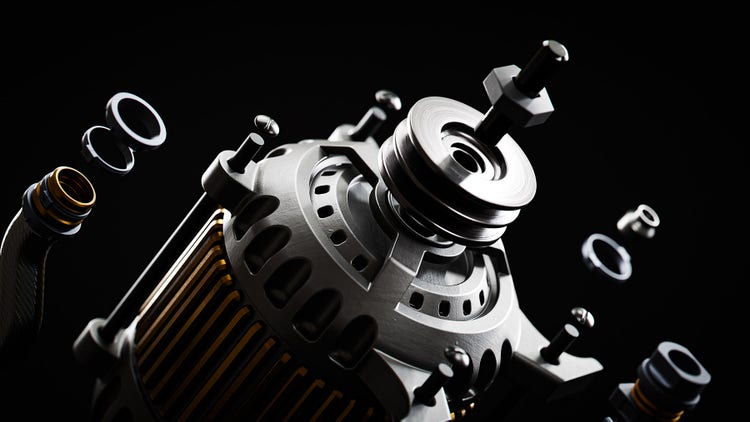
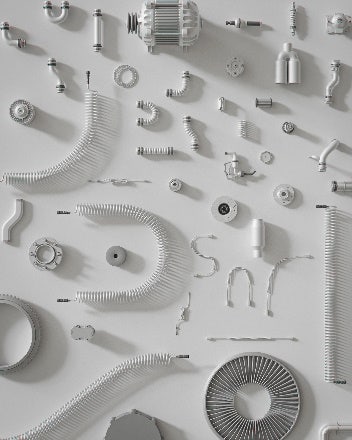
Here, we’ve added more than 200 completely new assets to our automotive collection since June 2021. The 3D Assets collection now includes a vast array of engines and engine parts – pumps and pipes, miscellaneous mechanical parts, mufflers, knobs, brackets, and much more. These parts can be adapted and assembled in a wide range of projects – automotive projects, yes, but also transportation projects more generally, as well as more outlandish works such as robotic or science-fiction projects.
X-TAON Credits: Video by Ronan Mahon – Color and Trim Design: Anais Lamelliere – Art Direction: Anais Lamelliere, Ronan Mahon, Nicolas Paulhac – Exterior Design: Takumi Yamamoto – Exterior 3D Model: Frédéric Gasson – Interior Design: Arthur Coudert – Interior 3D Model: Maxime Daguet – Branding: Benjamin Marechal, Anthony Genlinso – Project Management: Pierre Maheut, Nicolas Paulhac – 3D Model Preparation: Damien Climent, Ronan Mahon, Onur Dursun – Rim Design and Exterior Detailing: Onur Dursun – Interior Design Detailing and Texturing: Ronan Mahon