How to create a personal development plan with Adobe Express.
Build your own personal development plan and map your route to success.
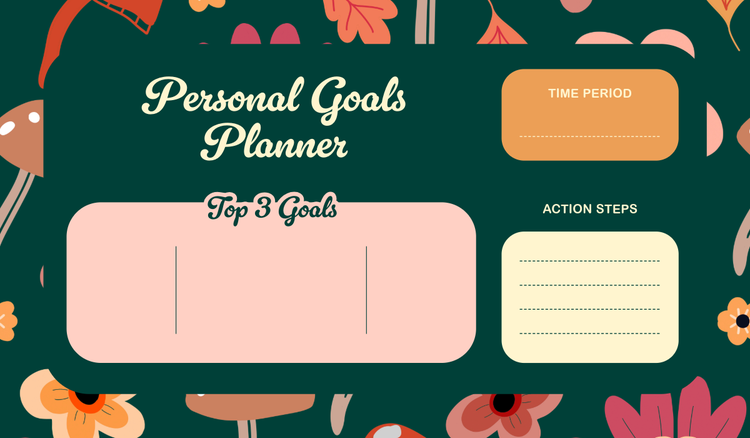




They say a goal without a plan is just a wish. If you have goals, actionable plans to execute them can make all the difference.
A personal development plan is useful for setting goals and identifying how to achieve them. Used in educational and professional spaces, personal development plans are an ideal tool for reflection and developing areas of improvement.
Discover how to write a personal development plan, what to include and more. Create your own personal development plan with ideas and templates from Adobe Express.
What is a personal development plan?
A personal development plan is a detailed account of academic, personal or career-based goals. It allows you to establish your objectives, identify strengths and weaknesses and uncover growth opportunities.
Personal development plans are typically used when studying or in the workplace, with guidance from your tutor or manager. Objectives are put in place based on your aims, along with measurable actions that will help you to fulfil them.
A personal development plan should include:
- Self-analysis. A personal assessment of your strengths and weaknesses. These will determine your goal, opportunities and threats (or potential setbacks).
- Goals. A clear set of objectives or aims that follow the SMART framework: specific, measurable, attainable, relevant and time-bound.
- Timeline. A detailed timeline for each short-term and long-term goal. These should be realistic and flexible.
- Tracking. A space to track your progress as you work towards your aims. You should monitor short-term goals more frequently than long-term ones.
- Feedback. A review of each objective is m dependant on the timeline. There will be different metrics for each goal.
recipe
Why is it important to have a personal development plan?
Personal development plans provide a clear focus for growth. They act as a roadmap to establish goals, formulate a plan, record actionable steps and set a timeline for completion.
A personal development plan is particularly crucial for employees, as it often informs their goals for the year and any annual performance reviews.
Some benefits to creating a personal development plan for work include:
- Identifying strengths and weaknesses. A personal development plan can help you identify your strengths and weaknesses and what skills you need to improve.
- Boosting motivation. Personal development plans provide a sense of purpose and direction, increasing your motivation and engagement.
- Tracking performance. With a personal development plan, you can monitor and review your progress and adjust as needed.
- Improving career prospects. A detailed plan can show your dedication to professional growth, which can be useful for your CV and future job applications and interviews.
- Aligning with business goals. Actively engaging with your plan can help you align your career aspirations with your organisation’s goals, contributing to business success.
How to bring your personal development plan to life.

How to write a personal development plan.
There is no hard and fast rule for creating a personal development plan. The most important thing is it’s personal to you, reviewed regularly and supported by evidence. With the right approach, dedication and flexibility, you can lay solid foundations for a good personal development plan.
1. Create your goals.
Setting yourself goals is a crucial first step, and it can also be the hardest. These goals should align with your career prospects and what you want to achieve, whether that’s within a few weeks or a year.
This requires you to be honest about what goals are attainable. For example, you may want to progress to a middle management position, but you will need to consider the steps to achieve this goal.
Create a list of aims and objectives that matter most to you, and consider which ones are most relevant to your current position. Once you’ve figured out your goals, they will form the structure for your personal development plan.
2. Prioritise.
Now that you have your goals, the next step is to break them down into smaller chunks for your personal development plan. Consider these SMART factors when prioritising your goals:
- Specificity. Vague or lofty goals are harder to achieve. Shave them down so they’re specific and clear, highlighting the knowledge, skills or experience you want to develop.
- Measurability. Measurable goals will make it easier to monitor your progress, such as passing an external leadership course as part of your goal of reaching middle management.
- Attainability. Your goals should be realistic and achievable with the time and resources you already have. If they don’t seem attainable, you may set yourself up to fail.
- Relevancy. Always keep your overarching goal in mind and ensure every step matters, such as brushing up on communication skills for a customer service role.
- Time restraints. How long will it take to achieve your goals? Can they be done within a couple of weeks, a month, or a year? Set yourself a realistic timeline and review frequently.
Use a free SMART worksheet template from Adobe Express to help set out your goals in a clear and coherent way. You can then refer back to them as you build/ out your personal development plan.
3. Set your deadlines.
Deadlines are helpful to keep your goals front of mind and drive your motivation to achieve them. For example, reaching a middle manager position is an attainable goal that requires several steps. Setting target dates for each step can keep you focused. You may create a daily or weekly planner as a visual reminder and tick off as you go.
Refer to your manager or team leader to get a better understanding of what’s expected of you and what is attainable within a certain timeframe. For example, if your goal is to build confidence in leadership, your manager may appoint you to lead a cross-team project with an end-of-year deadline.
4. Identify issues.
Your personal development plan should account for everything good and bad. This is where you consider your strengths, weaknesses, opportunities and threats – known as a SWOT analysis.
Reflect on your personal progress and identify any bumps you may encounter along the way, and an action plan in case you do. Threats can be external or they may be core skills you can develop as part of your plan.
For example, a lack of motivation can lead to procrastination, which can hinder your chance to progress in your role. Identifying this weakness in your personal development plan can encourage you to put methods in place to keep you motivated. This can include taking frequent breaks or rewarding yourself when your reach a certain milestone.
5. Measure your progress.
Any progress, big or small, should be acknowledged and reviewed. This is an important section in your personal development plan as it allows you to recognise achievements and challenges. It also builds a healthy habit of honest reflection and keeps you dedicated to your goals.
It’s important not to wallow in disappointment if you haven’t met a certain goal within the timeframe. Instead, consider why it went wrong – whether it’s a skills or knowledge gap – and adjust your plan accordingly.
Measuring your progress will provide you with significant insight and help you clarify next steps. If you hit a hurdle, take a minute to reflect with yourself, consult your manager and make realistic changes.
Free personal development plan examples from Adobe Express.
recipe
You might also like...