Introducing Adobe Firefly.
Use generative AI and simple prompts to create the highest-quality output - images, text effects, colour palettes and more.


AI imagery is transforming media and cinematic storytelling. In this guide, we’ll be exploring the rise of using AI for visual storytelling and digital art. We’ll look at the advantages of AI image generation and its potential uses, from storyboarding and concept art to character ideation.

What you'll learn
You’ll have seen the emergence of AI-driven storytelling at multiple digital touchpoints – from interactive fiction and gaming to personalised media and marketing.
This didn’t happen overnight; it’s a powerful blend of trends that have met at the right time. What was once a niche concept has transitioned into powerful and available tools.
Better tech is now readily accessible, such as AI visual story generators. And they’ve shifted from being traditional tools to becoming collaborators, or digital partners. AI image generation emerged because of both technical possibilities and creative demand. It accelerates imagination and helps keep pace with the stories people are ready to tell.
But how does AI-driven storytelling work? It transforms text, sketches and images into diverse visuals for several uses.
There are several advantages of AI image generation for visual narratives in media and even cinematic storytelling. These include:
It’s important to note that these benefits focus on augmenting creative skills, rather than replacing them. These AI outputs are the foundation that artists and creatives work from to curate and refine their work.
They blend the sensitivities of human storytelling with the speed of AI to create powerful, expressive narratives.

There are several ways you could use AI image generation tools to enhance visual storytelling. From swift storyboarding to designing show-stopping costumes, AI narrative-driven visuals are your perfect collaborative partner.
Many fields and industries use storyboards, including:
It’s possible to plot camera angles and lighting, block scenes, pitch concepts and narratives to clients, plan tutorials, or to visualise how customers interact with products.
Using an AI storytelling image generator to create storyboards means you can quickly input ideas, scripts or strategies to tailor visuals before committing to the work. Filmmakers might upload their script for a tailored storyboard before starting filming – saving time and budget in the process.
As with storyboarding, using AI image storytelling to generate concepts and previsualisation assets can be valuable across various fields. These may include film and TV, cartoons, animation, video game design, live events and performances, and all kinds of design, from costume to transportation.
Using AI to visualise characters, environments, scenes and designs can speed up the development process and provide a safer, more cost-effective way to test ideas before production.
Creating characters is simple with AI portrait generators, while it’s equally easy to create variations on environments or scenes with image-to-image generators. The power really is in your hands.
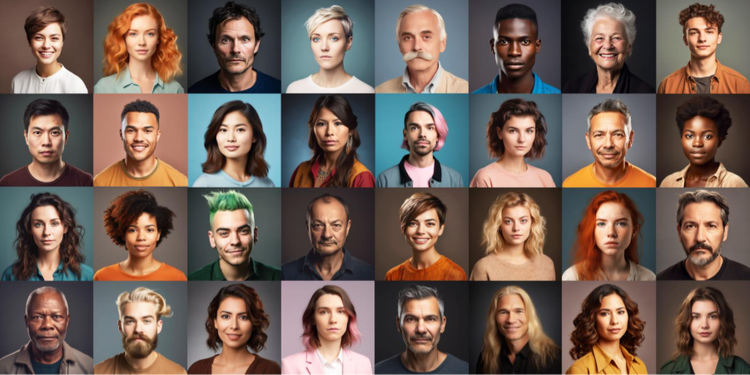
Simple prompts born from the creative ideas you have, in collaboration with AI image generators, are a breeding ground for powerful character ideation. It’s possible to rapidly transform concepts such as personality, mannerisms and personal style into visual explorations of a character and add to mood boards.
Creatives can swiftly explore emotions, how the character dresses, and their expressions, posture and other personalised traits to refine and build a character’s identity.
Like character ideation, simple prompts can help with costume and prop design at scale during the pre-production phase of a project. Even a quick sketch with your ideas can be transformed into stunning visuals that you can amend and refine.
Exploring the perfect costume and prop design to seamlessly meet the brief and align with the overall concept and narrative of your project has never been easier.
Using text-to-video and image-to-video generators allows you to create high-quality cinematic AI movie scenes and film-style video at speed. You might want to create a short, animated film, craft a cinematic mock trailer or put together an advert.
From one image, you can. Whether you’re looking to generate 2D or 3D videos, you can add depth, motion and the cinematic bells and whistles you need to make your project shine.
Create a wide, dramatic image of an abandoned coastal city at sunrise, semi-submerged by the sea, with rusty former coastal attractions rising through the mist like eerie ancient monuments. A solitary figure in a battle-worn coat stands tall on a crumbling bridge, holding a map. Beams of sunlight slice through dark clouds, illuminating the flooded ruins.
Create a storyboard frame for a cinematic sci-fi thriller with a wide, low-angle shot. Feature a view of a vivid, but rain-soaked city street at night, and a weary detective with a glowing bionic eye steps in from the right, dripping wet from the storm. A police drone hovers behind with a piercing spotlight, breaking through steam from a grate. Create with high-contrast lighting and feature strong silhouettes in a hand-drawn storyboard style.
Create a cinematic prop design for a superhero adventure film. Create a futuristic gauntlet worn by a powerful hero. It features sleek alloy panels, glowing veins filled with energy, visible but fine battle scars, and a distinctive emblem in the gauntlet’s palm. Use incredibly detailed materials alongside bold superhero colours with a close-up concept art design.
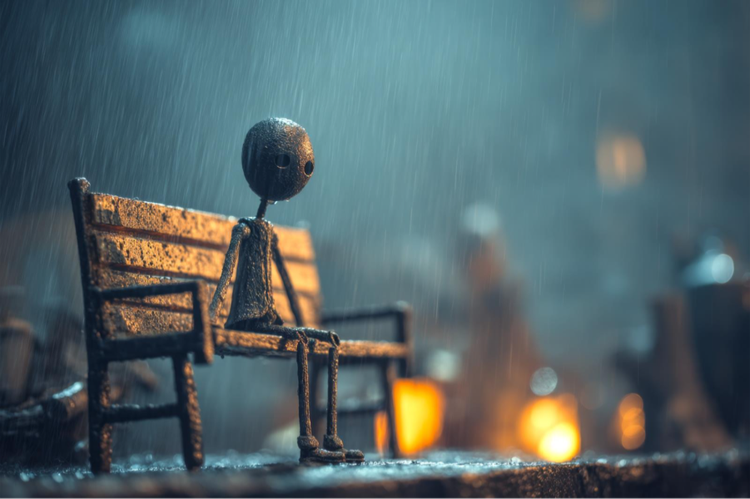
AI image generation and storytelling are reshaping media production by accelerating the rate at which ideas become a visual reality. Something that not long ago needed large, hands-on teams of people with ample budgets can now be performed with a single prompt.
By bridging the gap between imagination and digital visualisation, AI has made it possible for creatives to visualise concepts instantly.
AI narrative-driven visuals provide a practical solution across mediums including engineering, advertising, film, television, marketing, photography, gaming and digital storytelling. These industries can utilise this powerful technology to enhance the speed, flexibility and personalisation in creative projects.
It’s important to note that AI image generators don’t replace artistic vision. They can amplify it by augmenting human creativity to support ideation and creative output at speed and scale. Leaving creators to focus on deeper emotion and meaning, and thorough storytelling for modern media.
Adobe Firefly can transform your cinematic projects and ideation sessions by empowering you to swiftly amend and refine your concepts. Generate images from text, create art and edit original photography to optimise storyboards and concept art, while intertwining imagination and professional, production-ready visuals.

Use generative AI and simple prompts to create the highest-quality output - images, text effects, colour palettes and more.
Based on your location, we think you may prefer the United States website, where you'll get regional content, offerings, and pricing.


