What is a letter of introduction and how to write one
A letter of introduction is a networking letter that helps you connect with potential partners, either for yourself or on behalf of a trusted contact.

What is a letter of introduction?
A letter of introduction is a formal correspondence used to present yourself—or someone you know—to a potential employer, client, or partner. Unlike a cover letter, which accompanies a resume for a specific job, an introduction letter focuses on making a connection that could lead to future opportunities.
People and businesses turn to introduction letters in situations such as:
- A consultant introducing herself to a prospective client.
- A sales representative connecting two complementary vendors.
- An executive recommending a colleague for a board position.
- A corporation announcing its services to a newly acquired subsidiary.
If you're simply exploring companies and want to find out more about potential opportunities, then a letter of interest might be a better fit.
In each scenario, the goal is the same: establish credibility, explain mutual value, and open a communication channel. Because first impressions matter, many professionals convert their letters to PDF for a polished look before sending, often with the help of free online tools, such as an online PDF editor.
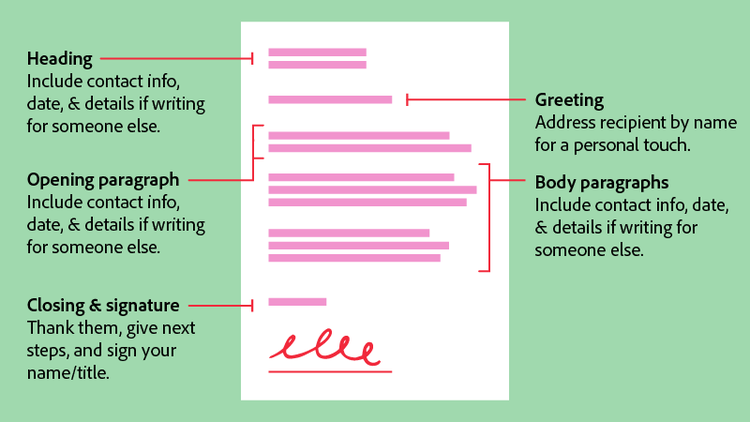
How to write a letter of introduction.
Writing an effective introduction letter is straightforward when you break it into five key parts:
- Heading. Include your contact information and the date. If you are writing on behalf of someone else, list that person's details.
- Greeting. Address the recipient by name whenever possible. A personalized greeting signals that you have done your homework.
- Opening paragraph. State your connection to the recipient and the purpose of your letter.
- Body paragraphs. Provide relevant background, highlight achievements or solutions, and explain the value of connecting.
- Closing and signature. Thank the recipient for their time, outline clear next steps, and sign with your full name and title.
Tips on how to write a letter of introduction
Once you've outlined the key sections of your letter and followed the basic writing steps, it's time to refine your message. A few thoughtful adjustments can make your introduction more engaging, your tone more professional, and your overall letter more effective. Here are some practical tips to help you write a letter of introduction that stands out for the right reasons.
- Personalize the greeting. Avoid generic openers like "To whom it may concern."
- State connection and purpose quickly. The first paragraph should make it crystal clear why you are writing.
- Keep the body concise and mutually beneficial. Focus on value for both sides.
- End with actionable next steps. Suggest a meeting time, share contact details, or ask permission to follow up.
- Convert to PDF before sending. Acrobat preserves formatting across devices.
- Use Adobe's Word to PDF converter for quick conversions.

Five types of letters of introduction.
1. Business networking letter of introduction
A variation focused on expanding professional circles, seeking mentorship, or fostering collaborations.
"I noticed your presentation on sustainable supply chains at the Global Logistics Forum and would love to exchange insights on green warehousing strategies."
2. Job referral letter of introduction
A mutual contact writes this letter to recommend a candidate for a specific role, emphasizing measurable outcomes.
3. Teaching job letter of introduction
Educators use this version to introduce themselves to principals or hiring committees ahead of vacant positions.
4. Client or vendor introduction
Companies leverage this letter to pitch products or services to prospects, opening with a pain point the recipient likely faces.
5. Company-to-company partnership introduction
Organizations exploring joint ventures or partnerships emphasize complementary strengths and propose next steps.
How is a letter of introduction different?
While a letter of introduction shares similarities with documents like cover letters and referral letters, it serves a distinct purpose. Understanding how it differs from these other formats can help you choose the right approach for your situation and ensure your message lands as intended. Let’s break down what sets it apart.
Letter of introduction
- Purpose: Establish a new connection and outline mutual benefit
- Length: 1 page
- Audience: Potential employer, client, or partner
- Timing: Before an opportunity formally exists
Cover letter
- Purpose: Demonstrate suitability for a specific job opening
- Length: 1 page
- Audience: Hiring manager or recruiter
- Timing: When applying for a posted job
Reference letter
- Purpose: Endorse an individual's skills and character
- Length: 1–2 pages
- Audience: Third-party decision maker
- Timing: After an interview or request
Frequently asked questions.
You may also like
https://main--dc--adobecom.hlx.live/dc-shared/fragments/seo-articles/seo-caas-collection
https://main--dc--adobecom.aem.live/dc-shared/fragments/seo-articles/acrobat-color-blade