
In an era of constant digital interaction, print continues to be a reliable way to reach and connect with audiences — and it might be having a moment right now. A recent survey found that 94% of marketers are using print to boost engagement, break through the noise, and build more meaningful customer relationships. Today’s consumers, especially younger generations, are especially receptive to it because print feels personal, tangible, and trustworthy in a world of screens.
Key takeaways
- High trust factor: 82% of Americans trust print advertising more than digital ads, providing a sense of legitimacy and permanence.
- Passive income: Print on demand services allow anyone to turn designs into sellable products without upfront investments or inventory management.
- Enhanced retention: Research shows people retain information better when reading it in print compared to a digital screen.
- Hybrid synergy: Combining print and digital marketing leads to higher engagement rates and better customer retention.
How to monetize your designs
For social media influencers, small business owners, and independent creators, print is more than just a marketing tool — it’s a profit-making opportunity.
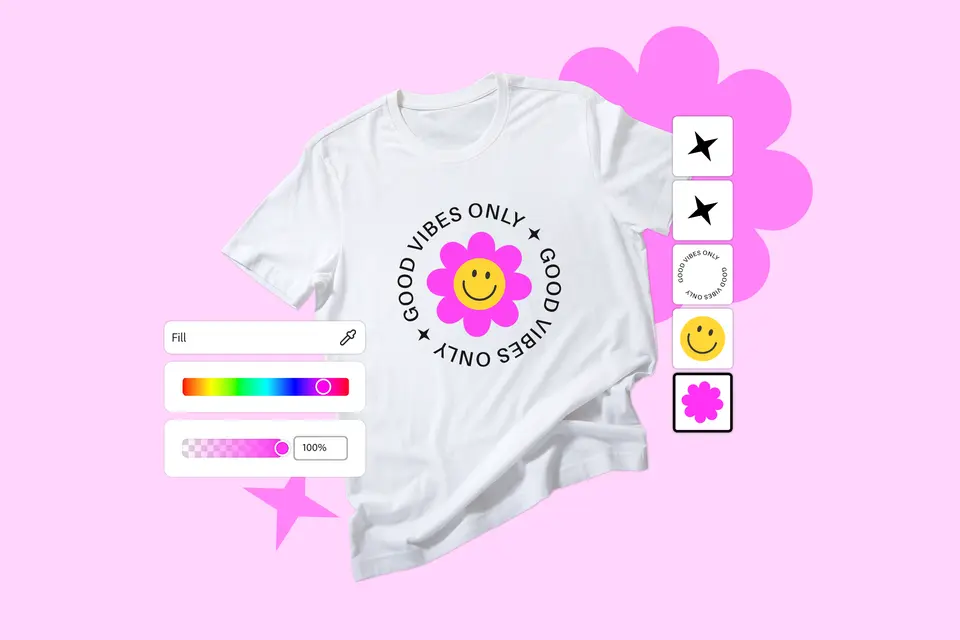
- Sell custom merchandise: Items like T- shirts, tote bags, mugs, and phone cases featuring your branding are high-demand products in the creator economy.
- Offer personalized products: You can turn digital designs into physical posters, stickers, notebooks, and printed invitations that consumers can customize for their own use.
- Expand into design services: Many businesses still rely on printing flyers, business cards, and posters to promote events and can monetize these as customizable templates.
- Leverage sustainable trends: Using eco-friendly materials and sustainable packaging appeals to a growing market of environmentally conscious consumers.
Establishing passive income through print
Generating passive income allows you to earn money from your designs long after the initial creative work is finished.
- Use print on demand: This model removes the risk of unsold stock by only printing an item after a customer has placed an order.
- Automate fulfillment: By linking your design storefront to a fulfillment partner, the production and shipping processes happen without your daily intervention.
- Market evergreen designs: Focus on themes that remain relevant year-round to ensure a steady stream of royalties.
Professionalism through white-label printing
White-label printing allows you to provide high-quality physical goods that appear to be manufactured directly by your brand.
- Brand anonymity: The printing partner remains invisible to the customer, ensuring your brand receives all the credit for the product quality.
- Premium packaging: Many white-label services offer custom inserts and branded labels to enhance the unboxing experience.
- Expert manufacturing: You gain access to professional-grade equipment and materials that would be too expensive for most individual creators to own.
Why print marketing works: trust and impact
The average person is exposed to between 6,000 and 10,000 digital ads per day. Print stands out because it demands physical attention.
- Building legitimacy: A well-designed flyer or high-quality card conveys professionalism and business stability.
- Tactile connections: Physical materials produce a neurological connection with the brand, making printed materials harder for the consumer to forget.
- Sensory engagement: High-quality prints engage multiple senses-sight, touch, and even smell — which helps create a stronger emotional bond.
Winning with hybrid marketing
Successful brands don’t replace digital with print; they use a hybrid approach where both mediums complement each other.
- QR code bridges: Including QR codes on product labels or retail displays drives traffic back to your social media or website for deeper engagement.
- Physical loyalty programs: Printed coupons or loyalty cards can incentivize in-store visits while integrating with digital rewards apps.
- Reinforcing identity: Using branded packaging and thank-you notes adds a personalized touch to e-commerce orders that digital emails cannot match.
Trending custom merchandising ideas for 2026
To maximize profits in 2026, focus on products that blend high utility with specific aesthetic movements.
- Tech-centric accessories: Custom printed laptop sleeves and textured tablet cases that match your brand's visual identity.
- Earthen and tactile goods: Merchandise featuring matte finishes, recycled paper textures, and organic cotton fabrics.
- Kinetic and holographic stickers: Interactive print elements that change appearance based on the light or angle, perfect for the "dopamine decor" trend.
- High-end stationery: Thick, premium cardstock for journals and planning kits that cater to the "slow living" lifestyle.
Designing and printing with Adobe Express
Adobe Express makes the transition from screen to shelf seamless for creators of all experience levels.
- Professional templates: Access thousands of ready-to-use layouts for business cards, flyers, and apparel that are fully customizable.
- AI-powered tools: Enhance your designs with one-click background removal and unique text effects that translate smoothly to physical prints.
- Direct ordering: Eliminate the need for third-party searches by designing and ordering high-quality products directly within the platform.
- Fast and eco-friendly: Enjoy streamlined fulfillment with fast shipping and options for sustainable packaging materials.
With Adobe Express, creating and printing high-quality materials has never been easier. Whether you want to design and order prints to boost your brand, market your business, or sell custom-designed products, print is a proven strategy that still delivers real results.
Learn more about how to design and print using high-quality, sustainable materials with Adobe Express, the all-in-one AI content creation app.