Acrobat
What is KYC and how to do KYC verification in India.
Understand what KYC verification is in India, explore the different methods from Aadhaar card KYC to PAN 2.0 digital identity checks, and see how you can keep your documents secure and ready with Acrobat.

Published by Adobe Acrobat India on 24 September 2025
Digital Signature, Document Management, Electronic Signature
Why is KYC important?
- Protects against fraud and identity theft
- Prevents money laundering
- Builds trust between customers and institutions
- Ensures compliance with Indian regulations
Who needs to complete KYC?
Almost everyone in India interacting with financial services will need to complete KYC:
- Bank customers
- Investors in stocks or mutual funds
- Insurance policyholders
- Users of digital wallets and fintech apps
What are the key documents needed for KYC verification?
- Aadhaar card: Required for Aadhaar card KYC verification (OTP or biometric). Your details are confirmed directly from UIDAI, minimizing errors.
- PAN card: Important for tax and financial tracking. Your PAN helps track financial transactions and taxes, making it essential for KYC. Linking PAN with Aadhaar ensures a more robust identity check.
- PAN 2.0 digital KYC identity verification: A new digital-first approach making checks faster and more secure. The next step in KYC. PAN 2.0 integrates advanced digital systems for real-time, secure verification and fraud prevention.
What are the methods for conducting KYC verification of customers?
There’s more than one way to complete KYC in India:
- In-person verification or IPV: Submit documents physically at a branch.
- Offline KYC: Use Aadhaar XML/QR code.
- Online Aadhaar e-KYC: Instant OTP or biometric authentication.
- Video KYC: Secure verification over a video call.
- Central KYC (CKYC): A one-time verification stored for future use across multiple services
How to complete KYC with a bank.
There’s more than one way to complete KYC in India:
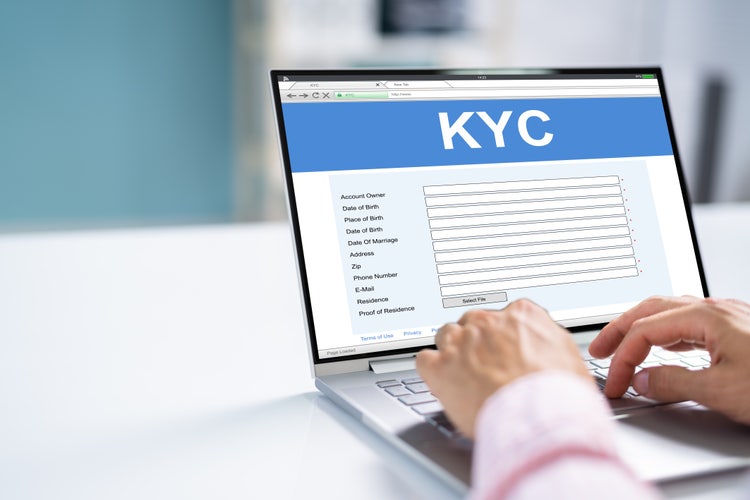
- Fill out the KYC form online or offline
- Submit Aadhaar, PAN, and other documents. Ensure your documents are in the right file format and within the right file size
- Authenticate your KYC via OTP, biometrics, or in person
- Once the above steps have been complete, the next step is approval. This would usually take a few business days.
What are the challenges you might face and how to tackle them?
If you have all your documents organised, the process is quite smooth. However, it is important to keep in mind a few obstacles you might face and how to avoid them.
- Outdated or mismatched documents usually delay the process: To avoid this, always keep your Aadhaar card and PAN updated.
- Mobile number not linked to Aadhaar card: Ensure your mobile number is always linked to your Aadhaar card.
- Delays in manual verification: Manual or in-person verification can lead to slow processing times with KYC verification. Preferably, opt for e-KYC or video KYC for efficiency, and log onto official government websites and apps for the KYC process.
KYC is not just about compliance, it is about confidence. By verifying identities quickly and securely, India is building a safer, more transparent financial system that works for everyone.
Frequently asked questions.
The documents required for KYC verification will differ from bank to bank but you will typically need:
- Proof of identity (e.g. Aadhaar, PAN, Passport)
- Proof of address (e.g. utility bill, bank statement)
- A passport-sized photograph
Please check with your respective banks for a complete list of documents required for KYC verification.
More resources