
Creativity for all
Photography, video, graphic design, illustration and so much more. Everything you need, wherever your imagination takes you.


DESIGN
Learn how colour meanings and colour wheel theory help you choose better palettes, communicate ideas clearly, and create stronger designs for projects and presentations.

TABLE OF CONTENTS
What is colour psychology and why does colour meaning matter in design?
What is the importance of colours in design projects?
What is colour meaning in design?
How do cultural and contextual factors influence meaning of colours?
What practical steps help you choose the right colour palette?
What troubleshooting advice can resolve common colour choice issues?
How colour meaning enhances creative impact across media?
How can you apply colour management across your design process?
Colour psychology studies how hues influence perception and behaviour. Understanding the meaning of colours helps students and designers create visuals that communicate ideas more effectively. Designers use this knowledge to:
• Evoke emotions that align with brand identity
• Guide user attention to calls to action and key messages
• Enhance readability and visual hierarchy in layouts
• Strengthen memorability by creating distinctive, cohesive colour schemes
• Apply colour wheel theory to build balanced palettes for digital and print projects
Tip: Create a simple reference sheet listing your primary and secondary brand colours with their intended emotional impact. Students can use this as a quick colour emotion guide when working on academic or portfolio design projects.
Each hue carries distinct connotations. Below is a colour emotion guide for the most commonly used colours in design. This list of colour meanings helps readers understand colour psychology in design and apply colour theory in design projects.

Colour perceptions vary across cultures, audiences, and design contexts. Understanding these factors helps students make more informed colour choices in design projects.
Tip: Use Adobe Colour Themes in Photoshop or Illustrator to explore culturally relevant palette options and test colour contrast for accessibility.
Choosing colours that reflect your brand’s personality and values requires both creative intuition and strategic thinking. Students can follow these steps when developing brand concepts, portfolio identities, or academic design assignments.
Even experienced designers face challenges when applying colour meanings. Below are common issues along with practical solutions, tailored for diverse design contexts in India:
Tip: Always test how colours look on mobile devices, especially in varying lighting conditions. Maintain a nondestructive workflow by using adjustment layers for hue and saturation changes in Photoshop or Illustrator.
Below are five scenarios that illustrate how mastering colour emotion can elevate projects across media.
Example: A student creating an explainer video project can leverage colour psychology to set the mood, warm reds for energy or cool blues for calm, aligning visuals with narration.
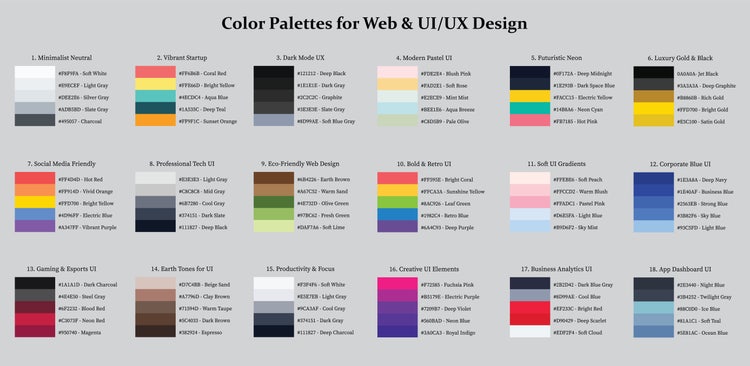
Integrating colour emotion guides and brand palettes into your creative workflow can significantly improve efficiency and output consistency. Here’s how students can streamline the process using Adobe Creative Cloud products:
Colours carry profound emotional weight and cultural significance. By understanding colour meaning in design and colour psychology in design, students can create projects that communicate ideas more clearly. Whether working on portfolio pieces, presentations, branding assignments, or multimedia coursework, using a simple colour emotion guide can help maintain consistency and visual impact across designs. Learning to apply colour theory in design helps students build stronger creative confidence and storytelling skills.
Get 20+ apps to create anything you can imagine, from simple social posts to standout portfolios. ₹398.99/moincl. GST for the annual billed monthly plan for the first year. See terms.

Photography, video, graphic design, illustration and so much more. Everything you need, wherever your imagination takes you.

Based on your location, we think you may prefer the United States website, where you'll get regional content, offerings, and pricing.