DESIGN
Colour meanings and colour wheel theory in design.
Learn how colour meanings and colour wheel theory help you choose better palettes, communicate ideas clearly, and create stronger designs for projects and presentations.

TABLE OF CONTENTS
What is colour psychology and why does colour meaning matter in design?
What is the importance of colours in design projects?
What is colour meaning in design?
How do cultural and contextual factors influence meaning of colours?
What practical steps help you choose the right colour palette?
What troubleshooting advice can resolve common colour choice issues?
How colour meaning enhances creative impact across media?
How can you apply colour management across your design process?
What is colour psychology and why does colour meaning matter in design?
Colour psychology studies how hues influence perception and behaviour. Understanding the meaning of colours helps students and designers create visuals that communicate ideas more effectively. Designers use this knowledge to:
• Evoke emotions that align with brand identity
• Guide user attention to calls to action and key messages
• Enhance readability and visual hierarchy in layouts
• Strengthen memorability by creating distinctive, cohesive colour schemes
• Apply colour wheel theory to build balanced palettes for digital and print projects
What is the importance of colours in design projects?
- Emotional resonance: Colours trigger subconscious associations - red energises, blue calms
- Brand consistency: A defined palette reinforces brand recognition across media
- User experience: Appropriate colours improve usability and accessibility
- Cross-cultural relevance: Colours carry varied significances in different regions - important for global and Indian audiences
Tip: Create a simple reference sheet listing your primary and secondary brand colours with their intended emotional impact. Students can use this as a quick colour emotion guide when working on academic or portfolio design projects.
What is colour meaning in design?
Each hue carries distinct connotations. Below is a colour emotion guide for the most commonly used colours in design. This list of colour meanings helps readers understand colour psychology in design and apply colour theory in design projects.
Red.
- Emotion and meaning: Energy, passion, urgency and excitement
- Applications:
- Event posters for college festivals or competitions
- Highlight elements in presentation slides to draw attention to key points
- Cultural note (India): Red symbolises prosperity and celebration, making it ideal for festive campaigns
- Design tip: If red feels overwhelming, use it sparingly as an accent rather than a background
- When to use red colour: Use red when a design needs to communicate urgency, excitement, celebration, or strong emphasis
Blue.
- Emotion and meaning: Calmness, trustworthiness and professionalism
- Applications:
- Infographics explaining research findings or data-heavy topics
- UI mockups for education platforms or mobile app design assignments
- Cultural note (India): Blue is associated with divinity and depth, linked to Krishna and open skies
- Design tip: Low-contrast blues on white can reduce readability. Adjust shade or add outlines
- When to use blue colour: Use blue when clarity, stability, and focus are important, especially in informational or interface design
Green.
- Emotion and meaning: Growth, health and sustainability
- Applications:
- Sustainability campaign posters or environmental awareness projects
- Dashboard designs showing progress, success states, or positive outcomes
- Cultural note (India): Green represents new life and harvest; appropriate for agricultural products
- Design tip: Bright greens can clash with other colours. Balance with neutral greys or whites
- When to use green colour: Use green when a design needs to communicate growth, balance, health, or sustainability
Yellow.
- Emotion and meaning: Optimism, creativity and warmth
- Applications:
- Idea boards or brainstorming presentation slides
- Educational illustrations for learning materials or explainer graphics
- Cultural note (India): Yellow is auspicious, linked to knowledge and learning (saraswati); common in educational content
- Design tip: Pure yellow on white strains the eyes. Opt for golden or mustard shades
- When to use yellow colour: Use yellow when highlighting creativity, optimism, or attention-grabbing information
Orange.
- Emotion and meaning: Enthusiasm, friendliness and affordability
- Applications:
- Club promotion graphics or campus event announcements
- Callout sections in digital portfolios or case studies
- Cultural note (India): Saffron (a deep orange) is a sacred hue in Hinduism and national identity
- Design tip: Ensure sufficient contrast when overlaying text on orange backgrounds
- When to use orange colour: Use orange when a design needs to feel energetic, friendly, and encouraging
Purple.
- Emotion and meaning: Luxury, creativity and mystery
- Applications:
- Creative portfolio covers for art or media courses
- Concept posters for storytelling, film, or music projects
- Cultural note (India): Purple is less traditional but suggests royalty and modernity in contemporary designs
- Design tip: Dark purples can appear nearly black. Test on different displays
- When to use purple colour: Use purple when a design should communicate creativity, imagination, or originality
Pink.
- Emotion and meaning: Femininity, compassion and playfulness
- Applications:
- Awareness campaign graphics or social cause posters
- Lifestyle or fashion-themed design assignments
- Cultural note (India): Pink festivals (e.g. Holi) use bright magentas. It connects well with youthful audiences
- Design tip: Overuse may reduce credibility for certain corporate contexts. Pair with neutral tones
- When to use pink colour: Use pink when a design needs to feel compassionate, playful, or expressive
Black, White and Grey
- Emotion and meaning:
- Black: Sophistication, elegance and authority
- White: Purity, simplicity and openness
- Grey: Neutrality, balance and calm
- Applications:
- Backgrounds to highlight colourful elements
- Typography for maximum legibility
- Troubleshooting: Pure black on white offers highest contrast; use off-whites or dark greys to reduce eye strain
- Emotion and meaning:
- Black: Sophistication, elegance and authority
- White: Purity, simplicity and openness
- Grey: Neutrality, balance and calm
- Applications:
- Wireframes, typography posters, and portfolio layouts where contrast and readability matter
- Backgrounds for presentations or design boards that need to keep focus on content
- Cultural note (India): White often represents simplicity and calm, black is linked with formality and authority, while grey is widely used in contemporary and professional visual design
- Design tip: Pure black on white offers highest contrast; use off-whites or dark greys to reduce eye strain
- When to use these colours: Use neutral colours when structure, contrast, readability, and visual hierarchy are more important than emotional expression

How do cultural and contextual factors influence meaning of colours?
Colour perceptions vary across cultures, audiences, and design contexts. Understanding these factors helps students make more informed colour choices in design projects.
- Understand audience and cultural context:
- The meaning of colourcan change depending on culture, tradition, and audience expectations.
- In India, saffron represents courage and spirituality, while green symbolises growth and auspiciousness.
- Considering cultural associations helps students avoid miscommunication in visual design.
- Match colour choices to project goals:
- Colours should support the purpose of a design, whether it is a presentation, portfolio project, poster, or brand concept.
- For example, blue is often used in technology-related designs to communicate trust, while green is commonly used for sustainability themes.
- Testing colour combinations helps ensure visual hierarchy and clarity.
- Design for accessibility and readability:
- Ensure there is enough contrast between colours so content remains readable across screens and print.
- Following WCAG AA contrast guidance helps support users with colour blindness or low vision.
- Using colour wheel theory can help students select balanced and accessible colour combinations.
Tip: Use Adobe Colour Themes in Photoshop or Illustrator to explore culturally relevant palette options and test colour contrast for accessibility.
What practical steps help you choose the right colour palette?
Choosing colours that reflect your brand’s personality and values requires both creative intuition and strategic thinking. Students can follow these steps when developing brand concepts, portfolio identities, or academic design assignments.
1. Define your brand’s emotional goals.
- Identify the core feelings and values you want your brand to evoke, such as trust, innovation, reliability or playfulness. For students, this could mean deciding how a project or portfolio identity should feel to viewers.
2. Research colour norms in your industry.
- Study successful competitors and market leaders. For example, blue is common in finance and tech for its connotations of trust and professionalism. Students can analyse well-known brands to understand how colour meaning in design works in real products and services.
3. Create mood boards for brand alignment.
- Use platforms like Behance or Pinterest to collect imagery, colour palettes and references that visually reflect your brand’s tone and target audience. Mood boards help students plan colour direction before starting design work.
4. Apply colour theory for consistency.
- Use complementary, analogous or triadic schemes to ensure harmony across brand assets, from logos to packaging and digital interfaces. This helps students apply colour wheel theory in practical design scenarios.
5. Test colours in brand-relevant contexts.
- Preview your palette across key brand touchpoints such as websites, social media, mobile apps and printed materials using apps like Adobe InDesign or Adobe XD. Students can test palettes across presentations, UI mockups, and portfolio layouts.
6. Collect feedback from your target audience.
- Share mock-ups through Creative Cloud Libraries with clients, internal teams or focus groups to gather impressions and refine based on perception. Students can gather feedback from classmates, instructors, or peer review sessions.
7. Refine the palette for clarity and impact.
- Adjust tones, contrast and saturation to ensure colours remain consistent and effective across different lighting conditions, screen types and media. Refining colours helps students improve visual clarity and hierarchy in their designs.
What troubleshooting advice can resolve common colour choice issues?
Even experienced designers face challenges when applying colour meanings. Below are common issues along with practical solutions, tailored for diverse design contexts in India:
- Colours appear different across screens.
- Calibrate your monitor to achieve consistent colour output
- Use device previews in Adobe XD or InDesign to check how colours appear on mobile phones and tablets
- Low contrast between text and background.
- Increase the contrast ratio to at least 4.5:1 for body text to meet accessibility standards
- Add outlines or subtle shadows to improve text visibility against complex backgrounds
- Brand palette feels stale or outdated.
- Introduce a fresh accent colour that complements the existing palette
- Adjust saturation and brightness levels to give the design a more modern feel
- Colour palette feels stale or outdated.
- Use Adobe Colour Themes and the Colour Wheel to select harmonious palettes based on colour theory
- Convert colours to HSL and fine-tune lightness and saturation for better balance
- Cultural or regional misinterpretation.
- Be mindful of regional symbolism; for example, a colour that conveys celebration in Delhi might feel overpowering in Chennai
- Research local customs and seek feedback from your target demographic across different parts of India
Tip: Always test how colours look on mobile devices, especially in varying lighting conditions. Maintain a nondestructive workflow by using adjustment layers for hue and saturation changes in Photoshop or Illustrator.
How colour meaning enhances creative impact across media.
Below are five scenarios that illustrate how mastering colour emotion can elevate projects across media.
- Social media videos.
- Application: Use colour palettes consistently in animated lower-thirds, transitions and end-cards
- Benefit: Instantly recognisable content that strengthens brand recall
- Voiceovers for reels or animations.
- Application: Create coloured waveform animations in After Effects that match sentiment of the narration
- Benefit: Reinforces emotional tone in storytelling and multimedia assignments
- Short-form branded content.
- Application: Design Instagram Stories templates in Photoshop with accent colours that prompt user interaction
- Benefit: Helps students understand how colour psychology in design influences audience engagement
- Academic project presentations.
- Application: Colour-code sections in InDesign reports or presentation documents to guide reader attention
- Benefit: Improves clarity and information hierarchy in academic projects
- Remote collaboration via document sharing.
- Application: Share palette swatches in Creative Cloud Libraries and invite classmates or instructors to comment directly in Illustrator or XD
- Benefit: Encourages collaborative learning and consistent colour usage across group projects
Example: A student creating an explainer video project can leverage colour psychology to set the mood, warm reds for energy or cool blues for calm, aligning visuals with narration.
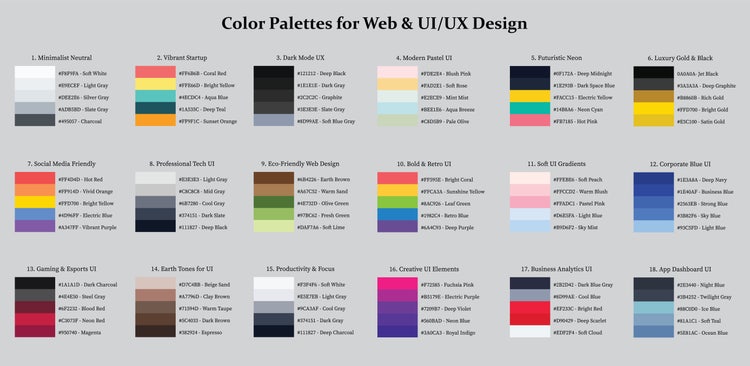
How can you apply colour management across your design process?
Integrating colour emotion guides and brand palettes into your creative workflow can significantly improve efficiency and output consistency. Here’s how students can streamline the process using Adobe Creative Cloud products:
1. Create and store palettes in Creative Cloud Libraries.
- Save your primary, secondary and accent colours for instant access across Photoshop, Illustrator, InDesign and After Effects. Students can reuse palettes across assignments and portfolio projects to maintain visual consistency.
If you're new to working with colour tools in Photoshop, this Photoshop tutorial for beginners guide can help you understand the basics of managing and applying colours in your designs.
2. Use global swatches in Illustrator.
- Define global colours that automatically update across your artwork when you adjust hue or tint - ideal for version control and branding consistency. This helps students quickly experiment with colour variations without redesigning layouts.
3. Explore combinations with Adobe Colour Themes panel.
- Experiment with analogous, complementary and custom colour schemes without leaving your Creative Cloud environment. This reinforces colour wheel theory and helps students discover new palette ideas.
4. Embed colour profiles to ensure consistency.
- Use sRGB for digital projects and CMYK for print to maintain colour fidelity across different output formats. Understanding colour profiles helps students prepare designs correctly for screen and print submissions.
5. Automate swatch updates with scripting.
- Use Adobe ExtendScript to batch-apply brand colours to multiple assets or update swatches across entire file libraries in one step. Advanced learners or design students working on large projects can use automation to save time.
6. Document SOPs for colour usage.
- Maintain a centralised guide outlining how palettes should be used, including contrast requirements and cultural considerations, especially for Indian audiences. Students can include this documentation in portfolio case studies or design reports.
7. Schedule regular palette reviews.
- Audit your brand colours across print and digital collateral quarterly, updating where necessary to ensure adherence and visual harmony. This helps students refine colour choices as projects evolve.
Harness the power of colour to create meaningful designs.
Colours carry profound emotional weight and cultural significance. By understanding colour meaning in design and colour psychology in design, students can create projects that communicate ideas more clearly. Whether working on portfolio pieces, presentations, branding assignments, or multimedia coursework, using a simple colour emotion guide can help maintain consistency and visual impact across designs. Learning to apply colour theory in design helps students build stronger creative confidence and storytelling skills.
Frequently asked questions about colour meaning in design.
How do Indian festivals influence colour preferences in design?
Which Adobe app can help generate culturally relevant colour palettes?
Do colours have different meanings across regions in India?
What is the best way to maintain colour consistency across branding materials?
How important is colour accessibility in design for Indian audiences?
How can colours affect emotional responses in Indian digital advertising?
What Adobe app is ideal for editing vector-based colour elements?
Can colours used in design unintentionally offend cultural sentiments?
Is there a quick way to test how a colour palette looks in real-world settings?
Can I extract colour schemes from photos for use in my own designs?
You may also like
Content as a Service v3 - file-type graphic design collection - Monday 7 July 2025 at 18:12