

Creativity for all
Photography, video, graphic design, illustration and so much more. Everything you need, wherever your imagination takes you.


PHOTOGRAPHY
Long exposure photography transforms everyday scenes into something extraordinary — rivers turn silky, clouds streak across the sky, and city lights glow as trails. This guide explains what long exposure is, when to use it, the gear and settings you need, and ideas to spark your creativity, with tips on editing your shots in Lightroom and Photoshop.
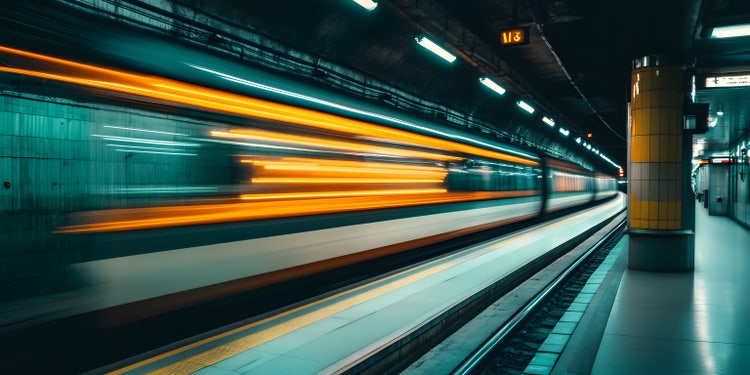
Long exposure photography is a technique where the camera’s shutter stays open for longer than usual to capture movement and light over time. It produces creative effects such as blurred motion, silky water, or glowing light trails. The technique is often used to reveal details in low light and to create artistic results that are not visible to the naked eye.
Long exposure is useful in many situations: capturing movement in water, clouds, or light trails; reducing noise and improving quality in low-light or night photography, such as star trails or cityscapes; making moving people or objects disappear from busy scenes; and creating abstract effects by intentionally blurring motion.
As photographer Nick Ulivieri explains: “Long exposure photography is when you allow your camera’s sensor to gather light for a longer amount of time. One major goal of this is revealing more detail in the darker areas of the scene. For more creative purposes, you may want to use a long exposure to create a sense of motion in your images.”
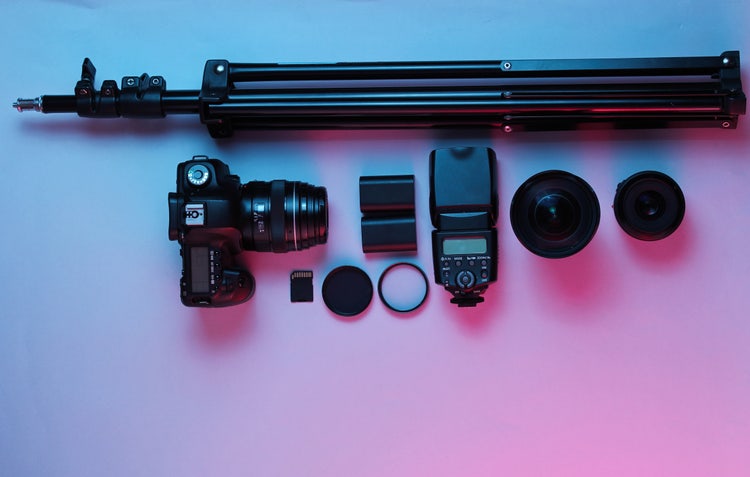
Long exposure relies on balancing three main settings:
Most long exposures combine a narrow aperture with a slower shutter speed, while ISO is usually kept low to preserve clarity. Achieving the desired effect often takes a few test shots and small adjustments until the exposure looks balanced.
Decide what you want your photo to show. Long exposures work best when there is movement, such as flowing water, drifting clouds, or light trails, contrasted with solid elements like rocks or buildings.
Set up a tripod to keep the camera steady, and use a remote release or the self-timer to avoid vibrations when pressing the shutter. Even small movements can blur a long exposure.
Frame the scene, focus on your subject, then switch to manual focus. This keeps the focus fixed during the exposure, as autofocus can shift mid-shot and cause blur.
Adjust aperture, ISO, and shutter speed depending on the effect you want to get the correct exposure for your photos. For exposures longer than 30 seconds, use Bulb mode with a remote release for precise control of how long the shutter stays open.
If the scene is too bright, add an ND filter. Filters come in different strengths, and stronger ones block more light so you can extend the shutter speed without overexposing.
Take the shot and review the result. Experiment with different settings until you achieve the effect you want.
Long exposure photography offers many creative possibilities by playing with motion and light. Here are some ideas to try and experiment with, from flowing water to dramatic skies and night scenes.
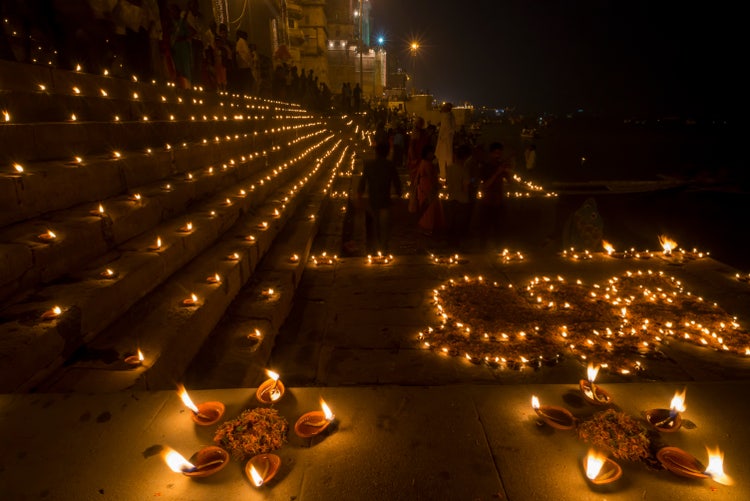
India’s vibrant festivals and bustling cities offer incredible opportunities for creative long exposures. City nightlife in places like Mumbai or Delhi produces glowing traffic trails and lively, colourful skylines. During Diwali, glowing diyas, fireworks, and illuminated ghats create trails of light and colour, making it an ideal opportunity for light painting photography to capture creative patterns and motion in your shots. Holi in Mathura and Vrindavan bursts with motion and energy, where long exposures can blur clouds of coloured powder and crowds in celebration into dynamic, painterly frames.
Blending cultural celebrations with technical creativity gives your photos a distinctly local character.
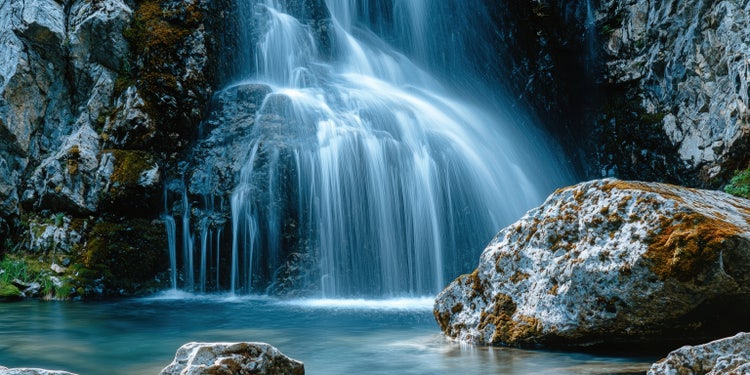
Flowing water is full of natural movement, making it one of the best subjects for long exposures. Shorter exposures (around 1/6 to 1 second) keep some texture in the water, while longer exposures smooth it into misty white streams. Overcast days often work best because the softer light reduces harsh reflections. A polariser can also help cut glare and make colours in rocks and water more vibrant.
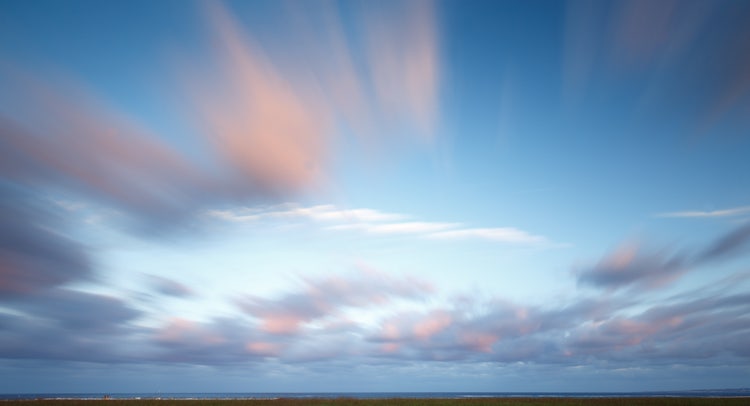
Clouds constantly shift and create dramatic skies when blurred with long exposures. Fast-moving, low clouds streak across the frame in seconds, while higher or slower clouds may require several minutes to show movement. Patchy skies usually create more interesting effects than flat overcast, and adding a polariser can help deepen the contrast between the sky and the clouds.
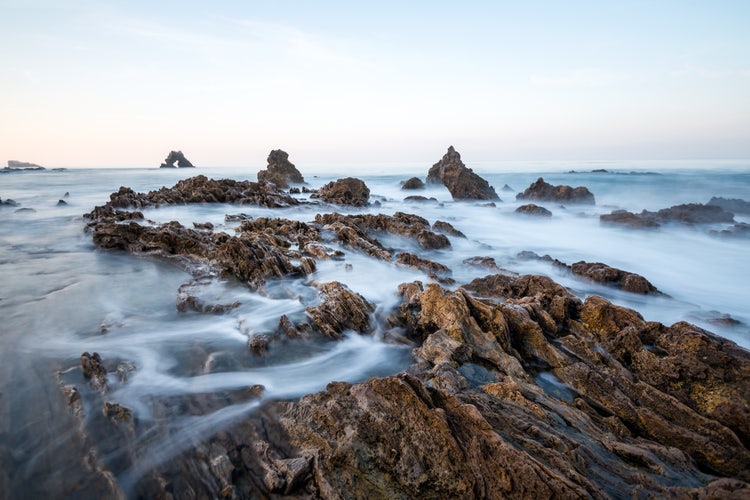
The sea offers a mix of motion and stillness that changes with the tides and wind. Shorter exposures (1/10 to 1 second) capture swirling waves with texture, while very long exposures flatten the sea into a glassy surface. Shooting as the water pulls back from the shore can also create striking leading lines. Strong ND filters are especially useful here if you want to completely blur the waves.
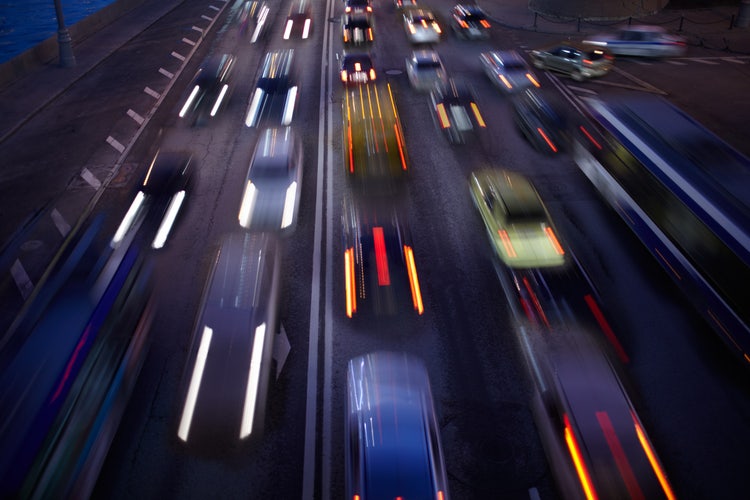
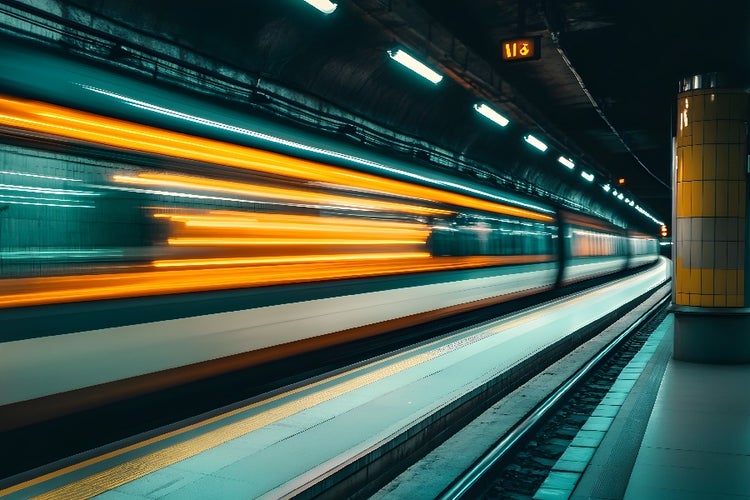
Long exposure night photography reveal details the eye cannot see. With little ambient light, the camera sensor records movement like star trails across the sky or glowing light trails from cars.
Depending on the subject, exposures may last from seconds to several minutes. For cityscapes, long exposures smooth water reflections and capture the energy of moving lights against sharp skylines.
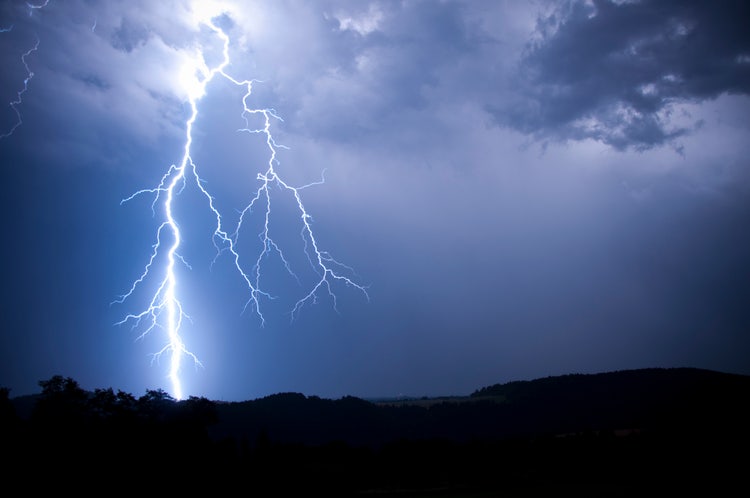
Lightning and storm photography brings unpredictability and drama, making them unique long exposure subjects. Because lightning strikes cannot be timed, photographers often take repeated exposures in quick succession. As Nick Ulivieri explains: “If I’m taking 12-second exposures — because that’s what sky conditions dictate — I just keep taking them over and over in quick succession with the hope that my shutter is already open by the time the lightning hits.” Patience is key, but when successful, the results are striking.
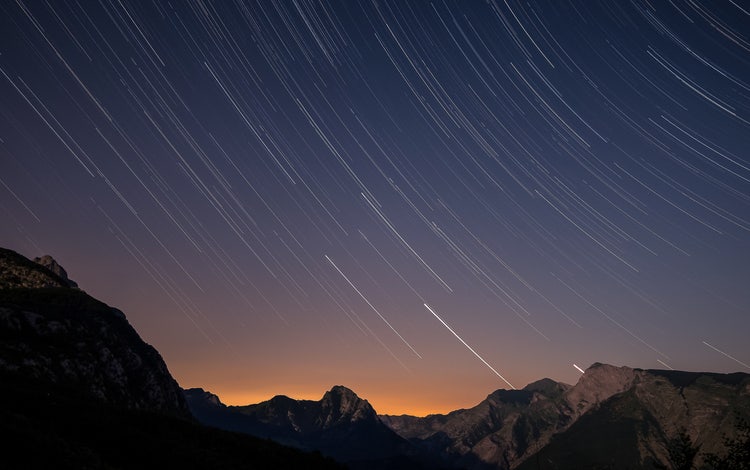
Landscapes take on atmosphere and depth with long exposures, especially during changing light. One of the best times is 15 minutes to an hour after sunset, when the sky still holds colour and balances with deepening shadows or city lights. As Ulivieri notes: “You get the nicest kind of light, and you still have some color in the sky. That’s a great time to do long exposures because you can get an even exposure between the deepening blue sky above with the vibrant city lights below.” Whether it is mountains, seascapes, or city horizons, long exposures add mood and ambience in ways a standard photo cannot.
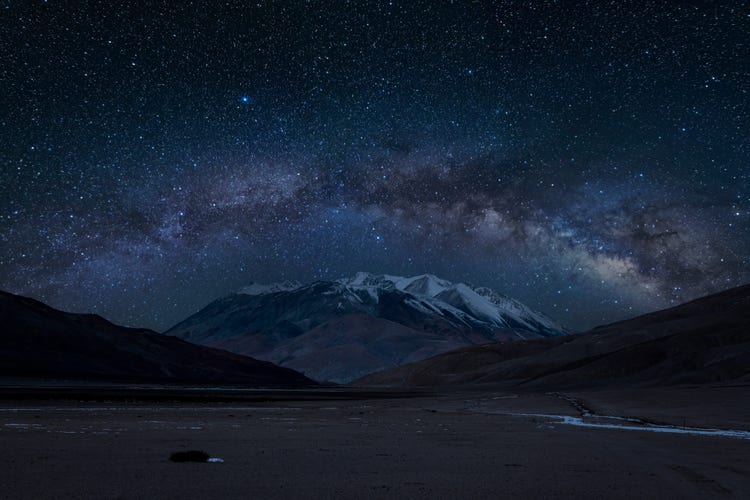
Long exposures transform the night sky into a canvas of stars and celestial motion. Shooting during clear, moonless nights allows you to capture star trails, the Milky Way, or even meteor showers in vivid detail. Using a sturdy tripod and a wide-aperture lens helps gather enough light, while long shutter times reveal movement invisible to the naked eye. Locations away from city lights, like Ladakh, Spiti Valley, or the Western Ghats, provide dark skies ideal for astrophotography. Combining these techniques with scenic landscapes adds depth and context, making your night-sky shots truly breathtaking.
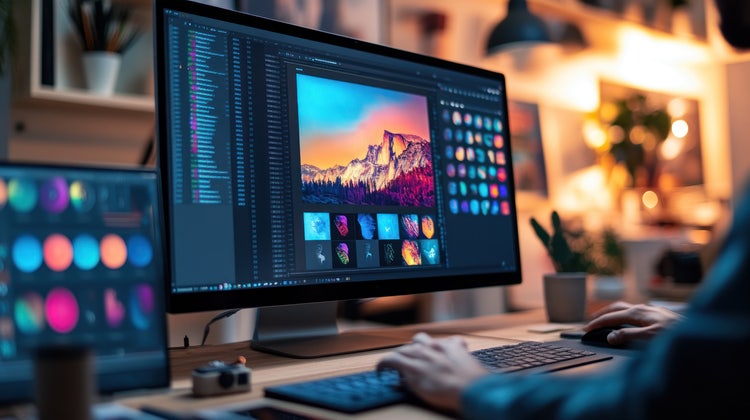
Editing helps bring out the full potential of long exposure images, from balancing light to reducing noise. While the exact process depends on your style, there are a few common adjustments most photographers consider:
Most photographers use a combination of editing tools to refine long exposure images. Lightroom is often used early in the process to make broad adjustments such as exposure, colour balance, and noise reduction, while Photoshop comes in later for more detailed refinements, like blending exposures or enhancing specific areas of a photo. With Adobe Creative Cloud Pro, photographers gain access to the full suite of tools along with cloud storage, advanced AI features, and seamless integration between apps, making it easier to manage, edit, and creatively interpret long exposure shots. Each program plays a role in shaping the final image, and together they give photographers the flexibility to both correct and creatively interpret their shots.
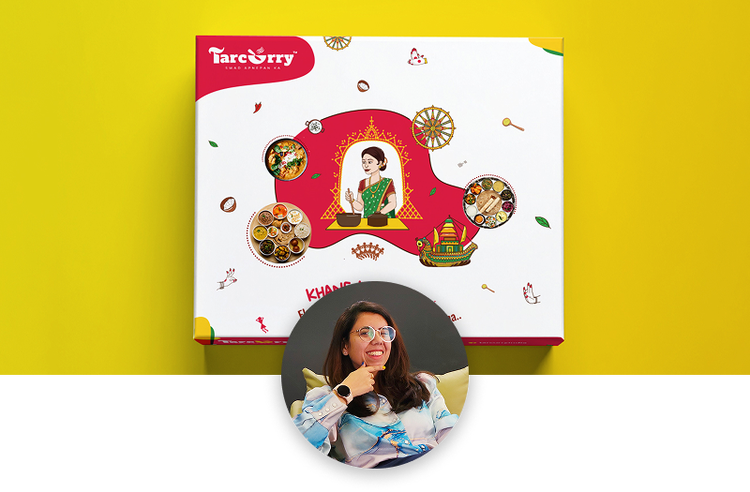
“I work across multiple apps for my branding projects. With Illustrator and Photoshop, I can move seamlessly between the two, without hampering my productivity.”
Nisha Droch, Designer & Co-founder, Creative Hatti
Photography, video, graphic design, illustration and so much more. Everything you need, wherever your imagination takes you.
Based on your location, we think you may prefer the United States website, where you'll get regional content, offerings, and pricing.