

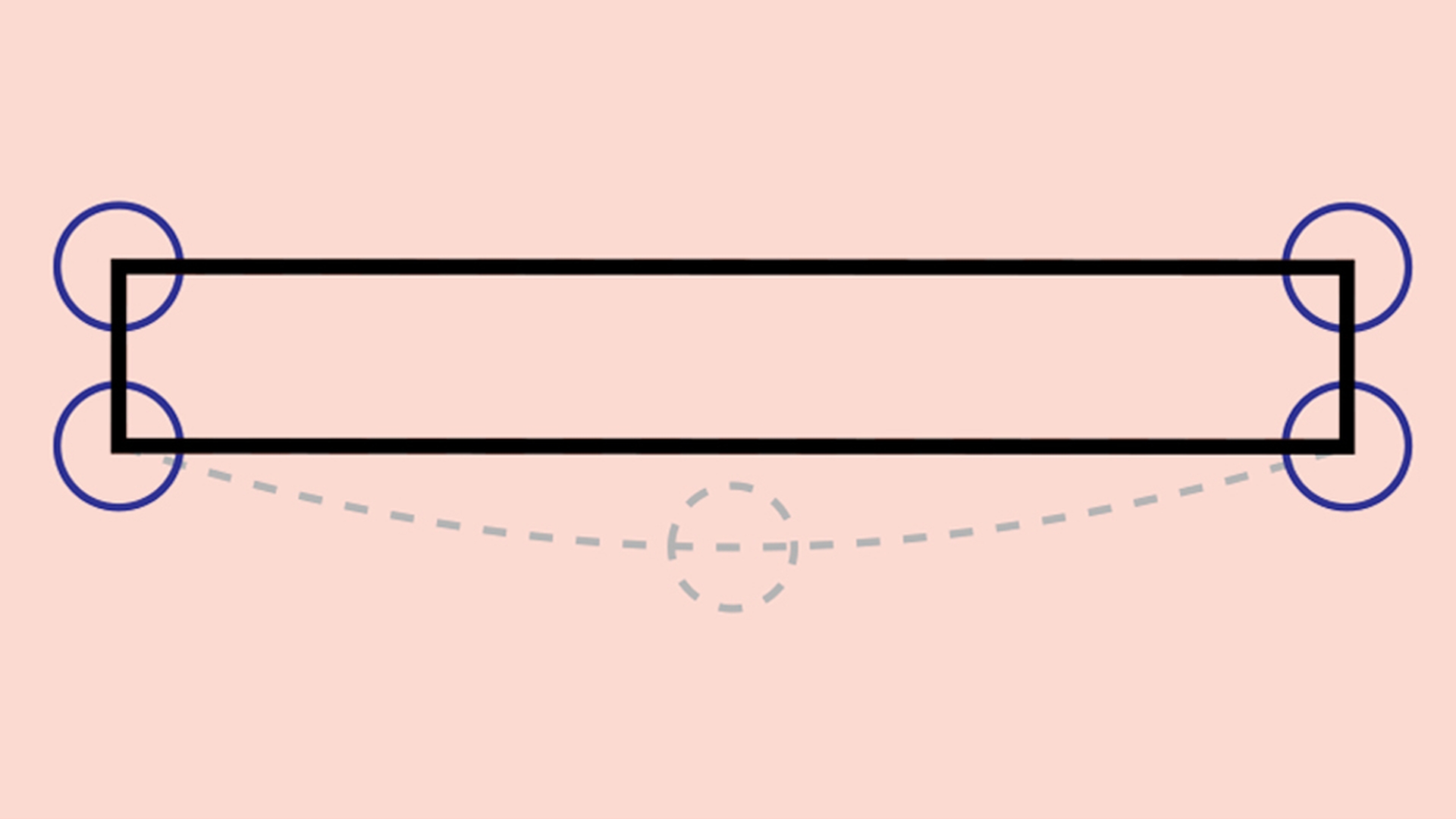


Kurşun Kalem ve Kavis araçlarının nasıl kullanılacağı, yolların nasıl düzenleneceği ve daha fazlası dahil olmak üzere Adobe Illustrator'da çizim araçlarını kullanmayla ilgili temel bilgileri öğrenin.
Araç seçeneklerini ayarlamak için Kurşun Kalem aracını çift tıklatın.
Kurşun Kalem aracıyla bir yol oluşturmak için belgede sürükleyin.
Çizim yaparken yolun başlangıcına dönüp yolu kapatın ve bir şekil oluşturun.
Kurşun Kalem aracını yeniden çizilecek yol parçasının üzerinde konumlandırın. Yeniden çizmek için sürükleyin ve yola geri dönüp çizimi tamamlayın.
Kurşun Kalem aracıyla düz bir yol çizmek için Alt tuşunu (Windows) veya Option tuşunu (macOS) basılı tutarak sürükleyin.
3
Kavis aracıyla çizim yapma
Kavis aracını kullanarak farklı yol türlerinin nasıl çizileceğini keşfedin.
Öğrendiğiniz içerik: Kavis aracıyla çizim yapma
Araçlar panelinde Kavis aracını seçin.
Yoldaki bağlantı noktalarını ayarlamak için tıklatın. Bağlantı noktaları, varsayılan olarak eğri yollar oluşturur.
Kavis aracıyla düz bir yol oluşturmak üzere bir bağlantı noktası ayarlamak için çift tıklatın veya yolu düz hale getirmek için mevcut bir bağlantı noktasını çift tıklatın.
Yola noktalar eklemek için işaretçiyi yolun üzerine getirin. İşaretçinin yanında artı (+) işareti görüntülendiğinde bir nokta ayarlamak için tıklatın.
Bağlantı noktalarını taşımak için sürükleyin.
4
Yolları ve şekilleri düzenleme
Kavis ve Doğrudan Seçim araçlarıyla yolları nasıl düzenleyeceğinizi keşfedin.
Öğrendiğiniz içerik: Yolları düzenleme
Araçlar panelinde Seçim aracını seçin. Bir şekli tıklatıp veya sürükleyip seçin.
Yolun bağlantı noktalarını düzenlemek için Araçlar panelindeki Doğrudan Seçim aracını seçin. Bağlantı noktalarını göstermek için yolun kenarını tıklatın. Şekil üzerindeki etkisini görmek için bağlantı noktasını sürükleyin. Eğri bir yolun parçasıysa eğriyi ayarlamak için yolu sürükleyin. Düz bir yolun parçasıysa yolu taşımak için sürükleyin.
Mevcut yolları düzenlemek için Araçlar panelinde Kavis aracını seçin. Düz bir yoldan eğri bir yola dönüştürmek ve tam tersi için bağlantı noktasını çift tıklatın. İşaretçiyi bir yolun üzerine getirin ve bağlantı noktası eklemek için imlecin yanında görüntülenen artı (+) işaretini tıklatın.
5
Yolları birleştirmek için çizimi birleştirme
Birleştir komutunu kullanarak yolları birleştirmeyi keşfedin.
Öğrendiğiniz içerik: Yolları birleştirme
İki yol seçin ve birbirine en yakın uçları birleştirmek için Nesne > Yol > Birleştir'i seçin.

You can control how Adobe websites use cookies and similar technologies by making choices below. But note that if you disable cookies and similar technologies entirely, Adobe websites may not function properly.
Cookies are small text files stored by your web browser when you use websites. There are also other technologies that can be used for similar purposes like HTML5 Local Storage and local shared objects, web beacons, and embedded scripts. These technologies help us do things like remembering you and your preferences when you return to our sites, measure how you use the website, conduct market research, and gather information about the ads you see and interact with.
You can make choices in the menu below about what cookies and other technologies you want us to use on Adobe sites when you visit them from this browser. You can always change those choices later by clicking on the Cookie Preferences link at the bottom of the page.
If enabled:
We can improve your experience by tailoring the site and the content to things we think might be of interest
We can better keep track of your preferences — like what language you prefer to use
We will better understand your likely interests so we can provide you more relevant Adobe ads and content on non-Adobe websites and in non-Adobe apps
It will help us improve the performance of our website and those of our partners who use the Adobe Experience Cloud
If disabled:
We won’t be able to remember you from session to session so the experience may not be tailored to your interests
You’ll still have access to the content of the site but certain features that depend on cookies may not function
You’ll still see ads, they just may not be as relevant to you
General information
You can control how Adobe websites use cookies and similar technologies by making choices below. But note that if you disable cookies and similar technologies entirely, Adobe websites may not function properly.
Cookies are small text files stored by your web browser when you use websites. There are also other technologies that can be used for similar purposes like HTML5 Local Storage, web beacons, and embedded scripts. These technologies help us do things like remembering you and your preferences when you return to our sites, measure how you use the website, conduct market research, and gather information about the ads you see and interact with.
You can make choices in the menu below about what cookies and other technologies you want us to use on Adobe sites when you visit them from this browser. You can always change those choices later by clicking on the Cookie Preferences link at the bottom of the page.
If enabled:
We can improve your experience by tailoring the site and the content to things we think might be of interest
We can better keep track of your preferences — like what language you prefer to use
We will better understand your likely interests so we can provide you more relevant Adobe ads and content on non-Adobe websites and in non-Adobe apps
It will help us improve the performance of our website and those of our partners who use the Adobe Experience Cloud
If disabled:
We won’t be able to remember you from session to session so the experience may not be tailored to your interests
We’ll still count your use of our site and services
You’ll still have access to the content of the site but certain features that depend on cookies may not function
You’ll still see ads, they just may not be as relevant to you
Operate the site and core servicesOperate site and measure engagement
Always active
These cookies are required, and they are used to enable the site and related services core functionality. Without them the site could not operate, so they cannot be disabled.
These cookies enable the site and related services’ core functionality and collect statistics about user engagement, such as counting active use to help us understand trends. These cookies cannot be disabled.
Measure performance
These cookies are used to analyze site usage to measure and improve performance. Without them Adobe cannot know what content is most valued and how often unique visitors return to the site, making it hard to improve information we offer to you.
These cookies are used to analyze site usage to measure and improve performance. Without them Adobe cannot know what content is most valued, making it hard to improve information we offer to you.
Extend functionality
These cookies are used to enhance the functionality of Adobe sites such as remembering your settings and preferences to deliver a personalized experience; for example, your username, your repeated visits, preferred language, your country, or any other saved preference.
Personalize advertising
These cookies are used to enable Adobe and our partners to serve ads more relevant to your interests. Without them you will still see ads, but they might not be as relevant to you.
Personalize advertising
These cookies are used to enable Adobe and our partners to serve ads more relevant to your interests. Without them you will still see ads, but they might not be as relevant to you.