



Digitizing documents is one of the easiest ways to protect important information, reduce clutter, and make your files accessible from any device. Whether you’re scanning documents with an iPhone, digitizing business records, or preserving family history, Adobe Acrobat gives you the tools to convert paper into secure, searchable digital files.
From receipts and contracts to photos and legal records, digitizing documents ensures you always have a reliable backup, and a faster way to find what you need.
Deterioration, errors, accidents, and natural disasters can destroy both personal and professional paper files. Things get left behind in a move, accidentally thrown out, or simply forgotten. Sensitive information can even get into the wrong hands. But modern technology offers a solution.
What is document digitization?
Document digitization is the process of turning paper files into digital versions that can be stored, searched, shared, and secured online. Digitized documents can be simple image scans or fully editable files created using OCR (optical character recognition).
Common documents to digitize include:
- Invoices and receipts
- Contracts and reports
- Insurance policies
- HR and client records
- Letters, photos, and personal documents
Digitization goes beyond scanning, it often includes converting files into PDFs, organizing them in the cloud, applying security settings, and integrating them into digital workflows.
Businesses digitize documents to improve collaboration, reduce storage costs, and support remote work. Individuals digitize documents to preserve important records, protect sentimental items, and ensure easy access from any device.
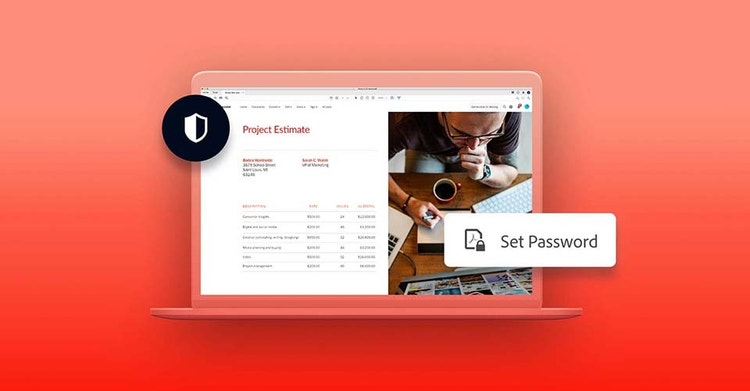
How to digitize documents.
Digitizing documents is simple when you follow a clear process. Whether you’re scanning with a phone, a desktop scanner, or a multifunction printer, these steps help you stay organized and efficient.
1. Schedule time to digitize
Digitizing documents takes planning. Set aside time to:
- Sort papers
- Scan files
- Rename documents
- Organize folders
- Upload files to secure storage
Businesses may assign a team to handle digitization. Individuals can break the task into manageable sessions or hire help if needed.

2. Choose your scanning method
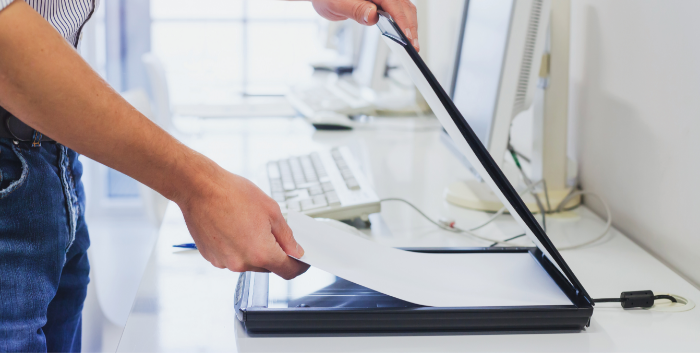
You can scan documents using:
You can scan documents using:
- A high‑volume scanner - Ideal for large batches of documents.
- A home or office multifunction printer - Most printers include built‑in scanning features.
- A smartphone (iPhone or Android) - Using a dedicated scanning app like Adobe Scan gives you:
-
Auto‑crop and alignment
-
High‑quality image capture
-
OCR text recognition
-
Instant PDF creation
-
Cloud backup
Scanning documents with an iPhone or Android device is one of the fastest ways to digitize file, and Acrobat Scan ensures clean, accurate results.
-
- Professional scanning services - Useful for large archives or fragile documents.
3. Organize before you scan
Before scanning:
- Decide which documents to digitize
- Group files by category (date, client, type, etc.)
- Create a consistent file‑naming system
- Prepare a folder structure for digital storage
Good organization upfront saves time later.

4. Start scanning
Follow the instructions for your scanner or scanning app. Most workflows include just a few steps, such as aligning the document, scanning or capturing the image, saving and naming the file, and uploading it to your storage system.
With Adobe Scan, you can scan multiple pages, reorder them, and save everything as a single PDF.

5. Set up your digital storage system
Once your documents are digitized:
- Store them in a secure cloud location
- Ensure team members have the right access
- Password‑protect sensitive PDFs
- Use folders and tags to keep files organized
Acrobat makes it easy to protect documents with passwords, restrict editing, and apply security settings.

Digitize business documents.
Digitizing business documents reduces risk, improves collaboration, and ensures your team always has access to the files they need. After digitizing, you can convert files to anything, like Excel spreadsheets to PDF, or even a PowerPoint to PDF for smaller file sizes, which means that you can cut back on paper use and reduce your storage needs.
HR documents to digitize
Document safety and security are top priorities for HR departments, which often need to handle sensitive information. Digitizing documents helps ensure that HR professionals have everything they need at all times.
Your HR department will want to digitize the following documents:
- Payroll information
- Employee contracts
- Health and safety reports
- Bylaws and policies
- Employee handbook
- Job descriptions
- Financial information like W-4, W-2, and 1099 forms
- Insurance information
- Retirement plan information
- Claims
Client-related documents
Digitized client-related documents will give you a backup and can improve customer service — because the last thing a client wants to do is wait while you struggle to find their information. By storing relevant information online or in the cloud, your team can be more responsive to clients and meet their needs faster.
Client documents to digitize include:
- Invoices and transactions
- Client contracts
- Proposals
Internal collaboration documents
It's easier for employees to collaborate when they can access business documents from a central location like the cloud. And if your business experiences a data breach or corruption, you will have your original files backed up in the cloud.
Guarantee internal collaboration keeps humming along by digitizing:
- Marketing materials
- Blog posts
- Style guides
- Sales reports
- Financial statements
- Tax documents
- Business plans
- Any other documents essential to your particular business’s success
It’ll save you a significant amount of money and time if you don’t have to replace a document when the time comes.

Preserve personal documents online.
Keeping your family history and photos in a box in the closet isn't enough to ensure that future generations can connect to their heritage. Digitizing these items makes them easy to share with friends and family while also protecting them against loss or damage. Saving data online keeps you protected, so people who depend on you will always have access to these documents no matter what happens.
Legal documents
All types of legal documents, especially personal ones, are crucial. Most people need to access them easily when certain situations arise. From a will detailing how your assets will be distributed to a power of attorney allowing someone else to conduct business while you're out of town, these documents can be of monumental significance. Having a comprehensive asset inventory template to document your valuable possessions complements these legal documents and provides crucial information for insurance claims.
Make sure that no matter what happens, these critical legal documents are accessible by storing copies in an easily accessible format like PDFs:
- Personal possession inventory
- Personal property deed(s)
- Wills and trust documents
- Sensitive information and important documents
This includes insurance information, birth certificates, records of correspondence with government officials, and more. You can scan and save many of these documents. Sensitive and vital records to digitize include:
- Credit card information
- Bank account information and statements
- Birth certificate
- Social Security card
- Marriage and divorce certificates
- Driver’s license and ID cards
- Passport
- Diplomas and certificates
- Insurance policies: auto, home, renters, life, health, vision
- Immunization records
- Resumes and CVs
Sentimental items
A copy of your family photos converted from JPG to PDF for storage is a smart way to keep these priceless images safe. It also makes it easier to share old photos with family members. You can and should digitize items like:
- Diaries, journals, and scrapbooks
- Wedding mementos
- Old photos
- Greeting cards, letters, and postcards
- VHS tapes
- CDs
- DVDs
While you can’t store the contents of VHS tapes, CDs, or DVDs via PDFs, you still can digitize them. Digitizing a CD or DVD is usually a simple matter. Digitizing VHS tapes, though, requires particular equipment or the services of digital transformation professionals.
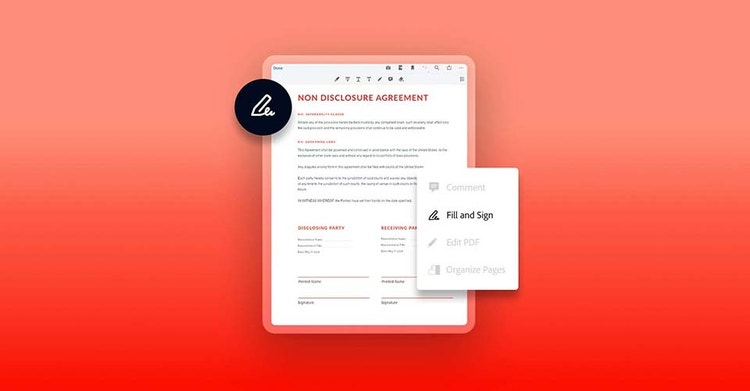
The advantages of converting paper to PDF.
Using a tool like Acrobat Reader allows you to store, view, and share PDF documents safely and securely.
Convenient sharing
You’ll never have to worry about finding paper copies of a document each time you need to share it. If you want to send a copy of an important document elsewhere, simply attach it to an email or text.
Easier storage
You can store important documents on your computer, phone, external drive, or in the cloud. All of these options take up less space than paper documents.
Automatic backup
If you scan a document with your camera in Adobe Scan, you can save the files as PDFs either on your device or in the cloud, making it even easier to find backup copies of everything.
Disaster proofing
Physical copies of documents can get wet, catch fire, or simply get lost. Storing a digital version of these files in numerous places, including the cloud, will increase your chances of them staying safe and intact.
Upgrading documents
If you need to customize a document, you can easily change the font, color, or size of a PDF. Sometimes a document may need to be signed, revised, or otherwise altered. You can easily make these adjustments digitally — much simpler than updating paper docs.
When you convert paper files into digital copies, you can use and access them more easily, and you will no longer need to worry that one day your old documents may disappear. What’s more, you can have both physical copies and an extensive electronic history detailing everything from birth certificates and family trees to contracts and receipts from last year's tax return. Keep them secure and safe, and carve out some extra peace of mind in the process.
Keep exploring
title
Digitizing documents: 43 documents to prioritize.
cardImageAltText
A businessperson reviewing paper copies of important documents
cardImage

primaryTag
caas:content-type/article
Tags
caas:content-type/article,caas:business-unit/document-cloud,caas:products/acrobat,caas:topic/excel-to-pdf,caas:topic/word-to-pdf,caas:topic/ppt-to-pdf,caas:topic/frictionless,caas:events/products/acrobat,caas:topic/digital-transformation,caas:topic/add-pdf-page-numbers,caas:topic/personal-documents

