Not all vector graphics software is designed for the same type of work. Regardless of the project you’re working on, using a tool that fits your workflow can save time and reduce frustration.
-
Design quality and scalability.
A good vector graphics software should give you precise control over shapes, paths, and typography. It should also make it easy to achieve infinite scalability without blurring or pixelation, so you can create professional, high-quality designs at any size.
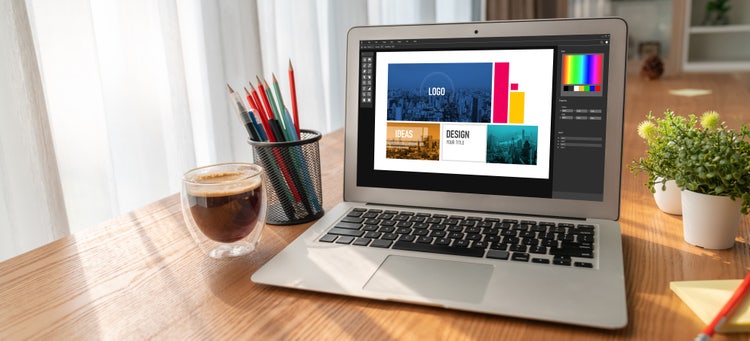
For example, a logo created for a local café may later appear on Swiggy listings, packaging, storefront signage, and social media campaigns. Vector graphics ensure it remains sharp across every format.
-
Workflow efficiency.
A well-suited tool can streamline repetitive tasks and accelerate the creative process. With features like intuitive drawing tools, customisable workspaces, and AI-powered assistance, you should be able to move from concept to finished design more quickly.
-
File compatibility and collaboration.
Design projects often involve multiple stakeholders, platforms, and file types. Choosing software that supports common vector formats (such as SVG, EPS, and PDF) can make collaboration smoother and help prevent compatibility issues later in the process.
-
Long-term costs and learning curve.
Price is only one part of the decision. Consider how long it may take to learn the software, whether training resources are available, and how the cost fits into your long-term creative needs. A tool that balances functionality, usability, and value can deliver better returns over time.