Student & teacher offer

Learn more

Creative Cloud Pro for students and teachers now ₹398.99/moincl. GST.

Learn more

Creative Cloud Pro for students and teachers now ₹398.99/moincl. GST.

Learn more

GRAPHIC DESIGN

What is motion graphics? Skills, tools, and career path for aspiring designers

From social media ads to explainer videos and brand campaigns, motion graphics are everywhere. Continue reading to learn what motion graphics is, what motion graphics designers do, and the skills, tools, and experience you need to build a successful career.
Explore Creative Cloud

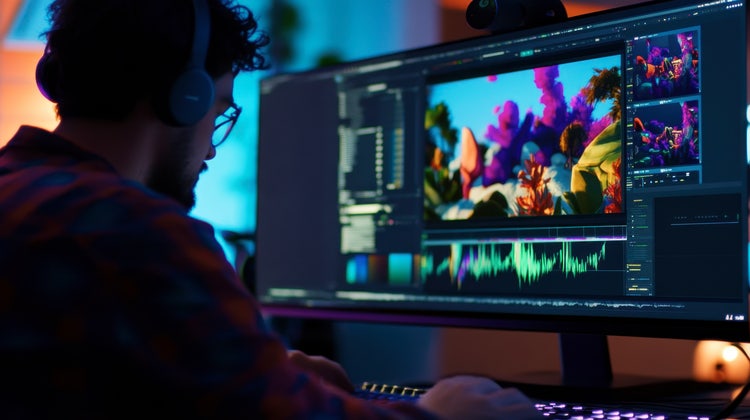
Motion graphics designer editing colourful 3D animation on computer with waveform and tools visible.

Key takeaways:

  • Motion graphics combines graphic design and animation to create engaging visual content for digital platforms.
  • A strong foundation in graphic design and animation principles is essential before learning advanced motion design.
  • A diverse portfolio showcasing both creative work and your design process is often more valuable than qualifications alone.
  • Motion graphics designers are in demand across advertising, entertainment, technology, e-commerce, education, and digital marketing.
  • Building an online presence can help you secure internships, freelance work, and full-time opportunities.

What is motion graphics?

Motion graphics is a design discipline that combines graphic design and animation to communicate ideas, explain concepts, and tell stories through moving visuals. It combines typography, illustration, colour, and composition with movement, timing, and sound to create engaging visual experiences.

Unlike traditional static graphics, motion graphics bring elements (such as logos, typography, icons, illustrations, and images) to life through animation to help capture attention and communicate messages more effectively.

You can find motion graphics in IPL sponsorship campaigns, Zomato and Swiggy app promotions, Flipkart Big Billion Days advertisements, festive Diwali sale campaigns, and animated explainers created by fintech brands such as PhonePe and Groww.

https://www.youtube.com/watch?v=MMwo3t21zBE

What does a motion graphics designer do?

A motion graphics designer creates animated content by combining graphic design principles, animation techniques, and visual storytelling. They use movement to transform static designs into engaging visual experiences that communicate ideas across digital platforms.

Depending on the project, a motion graphics designer may:
  • Develop concepts and storyboards for animations
  • Create animated graphics, illustrations, and kinetic typography
  • Design transitions and visual effects
  • Animate logos, icons, and brand assets
  • Add sound effects and music to enhance the viewer experience
  • Collaborate with video editors, marketers, filmmakers, and UI/UX designers
  • Adapt animations for websites, mobile apps, social media, advertisements, and presentations

Step-by-step: how to become a motion graphics designer.

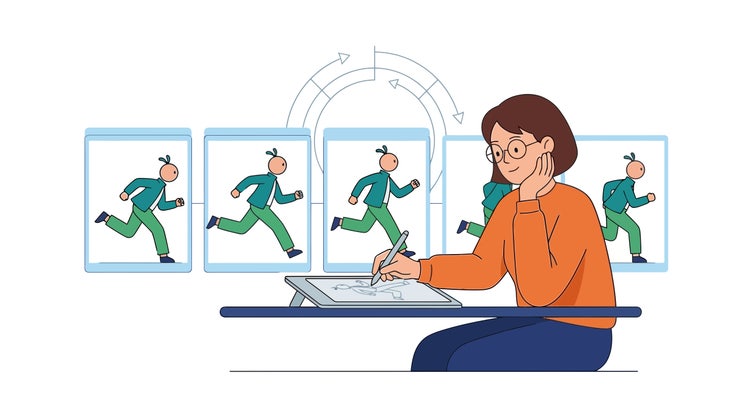
Cartoon designer creating motion graphics animation frames on digital tablet with character running.

1. Develop animation and motion design skills.

Motion graphics combines graphic design with animation. Start by learning the core animation principles that make movement feel smooth, intentional, and engaging. Focus on:

  • Timing and spacing: Control the speed and rhythm of animations to make movement feel natural and guide the viewer's attention.
  • Easing and transitions: Use acceleration and deceleration to create smooth, realistic movements instead of abrupt starts and stops.
  • Anticipation and follow-through: Apply classic animation principles to make motion feel more believable by preparing viewers for an action and allowing it to finish naturally.
  • Kinetic typography: Animate text to emphasise key messages, improve storytelling, and create engaging titles, captions, and explainer videos.
  • Motion hierarchy: Use movement, scale, and timing to guide viewers towards the most important information first.


2. Build visual storytelling skills.

Motion graphics is about more than making things move. It is about using animation to communicate ideas, guide attention, and tell a compelling story. Successful motion graphics designers understand how to combine visuals, timing, and sound to deliver a message clearly and effectively.

Develop your storytelling skills by practising:

  • Storyboarding: Plan scenes, transitions, and visual elements before creating the final animation.
  • Narrative structure: Organise information into a clear beginning, middle, and end.
  • Audience engagement: Learn how pacing, movement, and visual interest keep viewers engaged.
  • Information hierarchy: Use size, colour, positioning, and motion to guide viewers through content.
  • Visual communication: Simplify complex ideas into easy-to-understand animations such as tutorials, explainer videos, and product demonstrations.


3. Master industry-standard motion graphic tools.

Professional motion graphics designers use multiple tools throughout the creative process. Understanding how these tools work together will help you create production-ready content.

Become familiar with these industry-standard tools:

  • Adobe After Effects: Create motion graphics, animated typography, visual effects, logo reveals, and explainer videos.
  • Adobe Illustrator: Design vector graphics, icons, logos, and illustrations for animation.
  • Adobe Photoshop: Edit images and create layered graphics for motion projects.
  • Adobe Premiere: Edit video, add audio, and combine motion graphics with footage to create polished final outputs.

Designers often create assets in Illustrator, refine them in Photoshop, animate them in After Effects, and assemble final videos in Premiere.


4. Learn video production fundamentals.

Many motion graphics projects are created for video-first platforms. Learning basic video production will help you collaborate more effectively and create content that performs well across channels. Build knowledge in:

  • Video formats: Understand resolutions, frame rates, aspect ratios, and export settings.
  • Editing workflows: Learn how footage is organised, edited, and delivered as a finished project.
  • Scene transitions: Use cuts, fades, and animated transitions to create a seamless viewing experience.
  • Audio integration: Synchronise motion graphics with voiceovers, music, and sound effects.
  • Platform optimisation: Adapt videos for YouTube, Instagram, LinkedIn, and other mobile-first platforms.


5. Build a professional motion graphics portfolio.

Your portfolio should demonstrate both technical ability and creative problem-solving. Include a variety of projects that showcase different styles, formats, and animation techniques, such as animated logos, kinetic typography, explainer videos, social media content, brand animations, and product videos.

To make your portfolio more relevant to potential employers, consider creating projects inspired by real-world scenarios. Examples include IPL promotional videos, product launch campaigns for Indian startups, social media advertisements for e-commerce brands, educational explainer videos, or animated content for multilingual campaigns adapted for Hindi, Tamil, Telugu, Bengali, or Marathi audiences.


6. Build your personal brand.

A strong personal brand can help you stand out to recruiters, creative agencies, and potential clients. Establish an online presence by regularly sharing your work, creative process, and completed projects on platforms such as Behance, LinkedIn, Instagram, and design communities. You can also strengthen your visibility by creating projects inspired by local brands, digital campaigns, startups, or cultural events. This demonstrates market awareness and helps potential employers see how your skills can be applied to real business needs.

Participating in events such as DesignUp conferences, local creative meetups, and online design communities can also help you network with agencies, studios, and startups across India.

Career opportunities for motion graphics designers.

Motion graphics designers can pursue a variety of career paths depending on their interests, creative strengths, and technical expertise.

You can find opportunities across advertising agencies, creative studios, media companies, startups, e-commerce brands, entertainment platforms, and in-house marketing teams. As video content continues to grow across platforms such as YouTube, Instagram, and OTT services, demand for motion graphics skills is increasing across industries.

Role
What you do
Motion Graphics Designer
Create animated content for advertisements, social media campaigns, websites, explainer videos, and branded content.
Video Designer
Combine motion graphics, video editing, and storytelling to produce engaging video content.
Visual Designer
Design digital experiences using a mix of static and animated visual elements.
3D Motion Designer
Create advanced animations, visual effects, and three-dimensional motion graphics using specialised 3D software.
Brand Motion Designer
Develop animated brand assets, including logo animations, design systems, and motion guidelines that ensure a consistent brand identity.

Why choose a career in motion graphics design?

Motion graphics is one of the fastest-growing graphic design specialisations, driven by the increasing demand for video content across digital platforms. From social media campaigns to product launches and brand storytelling, businesses rely on motion graphics to capture attention and communicate ideas more effectively.

A career in motion graphics can be rewarding because it allows you to:

  • Work across industries: Apply your skills in advertising, entertainment, gaming, education, technology, e-commerce, and digital marketing.
  • Combine creativity with technology: Blend graphic design, animation, storytelling, and digital tools to create engaging visual experiences.
  • Explore flexible career paths: Work as a freelancer, join a creative agency, collaborate with production studios, or build an in-house career with brands and media companies.
  • Support India's growing digital economy: Cities such as Bengaluru, Mumbai, Pune, Hyderabad, and Delhi are home to creative agencies, production studios, technology companies, and startups that regularly hire motion graphics professionals.

Frequently asked questions.

More resources


Learn more