.

From footwear to furniture, to apparel and electronic goods, the product design industry is a vast and diverse sector. In recent years we have seen more and more brands adopt tools born in the gaming and film industries. Software tools such as the Substance 3D suite bring photorealistic materials and detailed graphics to the table and allow brands to fully embrace the potential of 3D workflows.

Whether for CMF, mockups and concept design, prototypes and manufacturing, or marketing content, e-commerce, and even immersive experiences, 3D presents itself as the number one leverage for brands searching to reduce costs, environmental impact, time-to-market, and boost creative decision-making and connect with consumers.

There is immense potential for brands to embrace a global vision of 3D implementation, deeply transforming their creation process across their entire development pipelines. Just imagine what could be done if designers, manufacturers, clients, and marketers shared the same assets, material libraries, and creative spaces.

Thousands of brands and individual designers have already adopted 3D to serve one or several parts of their creation pipeline. We’ll look at how some of them have already managed to accelerate production, reduce costs, meet needs for marketing imagery, and cut their environmental impact.
Concept & Design

3D can have a massive impact on the creative part of the design process. Creating a library of digital twins can be the first step and is made easy thanks to tools such as Substance 3D Sampler. It allows users to process scanned materials like fabrics and add a procedural layer to them, with the ability to then create hundreds of variations (color, pattern, weave, etc.) of that same material.

Let’s outline the resulting benefits of creating a digital material library.

Having designers access extensive libraries of digital twins will drastically reduce the CMF and concept phases. The procedural nature of the Substance 3D tools allows for quick changes of parameters and rapid viewing, collaborating, and deciding on design intent.

Creatives and decision-makers alike are able to align much faster by visualizing the dozens (or even hundreds) of variations allowed by 3D assets. Changing color, patterns or finish is as easy as dragging a parameter slider!

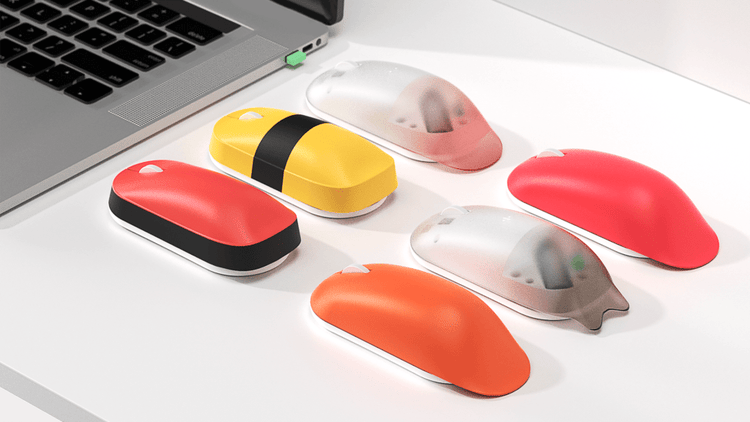
Here’s a fun example of how two designers quickly went from sketches to creating multiple variations of a sushi-inspired computer mouse. The parametric nature of Substance 3D materials allowed them to create a simple 3D model and create variations of their design within Substance 3D Painter. They even made their assets a reality by 3D printing them and are now looking to launch production in the near future.

Animation: Visualizing Variations
Image courtesy of Cheolhee Lee and Junsik Oh
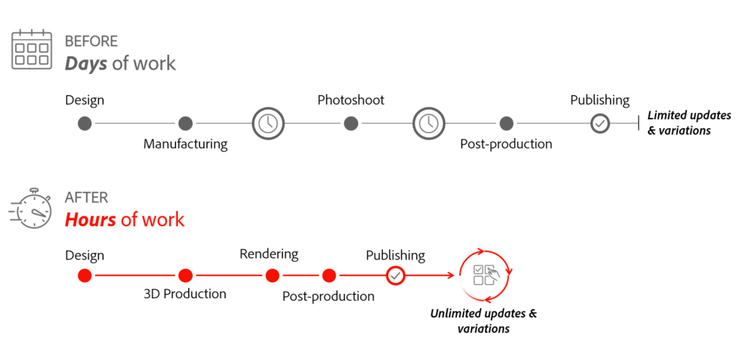
3D allows designers to visualize photoreal assets, change them in real time, and make sure everyone is aligned before that first prototype is made. No more time is wasted on manufacturing and shipping many samples; no more back and forth with prototypes that are time-consuming and costly to produce. The need for physical prototypes can be heavily reduced, and eventually even be bypassed, thus reducing needless environmental costs.

Before

After

Furthermore, the physically-based nature of Substance materials, based on the physical values of light and matter interacting, assures consistency between different apps and rendering engines. There are plugins and integrations for all major DCC and rendering apps out there, such as Rhinoceros 3D, CLO, Blender, Corona Renderer, and Unreal Engine.

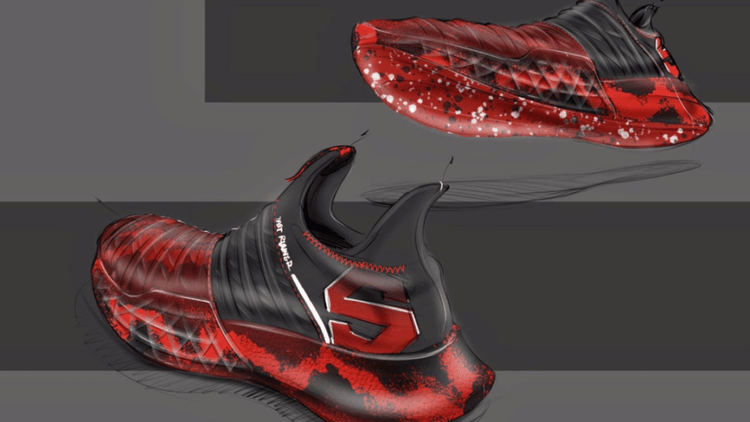
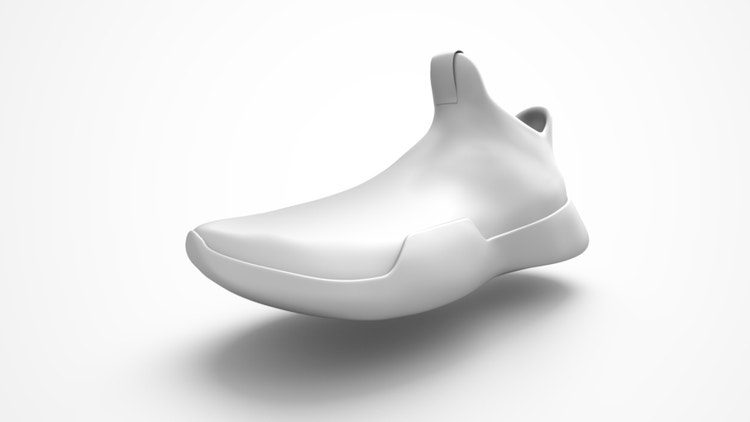
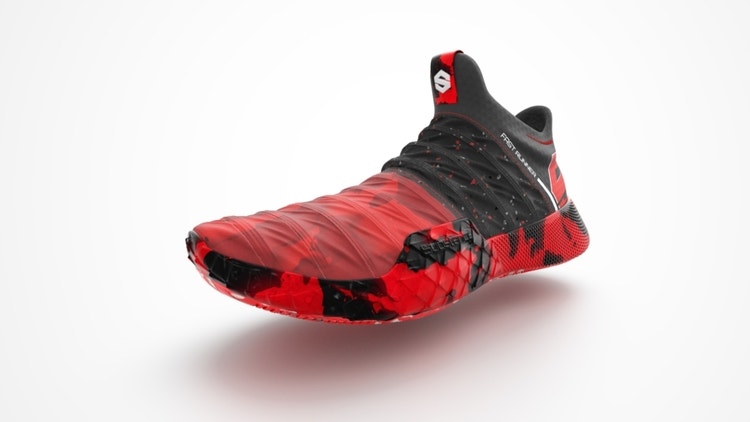
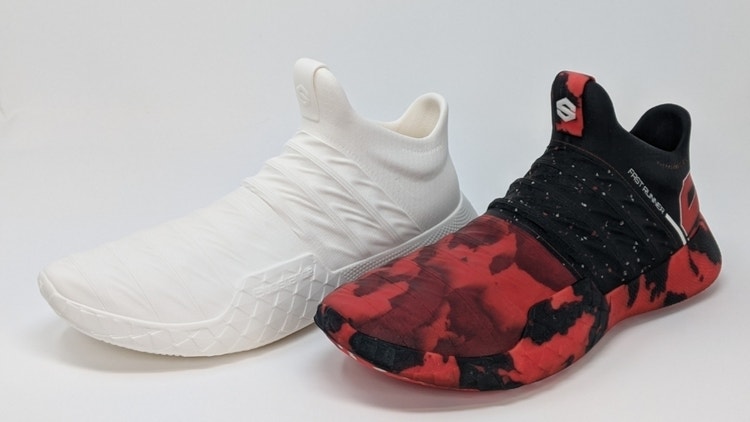
A telling example is that of designer Hussain Almossawi, who worked for brands such as Adidas and Nike, and created a simple model of a shoe. All the design efforts were contained within the material. See for yourself how much the initial 2D sketch, 3D asset, and final 3D print are identical.

3d render

3d render

3d render

3d print

The procedural nature of the Substance 3D tools allows for quick changes of parameters and rapid viewing and deciding on design intent. The flexibility of this workflow not only saves time and money, but also boosts the creative potential of designers. Play around with varied materials, whether created from scratch or from existing material libraries, such as our own curated Substance 3D Assets library. The potential variations are limitless.

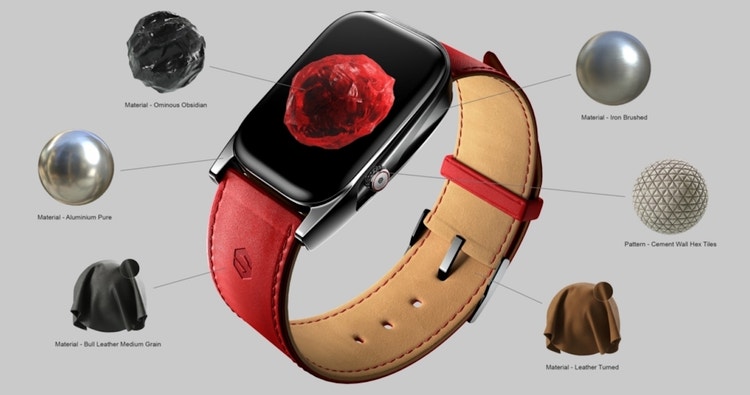
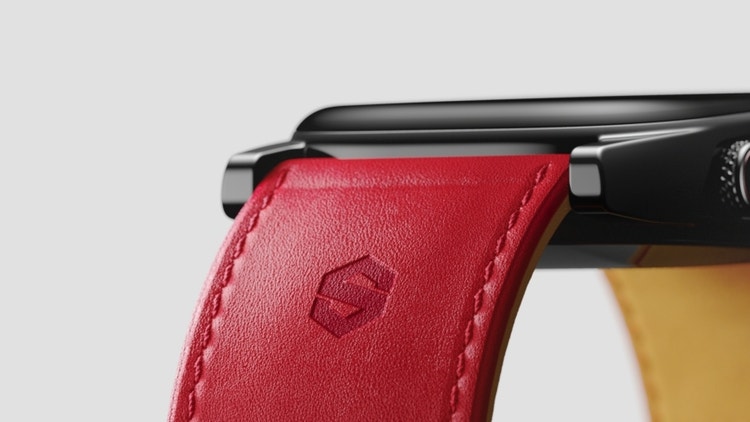
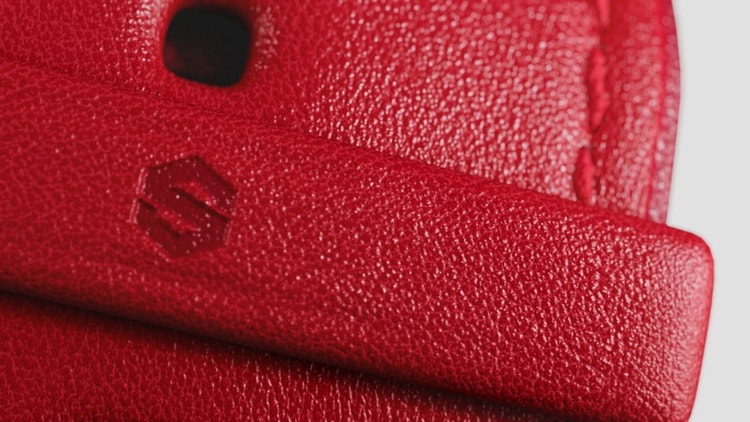
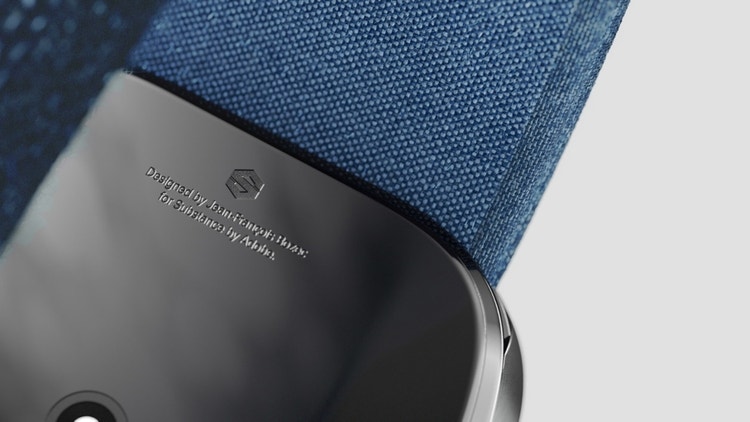
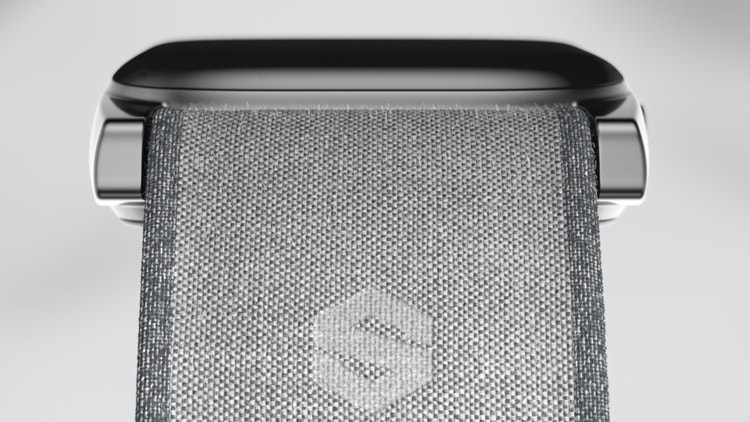
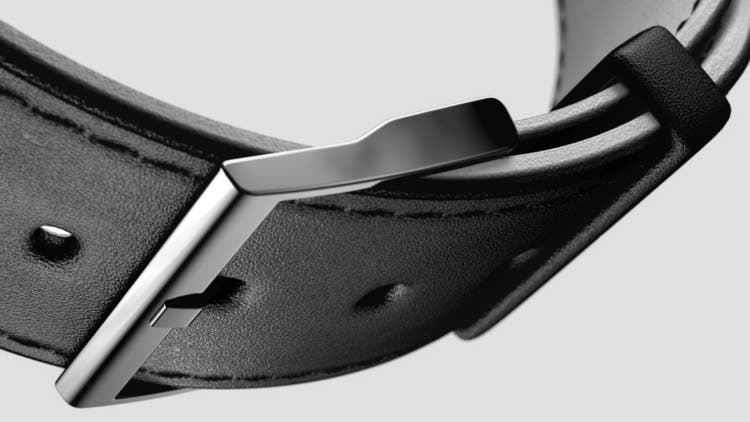
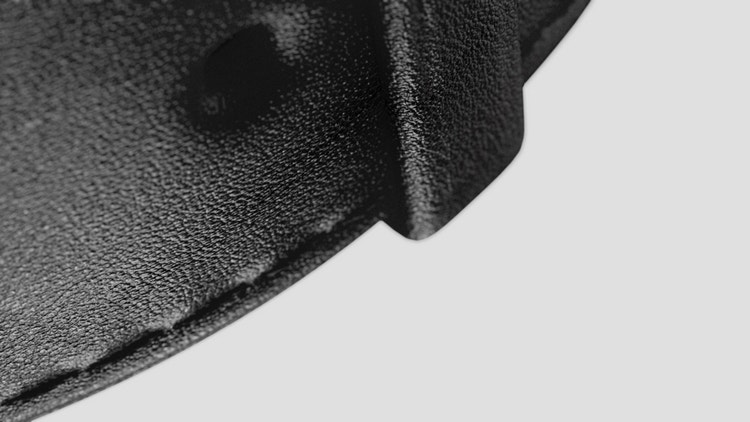
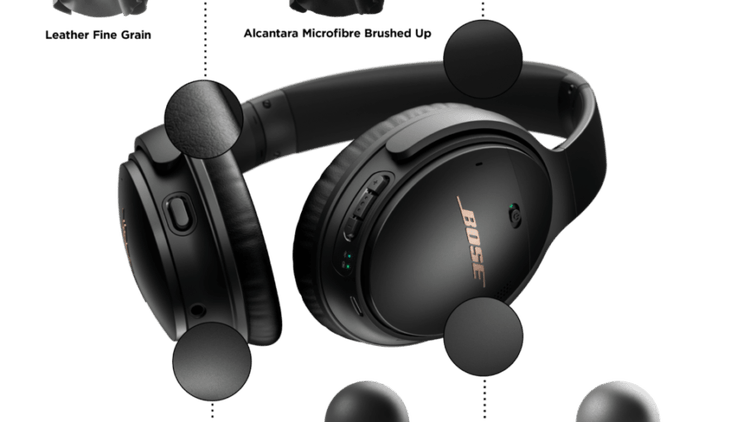
Jean-François Bozec is known for his work with Apple and Bose, and with this “Obsidian Watch” concept, he pushed the boundaries of 3D creation to embrace its full potential. Would you be able to tell if these images are 3D renders or real photographs?
Answer: they were all 3D renders!

Benefits of Workflows in a Unified 3D Pipeline

Product designers, graphic designers, and content creators all have reasons to share the same assets in a unified 3D pipeline. With gains in time, visual quality and consistency, cutting production waste, creating engaging product experiences, and more, brands are now shifting and understanding the immense potential and the scalable nature of 3D creation pipelines.

There’s still a lot of untapped potential for product design brands in the 3D space. The Substance 3D toolset is built to integrate with all the major 3D apps used in product design and other Adobe tools such as Photoshop and Illustrator. Its parametric and photo-realistic nature ensures the scalable use of 3D assets across the entire 3D creation pipeline.

If you want to learn more about the Substance 3D tools, find more information here or start a free 30-day trial now. If you have any further questions about licensing, please reach out to us and we’ll be happy to connect.