ACROBAT
How to write a contract agreement.
Learn how to write a contract agreement or find an employment contract template that clearly defines obligations and protects all parties involved. Explore the essential steps, structure, and examples needed to draft a legally binding contract with confidence.
Use Adobe Acrobat to make signing your digital contract agreements simple and secure.

What is a contract?
A contract is a formal agreement that legally binds two or more parties to specific terms and conditions. When signed, it confirms that everyone understands their responsibilities.
Verbal promises may work for simple exchanges, but a written contract provides clarity, security, and a clear course of action that defines what happens if one party fails to meet their obligations.

5 different types of contracts.
Understanding how to write a contract and the different types is key to formalising any agreement effectively. Each contract agreement serves a unique purpose depending on the relationship between the parties.
With tools like Acrobat AI Assistant, you can now easily interpret legal terms and distinguish between various agreements.
The following are five common types of contracts:
1. Sales contracts.
A sales contract outlines the exchange between buyer and seller, defining the terms of payment and delivery. A sales contract can be for property, goods, or services, including intellectual property like music or artwork. This contract ensures both parties fulfil their obligations.
Examples of sales contracts include a promissory note, a bill of sale, a warranty or security agreement, and a purchase order.
2. Employment contracts.
An employment contract defines the terms of work between an employer and an individual. This can be a full-time employee, freelancer, consultant, or independent contractor.
Employment contracts typically include details on compensation, termination clauses, and non-disclosure agreements (NDAs) to protect confidential business information.
3. General business agreements.
Business agreements typically cover several aspects of running a company, from partnership formation and ownership structures to capital investment and the sale of stock.
They also include supporting documents such as NDAs, indemnity agreements, and waivers of rights that define and protect business relationships.
4. Settlement agreements.
A settlement agreement is a legally binding document that outlines the terms agreed upon to resolve a dispute without going to court. Once signed, the agreement confirms each party’s obligations and finalises the resolution.
5. Property contracts.
Property contracts encompass agreements for commercial, retail, residential, or parking leases. These lease agreements outline terms such as maintenance duties, insurance requirements, security deposits, and conditions for returning the property at the end of the lease.
How to write a contract agreement in 7 steps.
Each contract document should reflect the specific details of your business or agreement. However, most contract templates follow a clear, repeatable process. Below, we explore seven essential contract creation tips to help you write a legally binding contract that’s professional, accurate, and easy to manage.
1. Determine the type of contract required.
Begin by identifying your legal needs and the relationships you want to formalise. Determine which type of contract best fits your situation; for example, an employment contract, service agreement, or sales contract. Consult your department or legal team to ensure the contract agreement accurately reflects your business’ goals and objectives.
2. Confirm the necessary parties.
Once you’ve selected the right contract type, identify everyone who should be involved in the agreement. Include team members with a stake in the terms and anyone responsible for reviewing, approving, or signing at later stages.
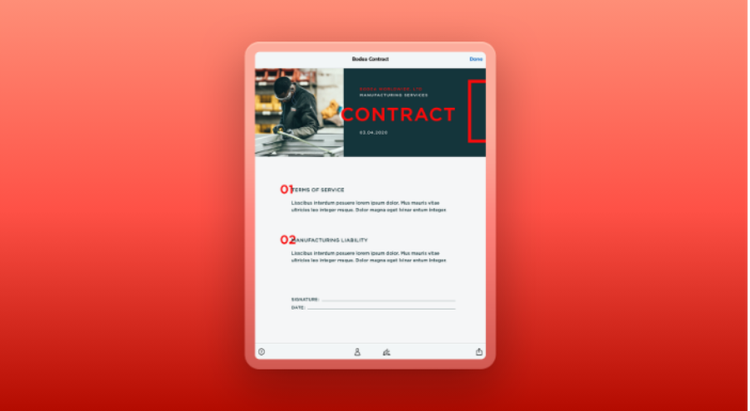
3. Choose someone to draft the contract.
This should be someone who understands contract clauses and terms. Legal teams or corporate lawyers usually prepare contract agreements to ensure proper structure and compliance. They may also offer standard contract templates for internal use.
For specialised cases, such as employment or service contracts, departmental experts can help craft accurate terms. Most companies prefer to draft contracts internally to retain full control over the agreement.
4. Write the contract with the proper formatting.
Whether you start from scratch or use a contract form sample, ensure your contract agreement is professionally written and properly formatted. Begin with an introductory section that defines all involved parties, followed by details on the contract’s duration, terms, and obligations.
Always maintain a formal, concise tone. Highlight and define key terms, especially technical ones, to ensure clarity and mutual understanding. You should also use plain language to make the agreement easy to interpret.
For formatting, keep text left-aligned and single-spaced, and use clear headings and short paragraphs to improve readability. If the contract is lengthy, include a table of contents for quick navigation. Finally, leave plenty of space for all required electronic signatures, titles, and company details.
5. Review the written contract with a lawyer.
Before finalising your contract agreement, have it reviewed by a qualified lawyer. Even if you’re using a pre-approved contract template, a legal review ensures that all terms reflect your intentions and protect your interests. A lawyer can identify gaps, clarify unclear language, and double-check if the contract complies with relevant laws before adding a signature.
6. Send the contract agreement for review or revisions.
Before circulating your contract agreement externally, conduct a thorough internal review.
Ask relevant stakeholders to check for missing clauses or unclear terms. Record their suggestions, then return the draft to your legal team for revision and final approval before signatures.
7. Sign the written contract electronically.
Once your contract agreement is finalised, all parties should review the terms and confirm them by signing. Each participant must receive and keep a completed copy for their records.
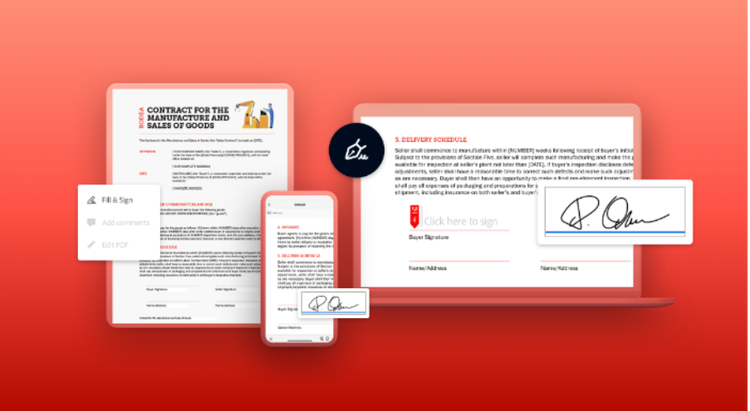
The fastest and most secure way to complete this process is through electronic signatures. With Adobe Acrobat for business, you can send documents for digital signatures in contract workflows, reducing approval time and streamlining work, while maintaining full security.
Elements to include when writing a contract.
Before entering a contract agreement, all parties must clearly express their intent to be bound by its terms and agree to every provision. Each party must also have legal capacity, meaning they fully understand the contract’s terms and obligations.
When drafting a contract agreement, be sure to include these key elements:
- Basic information: The full legal names, business names, and addresses of all parties, along with a description of the property or service being exchanged.
- Rights and obligations: The specific terms outlining what each party is responsible for.
- Specific considerations: Detailed information about the goods or services, their condition, warranties, or guarantees, and any limits of responsibility.
- Dates: Key dates such as the agreement date, payment due dates, and warranty periods.
- Termination: The rights of each party to end the contract and the process that follows termination.
End with a section for signatures, confirming that all parties accept and agree to the contract terms.

How to make a contract final.
- Get legal advice.
Before drafting or signing any contract agreement, consult a legal professional. They’ll help ensure your contract is valid, compliant, and truly represents your intended terms. - Be prepared to haggle.
Negotiation is an essential element in every business contract. Be ready to discuss terms openly and know where flexibility is possible to achieve a fair, balanced agreement. - Seal the deal.
Simplify your workflow with Adobe Acrobat. Use professional contract templates to create fillable PDFs and complete legally binding contracts with secure electronic signatures.
Improve efficiency with contract management processes.
If your organisation manages multiple contracts regularly, implementing a structured contract management process can greatly enhance efficiency. From drafting and reviewing to approval, you can track progress and monitor team capacity in high-volume environments.
An effective contract management system relies on the right tools. Software that enables comments and redlining makes collaboration smoother while maintaining document integrity.
Platforms with e-signature capabilities and secure tracking features can further streamline approvals and ensure timely contract completion.
Frequently asked questions.
How do you write a simple contract?
A simple contract is a straightforward agreement between two or more parties outlining their obligations and expectations. To write one, clearly state each party’s name, the terms of the agreement, payment details, and duration. Use plain language and ensure both parties sign to make it legally binding.
H3: Can I draft a contract without a lawyer?
You can write a contract yourself, especially for simple, straightforward deals. Just make sure it sets out who’s involved, what’s being agreed to, and how payment and deadlines work. For more complex or high-stakes agreements, it’s a good idea to seek legal advice before you sign.
Is it hard to write a contract?
With the right structure and template, writing a contract can be straightforward. Every legally binding contract should name the parties, define the terms, and outline key provisions such as, indemnification, termination, and force majeure. Always include signatures from all parties to finalise the agreement.
Related Acrobat content.
Disclaimer note: This article is for informational purposes only. Adobe does not and cannot provide legal, financial, accounting, or any other related professional advice. Laws and regulations frequently change. You should consult an attorney, accountant, or other appropriate professional adviser regarding questions specific to your situation. To the maximum extent permitted by law, Adobe provides this material on an “as is” basis. Adobe disclaims and makes no representation or warranty of any kind with respect to this material, express, implied, or statutory, including representations, guarantees, or warranties of merchantability, fitness for a particular purpose, or accuracy.
https://main--dc--adobecom.aem.live/dc-shared/fragments/seo-articles/acrobat-color-blade