#1E1E1E

{{Adobe Firefly}}

Try AI dubbing

https://www.adobe.com/cc-shared/assets/img/product-icons/svg/firefly-appicon-64-new.svg

{{Adobe Firefly}}

Use everyday language to create extraordinary results with generative AI.

Try AI dubbing

https://www.adobe.com/cc-shared/assets/img/product-icons/svg/firefly-appicon-64-new.svg

{{Adobe Firefly}}

Use everyday language to create extraordinary results with generative AI.

Try AI dubbing

What is AI dubbing?

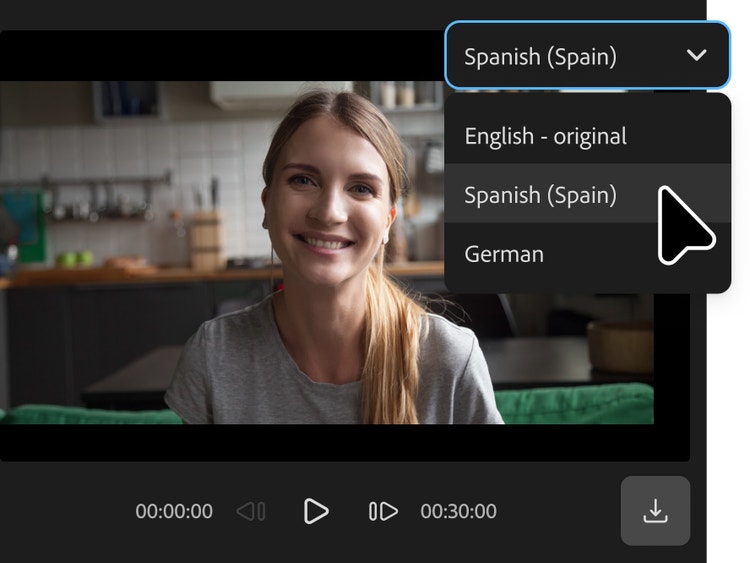
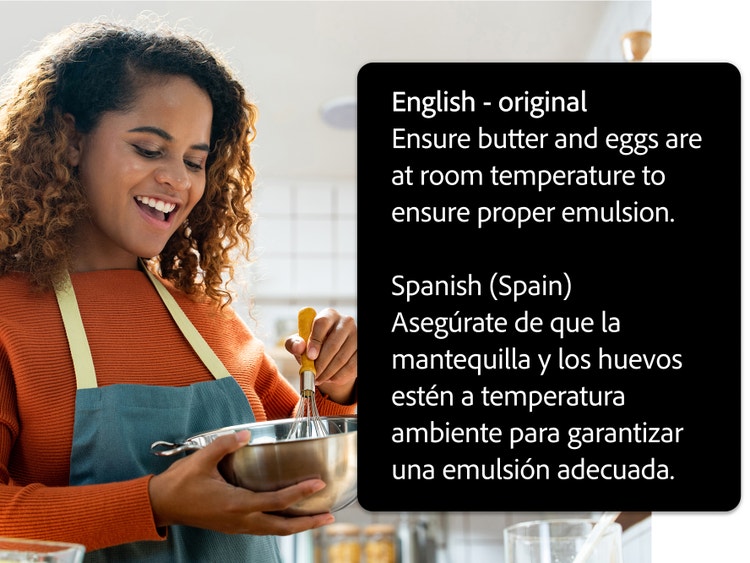
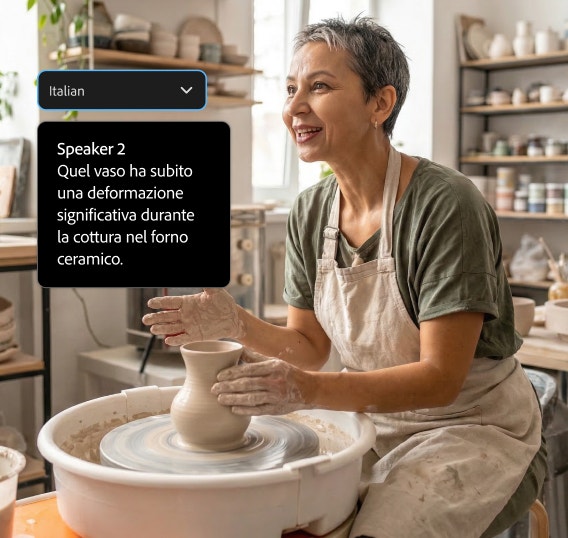
AI dubbing is the translation of video or audio dialogue using artificial intelligence. With Translate Video, Adobe Firefly recognises speech and translates it into a different language while matching the original speaker’s voice. With this fast, web-based tool, you can get your message across to a wider audience.

Break language barriers with easy AI dubbing.

With speech-to-text translation and generative AI, you can communicate in more than 15 languages while still sounding like yourself. Learn how dubbing AI can help you speak to people around the globe.

AI dubbing for businesses.

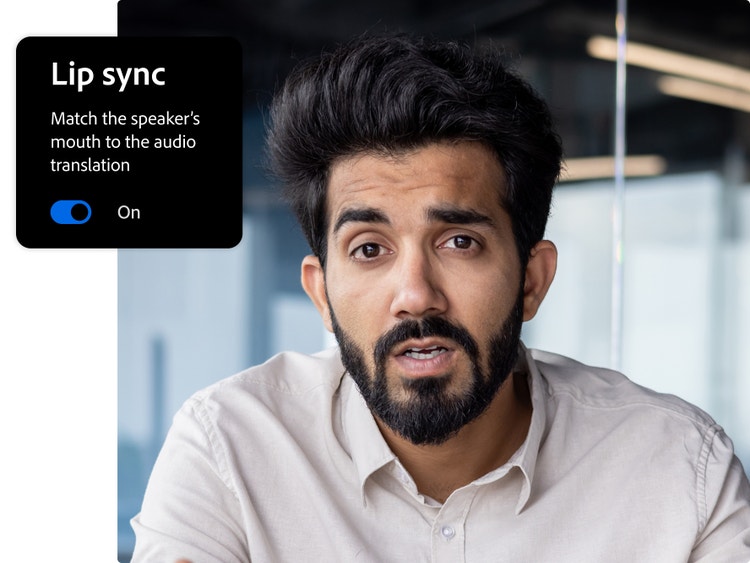
Whether you’re producing promotional videos, educational content or explainer videos, you can expand the market for your business by speaking to more potential customers in their preferred languages. With Firefly for enterprise, you can lip sync as well as translate your videos, so you both look and sound like a native speaker.

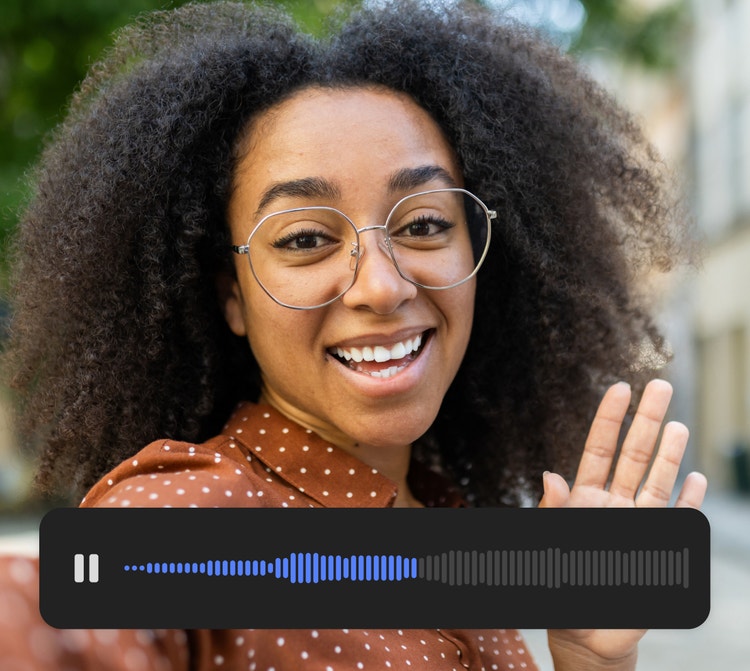
photo collage of four different people and and a waveform over this collage that represents AI dubbing options

Naturalistic AI dubbing

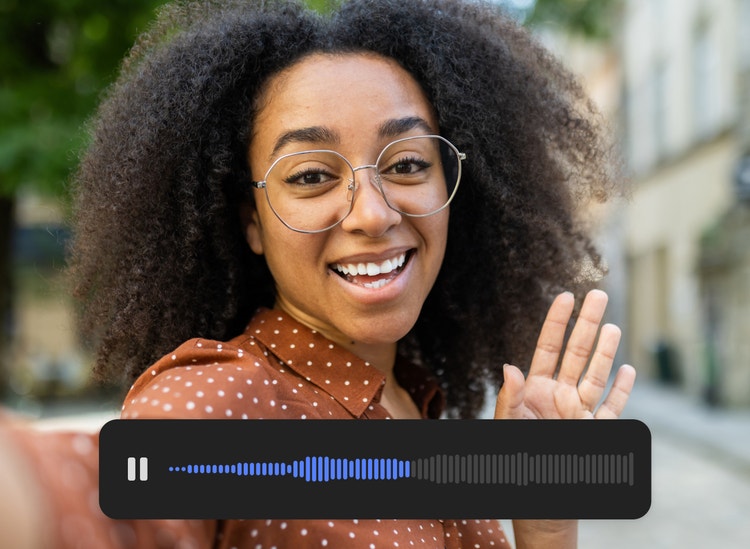
With Adobe Firefly you can keep the same tone, cadence and acoustics as the original video. You can even keep the same voice to ensure nothing is lost in the AI dubbing.

man speaking in a forest setting behind AI dubbing UI with language options for dubbing

How to use AI dubbing with Firefly.

AI dubbing is as easy as uploading a video and selecting languages for translation. Follow a few quick steps to apply AI dubbing to your video or audio clips.

  • Log in to Adobe Firefly.
    Go the Video section of the web app and select Translate Video.
  • Upload your file.
    Select Browse Files or drag and drop to upload the video or audio file you want to translate. The recording must be in one of the available languages, contain at least five consecutive seconds of speech by a single speaker and be no longer than five minutes.
  • Choose new languages.
    Once your file has finished uploading, you can select languages for translation.
  • Translate the audio.
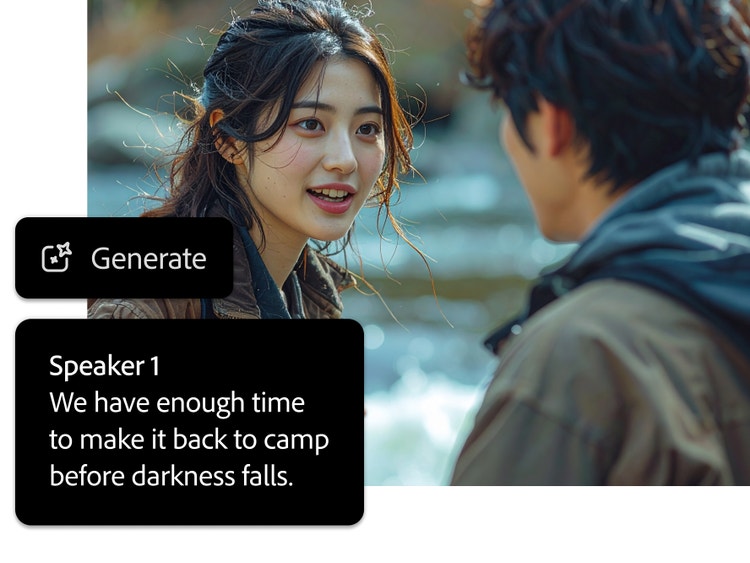
    Click Generate to begin translating your files. A progress bar will show the status of the dubbing process. If you close the page and return later, you can download the new files from the Your Media section.
  • Download and share.
    When the translations are finished, your new files will appear in your queue, where you can download and share them.

Different ways to use AI dubbing.

Reach out to friends and family.

Want to share a video with grandma but she doesn’t speak the language? If you have family across the world, it can sometimes be tricky translating between locations but with AI dubbing you can record messages and send them out in multiple languages.

Adapt your content to different cultures with AI dubbing.

AI dubbing does more than just translate your words—it helps make your message culturally relevant. Even when two countries share a language, the way people speak and understand certain phrases can differ. For example, a reference that makes sense in Scotland might not land the same way in Australia. AI dubbing can help you adjust not just the language, but also the context, so your content resonates with different audiences.

Keep your viewers eyes on screen.

Subtitles, while small, can take your viewers eyes away from the action. If you’re showing your videos to audiences that require translation but don’t want viewers to look away, then AI dubbing may work for you.

Create global content for social media.

It’s easier to reach international audiences than ever before with social media. If you find you’re attracting viewers from around the globe, then being able to tailor your videos will increase your engagement. AI dubbing means that you don’t need to learn a new language, instead you can translate directly in Firefly.

Remix content from the community.

Discover Firefly prompts to remix and submit your own videos to the gallery.

Questions? We have answers.

How is AI dubbing different from traditional dubbing?

AI dubbing uses generative AI to translate spoken dialogue while preserving the original speaker's voice characteristics. Unlike traditional dubbing that requires voice actors to record new dialogue, AI dubbing maintains the speaker’s authentic voice, tone and cadence across languages, significantly reducing production time and costs while providing a more seamless viewing experience.

Can AI dubbing match lip movement?

Yes, AI dubbing can match the speaker’s mouth movements to the translated audio. Lip sync is available only to users on select Adobe Creative Cloud for enterprise plans. You can also deselect this feature if you prefer audio translation without lip synchronisation.

What languages are supported?

Firefly supports the following languages for Translate and Lip Sync for both audio and video: English (Indian, American, British), Spanish (Spain, Argentina, Latin America), French (France, Canada), Danish (Denmark), Norwegian (Norway), Dutch (Netherlands), Swedish (Sweden), German, Italian, Portuguese (Brazil, Portugal), Hindi (India), Japanese (Japan), Korean (South Korea), Chinese (Simplified).

Can I keep the original speaker’s voice in other languages?

Yes. Adobe Firefly uses generative AI to translate spoken dialogue while maintaining the sound of your original voice. Our technology preserves voice characteristics including tone, cadence and acoustic qualities.

What is dubbing a video?

Video dubbing is the process of putting a new audio track over an existing video. This might mean replacing every part of the existing audio, a select part of the audio, or adding one for the first time. You can use Adobe Firefly to translate existing audio to multiple languages.