
Nutze die Photoshop-KI für ein surreales Spiegelbild
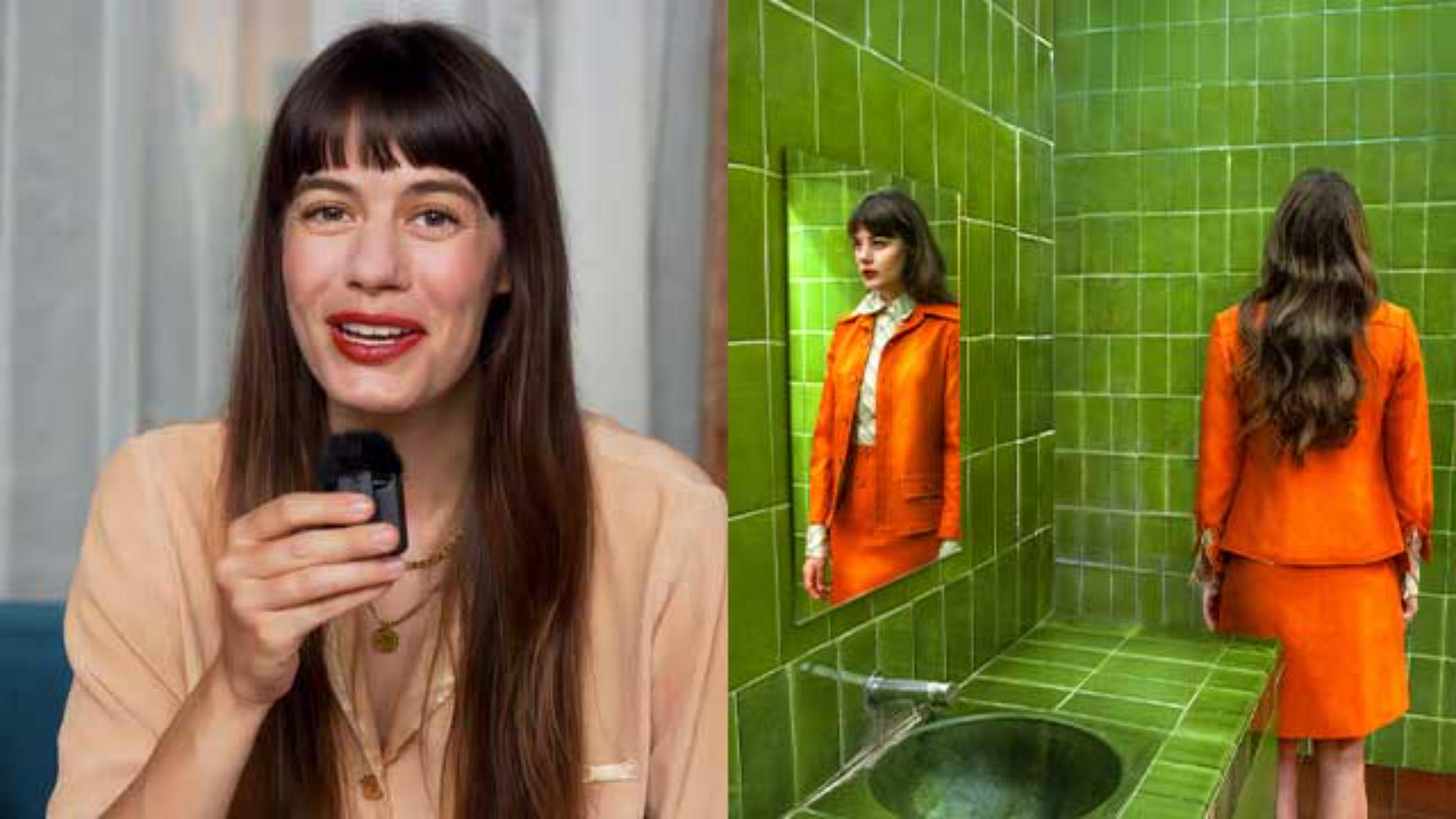
Fotokünstlerin Amelie Satzger zeigt dir im interaktiven Tutorial, wie sie ihr Artwork mithilfe der Generativen KI in Photoshop erstellt hat.
Amelie Satzger liebt es, mit ihrer surrealen Fotokunst zu überraschen. Woher ihre kreativen Ideen kommen, lässt sich nicht so leicht erklären, ihre Arbeitsweisen in Photoshop dafür schon: In diesem interaktiven Tutorial zeigt Amelie dir Schritt für Schritt, wie die surreale Badezimmer-Szene entstanden ist. Öffne das Tutorial in deiner Photoshop-App und schau dir an, wie es geht.
Benötigte Materialien
In der Anwendung üben
Das lernst du in diesem Tutorial:
Objekte mithilfe der Generativen KI entfernen
Fliesenspiegel mithilfe der Generativen KI erweitern
Details mit dem Kopierstempel verbessern
Perspektive der Fugen verändern
Spiegelbild mithilfe einer Ebenenmaske austauschen
Farbtöne angleichen
Photoshop-Feature: Generatives Erweitern
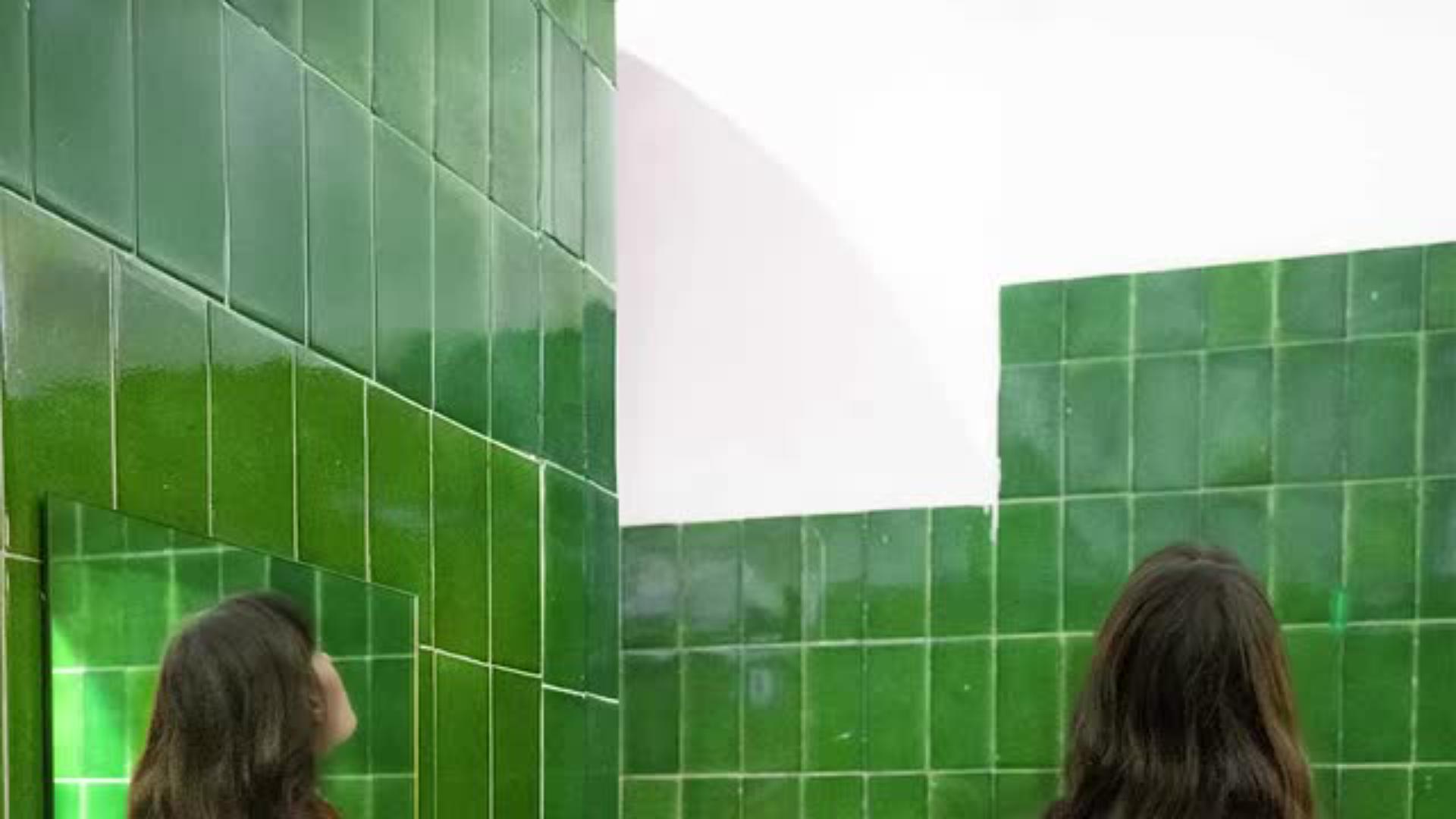
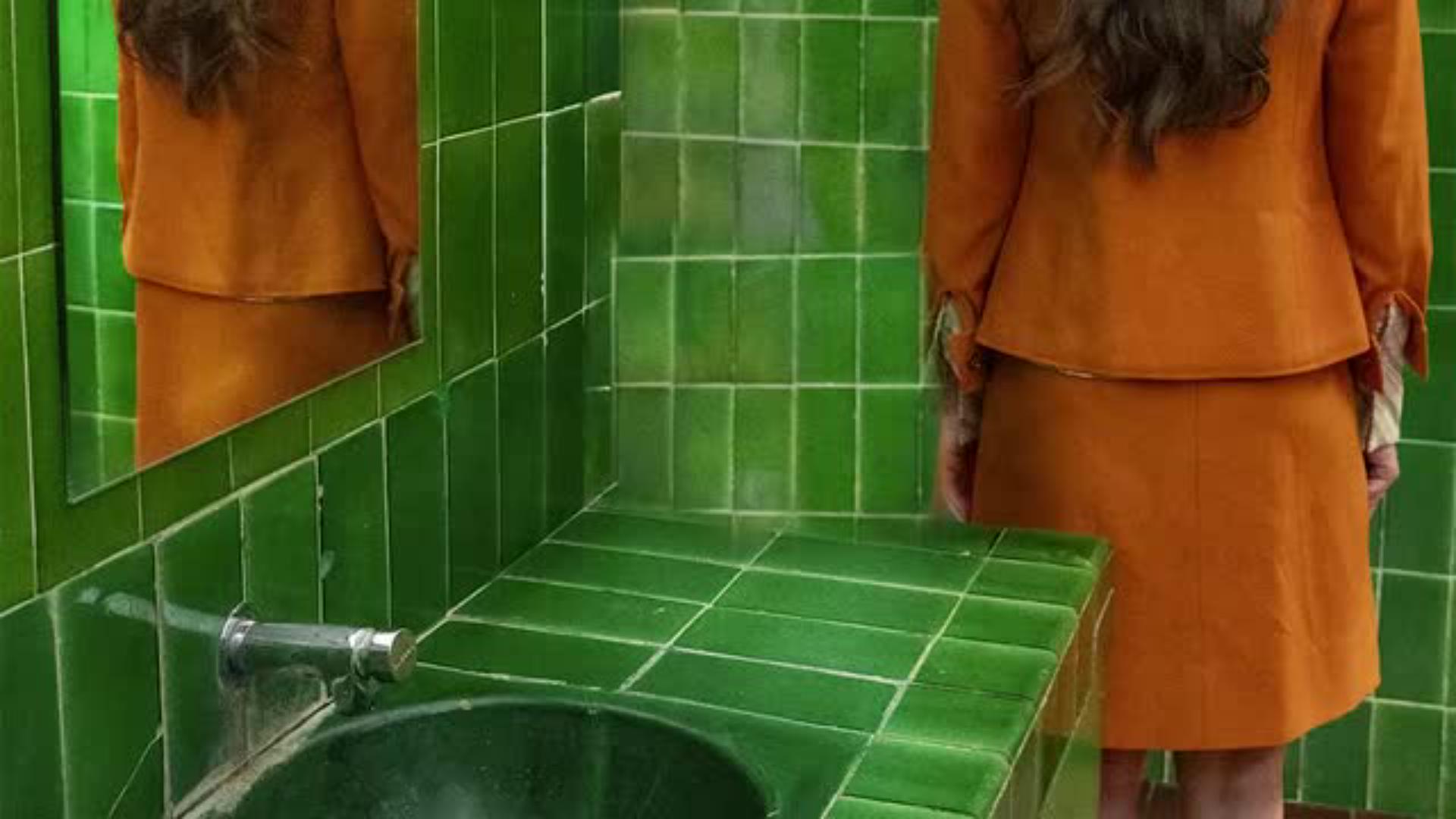
Mithilfe der Generativen KI lassen sich im Handumdrehen störende Objekte entfernen. Im Tutorial zeigt dir Amelie zum Beispiel, wie du damit die Lampe über dem Spiegel entfernst oder den Fließenspiegel über das gesamte Bild erweiterst. Im echten Foto ist nämlich nur das halbe Bad grün gefliest.
Die Generative KI in Photoshop erkennt, was zu tun ist und liefert dir immer drei verschiedene Vorschläge, aus denen du wählen kannst. Hol dir im Tutorial wertvolle Tipps von Amelie, um das perfekte Ergebnis mithilfe der künstlichen Intelligenz zu erzielen.
Kleine Korrekturen
Damit das Bild letztendlich täuschend echt erscheint, kommt es auf die Details an: Die richtige Perspektive der Fugen, saubere Fliesen und exakte Farbtöne. Amelie nutzt den Kopierstempel, eine Ebenenmaske und das Transformieren-Tool, um kleine Anpassungen zu machen. Im Tutorial kannst du alle Bearbeitungen Schritt für Schritt nachmachen, um zu lernen, wie das genau funktioniert.
Spieglein, Spieglein an der Wand
Achtung, Spoiler: Das surreale Spiegelbild ist keine Leistung der Künstlichen Intelligenz. Amelie Satzger hat das Foto gesondert aufgenommen und fügt es mithilfe einer Ebenenmaske in die Badszene ein. Wie du beide Bilder nahtlos zusammenfügst, zeigt sie dir im interaktiven Tutorial.
Über die Künstlerin
Amelie Satzger ist eine Fotokünstlerin und Videografin, die mit ihren farbenfrohen, inszenierten Bildern in surreale Welten entführt. Ihre Werke erzählen Geschichten, die oft autobiografische Elemente enthalten, und lassen Worte aus Literatur und Songtexten in visuelle Kunstwerke verwandeln.Ihre Fotografien wurden bereits international ausgestellt, darunter bei der Fotofever in Paris und der United Photo Industries Gallery in New York. Als Speakerin und Workshop-Leiterin gibt sie Einblicke in ihre kreative Bildgestaltung und zeigt, wie sie mit Photoshop und KI-gestützter Bildbearbeitung neue Wirklichkeiten erschafft.
You can control how Adobe websites use cookies and similar technologies by making choices below. But note that if you disable cookies and similar technologies entirely, Adobe websites may not function properly.
Cookies are small text files stored by your web browser when you use websites. There are also other technologies that can be used for similar purposes like HTML5 Local Storage and local shared objects, web beacons, and embedded scripts. These technologies help us do things like remembering you and your preferences when you return to our sites, measure how you use the website, conduct market research, and gather information about the ads you see and interact with.
You can make choices in the menu below about what cookies and other technologies you want us to use on Adobe sites when you visit them from this browser. You can always change those choices later by clicking on the Cookie Preferences link at the bottom of the page.
If enabled:
We can improve your experience by tailoring the site and the content to things we think might be of interest
We can better keep track of your preferences — like what language you prefer to use
We will better understand your likely interests so we can provide you more relevant Adobe ads and content on non-Adobe websites and in non-Adobe apps
It will help us improve the performance of our website and those of our partners who use the Adobe Experience Cloud
If disabled:
We won’t be able to remember you from session to session so the experience may not be tailored to your interests
You’ll still have access to the content of the site but certain features that depend on cookies may not function
You’ll still see ads, they just may not be as relevant to you
General information
You can control how Adobe websites use cookies and similar technologies by making choices below. But note that if you disable cookies and similar technologies entirely, Adobe websites may not function properly.
Cookies are small text files stored by your web browser when you use websites. There are also other technologies that can be used for similar purposes like HTML5 Local Storage, web beacons, and embedded scripts. These technologies help us do things like remembering you and your preferences when you return to our sites, measure how you use the website, conduct market research, and gather information about the ads you see and interact with.
You can make choices in the menu below about what cookies and other technologies you want us to use on Adobe sites when you visit them from this browser. You can always change those choices later by clicking on the Cookie Preferences link at the bottom of the page.
If enabled:
We can improve your experience by tailoring the site and the content to things we think might be of interest
We can better keep track of your preferences — like what language you prefer to use
We will better understand your likely interests so we can provide you more relevant Adobe ads and content on non-Adobe websites and in non-Adobe apps
It will help us improve the performance of our website and those of our partners who use the Adobe Experience Cloud
If disabled:
We won’t be able to remember you from session to session so the experience may not be tailored to your interests
We’ll still count your use of our site and services
You’ll still have access to the content of the site but certain features that depend on cookies may not function
You’ll still see ads, they just may not be as relevant to you
Operate the site and core servicesOperate site and measure engagement
Always active
These cookies are required, and they are used to enable the site and related services core functionality. Without them the site could not operate, so they cannot be disabled.
These cookies enable the site and related services’ core functionality and collect statistics about user engagement, such as counting active use to help us understand trends. These cookies cannot be disabled.
Measure performance
These cookies are used to analyze site usage to measure and improve performance. Without them Adobe cannot know what content is most valued and how often unique visitors return to the site, making it hard to improve information we offer to you.
These cookies are used to analyze site usage to measure and improve performance. Without them Adobe cannot know what content is most valued, making it hard to improve information we offer to you.
Extend functionality
These cookies are used to enhance the functionality of Adobe sites such as remembering your settings and preferences to deliver a personalized experience; for example, your username, your repeated visits, preferred language, your country, or any other saved preference.
Personalize advertising
These cookies are used to enable Adobe and our partners to serve ads more relevant to your interests. Without them you will still see ads, but they might not be as relevant to you.
Personalize advertising
These cookies are used to enable Adobe and our partners to serve ads more relevant to your interests. Without them you will still see ads, but they might not be as relevant to you.