Photography
When is golden hour & how to do golden hour photography.
Learn how to take advantage of the warm, soft light of the golden hour — the best time for natural lighting in photography. Master golden hour timing, lighting effects and editing tips to enhance your images.
What is golden hour?
The last hour before sunset and the first hour after sunrise are known as golden hour or “magic hour” — a time when natural light is soft, golden and ideal for photography. This fleeting period allows you to capture vibrant, atmospheric images with minimal editing. Learning to harness the power of the golden hour is a tool every photographer can use.
It's all about the golden hour light.
The golden hour is known for producing beautiful natural light that is easy to work with, making it ideal for golden hour photography. “It’s hard to overexpose or underexpose parts of an image, like a subject’s face, because the light is very even and has a beautiful golden hue,” says photographer Jenn Byrne. Golden hour photography is prized for its soft tones and flattering effects, making it ideal for everything from portraits to landscapes. This is due to three main reasons:
The light is softer.
Unlike other times of the day, the golden hour doesn’t have sun shining down directly — its rays come in at an angle, diffusing the light. This softer type of light is typically more flattering. “Skin tones get washed out by really direct sunlight. But the golden hue makes for beautiful skin tones that are hard to blow out — one of the key advantages of golden hour photography,” explains Byrne. This is why many photographers prefer shooting during golden hours to achieve a more balanced exposure.
The light is directional.
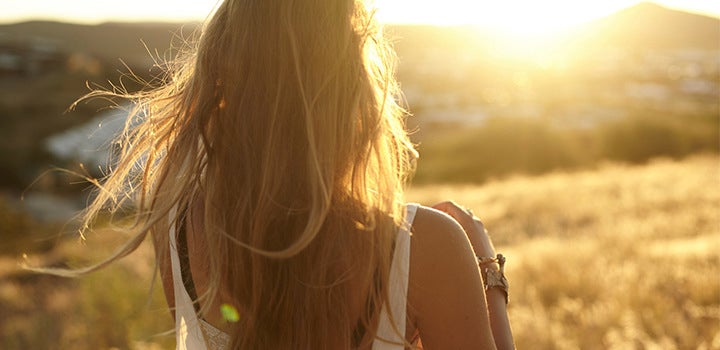
During the golden hour, the sun is at a low angle in the sky, creating longer shadows and flattering lighting situations you can use for more creative effects. Rim lighting, backlighting, side lighting, silhouettes, sunbursts and lens flares are all at your disposal during the golden hour. Understanding how to work with directional golden hour light can elevate the composition and emotional impact of your photographs.
The light is warm.
On the Kelvin colour temperature spectrum, the golden hour light is warmer, with lots of yellows, oranges and reds. The atmosphere filters out blue light when the sun is closer to the horizon, leaving you with a colour palette that people associate with feelings of happiness and warmth. Capturing images during the golden hour time can enhance the mood of your photos with rich, golden tones.
Tips for golden hour photography.
More than any other time of day, the golden hour puts the photographer in a time crunch. “What will happen ten minutes from now is going to be radically different than what happened ten minutes before,” photographer Tina Tryforos says of the golden hour. The golden hour is a short window of golden hours, after which the sun will slip below the horizon or level off into harsher light after sunrise. “It heightens the need to plan ahead,” says landscape photographer Steve Schwindt. “You need to have an idea of what you want to shoot beforehand.” Prep work can go a long way to make sure you get the results you want:
Plan your shoot.
Scout your location beforehand and visualise your compositions so you can maximise your time when the golden hour starts. If you can’t get there early, prepare by looking at other photographers’ work in the same spot to see what’s been done. Knowing what is golden hour and how it affects lighting can help you anticipate changes and plan better.
Use apps.
There are apps that list sunset times and tell you exactly where the sun will be at any given time or place. Using these golden hour calculators can take some of the guesswork out of golden hour time and planning.
Take lots of photos.
The light is changing every minute — faster than you’ll realise in the moment. Shoot more frames more often to ensure that you capture every change; this will give you more options to work with afterward. Frequent shooting helps you make the most of fleeting golden hours, capturing varied tones and compositions.
Blue hour photography.
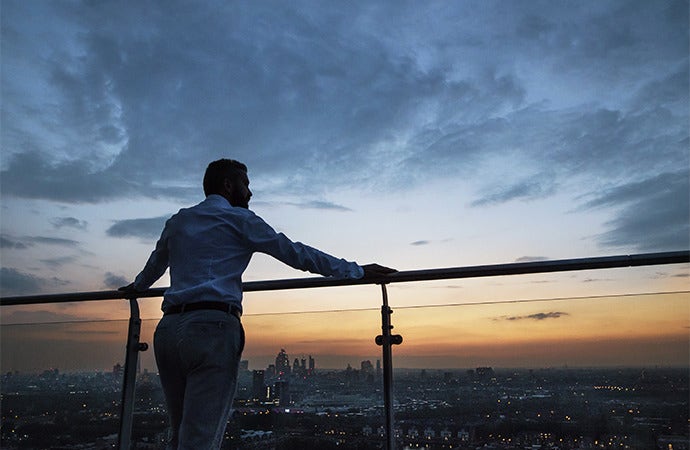
After the sun sets, you’ll be treated to the “blue hour,” the brief window of time following sunset, when the world is bathed in a deep blue colour. If you’re already out, stick around for a few blue hour photos. Just like golden hour, the blue hour offers a distinct palette that adds depth and emotion to your photography.
Working with directional light can be tricky.
Finding a balance between the sky and darker areas of a scene can be hard even during the golden hour. Shooting into the sun with your subject’s back to the light will produce a beautiful backlit effect, but it leaves your subject’s face in shadow. “You don’t have a ton of light on their face, so if you’re not exposing your camera properly, you can lose all of the beautiful highlights on their skin,” explains photographer David Green. Golden hour light can be both rewarding and challenging, especially when balancing exposure and creative intent. There are a number of different ways to combat this:
Raise your shadows and pull down your highlights.
Green recommends using an adjustment brush to pull up shadows on individual parts. Pulling up shadows and pulling down highlights can help to restore balance between the brightest and darkest parts of an image. Learn how to use shadow and highlight clippings in Adobe {{lightroom}} and how to use adjustment brushes in {{lightroom}}. These adjustments help you manage the strong contrasts often present during golden hour photography.
Shoot raw.
“JPEG files make editing and processing photos more difficult because you have less data to work with,” Schwindt explains. As the sun sets and less light is available, the ability to recover deep shadows in underexposed parts of your photos becomes increasingly important. RAW files offer flexibility when editing images taken during dynamic golden hour lighting.
Watch your dynamic range.
To pull up deep shadows in post-processing, you need to expose your photo properly, but your camera also needs to capture the necessary information. For best results, use a camera with a high dynamic range, which measures how many stops of exposure it can capture in a single frame. Capturing the full dynamic range is crucial when photographing scenes during the golden hour. The best cameras for the job will typically be full-frame DSLRs.
Use a fill light.
Flashes or reflectors help fill in the shadows on your subject’s face for a more evenly lit exposure. “It can be hard to include the sky because the exposure of it and the subject are two different things. Using fill flash can really make a difference. It’ll illuminate the person,” says Tryforos. This technique ensures your subject remains well lit even as golden hour light changes rapidly.
Shooting to edit.
Post-processing tools open up a world of possibilities for photographing the golden hour. If you’re having trouble keeping your highlights from being blown out, you can edit for results you can’t get in-camera. This requires more forethought. “Have a vision for how you want the photograph to turn out. That will affect what you do in post-processing,” advises Schwindt. “I’m always shooting to edit — always thinking about how the photo’s going to look once I bring all the colours up,” adds Green. Planning with golden hour photography in mind makes editing more impactful and cohesive.
Blend HDR photos.
One technique used by landscape photographers is to take multiple photos at different exposures and combine them in {{lightroom}}. “You can blend different exposures to compensate for the much brighter sky in comparison to a darker foreground,” explains Schwindt. For Adobe Photoshop, check out this tutorial to learn how to merge HDR photos. This is particularly useful when dealing with golden hour time scenes, where contrasts between sky and foreground are strong.
Adjust white balance.
Learn how to enhance the colours of a sunset by controlling temperature, tint and saturation in your photos. Golden hour lighting can create warm casts that benefit from careful white balance tweaks.
Work with the HSL panel.
“Direct sunlight from the golden hour can make skin look quite orange. I like backlit photos to avoid that look,” says Byrne. But if you don’t want all your photos to be backlit, learning to correct skin tones by making adjustments helps you to avoid this problem while keeping your lighting options open.
There are a lot of considerations that go into a successful golden hour shoot. But a little planning and know-how can help to eliminate those worries so you can step back and take in the beautiful light around you.
Golden hour photography tips for mobile.
You don’t need a DSLR to take stunning golden hour photos, smartphones today offer advanced camera capabilities that can capture the warm tones and soft light beautifully. Here’s how to get the most out of golden hour with your phone:
- Use manual settings: If your phone allows, adjust exposure, ISO and white balance manually to control the light more precisely.
- Turn on HDR: High Dynamic Range helps balance shadows and highlights, especially when shooting backlit subjects.
- Shoot in RAW: Many smartphones now support RAW format, giving you more editing flexibility later.
- Clean your lens: A quick wipe makes a noticeable difference in clarity and sharpness.
- Avoid digital zoom: Instead, move closer to your subject to maintain image quality.
- Use gridlines: Enable gridlines to align your shots using the rule of thirds — especially helpful for landscapes or silhouettes.
Common mistakes to avoid for golden hour photography.
Golden hour can elevate your shots, but only if you avoid these common missteps:
- Arriving late: The golden hour doesn’t last long. Arrive early to plan your shots and take advantage of changing light.
- Not checking the weather: A cloudy or foggy sky can affect the golden glow. Always check conditions in advance.
- Shooting only into the sun: While backlighting can be stunning, try different angles (side light, rim light) for variety.
- Over-editing: The beauty of golden hour is its natural warmth. Avoid excessive colour correction that dulls the effect.
- Ignoring shadows: Long shadows can add drama or distraction. Use them thoughtfully in your compositions.
Golden hour photography: Frequently asked questions.
What is the golden hour in photography?
When does the golden hour occur in India?
Why is golden hour photography preferred by professionals?
Can I shoot golden hour photos with a smartphone?
How can Adobe Lightroom help improve golden hour photos?
What are the best Adobe Photoshop features for golden hour editing?
Is it better to shoot in RAW during the golden hour when using Adobe tools?
Are there any Adobe tutorials for editing golden hour photography?
Is sunrise or sunset better for golden hour photos?
Both sunrise and sunset offer the golden hour glow, but each has its pros:
- Sunrise: Usually quieter with fewer people around, offering a calm, crisp light ideal for serene landscapes or early-morning city shots. Haze or pollution levels are often lower, making skies clearer.
- Sunset: More vibrant and warmer tones, with longer golden hour windows in some locations. It’s ideal for dynamic portraits and cityscapes when the day’s activity peaks.
Your choice depends on your subject, location, and the mood you want to create, both offer beautiful opportunities if planned well.