How to start a personal statement.
Learn how to start a personal statement with this handy guide and examples from Adobe Express.
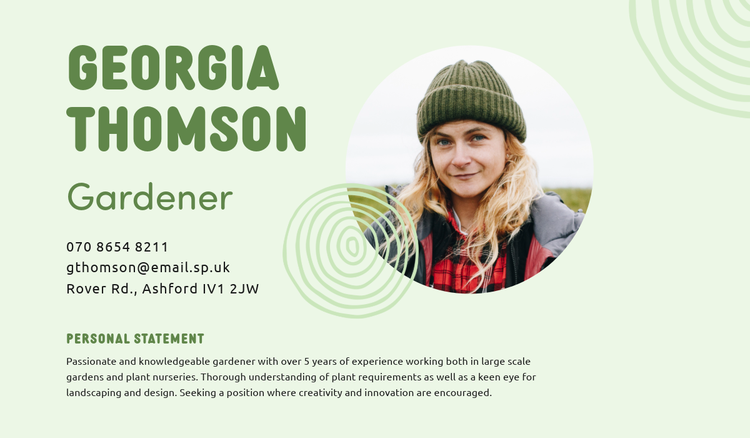




Whether you’re applying for university, a graduate role or a new job, you may be required to submit a personal statement as part of your application. This has many purposes, but namely it’s a way to showcase your skills, experience and enthusiasm for the role or course you’re applying for.
How you start your personal statement can play a crucial part in catching the eye of a recruiter or admissions officer. So, making sure it’s engaging and memorable is essential.
In this guide, we’ll take a closer look at what a personal statement is and how to start off a personal statement to give the best first impression.
What is a personal statement?
A personal statement, sometimes called a statement of purpose, is the perfect opportunity to talk about yourself. Think of it as an in-depth summary of your skills and experience, as well as your passion for what you’re applying for. It’s almost a longer version of the personal summary you would include at the top of your CV.
In the UK, most university applications require you to submit a one-page personal statement. This gives admission officers a better idea of who you are beyond your academic grades. You can also use it to outline the reasons why you’re applying for a specific course or college – to give you an edge over other applicants.
Why is a personal statement important?
A personal statement has many benefits. It provides a window into your skills, personality, experience and achievements. Below we look at why a personal statement is important:
- Emphasise your academic results. What grades have you already achieved and what are you predicted? When applying for university, these will be a priority.
- Show off your personality. You can use a personal statement to show off how you’re unique. Remember that your application won’t be the only one they receive, so you need to stand out. You can mention any hobbies and extra-curricular activities that set you apart from others.
- Highlight key achievements. If you’ve won any awards or have additional qualifications, it’s also a good idea to mention those in your personal statement.
- Communicate your interest. Explain why you’re interested in that particular course or field. You could even include this at the start of a personal statement, such as: “I would like to express my interest in the Psychology course that you offer. I believe I would be a great fit for this course because…”
- Explain future ambitions. Be sure to tell them why you want this space. Is it the next step in your career? Would it help you train or get experience to start your career journey?
recipe
How to prepare to start your personal statement.
A personal statement needs to include a lot of information, but you usually only have up to 4,000 characters to fit everything in. This works out as roughly 550 to 1000 words, or one A4 page. Because of how concise the personal statement needs to be, you should plan how to start your personal statement before you start working on it. Here are some ideas to help you prepare.
Make notes.
Start by making notes on what you want to talk about and collect the key information to include. You can use a mind map template to layout each section, and in turn come up with your main talking points.
This might include:
- Academic grades – both awarded ones and predicted ones.
- Experience – from school, a part-time job, or any internships.
- Academic and/or professional goals – and how this course will help you achieve them.
- Why you’re a good candidate – with concrete examples to back this up.
- Hard and soft skills – from leadership and communication to hard skills such as coding.
You should aim to answer these questions:
- Why are you applying?
- Do you have the relevant experience?
- Why will you be good at it?
Research the organisation.
Research is pivotal and personalising every personal statement to who/what you’re applying for will show how keen you are. If the institution has extracurricular activities, such as sporting teams or societies you want to join, this should be mentioned to show you’ve fully researched the institution – and that it has plenty to offer you beyond the course.
Plan the structure.
Planning ahead will ensure you don’t miss anything out, say what you need to say and can make writing it quicker. Look through a few personal statement template examples before you start, to get some inspiration.
A good structure might follow:
- A clear introduction, answering: “Who are you and why do you want to enrol here?”
- Then, use around 65% of the content to feature relevant academic and professional achievements. Be sure to back everything up with examples. Here, you should answer: “What makes you a good fit?”
- Then, 25% of the content can be used to highlight any extracurricular activities. This will show personal traits like dedication, determination and motivation.
- Add a clear conclusion that rounds everything up.
How to bring your personal statement to life.

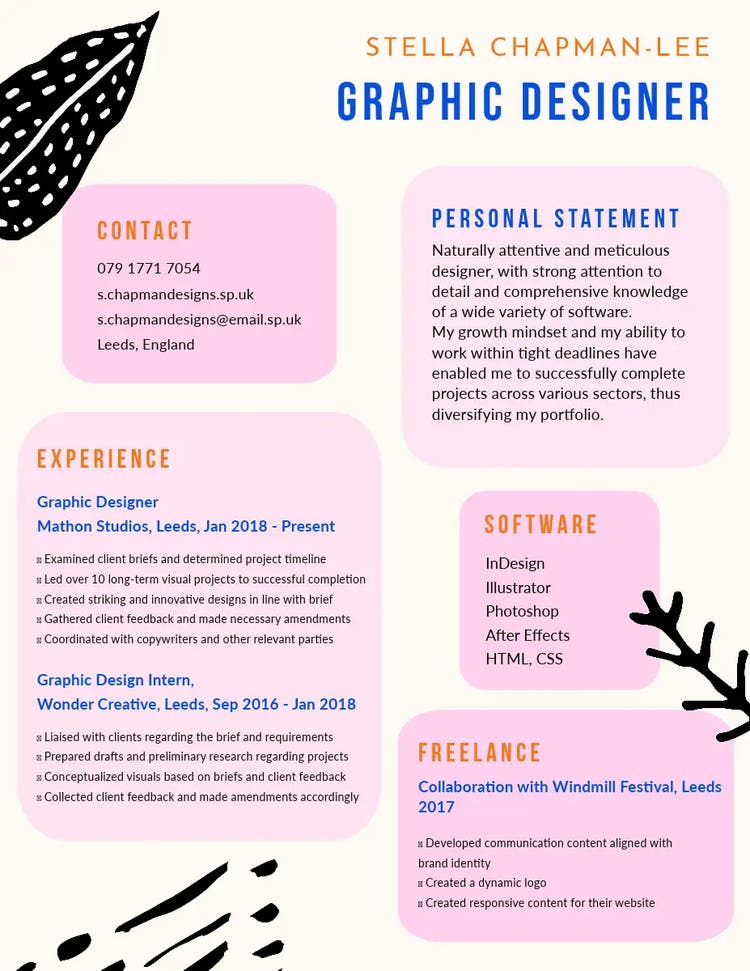
5 tips on how to start a personal statement.
Getting off the starting line can sometimes be the most difficult part. If you’re stuck on how to start a personal statement we have some tips to help you get started in the best way possible.
1. Don’t come in too strong.
Try to keep it light and be honest. Try not to overthink or exaggerate. You should also avoid making too many jokes or going all-in on dialling up your personality. Instead, keep it simple with who you are, what you have to offer and what the institution can do for you.
Your opening line should try and capture the reader’s attention.
2. Write your reasons why.
Once you have your opening lines, you should say why you’re applying, why them and why now. You can explain that after months of research, you feel this course is perfect for you and your future career ambitions.
3. Keep it short and succinct.
While you want to be descriptive, it’s important to get to the point. Remember, your personal statement won’t be the only one read that day, so you want to capture and hold attention. Make sure each point you make is relevant to you and what you’re applying for.
4. Be original.
As we’ve said before, you want to stand out, but try and avoid cliches and basic opening sentences. You should also avoid creating your personal statement using AI, as it will prevent you from showing off your authentic personality.
5. You don’t have to start at the start.
While a good opening paragraph can catch attention, you should plan out the overall content first so the intro is relevant and flows nicely into the main event. If you find it easier, you could even build out the main body first, and then work on the opening section and conclusion at the end.
Free editable personal statement introduction examples.
recipe
How can Adobe Express help you with your university application?
While a personal statement is an essential part of your university or college application, there are other elements you’ll need to consider as you prepare to apply. Luckily, Adobe Express is here to help with its free CV templates, cover letter examples and more.
- Don’t worry about starting your CV from scratch. Discover CV ideas for students in the UK, to help with your further education applications, plus part-time jobs and internships.
- Prepare any presentations for university interviews. If you’re asked to interview for a popular college or course, you might be asked to prepare a presentation. Make the most of the Adobe Express Presentation Maker to speed up the creation process and produce a professional design.
- Build your own portfolio of academic achievements. Whether you want to show off your best artwork, demonstrate your writing achievements or compile all your academic awards, Adobe Express can help you craft a portfolio of your work. Simply select one of the free, editable portfolio templates then add your own notes, features and more.
You might also like...