


con-block-row-lockup (xs-icon)
con-block-row-bgcolor
#000000
Visualise style concepts with a fashion mood board.
A fashion mood board can help you to organise inspiration, plan looks and refine your aesthetic direction. Learn how designers and stylists use mood board templates to shape collections, campaigns and personal style.
Generate mood board | Generate mood board - Visualise style concepts with a fashion mood board.

con-block-row-list
con-block-row-qrcode
con-block-row-text (xs-body)
What is a fashion mood board?
A fashion mood board is a visual planning tool used to define the style, tone and direction of a fashion project. Designers, stylists and creative teams use it to collect and organise references like fabric swatches, runway looks, colour palettes, silhouettes and editorial images. Whether you’re building a new collection or pitching a concept, a mood board helps inspire creative direction before production begins.
Using a mood board maker, you can quickly pull together inspiration and capture the essence of a design story, theme or seasonal trend. It’s an essential step in turning early ideas into cohesive concepts.
How designers use fashion mood boards.
Whether you’re launching a new collection or refining your personal style, a fashion mood board is a powerful tool. It helps translate ideas into clear, tangible direction — perfect for both industry professionals and everyday style lovers.
Here are some common ways fashion mood boards are used:
- Seasonal trend research. Gather inspiration from runway shows, street style and cultural movements to identify emerging colours, fabrics and silhouettes for the upcoming season.
- Brand identity. Define and reinforce a brand look by exploring logo treatments, styling cues and mood-setting images that reflect its aesthetic.
- Visual merchandising. Plan store displays or digital retail experiences by testing how pieces, textures and colours work together.
- Collection development. Organise ideas for a new collection, from initial sketches and reference imagery to fabric samples and colour stories.
- Campaign styling. Align creative teams around a concept by mood boarding for photoshoots, ad campaigns or lookbooks for a cohesive look across channels.
- Personal style planning. Curate outfit inspiration, capsule wardrobes or seasonal looks to help define a unique fashion point of view.
The benefits of creating a digital fashion mood board online.
While traditional physical mood boards are useful, creating a fashion design mood board online opens up a world of flexibility, speed and creative freedom. Whether you’re designing for a label or refreshing your personal style, a digital fashion mood board is easy to update as trends change and your ideas evolve.
Here are a few reasons to try digital mood boards versus physical:
- Experiment with layouts and styles easily. Just drag and drop to quickly rearrange images, colours and textures.
- Access an endless supply of visual sources. Pull inspiration from stock images, fashion archives, digital sketches and your own photos — all in one place.
- No printing or physical materials needed. Save time and reduce waste by eliminating the need for printing, cutting and sourcing physical materials.
- Collaborate in real time. Share your fashion mood board with teammates, clients or collaborators and get instant feedback.
- Revise and repurpose your board any time. Pivot in a new direction in minutes. Update your visuals, change the colour story or remix the layout without having to start again.
Digital mood boards streamline your creative workflow so you can spend more time designing.
4 types of professional fashion mood boards for planning.
In the fashion industry, not all mood boards are the same. From early trend forecasting to final campaign execution, each type of fashion mood board supports part of the creative process. Designers, stylists and marketers use different mood boards to clarify direction, align teams and bring their creative ideas to life. Below are four types of mood boards used to plan and execute fashion projects.
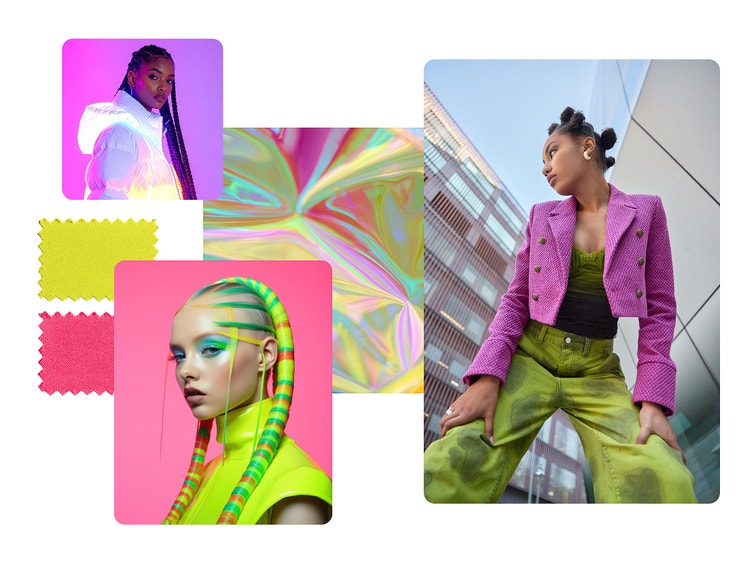
1. Fashion trend mood board.
A fashion trend mood board helps design teams stay ahead of what’s next. Often created by trend forecasters, design directors or merchandising teams, this type of fashion mood board is used to collect and communicate trend direction internally, before concepts reach the design phase. These mood boards set the tone for upcoming seasons and guide creative decisions across collections, marketing and retail planning.
They often include:
- Colour stories and forecasted palettes inspired by cultural cues, nature or street style.
- Textures and materials, fabric swatches, surface treatments or textile references.
- Silhouette inspiration, garment shapes or structural design elements.
- Cultural and lifestyle references and images from art, music, travel or social movements.
- Runway and editorial imagery. Early references from fashion weeks or key industry influencers.
2. Fashion styling mood board.
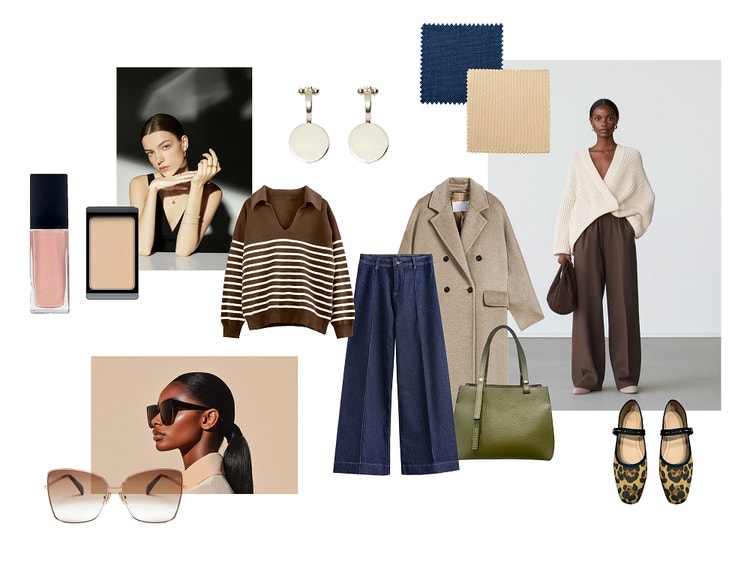
A fashion styling mood board is a tool for stylists, producers and costume designers to plan and communicate wardrobe direction for photoshoots, editorials, film or runway shows. These fashion mood boards help align the creative team on the overall aesthetic and ensure consistency across looks, especially when working with multiple outfits, models or cast members.
A fashion styling mood board often includes:
- Outfit breakdowns for layered looks, complete with tops, bottoms, outerwear and footwear.
- Accessories and details like jewellery, bags, belts, eyewear or other styling elements.
- Hair and makeup references for beauty looks that support the overall theme.
- Fabric and texture pairings to compare how different materials work together.
- Inspiration from past shoots or editorials for tone, mood or visual pacing.

3. Fashion branding mood board.
A fashion mood board for branding helps founders, creative directors or brand strategists shape the visual identity of a fashion label. It captures the essence of the brand — what it stands for, how it looks and how it makes people feel. This type of mood board is often used in the early stages of building a brand or when undergoing a rebrand to ensure a cohesive visual story.
Common fashion branding mood board elements include:
- Logo inspiration, such as reference logos that capture the desired feeling.
- Typeface options that suit the brand’s tone, whether it’s bold, elegant or minimalist.
- Colour palettes that reflect the brand’s energy and aesthetic.
- Material references, such as swatches, packaging or garment finishes.
- Lifestyle imagery that reflects the intended customer’s world.
- Quotes, headlines or taglines that direct brand voice and story.
4. Fashion lookbook or campaign mood board.
A fashion lookbook or campaign mood board helps guide the visual direction of a photoshoot, ad campaign or editorial spread. Created by art directors, photographers or brand teams, this type of fashion mood board ensures that everyone from the stylist to the set designer understands the tone, mood and story. It’s a vital tool for translating a creative concept into productive studio time.
A lookbook or fashion campaign mood board often includes:
- Lighting direction, such as indicating natural light, studio set-up or dramatic shadow references.
- Pose and composition references that show how models should be styled and positioned.
- Set design, props and other ideas for backgrounds, furniture and staging.
- Location inspiration, such as interior or exterior settings that reflect the campaign’s theme.
- Mood and atmosphere visuals that evoke the emotion or energy behind the concept.
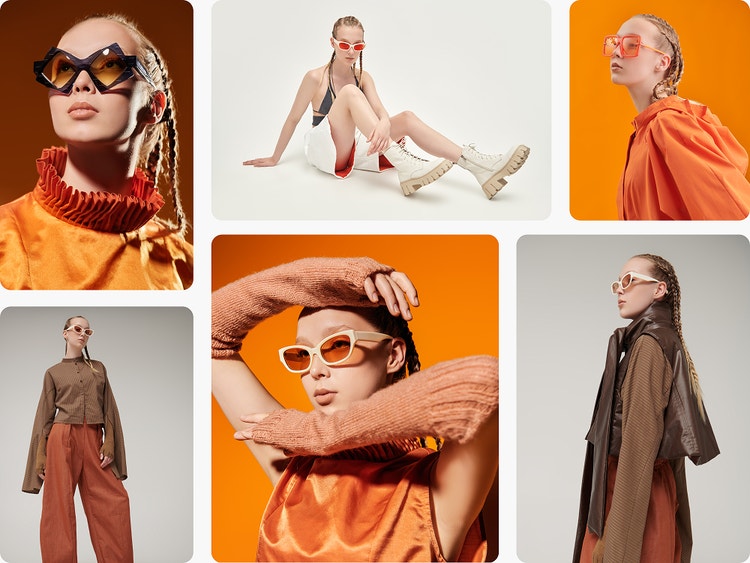
Plan your personal style with a fashion mood board.
Fashion mood boards aren’t just for professional designers, they’re also a creative and practical tool for anyone looking to refine or reimagine their personal style. Whether you’re planning a seasonal wardrobe refresh or exploring a new aesthetic, building a digital fashion mood board can help you to discover a new creative direction. It’s a low-pressure way to play with patterns, colours, fabrics and trends before committing to a wardrobe overhaul.
Here are some ways to use a fashion mood board for personal style planning:
- Visualise seasonal wardrobe shifts through spring, summer, fall and winter.
- Curate versatile pieces that mix and match for a streamlined capsule wardrobe.
- Experiment with colour theory and test how different hues work together.
- Plan outfits for personal or professional occasions like weddings, holidays or job interviews.
- Create group mood boards for shared events like holidays, parties or reunions.
Mood boarding your personal style can help you shop smarter, dress with more confidence and express yourself authentically all year long.
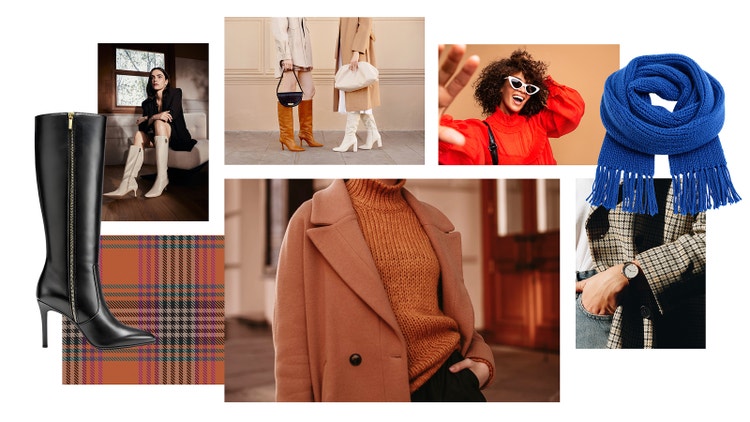
Brainstorm with these fashion mood board examples.
Starting a fashion mood board can feel overwhelming, especially when you’re starting with a blank canvas. Using visual examples can spark inspiration and a framework to build on. Whether you’re designing for a brand, a client or yourself, these fashion mood board examples can help kick-start your creative process.
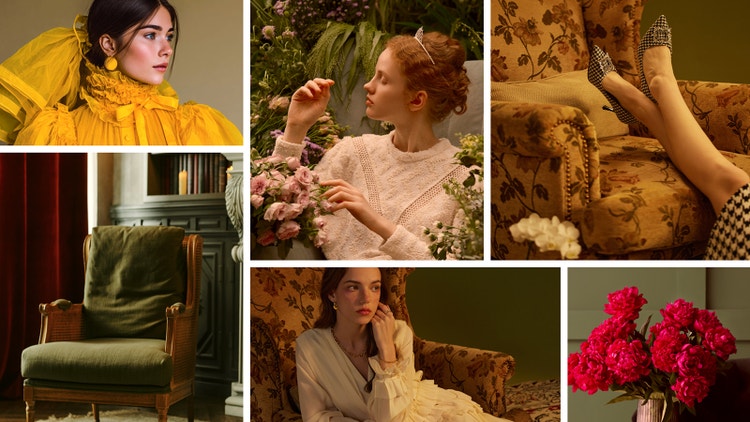
Styling mood board for an editorial shoot.
Styling mood boards combine lighting references, layered outfit ideas, accessories and makeup looks to shape an editorial aesthetic, such as prepping a concept for a winter issue feature.
Trend mood board for seasonal collections.
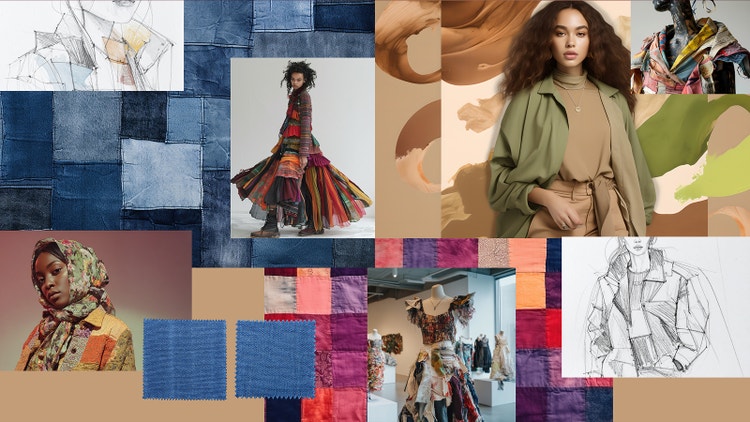
A fashion trend mood board focuses on emerging materials and silhouettes, often blending runway snapshots, fabric swatches and colour palettes to create a cohesive visual representation. It’s used by a design director to align the internal team around upcoming seasonal directions, like spring/summer.
Personal wardrobe planning mood board.
A personal wardrobe mood board might feature capsule pieces, mood references like cosy interiors and nature scenes and layered outfits for a minimalist fall wardrobe.
Design with these fashion mood board tips in mind.
Whether you’re designing a professional fashion mood board or pulling together a new personal style, your digital fashion mood board should strike a balance between visual impact and clear direction. Use these tips to create fashion mood boards that are both functional and beautiful.
Use a clear theme or tone.
Choose a guiding concept like “urban minimalism” or “romantic 90s revival” and select visuals that support that idea to maintain a strong creative focus.
Use high-quality images or sketches.
Whether you’re uploading inspiration photos, drawing elements yourself or using sketch-to-image AI in Firefly, crisp, high-resolution images will bring your creative ideas to life.
Maintain visual consistency.
Arrange elements by colour palette, lighting or texture to keep your board feeling cohesive and easy to understand at a glance.
Leave some negative space.
Don’t overcrowd your layout. A little white space helps viewers understand the board’s direction without distraction.
Iterate and refine.
A strong fashion mood board doesn’t always come together on the first try. Experiment with multiple layouts or swap elements until it appears exactly how you want.
Create photoshoot or fashion lookbook inspiration on the go.
Whether you’re scouting locations, capturing outfit ideas or gathering visual references, with the mood board maker in Firefly Boards, you can build a digital fashion design mood board wherever you go. Create and organise mood boards from anywhere.
Get fashion mood board inspiration.
Exploring fashion design mood board styles is a great way to spark new ideas and uncover creative layouts. Whether you’re planning a collection, campaign or wardrobe refresh, browsing mood board examples can help to bring fresh energy to your creative process.
How to create a fashion mood board.
Whether you’re mapping out a new collection, defining your personal style or presenting concepts to collaborators, the right mood board can bring your ideas to life in a clear and inspiring way.
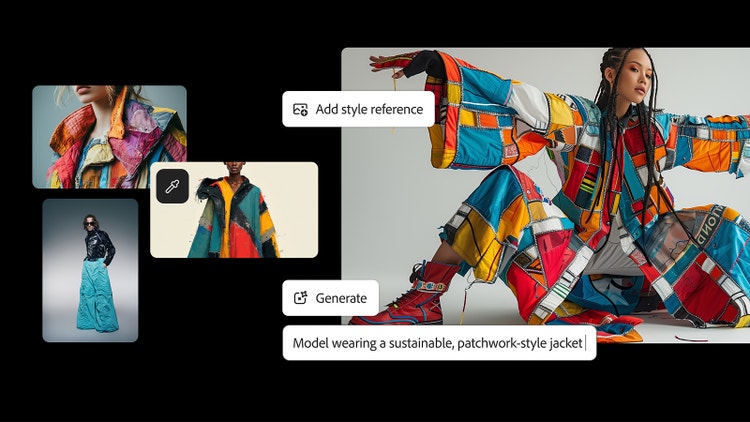
Here’s how to get started with Firefly Boards:
- Define a fashion mood board theme and collect reference images.
Start by identifying the purpose and direction for your mood board. Are you planning a seasonal collection, exploring colour theory or building a styling concept? Once you have a theme, begin collecting reference images like fabric swatches, silhouettes, colour palettes and cultural or aesthetic cues that reflect your fashion mood board’s intent. You can use personal photos or find high-quality images online from sources like Adobe Stock. Or find inspiration with text-to-image AI in Firefly and generate entirely new images that fit your theme. - Choose a fashion mood board template or design.
Select a layout that matches your workflow and aesthetic goals. Whether you want something structured and grid-based or loose and collage-style, a strong mood board fashion layout will help you visually organise your ideas. Consider how many images you want to include and how you want to display them. - Create your fashion mood board design.
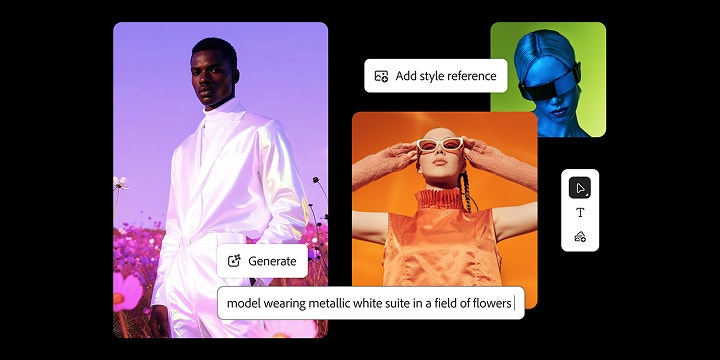
Open Firefly Boards and add your reference images or generate new ones using text-to-image or other generative AI tools in Firefly. Adjust the layout, colours and design elements until your fashion mood board clearly communicates your creative vision. - Refine and share your fashion mood board.
Take time to review your mood board. Refine placement, add text if needed and ensure your story flows from image to image. Once you’re satisfied, export or share your mood board with collaborators, clients or teams for feedback.
Fashion mood board FAQs.
What is a mood board in fashion?
A fashion mood board is a visual planning tool used by designers, stylists and creatives to capture the overall direction of a style concept, collection or campaign. It helps align ideas through curated imagery, colours, textures and other inspiration.
Where can I create a fashion mood board?
You can create a fashion mood board online with Adobe Firefly Boards. Upload images, use stock assets or generate visuals with AI. It’s an easy way to design and refine your mood board from anywhere.
What are the different types of fashion-themed mood boards?
Fashion mood boards can focus on trend forecasting, styling direction, brand identity, campaign visuals or personal wardrobe planning. Each one serves a unique role in the creative process, depending on your goals and audience.
How do I create a fashion mood board?
Start by defining your mood board’s theme, then collect reference images or generate new ones with tools like Text-to-Image in Firefly. Select a template or layout that aligns with your vision, arrange the elements in Firefly Boards and refine the overall appearance before sharing or exporting.
Can I use AI to generate a fashion mood board?
You can use Firefly AI tools to generate fashion-themed visuals or complete mood boards based on text prompts, sketches or reference photos. It’s an easy way to explore different styles, moods and creative directions.
Is my digital fashion mood board safe for commercial use if I create it with Firefly Boards?
The Firefly AI model is trained on licensed and public domain data, making content generated in Firefly Boards commercially safe. Make sure that you verify usage rights before publishing or distributing your fashion mood board if you use assets from other sources.
#E8E8E8
Articles about art and mood board design.

What is Generative AI & How it Works
Generative AI is all over the headlines and that’s not empty hype. This new technology is likely to be part of your life soon — if it’s not already.
Learn more | Learn more - What is generative AI & how it works
What is AI art & how does it work?
Generative AI is quickly becoming a vital tool for artists. Read on to learn about what generative AI art is, how to create it and how you can use it in your practice.
Revolutionising Creation: AI Art Use Cases
Discover the many applications of AI art and how it’s transforming the creative landscape.
Learn more | Learn more - Revolutionising Creation: AI art use case

7 art styles for AI prompts
Surrealism, Cubism, Impressionism — find out how to create images in these and other art styles with generative AI.