
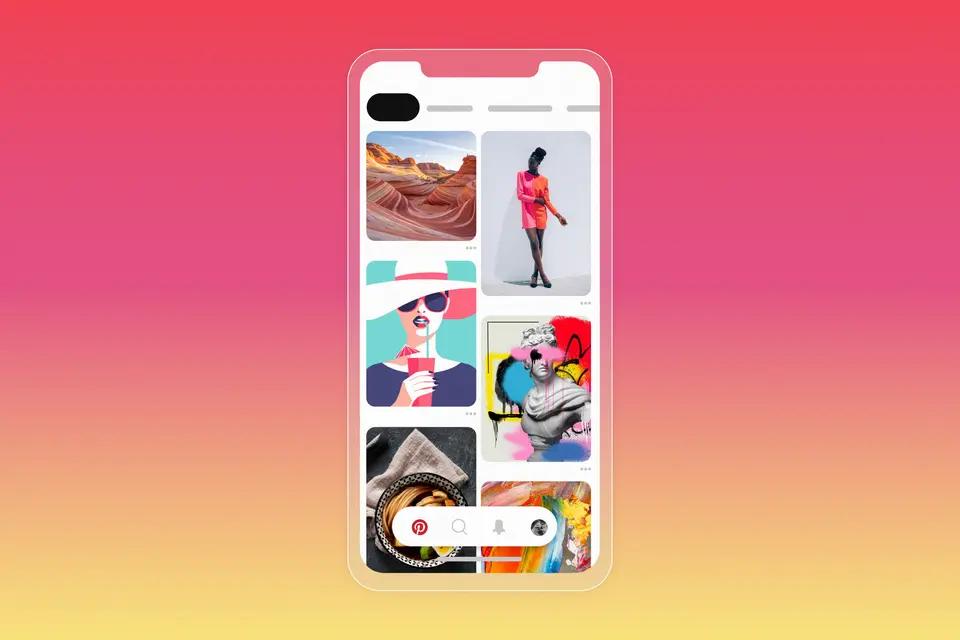
Pinterest is both a social media platform and a visual search engine. With hundreds of millions of monthly users, it is where people actively look for ideas, products, and inspiration across categories like home decor, fashion, food, travel, beauty, and DIY.
Unlike most social networks, Pinterest content is designed to be discovered over time. A single Pin can drive traffic and visibility for months or even years. That makes knowing how to post on Pinterest the right way especially valuable for creators, businesses, and marketers.
Key takeaways
- Pinterest is a visual discovery platform where content has long-term reach.
- Posting consistently helps improve visibility in Pinterest search results.
- Different Pin formats serve different goals, from inspiration to shopping.
- Pinterest favors clear visuals, keyword-rich descriptions, and relevant boards.
- Business accounts unlock advanced formats like Product Pins and Rich Pins.
How Pinterest works
Pinterest users share content through Pins. Every Pin is saved to a board, which acts like a themed collection. Other users can save your Pins to their own boards, helping your content spread organically.
Pinterest relies heavily on search intent. Users type keywords into the search bar to find ideas, and Pins that are well-optimized for those searches are more likely to appear. That is why keywords, descriptions, and board organization matter so much. You can streamline your Pin creation with Adobe Express.
When and how often to post on Pinterest
Consistency matters more than volume. Most accounts see the best results by publishing between 4–10n Pins per day, including original Pins and saved content from others.
Best posting times vary by audience, but many creators see strong engagement during:
- Midday, around 2pm–4pm
- Evening, around 8pm–9pm
Rather than chasing exact times, focus on posting regularly and monitoring your analytics to see when your audience is most active.
Types of Pinterest posts
Before learning how to post on Pinterest, it helps to understand the main Pin formats available today.
Standard Pins
Single-image or single-video Pins. These are the most common format and work well for blog posts, products, and evergreen content.
Idea Pins
Multi-page Pins made up of images and videos. Idea Pins are designed for storytelling, tutorials, and inspiration-first content. They don’t prioritize outbound links but are great for reach and engagement.
Video Pins
Pins that feature a single video that plays automatically in the feed. These work well for quick demos, before-and-after content, and short tutorials.
Rich Pins
Pins that automatically pull metadata from your website, such as product details or article headlines. Rich Pins require a business account and a verified website.
Product Pins
Shopping-focused Pins that show real-time pricing, availability, and product information. These are ideal for ecommerce brands and creators selling physical products.
Collection Pins
A main Product Pin followed by multiple related product thumbnails. Collection Pins help users browse and shop multiple items at once.
How to post on Pinterest using the mobile app
Pinterest’s mobile interface is the most commonly used way to publish content. The steps below reflect the current UI.
How to post a standard Pin
- Open the Pinterest app and log in.
- Tap the plus icon at the bottom of the screen.
- Select Pin.
- Upload an image or video from your device.
- Add a title, description, and destination link.
- Edit the alt text for accessibility and search visibility.
- Choose a relevant board.
- Tap Publish.
Your Pin will be live immediately.
How to post an Idea Pin
- Open the Pinterest app and tap the plus icon.
- Select Idea Pin.
- Add images or videos, up to 20 pages.
- Edit each page with text, stickers, audio, or effects.
- Add a title and description.
- Tag topics or products if relevant.
- Choose a board.
- Tap Publish.
Idea Pins are optimized for engagement and discovery rather than direct traffic.
How to post a video Pin
- Log in to Pinterest using a business account.
- Tap the plus icon and select Pin.
- Upload or record a video.
- Add a title, description, and link.
- Edit alt text.
- Choose a board.
- Tap Publish.
Video Pins autoplay in the feed and benefit from short, attention-grabbing visuals.
How to post Rich Pins
Rich Pins require a Pinterest business account and a verified website.
- Convert your account to a business account in Settings.
- Add the appropriate meta tags to your website pages.
- Use the Pinterest Rich Pin validator to submit a page.
- Wait for approval, usually within 24 hours.
Once approved, any Pins linking to correctly tagged pages will automatically display as Rich Pins.
How to post Product and Collection Pins
Product and Collection Pins are designed for shopping and sales.
To create them, you need:
- A business account
- A claimed website
- A connected product catalog
Creating a Collection Pin
- Tap the plus icon and select Pin.
- Upload a main image or video.
- Add title, description, and product link.
- Tap the product tag icon.
- Add products from your catalog or URLs.
- Save and publish to a board.
Collection Pins let users browse multiple products from a single Pin.
Best practices for posting on Pinterest
- Use vertical images with a 2:3 aspect ratio.
- Write clear, keyword-rich titles and descriptions.
- Save Pins to relevant, well-named boards.
- Focus on evergreen content that stays useful over time.
- Refresh high-performing content with new visuals.
Pinterest rewards clarity, relevance, and consistency. It is often used as a search engine, and Pins are therefore best optimized with search in mind.
Ready to put this into practice?
Start creating clean, eye-catching Pins that are built for search, saves, and long-term discovery. With Adobe Express, you can design, resize, and optimize Pinterest-ready visuals in minutes — whether you’re posting Standard Pins, Idea Pins, or Product Pins.