


Bring stories together with B-roll.
- B-roll is footage (often called b-roll video) that supplements your main video clips.
- It can help to establish a scene, smooth out a transition or add meaning, supporting the flow between different types of pictures and genres of video.
- Plan ahead with a shot list to ensure that you capture the right b-roll shots to tell your story effectively.
What is B-roll?
B-roll footage refers to secondary video content used to support or enhance the main footage (called A-roll). Originally, it was used to hide cuts between film segments. Today in modern film and video production, B-roll includes any visuals that add context, cover edits, or illustrate what's being discussed such as cutaway shots, scenery, or behind-the-scenes clips.
This supplemental footage includes all of the shots that don’t include the principal subjects interacting with each other or talking into the camera. It can come from stock footage, archival footage or photos and second unit crews whose whole job is to capture B-roll examples and supporting shots.
Though digital video has eliminated the problem of film splicing, makers of both scripted and unscripted video still use B-roll to establish scenes, smooth transitions and cut out coughs or unwanted frames without throwing away a whole shot. For creators exploring what is B-roll in editing, this footage is key to enhancing narrative flow and avoiding jump cuts. “Even though it sounds like it’s secondary, B-roll is what creates the nuances of visual storytelling,” says director and cinematographer Hiroshi Hara.
A-roll vs B-roll explained.
A-roll is your main footage, usually the core narrative or the subjects speaking directly to the camera. B-roll is the supporting footage that adds depth, smooths transitions and gives editors flexibility.
Think of a news interview: the A-roll is the person being interviewed, while the B-roll might include shots of their workplace, family photographs or relevant background visuals. Together, they create a complete viewing experience. In video editing, A-roll provides the information while B-roll makes it engaging and visually appealing.
B-roll in scripted video.
B-roll is essential in narrative features to create a sense of time and place and add layers of meaning to the story. Establishing shots at the beginning of scenes that show city streets, landmarks or the exteriors of buildings are usually B-roll shots, along with other shots that cuts away from the main action.
If two characters are on a street corner and one says to the other, “That’s the bank I want to rob,” the film might cut to a shot of the bank building. “Can’t be done,” the other character might say in voiceover during the shot of the bank. This type of cut also gives an editor more options when they splice together multiple takes of a scene, showing the difference between A-roll vs B-roll.
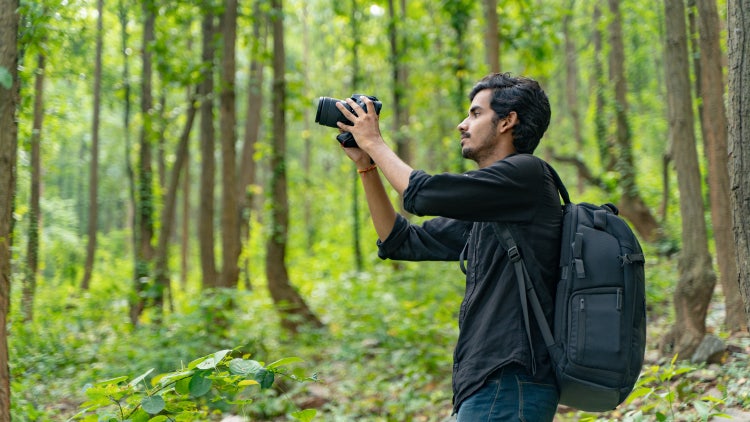
As Hara describes it, B-roll is the icing on the cake, but A-roll footage or principal photography, is the cake itself. “Without the actual cake, there’s nothing to put it on. B-roll video is generally whatever shot supports the main footage and the plot line,” Hara says. Filmmakers tend to get B-roll after they capture the main scenes. Because these shots don’t require a sound person or the principal actors, the filmmaker can save time and money with a second unit or smaller crew.
For filmmakers in India and beyond, using B-roll effectively not only adds visual depth but also helps showcase different genres of storytelling across a wide range of video projects.
B-roll in documentary video.
B-roll is crucial for news stories and documentary films. Any format that contains a lot of interview footage can benefit from relevant and visually interesting B-roll examples that add variety and context.
“An interview with a person just stationary and talking into the camera can get pretty boring,” Hara says. “What is B-roll in video editing becomes clear here, as these supporting shots enhance storytelling and improve viewer engagement. You can use it when you need to cut between certain soundbites or shave off time without getting stuck with a jump cut.” (Jump cuts are edits that jump forward or backward in the same shot, which often has a jarring and disorienting effect.)
For documentary creators in India, B-roll footage can include cultural events, street scenes, or traditional practices that provide rich context and bring authenticity to the story.
B-roll for social media.
B-roll has become a game-changer for short-form content such as Instagram Reels and YouTube Shorts. Instead of relying only on talking-head clips, creators can use B-roll shots to add energy and hold attention within the first few seconds. For example, an Indian food vlogger might include close-up shots of spices sizzling in a pan, or a travel creator could use drone footage of Kerala’s backwaters to set the mood before their narration begins.
For businesses, B-roll is equally powerful. Fashion brands can use cutaway clips of fabric textures, jewellery details or behind-the-scenes tailoring to make their reels more engaging. Even corporate houses are now using B-roll snippets of their workspace, products in use and employee interactions to make content relatable and visually rich.
B-roll in action: From films to social media.
B-roll is not limited to feature films and documentaries. It plays a role in almost every type of visual storytelling:
- Corporate videos: Show office culture, product manufacturing and client interactions to create authenticity.
- Weddings: Capture rituals, candid family reactions and decor details to enrich highlight films.
- Educational content: Add lab footage, classroom shots or demonstration clips to keep tutorials lively.
- Travel vlogs: Use cutaway clips of markets, monuments or natural landscapes to immerse the audience.
- Music videos: Include symbolic or abstract visuals that complement the lyrics and mood of the song.
In India, B-roll is especially prominent in wedding films, festival coverage, regional art documentaries and influencer-led social media videos where visuals carry as much weight as spoken words.
How to shoot B-roll.
While you’re still in preproduction, keep these tips in mind to capture as much useful extra footage as you can. You’ll thank yourself in post-production, because well-planned B-roll shots make editing smoother and add flexibility to your story.
Make a shot list.
With B-roll, as with primary footage, you’ll save yourself time, money and frustration if you make a detailed shot list. Consider the time of day, the season, and the equipment you’ll need. “Be specific about what you’re looking for,” Hara says. “Once you have a list it’s much easier to visualise the problems or limitations that could come up.”

When you shoot a narrative film, go through the script and note possibilities for good establishing shots, cutaways and close-ups. When you make a documentary or other video that involves a lot of interview footage, take good notes about what B-roll shots you can pair with the dialogue. This process helps you build a clear photography types list of visuals, ensuring your B-roll examples fit naturally into the story.
Tell a story.
Your main characters aren’t in the shot, but your B-roll video can still tell a story. Keep these points in mind, as director Mike Leonard suggests:
- Lighting, composition and subject: Always check if the image contributes to storytelling.
- Background and foreground: Use signage, landmarks or objects to add depth and context.
- Cultural elements: In Indian documentaries, B-roll footage of festivals, crafts or landscapes can add authenticity and bring different genres of storytelling to life.


Slow down.
Don’t go to the trouble to set up the perfect shot only to lose patience before you’ve got enough footage. “Whether it’s a stationary shot or there’s camera movement, always count to ten in your head,” Leonard says. The shot has to be long enough that you can cut it to fit the pacing of the dialogue. “The most common beginner’s mistake is to get a beautiful shot with pretty subject matter and great composition, but it’s not long enough,” says Leonard. Slowing down ensures your B-roll footage is versatile in editing, giving you more options to merge seamlessly with A-roll and avoid awkward jump cuts.
Experiment with different shots.
B-roll might seem less interesting than principal photography, but it can offer room to play. “It forces you to get creative. After you film the same thing over and over, you realise you can film it from this weird camera angle or use a time-lapse or approach it from a unique perspective, like with a drone or point-of-view camera,” Leonard says.
In editing, these creative B-roll examples give you more flexibility to merge with A-roll footage seamlessly, avoiding repetition and keeping your story dynamic.
Make the most of your footage.
Once you’ve got all the raw material you need, practice cutting it into your main story. The editing tools in Adobe Premiere make it easy to merge your A-roll and B-roll into one seamless story. Once you’ve got an edit you like, try colour grading your footage to get the right tones.
If you need inspiration, go back to your favourite films and pay close attention to the B-roll footage. When you see examples you like, make a note of them and ask yourself what makes them effective. Try applying those learnings to your next project and remember that it’s all practice.
For video creators learning what is B-roll in editing, Adobe Premiere offers powerful features to organise clips, refine transitions and experiment with different genres of storytelling, ensuring your B-roll enhances the final cut.
Frequently asked questions.
B-roll shots should be long enough to provide editing flexibility but short enough to keep the story moving. The exact length depends on your video type, whether it is a short social media reel or a feature-length documentary.
Planning B-roll involves creating a detailed shot list, scheduling time for second-unit or additional crews, and accounting for equipment needs. Budgeting carefully ensures you capture enough supporting footage without overspending or wasting resources.
The amount of B-roll depends on the type of video. Short-form content like social media reels may require only a few seconds of cutaways, while documentaries, weddings or feature films often need extensive B-roll to cover transitions, context shots and visual storytelling.
Close-ups of food, festival celebrations, cultural landmarks, travel locations and behind-the-scenes moments work well. These visuals help content resonate with local audiences and make videos more engaging.
Adobe Premiere offers timeline editing, colour grading and flexible clip organisation, making it easy to merge A-roll and B-roll footage into one seamless story for any type of video.


Creativity for all
Photography, video, graphic design, illustration and so much more. Everything you need, wherever your imagination takes you.
title
What is B-roll footage and why is it important?
tags
caas:content-type/article,caas:product-categories/video,caas:topic/video-effects
description
Whether you’re producing a news story or a feature film, get B-roll footage to keep your audience engaged.
cardImage

cardImageAltText
A video montage showing clips of B-roll footage.


Speed up your video workflows with Adobe Firefly generative AI.
Visualise shots and effects ahead of the shoot, generate assets missed in production to complement your edit and eliminate tedious tasks to stay focused on your creative ideas.


