



.

Flyer sizes: Standard dimensions & design tips.

Craft eye-catching flyers that are the perfect size.

Start designing with Adobe Express

Most common flyer sizes & their uses.

Choosing the right flyer size can make a big difference to how your message is received. Whether you are promoting an event, launching a new product, or offering a discount, flyers are a fast and effective way to get the word out. However, different sizes work better for different purposes, so it is important to pick one that fits your goals and distribution method.

Popular flyer sizes include A6 at 105mm × 148mm, ideal for handouts and postcards, and A5 at 148mm × 210mm, which offers more space for images and text without being bulky. A4 flyers at 210mm × 297mm are another common option, giving you plenty of room to share detailed information, such as event schedules or menus. DL flyers, with a size of 99mm × 210mm, are long and slim, perfect for inserting into envelopes or displaying in racks. No matter the size you choose, your flyer should always be easy to read, visually appealing, and aligned with your brand style and voice. Use Adobe Express to design professional-looking flyers quickly that have the right impact every time.


Red and Black Branding Agency Service Flyer
Edit this template
White and Green Residential Real Estate Brand Awareness Flyer
Edit this template
Orange and Black Branding Studio Service Flyer
Edit this template
Pink and Purple Diwali Sale Flyer
Edit this template
Blue Diwali Sale Flyer
Edit this template
Orange and White Construction Company Introduction Flyer
Edit this template

How to choose the right flyer size for your business.

Picking the right flyer size starts with knowing where and how you plan to share it. Smaller flyers, like A6 or DL, are great for street handouts, direct mail, or counter displays. They are easy to carry and quick for readers to digest. If you want your flyer to be kept for longer or to act as a mini poster, an A5 or A4 size gives you the space to create something more detailed and visually striking. Explore these wine flyer templates to see how different styles and sizes can impact the flyers’ messages. For even more inspiration, explore these editable flyer templates for all types of flyers.

Always think about what your content is trying to achieve. If you have only a few key points and a strong image, a smaller flyer keeps things focused. If you are sharing event schedules, multiple offers, or product lists, a larger size will prevent the information from feeling cramped. You may come to realise that you want your flyer to behave more like a poster. In which case, it might be worth checking out these poster templates that you can customise and print on Adobe Express. Your brand personality should also guide your choice. A high-end brand may want a more substantial flyer, while a fun, casual promotion could suit a smaller, more vibrant business. With Adobe Express, you can easily explore different sizes and templates, helping you create flyers that suit your business perfectly.

Green and Yellow Farmers Market Event Flyer A5
Edit this template
Blue and Green Antique Market Flyer A5
Edit this template
Green , White and Black Cleaning Product A5 Flyer
Edit this template
Pink and Yellow Pop-Up Deli A5 Flyer
Edit this template
Purple and Cream Pop Up Jewellery Shop A5 Flyer
Edit this template
Pink and Blue Pop Up Fashion Shop A5 Flyer
Edit this template

Digital vs. print: Flyer size considerations.

Choosing between digital and print flyers affects your size decisions as well as your content and design choices. Here are some key tips on how to select the right size flyer for your digital and print needs.

1. Know your distribution channel.

If you are emailing your flyer or posting it online, standard screen sizes matter more than print dimensions. Stick to a size that looks good on mobile and desktop screens, such as A5 or custom dimensions suited to your platform.

2. Check resolution needs.

Digital flyers need a resolution of at least 72 dpi for screens. Print flyers must be at least 300 dpi to ensure clear, sharp printing without pixelation. If you don’t get this right, you could end up with poor quality flyers that people are less likely to engage with when they encounter them. Learn more about resolutions for digital and print designs.

3. Consider file size.

Digital flyers should be light enough to load quickly. If you are printing, you can focus more on quality and colour depth without worrying about file weight. If you’re not sure about file sizes, you can simply use the design and print service offered by Adobe Express to immediately print your flyers once you’ve finished your designs. You can also use the design and print service for posters, t-shirts, and business cards.

4. Think about audience behaviour.

Online audiences scroll fast. A smaller, punchier flyer might work better digitally, while a printed A4 flyer can capture longer attention spans at events or in-store. Learn how to optimise your social media visual content and take advantage of AI tools to help improve your social media strategy. Use Adobe Express to format flyers for both digital and print purposes to ensure that your design looks professional wherever it appears.

Black and White with Yellow Adopt Don't Shop Pet Shelter Flyer
Edit this template
Tan and Green New Eucalyptus Candle A4 Flyer
Edit this template
Blue & Green Book Club Flyer
Edit this template
Real Estate Agency Flyer
Edit this template
Black and White Barber Shop Ad Flyer
Edit this template
Peach & Cream Abstract Background Beauty Salon Flyer
Edit this template

Tips for designing an effective flyer.

Creating a flyer is not just about picking a size; it is about making sure your design grabs attention and delivers your message clearly. Start with a bold headline that immediately tells the reader what the flyer is about. Use high-quality images that relate to your message and limit your colour palette to two or three strong colours to avoid overwhelming the design. Learn more about how to use colour psychology in marketing.

Typography matters too. Choose fonts that are easy to read and make sure your most important information stands out. Keep text short and punchy, using bullet points if necessary to make it scannable. Finally, always include a clear call-to-action, whether it is visiting a website, attending an event, or claiming a discount. With Adobe Express, you can adapt your flyer into an advertising banner and other content so that it can be part of a wider campaign. Simply choose from professionally designed templates that guide you through these best practices, helping you create flyers that look great and get results. Learn more about how to advertise your business and how to use British humour in your advertisement campaigns.

Edit this Template
Custom Size
Yellow and Orange Thanksgiving Community Event Flyer
Edit this template
Bold & Bright Art Exhibition Event Flyer
Edit this template
Blue Snowflake White Elephant Party Flyer
Edit this template
Blue And White Science Of Exhibition Flyer
Edit this template
Gray Christmas Flyer
Edit this template
Bold & Colorful Event Schedule Flyer
Edit this template

How to design and print your flyer using Adobe Express.

1

Choose a flyer template.

On Adobe Express, select from a wide range of professionally designed flyer templates. Focus on the designs you think will fit your brand or that will clearly speak to your target audience. You’ll find an array of flyers with sizes that match your needs, from A5, A4, DL, or custom sizing.

2

Customise your flyer design.

Swap in your own brand colours, fonts, and images. If you’ve not yet built your brand identity, learn more about how to express your brand. If you have your brand assets ready, use the One-Click Apply Brand tool to add them to all your designs on Adobe Express. Add your own text, adjust layouts, and make sure the design is aligned with your brand identity. Keep it simple and striking.

3

Adjust for digital or print use.

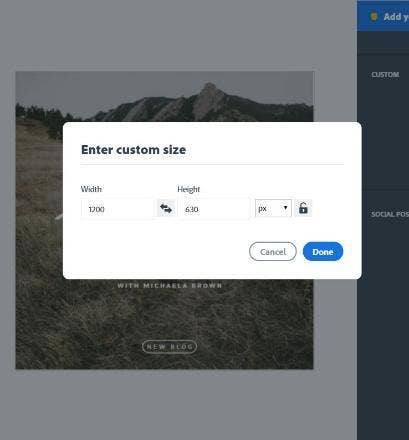
Use the resizing tool to ensure your flyer suits your channel. Set the correct resolution for digital (72 dpi) or print (300 dpi) use. Check that text and images stay sharp.

4

Download your finished flyer.

When you are happy with your design, download it in the right format. For digital sharing, you may find that a compressed JPG is best for quicker sharing on social media, posting to your website, or sending via email. Check out these tips on how to create successful email marketing campaigns.

5

Print your flyer.

Print your flyers directly through Adobe Express and have them shipped to your door. You can use your print copies for events and promotions and can always come back to Adobe Express to tweak your designs for use again in the future.