60 Drawing ideas easy enough for any skill level.

Easy drawing ideas you can start and finish without overthinking.

Design with your idea

Easy all-in-one editor
One-click edits from any device
Fast creation with generative AI
Thousands of professionally-designed templates
toc-title
Table of contents:
toc-aria-label
table of contents links
content-1
How to choose drawing ideas you can actually complete.
content-1-short
content-2
Drawing ideas easy to start with when you want something you can finish.
content-2-short
content-3
Cute easy drawing ideas that lean into personality and fun.
content-3-short
content-4
Cool easy drawing ideas that express personality and fun.
content-4-short
content-5
How to turn easy drawing ideas into finished sketches.
content-5-short
content-6
Easy drawing ideas for kids that they can actually finish.
content-6-short
content-7
Simple easy drawing ideas that calm the mind.
content-7-short
content-8
Easy drawing ideas for beginners that build skill and confidence.
content-8-short
content-9
Drawing ideas easy enough to turn into daily utilities.
content-9-short

How to choose drawing ideas you can actually complete.

Search for “drawing ideas easy” and you’ll get thousands of results – most either too basic to feel satisfying or too detailed to finish in one sitting. You need to pick ideas that match your time, skill level, and attention span. This guide narrows things down into practical categories so you’re not just collecting inspiration, but choosing something you can realistically complete today.

Drawing ideas easy to start with when you want something you can finish.

Drawing ideas easy enough to start are sketches that let you warm up your skills or reset your process. If you decide to turn your finished sketch into something printable, a poster maker makes the process easy. It scales a simple drawing without stretching or distorting the original lines.

Simple flower doodles are relaxing and approachable.
Start with one basic shape and then repeat it across the page, adjusting each petal for spacing and length. This repetition builds stability in curved lines without pressuring yourself to get the proportions right. If you scan your sketch and want a cleaner contrast, use an image background remover to isolate the linework from the paper texture.
Basic animal sketches build confidence quickly.
The key to drawing animals is to understand their structure. Break them into circles and ovals first – like for the head and body – and keep the first pass loose. A simple dog outline is enough to practice proportion without getting stuck in details like its fur.
Cloud and sky drawings feel calm and creative.
Clouds and the sky are easy to draw because there’s no wrong shape. Fill one corner of the page with a few puffy forms, then leave the rest mostly open. If it looks too empty, add two or three more. This is more about noticing when “enough” is actually enough.
Everyday objects make easy drawing subjects.
Drawing everyday objects, like a mug or a pair of headphones, can amplify your observation. It trains your eye to see angles and curves more accurately than mimicking stylized references online.
Heart and star patterns are great starting points.
Hearts and stars are easy to repeat, which makes them ideal when you just want to get your hand moving. Fill a small section of the page with them. If you notice some are uneven or slightly tilted, just keep going.
Simple house sketches feel cozy and fun.
A basic house, with a square base and a triangular roof, gives you structure. Then play with window placement or roof angles to see how small shifts change the look. This is an easy way to practice straight lines and simple perspective.
Smiley faces practice expression with ease.
Draw multiple circles in a row and change only one feature each time, like the curve of the mouth or the angle of the eyebrows. Small adjustments show how minimal lines affect expression.
Sun and moon drawings feel timeless.
A bold circle with radiating lines can teach you about line direction and spacing. Tighter lines look busy while wider lines feel calmer. A crescent moon lets you experiment with contrast without full shading.
Minimal landscapes use simple shapes effectively.
Think of three elements (a horizon, one tree, one hill). Limiting the number of elements keeps the drawing readable and keeps your focus on placement and spatial awareness.
Fruit drawings keep things playful and colorful.
Drawing fruit gives you an organic shape that doesn’t punish small mistakes. For example, an apple only needs a few contour lines to suggest form. Then, add shadows to indicate depth.

Cute easy drawing ideas that lean into personality and fun.

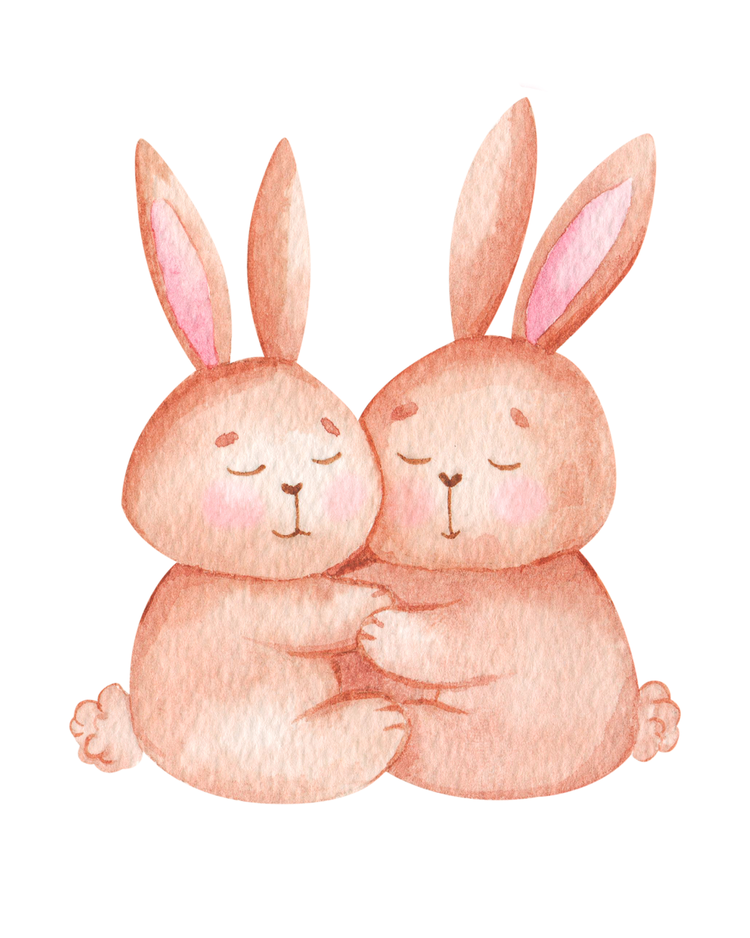
Cute, easy drawing ideas feed your creativity. You don’t have to measure every angle or fix every line. With cute drawings, exaggeration is intentional. You can also turn cute sketches into a full banner for special occasions or stickers to give out to friends.

Cute animal faces feel charming and fun.
Oversized eyes and rounded cheeks carry most of the expression. Draw the same animal multiple times with small changes in the mouth or eyebrows to keep things from feeling repetitive.
Chibi-style characters are simple and adorable.
Think of a big head, small body, with minuscule details. Instead of doing a perfect outline, start with a loose oval and overstated proportions.
Hearts with faces add personality.
Heart drawings can be flat. Adding facial expressions – or even witty lines – gives them texture and personality. For Valentine’s Day or your anniversary, print the hearts onto couple shirts and mugs.
Tiny food drawings look playful and sweet.
A rounded triangle with a few short lines is a pizza. An oval with a small handle is a coffee cup. If you like how they turn out, upload the sketches into a card maker to make a small, personalized card for your foodie friends.
Simple flower characters feel cheerful.
Mark your day with a specific flower instead of a basic dot. Draw a rose if you’ve spent the day with your partner, a sunflower if you are with your friends. Cute flower drawings make journaling more fun.
Stars and clouds with expressions feel dreamy.
This version isn’t about spacing like the earlier cloud sketches. This is all about mood. Keep the shapes simple, but add closed eyes, a tiny blush, and a crooked smile.
Cute doodle animals build creativity.
Use rounded bodies and short limbs. Think in soft shapes instead of precision. Try different positions: sitting down, waving, sleeping. Repeating the same character in small variations improves consistency.
Mini cartoon objects feel lighthearted.
Do your own cartoon with everyday objects. How about a notebook with a tiny smirk or a mug with sleepy eyes? Keep the features subtle so the object is still recognizable.
Kawaii-style icons are easy and lovable.
Kawaii designs have rounded edges, evenly spaced features, and gentle expressions. If you’re arranging multiple icons on one page, a photo collage maker makes it easier to space them evenly, especially if you’re preparing a printable sticker sheet or small digital set.
Cute seasonal drawings add charm.
Use one seasonal symbol per season and keep it compact. A cute pumpkin drawing can work as a mat for the kids’ table on Thanksgiving. Put crayons on the table so the children can add to the design.

Cool easy drawing ideas that express personality and fun.

Cool, easy drawing ideas don’t try too hard. They are all about strong shapes, bold outlines, and open spaces. They’re great for flyers announcing small events or club message boards.

Simple line art portraits feel modern.
Think of minimalist tattoo-style faces or the kind of single-line portraits you see in modern prints. Line art portraits skip shading and focus only on contour. Draw a side profile without lifting your pen. The result doesn’t have to be realistic. What you’re aiming for here is a clear silhouette.
Minimal geometric designs look stylish.
A triangle overlapping a circle, or a row of evenly spaced vertical lines, already feels graphic. Spacing keeps the design contained in one area.  These work well if you prefer structure over organic shapes.
Easy abstract shapes encourage creativity.
Abstract drawings give you freedom because you don’t need a reference. Start with three or four bold shapes and vary their size. Test how the design looks in different formats, like square for Instagram or vertical for print, using a resize tool to adjust proportions.
Basic graffiti-style letters feel bold.
Block letters with slight embellishment feel forward and daring. Pick one word and draw each letter thick and slightly tilted. No need for complex shadows, just do heavier outlines.
Simple eye drawings add dramatic flair.
Eyes naturally pull focus. Concentrate on the outline, iris, and a single highlight. Keep the lashes minimal. This works well when you want to practice capturing attention in a small space.
Silhouettes create cool visual impact.
Start with a simple outline, like a tree or a skyline, and then fill it in completely. You don’t have to add details inside. Just do a solid black. The trick here is to choose something people can recognize at a glance.
Minimal moon and star designs feel aesthetic.
Draw thin crescent moons and a few small stars placed near the edge of the page. Keep the lines slightly uneven. If you’re into darker, bookish themes, turn the sketches into a bookmark to fit your current read.
Pattern-based doodles look artistic.
Choose a line, a dot, or a wave, and then repeat it in varying shapes. Let the element build across the paper. Shade or color the pattern to give it more life.
Simple skull drawings feel edgy but easy.
A skull drawing looks edgy even when simplified. Avoid heavy shading and use clean lines make it look graphic.
Stylized symbols add personality.
Start with a simple straight arrow. Then tweak one part – stretch the tail longer, split the tip, or add two small lines behind it so it feels like it’s moving. This works in the corner of a page or next to a heading when a plain line feels too flat.

How to turn easy drawing ideas into finished sketches.

Picture, Picture
Choose a drawing.
Pick something simple like a flower, a cloud, or anything that isn’t time-consuming.
Start with basic shapes.
Circles, squares, and loose lines help you map the subject.
Keep the first pass simple and quick.
Let the lines stay imperfect so you're not stuck with details.
Refine the sketch digitally.
Upload the drawing to Adobe Express to adjust contrast, remove the background, or test layouts.
Reuse the drawing.
Turn it into a bookmark, sticker, journal accent, or other simple printable design.

Easy drawing ideas for kids that they can actually finish.

Easy drawing ideas for kids work best when they don’t take forever. Most kids lose interest halfway through if the drawing gets too complicated. Pair their drawings with a short message using a letter template to give to their favorite family members.

Cute animals are fun and engaging.
Stick to animals with clear shapes like turtles, fish, and cats. Start with big circles and simple ears instead of detailed fur or claws. Let them choose the color afterward for a “finished” look.
Simple cartoon characters spark imagination.
Instead of copying known characters, invite them to invent one. Ask what the character likes or where it lives. The backstory keeps them drawing longer without adding technical pressure.
Basic shapes turned into drawings teach creativity.
Turn a circle in a face or a square into a robot. This helps kids see that drawings start with shapes they already know. It removes the fear of “I can’t draw that.”
Rainbow drawings feel colorful and joyful.
Rainbows are good for practicing order and color choice. Encourage thick, steady arcs. But even uneven stripes help them build confidence quickly.
Smiling suns and clouds feel friendly.
Kids have seen suns and clouds in picture books and cartoons, so drawing them doesn’t feel unfamiliar. That understanding helps them draw and color the shapes, even add little embellishments.
Simple vehicles are easy and exciting.
Cars, buses, and rockets are popular easy drawing ideas for kids because, again, they’re recognizable. They also work well for kids who prefer structured shapes over animals.
Fruit characters make drawing playful.
Draw an apple or a banana and ask them to make it a character by adding eyes, a nose, and a mouth. You can also turn these into printable coloring sheets for classroom or party activities.
Basic houses and trees feel familiar.
Ask kids to draw their homes from memory. It can be the structure of the house, their backyard, their bedroom, or their favorite area at home. Let them share what makes the place special.
Animal faces build confidence.
Focusing on animal faces helps kids notice facial body parts. Turn it into a small game and let them draw the same face three times and change only one feature – like the mouth or eyebrow – to show different emotions.
Story-themed drawings encourage imagination.
Ask them to draw a scene from their favorite book or movie. Accuracy doesn’t matter here. Encourage them further by asking them to draw what can make the scene even better.

Simple easy drawing ideas that calm the mind.

Simple, easy drawing ideas are usually the ones you look for when you want to calm your busy brain. You don’t have to think about the output here; it’s more of the joy and simplicity of drawing.

Line drawings feel clean and minimal.
Try drawing something in one go without lifting your pen. It can be anything, and even if your pen wobbles, that’s not a problem. The small imperfections are what make the drawing feel alive.
Repeating patterns relaxes the mind.
Doodling a small mark repeatedly steadies your hand and mind. It can be a dash or a curve, even a dot. You’re not aiming for a big outcome, just something to pass the time.
Minimal icons are quick to sketch.
Draw a tiny clock. Or an envelope. Open your phone and look for emojis and icons to replicate. You can digitize the sketches and turn them into labels.
Simple floral outlines feel elegant.
Go soft and minimal with just the outer edge of a stem and a couple of petals. You can leave the inside blank. The space will make the flower feel lighter.
Basic landscape lines feel peaceful.
Sketch what you’d see through your window. Sometimes, just the outline of rooftops or distant shapes in your neighborhood can make you feel warm and safe.
Tiny symbols add visual interest.
A small star in the corner of your journal or a thin arrow near a heading. These aren’t just fun to look at; they’re also enough to break up the space.
Simple mandalas are calming and structured.
The repetition of drawing mandalas can help settle your nerves. Don’t think about perfect lines. Let your hand guide you.
Dot-and-line art feels modern.
Create your own notebook cover design with this: short lines, then dots, then lines again. Do variations for all your subjects.
Single-object sketches keep things focused.
Pick one thing in front of you and draw only that. No background, and no extras. It keeps the page – and your brain – from all the outside noise.
Minimal face profiles feel expressive.
A side profile with a nose and chin is enough. Don’t aim for perfection here. Once it looks like a face, stop.

Easy drawing ideas for beginners that build skill and confidence.

Easy drawing ideas for beginners should make sense while you’re doing them. At this stage, you’re just figuring out how lines behave on paper. The point is to see small changes from one page to the next.

Basic shape drawings build foundational skills.
Study different shapes to train your eyes to see volume before details. It’s not just circles and squares. You have cubes and spheres from different angles. Pay attention to how the edges change when you tilt them slightly.
Simple shading practice improves depth.
Pick one shape and shade only one side consistently instead of blending the whole object. Uneven shading teaches you how light wraps around form.
Line art teaches control and flow.
Draw slow, deliberate lines without sketching over them repeatedly. If it comes out slightly uneven, leave it. Getting used to finishing a line in one go builds confidence faster than fixing every small mistake.
Basic still-life objects develop observation.
Put an object in front of you and draw what you actually see – don’t think what it looks like. Noticing angles and proportions will strengthen accuracy over time.
Easy animal outlines build confidence.
Think in simple segments – head, torso, legs – and connect them gradually. It helps you understand structure without getting stuck in texture and details.
Simple perspective exercises feel approachable.
You don’t need complex grids at this point. Just draw a box and extend faint lines backward to suggest depth. Seeing how parallel lines narrow as they move away can change how your drawings look and feel.
Minimal portraits focus on key features.
It can be the eyes, the nose, or other facial features. But choose only one to prioritize, and simplify the rest. This will teach you proportions and spaces between features without getting overwhelmed.
Pattern drawing improves consistency.
Create a repeated motif and try to keep the spacing similar. You will see small inconsistencies, but don’t measure. As you do often, you’ll learn symmetry organically.
Simple texture studies feel achievable.
Build visual vocabulary by drawing only one texture at a time. Do a stone crack or a wood grain. The goal is to see how the marks change depending on the material.
Daily doodles help develop habit and style.
Draw something every day. It doesn’t matter if you feel it’s bad or unremarkable. Over time, you will start to notice patterns in what you choose and how you draw it. That consistency shapes your style and technique.

Drawing ideas easy enough to turn into daily utilities.

Your drawings don’t have to stay inside a sketchbook. Turn them into “accessories” to support how you read, write, or organize your day.

Drawing ideas easy to refine and adapt with Adobe Express.

Drawing ideas easy enough to sketch quickly can feel different once they leave your notebook. A rough line that looked ordinary on paper may pop out once you place it on a darker background. Sometimes, it just needs a bit of contrast or better alignment to be fuller.

Adobe Express gives you room to test those shifts. Adjust the background, move the drawing around, and pair it with simple text. The sketch stays the same; you just change what sits around it. Adobe Express makes that part easier.

You might also like...

View all