40 Welcome back messages for every reunion.
Craft meaningful welcome back messages for work, school, and more.
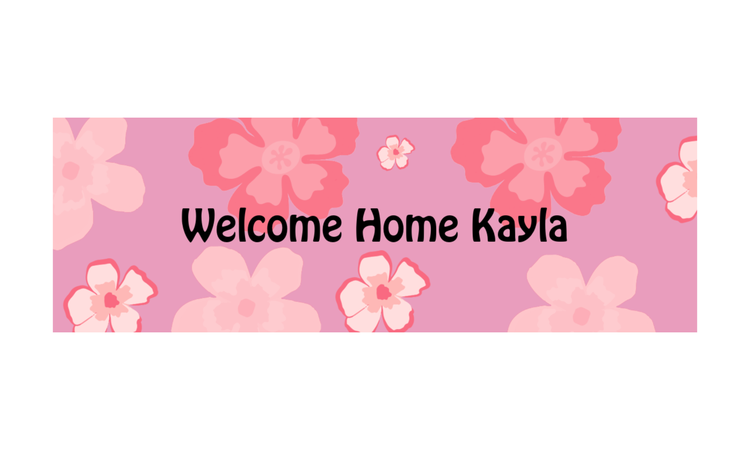




Finding the right welcome back messages for every return.
The return of people we respect or love, whether scheduled or unexpected, can be a reason to send them a welcome back message along with a meaningful gesture. A warm greeting lets someone know they were actually missed and that others respect their presence. Making them feel valued allows them to settle back in comfortably. Brief, sincere notes can foster a sense of belonging, while longer messages can be reserved for those who hold a special place in the community and have been away for a long time. We compiled "welcome back" messages for different scenarios, including parties and get-togethers, to cheer someone's return.
Welcome back messages for every reunion.
Welcome back messages recognize the person who has been away and make it easy for them to reconnect with the group they're returning to. Some return after a restful week, such as holidays, vacations, or school breaks. Overseas studies, business negotiations, military service, and attending an industry event can also temporarily separate people from families and coworkers. Reunions after rest periods and achieving life goals are naturally celebratory.
Others step away for a time due to illness (theirs or a loved one's) or other personal challenge. Customers may pause shop visits and purchases due to financial constraints. Those who went through tough seasons may appreciate more private reunions and quiet encouragement.
The best welcome back message depends on who you're welcoming back and how you plan to send your greeting. The first set below consists of versatile greetings, making them suitable across a wide range of reunions. You can adapt the messages below for digital announcements, greeting cards, posters, or banners.
recipe
Welcome back messages for employees returning to the workplace.
Preparing for a person's return to work can involve updating them on new timelines and target outcomes. To make the transition back a little easier, managers and coworkers can craft welcome back messages that will make employees feel valued beyond their responsibilities. These messages can help make Day 1 feel more inviting. You can adapt them to your unique setting, such as a school, hospitality business, healthcare organization, retail store, volunteer group, or non-profit organization.
A warm and respectful greeting reminds employees they’re part of the team and valued beyond their individual roles. It acknowledges their return without being sentimental and drawing unnecessary attention to the details of their absence. For a consistent approach across the organization, the team manager can give or send a welcome back card. Meanwhile, a team greeting shared in your workplace chat can set a positive tone for the day.
The messages below suit many professional situations and can be used in workplace cards and other templates available on Adobe Express.
Welcome back messages to work after time away.
A sabbatical, months of remote work due to an extended project, or a company shutdown can remove people from their familiar workspace. Regardless of the employee’s reason for being away, they all have to readjust once they’re ready or expected to report for their usual duties.
Welcome back messages can help ease the transition to their regular workflow. You can choose from our collection of messages below to match your situation, to keep the greeting genuine and appropriate.
For instance, an office-wide banner or signage at the reception area can welcome everyone back after the holidays and other seasonal closures. On the other hand, a more personal message on a card or customized letter might be more fitting for welcoming a department's return after an office renovation.
With Adobe Express tools, you can tailor any of these greetings to notecards, posters, newsletters, presentations, and other workplace materials that fit the occasion.
How to create welcome back designs with Adobe Express.


Welcome back messages for colleagues that strengthen team connections.
Unlike company-wide greetings that sound reserved or neutral, welcome back messages for colleagues can be more laid-back as they don't represent the organization's voice. The language and content can be casual with some humor or light teasing since your audience has worked with you side by side, overcoming the same challenges.
Tailor your words to the recipient, who may be a teammate, project partner, or mentor, to rebuild connections naturally. This will also help them settle back into day-to-day collaboration and reopen the door to casual conversation. You can create a desk card or decorate their workstation to greet your colleague before the workday begins. Scheduling a team breakfast, coffee catch-up, lunch together, or informal afternoon tea can also give your returning colleague a chance to re-engage in a more relaxed setting.
You can try these lines in team chat announcements, desk cards, informal team displays, or shared workspaces, and use Adobe Express to design them.
Choose the best welcome back messages for your design.
When selecting your welcome back message, consider the context for their comeback, your relationship with the person, and how you’ll present the greeting. The following steps can help you decide:
1. Select a message that reflects why they had been gone.
Your greeting can touch on recovery or rejuvenation if you're greeting someone who’s returning from medical/maternity leave or a long vacation. Congratulate those who have completed an overseas deployment or advanced studies.
2. Consider who you're welcoming back.
Your recipient may be one or several people. In greeting a coworker or employee, using a warmer tone and mentioning a shared experience is acceptable. But messages addressing a whole class, office team, or department should be relatable to everyone.
Messages to employees or teammates should be warm but professional and inspire teamwork. When welcoming back students, use encouraging and enthusiastic language.
Returning customers will appreciate a reassuring tone and targeted assistance. Your greeting should also reflect a consistent brand voice across other formats, such as social media and signage.
3. Think about your relationship with the recipient.
The message can be conversational for peers, but more business-like for bosses or company owners. The closer your relationship is with the person (a relative or good neighbor, for example), the more casual and personal your wording can be.
4. Match the greeting to the occasion.
If you're welcoming a coworker who's returning after a family member's illness or death, choose a message that's sincere and low-pressure. Your greeting can sound more fun and festive for those who are back after a personal or team accomplishment, such as winning a sports competition or representing your business at an industry conference or public event.
5. Watch your length.
Depending on where your message will appear, ensure the wording fits your target space. Your message can be brief, an SMS-type greeting, or slightly longer, such as one to two sentences or a paragraph.
6. Personalize it.
Include the date, the person's name, and the company (or team or school). If you have enough space, mention a shared experience with the recipient.
Creative ways to share welcome back messages.
It's time to decide how to share your message. You can select from the options below to match your situation.
1. Welcome someone back personally.
Write your message on a greeting card, photo collage, or letter and give it to a family member or teammate for a thoughtful one-on-one welcome. Printed cards and collages feel more personal as recipients can display them on their desk or bring them home as a keepsake.
2. Welcome an entire team back.
Greet employees returning after the holidays or company-wide breaks with a banner outside your office building or signage in your reception area, conference room, or cafeteria.
Physically large formats help create a hospitable atmosphere from the moment people step into the office or school entrance, before conversations begin. Posters in shared spaces reinforce the message throughout the day.
3. Share updates across the workplace.
Spread awareness across the team or organization by writing the greeting on internal messaging platforms, company emails, and presentation slides.
Internal newsletters keep hybrid or remote workers in the loop even if they don't see on-site displays. Meanwhile, presentation slides reinforce the welcome message during a team meeting before proceeding with the main agenda or other agenda items. In larger workplaces, digital noticeboards can keep the greeting visible across multiple shifts.
4. Welcome students or community members back.
Design classroom door signs, posters for your local bulletin board, flyers, and table tent cards so returning individuals or groups feel included once they arrive. In school, printed welcome back messages serve as motivation before lessons begin. On community noticeboards, your message can reach a wider audience, including visitors, throughout the day.
For a consistent experience from their arrival up to the end of their work or school day, use the same welcome greeting across several touchpoints, such as bulletin boards and handouts for any event or program.
5. Celebrate special events.
Activities where people can reconnect without pressure can ease office or classroom collaboration later. Prepare signage or a digital display for gatherings where welcoming people back is the main event or a specific segment of the program. A stage backdrop or entrance banner that establishes a festive atmosphere as attendees arrive also naturally converts into a photowall. Printed program brochures reinforce your theme throughout the day.
Common mistakes in creating welcome back messages.
Welcoming people back to your group or setting typically serves as a morale booster. Don't let these pitfalls ruin your message and design preparation:
1. Assuming the reason for someone's absence.
If the reason for the person’s absence was shared publicly (training or illness), you can cite it directly. Or express well wishes (kudos or have a speedy recovery) to make your greeting authentic instead of sounding obligatory and flat. Don't focus on personal circumstances, and only refer to what has been publicly shared.
2. Using inappropriate humor.
Save your humor for face-to-face catch-ups. To avoid being misinterpreted as guilt-tripping, avoid joking about workload or difficulties during their absence.
3. Overlooking a person's privacy.
Ask permission before sharing photographs and other personal details (such as after maternity or sick leave). Respect the other person if they don't want to disclose information about medical or personal leaves.
4. Letting the design overpower the message.
Overly decorative graphics, competing fonts, and excessive animation in digital greetings that crowd the text can be distracting.
5. Writing a greeting that's too long for the design.
Ensure your message will fit the available space. Use one-liners on posters and banners, and reserve your longer messages for greeting cards and newsletters.
6. Skipping verification of names and other details.
Proofreading for spelling, job title, department, event date, and company logo is a must for company or school-wide greetings.
Turn your favorite welcome back messages into a memorable design.
Every reunion is different, and it can involve more than one person. No matter the nature of the homecoming or return, you need a proper greeting that will promote re-engagement or even deeper harmony.
Our collection of messages above is a good place to start. After finding the line that matches your recipient, relationship, and the way you want to share it, bring it to life with a well-crafted design. Include their names, photos, school or company branding, or other artful touches that will reflect the occasion.
Choose Adobe Express to design your welcome greeting on banners, posters, greeting cards, and other creative projects. Make your reunion an event to remember by creating your greeting on our platform today.
Discover more you might like.
You might also like...