
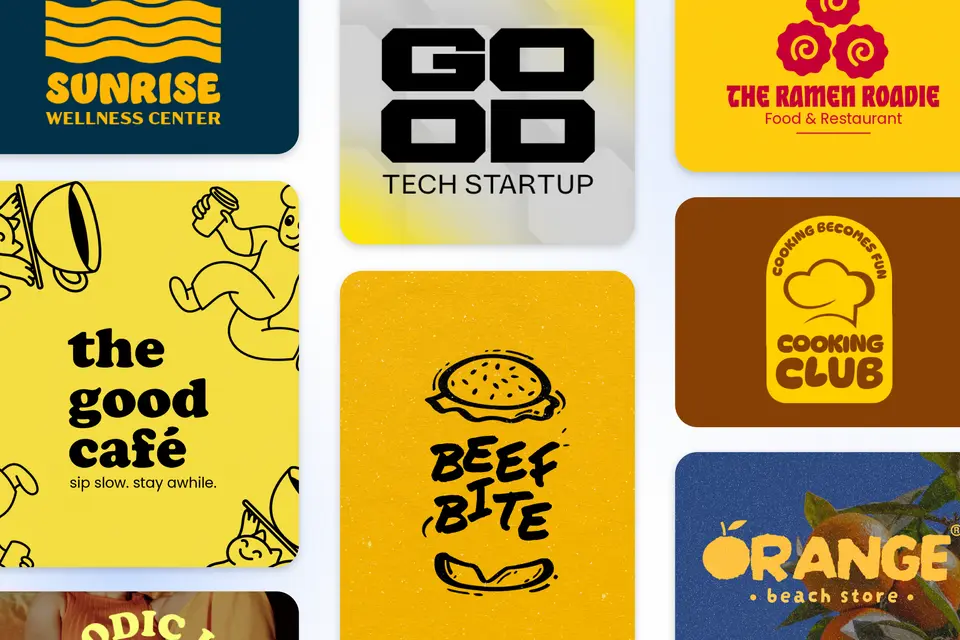
Choosing the color yellow for your logo is a bold, intentional move that can significantly influence how the public perceives your brand identity. Like every design element, from the shape of the icon to the specific typography used, your color palette should underscore your core values. Yellow is a powerful tool for brands looking to radiate energy, optimism, and accessibility.
Key takeaways
- Yellow stimulates mental activity and encourages communication, making it ideal for social and knowledge-based brands.
- Often used by retail and food companies, yellow is strongly associated with value and affordability.
- High visibility makes yellow a standard for brands that want to signify speed or caution.
- In 2026, yellow trends are shifting toward earthy ochres and high-contrast digital sulphurs.
- Proper contrast with secondary colors is essential to ensure legibility on digital screens.
The meaning behind yellow logos
Color has a dramatic impact on brand perception because different hues trigger specific emotional and physical reactions. Yellow is particularly invigorating, stimulating the nerves and the brain to make consumers feel more alert and energized.
- Psychological impact: Yellow is primarily linked to happiness, optimism, and playfulness. It mimics the warmth of sunshine and the vibrancy of nature.
- Action and urgency: Because yellow is the most visible color to the human eye, it’s used to grab attention quickly. This is why it appears on hazard signs and discount tags.
- Appetite stimulation: Studies show that yellow can increase appetite, making it a staple for fast food and snack industries.
- Value association: Brands often use yellow to signal affordability, budget-friendliness, and accessibility to a wide audience.
- Mental clarity: It’s frequently associated with knowledge, innovation, and the "lightbulb" moment of discovery.
Famous examples of yellow logos
Many global giants leverage yellow to communicate specific brand messages, ranging from speed to cost-effectiveness.
- Food and beverage: McDonald’s uses the famous golden arches to suggest speed and value. Subway and Denny’s use sunny hues to create a welcoming, high-energy environment for diners.
- Retail and value: IKEA uses a blue and yellow combination to emphasize its Swedish heritage and its focus on affordable home solutions. Best Buy uses a yellow tag to highlight its commitment to competitive pricing.
- Travel and logistics: Brands like Ferrari, Hertz, and DHL use yellow to imply speed, movement, and efficiency. National Geographic uses a simple yellow border to represent a window into the world and the light of knowledge.
- Tech and social media: Snapchat, Bumble, and Pokémon use yellow to appear youthful and engaging, encouraging users to interact with their platforms.
Trending yellow colors for 2026
As we move through 2026, the application of yellow has evolved beyond primary shades into more nuanced tones that reflect current global interests in technology and sustainability.
- Digital sulphur: This is a high-visibility, neon-adjacent yellow designed for screen-first branding. It feels futuristic and energetic, perfect for fintech or gaming startups.
- Sustainable ochre: A deeper, more muted yellow with brown undertones. This color reflects a brand’s connection to the earth and is popular with eco-friendly or organic businesses.
- Muted butter: Soft and creamy, this shade offers a sophisticated take on yellow. It’s widely used in the wellness and home lifestyle sectors to suggest comfort without being overwhelming.
- Solar amber: A warm, orange-leaning yellow that feels premium and established. It’s often used by brands wanting to convey luxury while maintaining a friendly appearance.
Pros and cons of using yellow in branding
Yellow is a high-visibility color that commands immediate attention, often associated with optimism, energy, and mental clarity. In 2026 branding, it’s frequently used to break through digital noise, acting as a "visual caffeine" boost that stimulates the viewer's eye and suggests a forward-thinking or cheerful identity. However, its potency means it should be applied with strategic restraint, as the psychological impact can shift quickly from invigorating to overwhelming depending on the shade and context.
- Pro: High visibility and recall. Yellow is one of the easiest colors for the human eye to process quickly, making it excellent for call-to-action buttons and standout logos.
- Pro: Positive psychological associations. It effectively communicates happiness, warmth, and innovation, helping brands appear approachable and energetic.
- Pro: Strong contrast. When paired with dark neutrals or deep blues, yellow creates a sharp, modern aesthetic that looks professional yet vibrant on high-resolution screens.
- Con: Risk of visual fatigue. Overuse of bright yellow can lead to eye strain and may cause users to quickly scroll past to escape the intensity.
- Con: Cultural connotations of caution. Because it’s globally used for warning signs and hazard tape, it can inadvertently trigger a sense of anxiety or urgency if the tone isn't balanced.
- Con: Readability issues. Light or neon yellows often fail accessibility tests when used as text on white backgrounds, making content difficult to read for those with visual impairments.
How to create a yellow logo
If you determine that yellow is the right fit for your audience, you must integrate it carefully with other design elements to ensure your logo remains professional and legible.
- Select a complementary shape: Rounder shapes often enhance yellow’s friendliness, while sharp, angular shapes can heighten the sense of caution or high-speed energy.
- Choose appropriate typography: Pair your yellow with a font that matches your character. A thick, bold sans-serif might feel modern and industrial, while a thin, elegant serif can make a yellow logo feel more high-end.
- Focus on contrast: Yellow can easily disappear on white or light backgrounds. Use a dark secondary color, such as black, navy, or deep purple, to ensure your text and icons are easy to read.
- Consider social media scaling: Your logo must remain identifiable in tiny formats like profile pictures and favicons. Test your yellow logo at small sizes to ensure it doesn't lose its impact.
- Use symbols wisely: Decide if you need a wordmark, a symbol, or both. Clear and uncluttered designs are easier for the human eye to process in a fast-paced digital environment.
Color combinations that pair well with yellow
Selecting the right partner for yellow depends on the specific mood and professional tone a brand intends to project. Because yellow is naturally vibrant, its companion colors act as a grounding force or a dynamic amplifier, shifting the identity from playful and approachable to sophisticated and bold. In 2026 digital design, these pairings are often chosen to pass high-contrast accessibility standards while maintaining a fresh, modern aesthetic that stands out in crowded social feeds.
- Yellow and charcoal gray: This classic combination balances the high energy of yellow with the stability of a dark neutral, creating a professional and contemporary look.
- Yellow and deep navy blue: As complementary colors on the wheel, this pair offers maximum visual contrast and a sense of reliability and authority.
- Yellow and soft white: Perfect for minimalist branding, this pairing feels airy, clean, and optimistic, often used in wellness or lifestyle sectors.
- Yellow and forest green: This organic duo evokes a sense of growth and nature, making it an excellent choice for eco-conscious or outdoor-focused brands.
- Yellow and royal purple: For those seeking a bold and creative identity, these opposites provide a high-impact, high-energy aesthetic that’s impossible to ignore.
- Yellow and muted terracotta: A more sophisticated, earthy take on the palette that feels warm and grounded rather than neon or clinical.
Ready to get your brand recognized? Build your personal brand with Adobe Express.