Photography
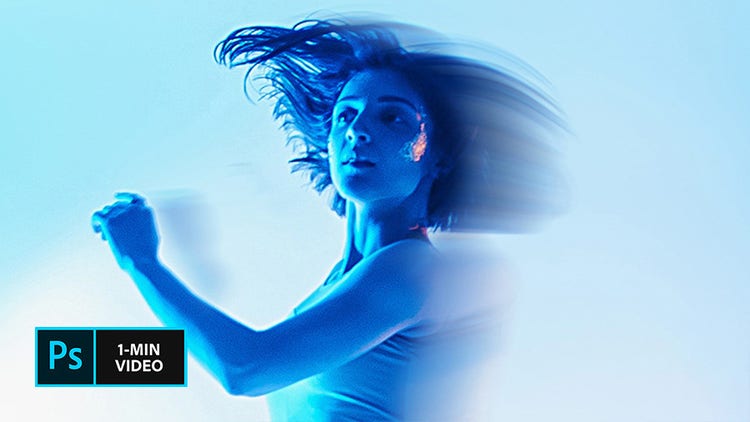
Use Adobe Photoshop to create a motion blur effect.
Motion blur—the apparent streaking of moving objects caused by rapid movement or long exposure times—can add dynamic excitement photos. Follow Adobe art director Kathleen Martin’s process as she uses Adobe Photoshop to create a motion blur effect.
TABLE OF CONTENTS
Before you start creating a motion blur effect
Tips for best results with motion blur.
Common motion blur mistakes to avoid in Photoshop.
Frequently asked questions about motion blur in Photoshop.
What is motion blur?
Motion blur is the visual streaking of moving objects in a photo, caused either by rapid movement or longer exposure times. It can be used to show speed, direction, or dynamic motion, adding energy and realism to images. Photographers often apply it to fast-moving subjects, flowing fabric, or busy environments to create a sense of movement. In Photoshop, this effect can be added digitally to still images using tools like Path Blur or Smart Filters, giving you full control over the direction and intensity of the blur.
Create a motion blur effect in four easy steps.
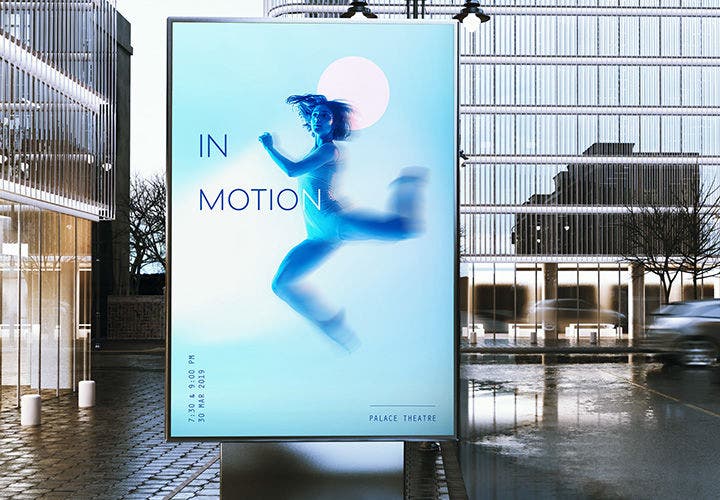
Motion blur can bring energy and flow to your photos, especially in dance photography, by keeping key features sharp while blurring movement for dramatic effect.
Follow renowned art director Kathleen Martin as she demonstrates how to create exciting motion blur effects in Adobe Photoshop. Learn how to prep your images by working with Smart Objects, then get your subject moving with filters and the Pen tool. Work with Sliders to speed up or down the movement and explore the Layers panel Smart Filters mask to specify what you do (and do not) want in focus. Try these steps with your own photos to explore different motion blur effects, experiment with movement, and create images that look dynamic and professional.
Before you start creating a motion blur effect.
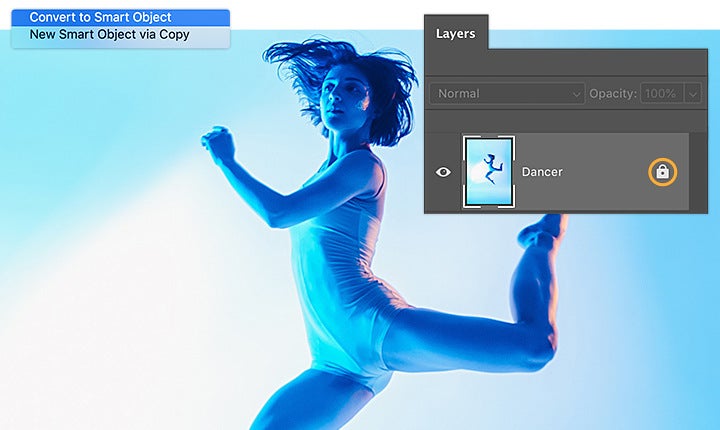
Step 1: Prep images
Start by opening the dancer photo in Photoshop and click the Lock icon on the layer to unlock it. Martin then chose Layer > Smart Objects > Convert to Smart Object to protect the dancer photo. Converting to a Smart Object is useful when you want to experiment with effects, such as the motion blur effect face or other motion blur photo effects, without permanently changing the original image.
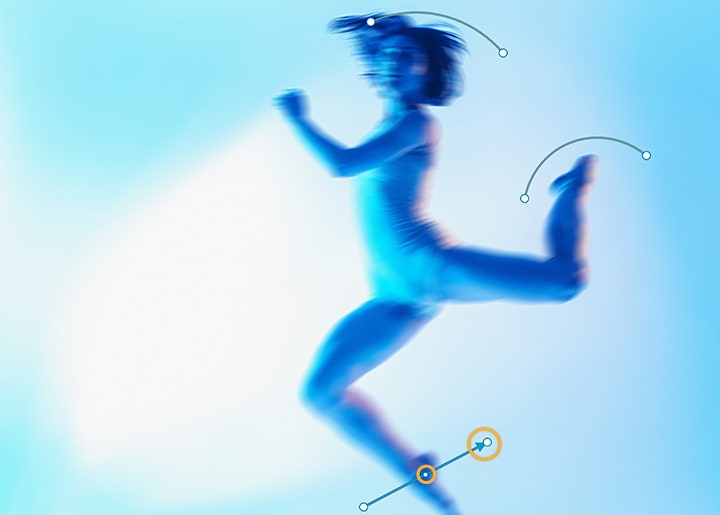
Step 2: Get moving
Martin applied a blur to the entire image by choosing Filter > Blur Gallery > Path Blur. To create the appearance of movement on specific parts of the model, Martin updated the default marker that Photoshop added by dragging the arrow to control the direction of movement. She dragged the points to refine the movement; then she added more markers by clicking the image with the Pen tool. This step shows how to add motion blur in Photoshop with precision, whether you want to highlight fast-moving hands, flowing fabric, or dynamic backgrounds.
Step 3: Speed up
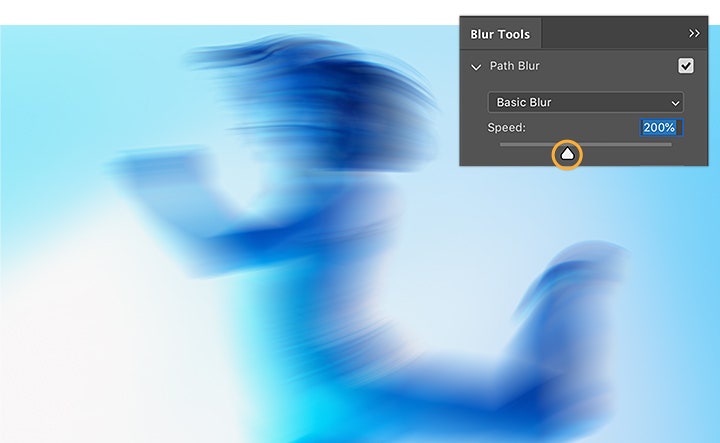
Use the Speed slider to adjust the appearance of movement and click OK. Increasing the speed can create a dramatic moving blur effect, while lowering it can give a softer, more natural motion blur effect in Photoshop.
Step 4: Stay focused
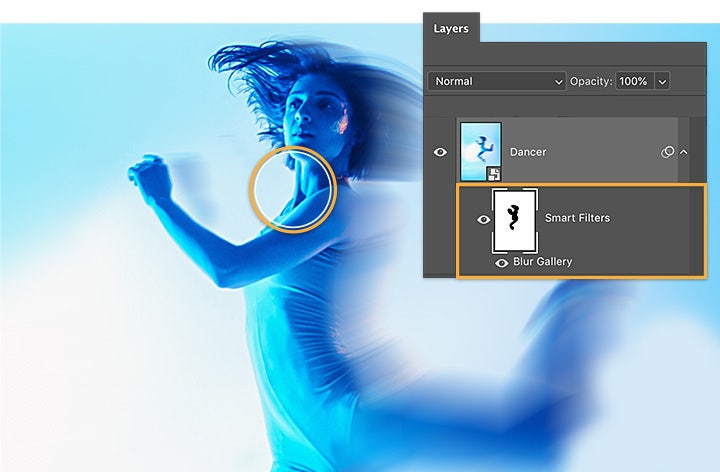
Martin wanted some parts of the model to remain sharp and detailed. She clicked the Smart Filters mask thumbnail in the Layers panel to specify which areas would stay in focus. Then she selected the Brush tool, adjusted the brush size, and painted over the parts that should not be blurred. This step is especially helpful when applying a motion blur effect face or keeping key features, like eyes or clothing details, crisp while the background shows movement.
Keep moving.
See how adding motion to your images can bring new life to your photos. Apply it to moving subjects, flowing fabric, or busy environments to suggest speed and movement while keeping important details clear.
Tips for best results with motion blur.
Achieving a realistic motion blur effect requires attention to both photography and Photoshop techniques. Here are some tips to get the best results:
- Use a clear subject: Ensure your main subject is distinguishable from the background to avoid losing focus when adding blur.
Example: a dancer in a studio, a cyclist on a street, or a car on a highway. - Adjust blur direction: Match the blur direction with the subject’s movement for natural-looking results.
Example: a runner moving left to right, flowing hair in a portrait, or a train speeding through a station. - Control intensity: Use subtle blur for realism or stronger blur for artistic effects.
Example: a spinning wheel, flowing water, or moving traffic lights at night. - Combine motion blur with selective focus: Keep important areas sharp while blurring other parts to create depth and emphasis.
Example: a dancer’s face in focus while arms are blurred, a soccer player sharply focused with the moving ball blurred, or a moving train with the station platform clear. - Experiment with background movement: Motion blur isn’t just for subjects—blurring the background can enhance the feeling of speed and energy.
Example: city traffic at night with blurred lights, flowing river behind a stationary boat, or busy market stalls with people in motion.
Common motion blur mistakes to avoid in Photoshop.
While creating motion blur can make photos more dynamic, beginners often make mistakes that reduce impact. Avoid these common errors:
- Over-blurring the subject: Too much blur can make the subject unrecognisable. Example: a portrait with completely blurred eyes, a moving cyclist with no detail, or a bird in flight that disappears into the background.
- Ignoring blur direction: Blurring in the wrong direction looks unnatural. Example: a running child blurred vertically instead of horizontally, a car moving sideways with vertical blur, or a spinning top with horizontal streaks.
- Applying blur to the entire image: Some areas should remain sharp for visual focus. Example: keeping the face in focus while blurring the background, sharp hands on a dancing subject, or clear text on a moving sign.