#1e1e1e

Photography

Essential tips for capturing breathtaking nature photography.

Nature photography spans a variety of styles and photographic approaches. Get pro tips on how to shoot everything from wildlife and landscapes to macro images of flowers and plants.

Explore {{lightroom}}

https://youtu.be/0qLJ4EHzvKE

TABLE OF CONTENTS

Nature photography for beginners

Outdoor nature photography ideas

Animal photography in the wild

Understand the basics of plant and flower photography

Nature photography tips for landscapes

Nature in focus: How creators in India are capturing the outdoors.

Nature photography: Frequently asked questions.

Capture awe-inspiring nature photos with these expert tips.

Elevate your nature photography skills by:

  • Planning your shoots: Research locations and subjects to anticipate environmental challenges.
  • Mastering outdoor exposures: Understand how to adjust settings for varying light conditions.
  • Collaborating with the environment: Adapt to natural elements to enhance your compositions.
  • Utilising depth of field: Experiment with focus to highlight subjects like plant textures.
  • Understanding lighting: Learn about landscape illumination and the significance of the "golden hour."
  • Packing appropriate gear: Equip yourself with essentials to capture dynamic vistas effectively.
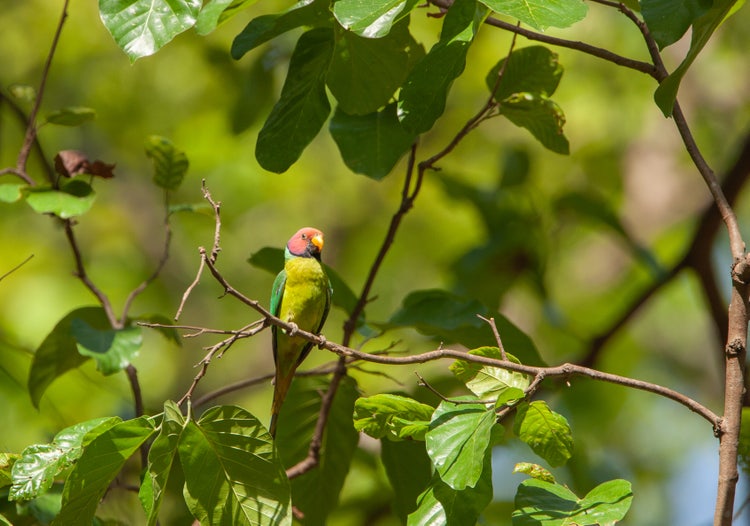
A male plum-headed parakeet perched on a branch in Corbett National Park, India, with vibrant green feathers and a distinctive purplish-red head.

Nature photography for beginners: Overcoming outdoor challenges.

When shooting outdoors, there are several things to keep in mind. Thanks to inclement weather, constantly changing light and uncooperative wildlife, nature photography shoots are different every time. As renowned animal and wildlife photographer Carli Davidson says, “Studio photographers have waking nightmares about having to shoot in nature because it’s such an uncontrolled environment.”

For those used to studio setups, outdoor photography offers a new perspective. It forces you to:

  • Adapt creatively to changing light.
  • Anticipate animal movement and behaviour.
  • Embrace imperfections in your shots as part of the scene’s authenticity.

These challenges make nature photography both rewarding and creatively fulfilling.

The art of planning ahead.

Before pulling on your hiking boots and hitting the trails, make sure you research and plan your outdoor shoot—including strategically choosing your time of day and lighting. Morning and evening light is often the best for capturing photos of the natural world, since the light is softer without the harsh shadows of midday — be prepared to set your alarm to 5 a.m. instead of 8 a.m.

Planning also ensures that you have the right gear. You’re at the mercy of the elements outdoors and you don’t want to be unprepared. As Davidson says, “Whether it’s 10 degrees or 150 degrees outside, I’m going to have to be out there all day.” Bring:

  • Weather-appropriate clothing
  • Waterproof covers to protect your gear
  • A hat to shade your camera for better screen visibility
  • Extra batteries and memory cards

“You don't need a lot of specific gear. The most important thing with nature photography is getting yourself out into nature,” experienced photographer Jeff Carlson says. Pack light, but always bring extra batteries, storage cards and a lens with a broad focal length range. Carlson recommends starting with a DSLR camera with an 18-55 mm lens to give you enough range to capture some details in the distance while also capturing those in your immediate surroundings.

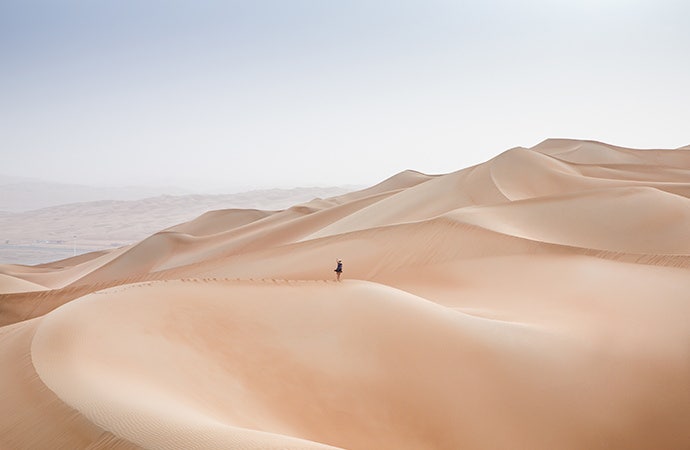
Magnificent nature photograph of a person walking on huge dunes of sand.
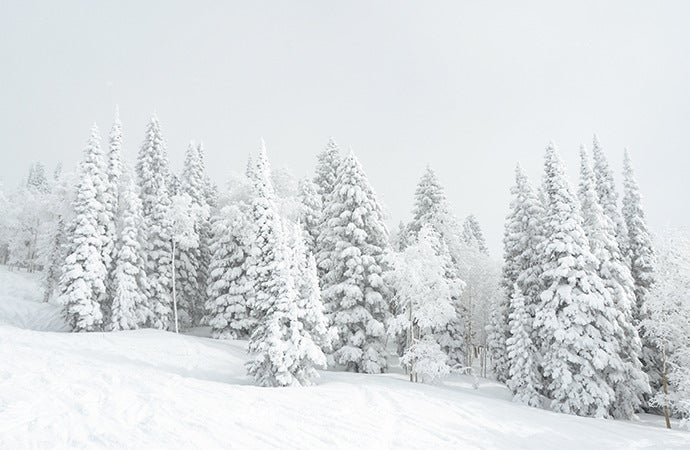
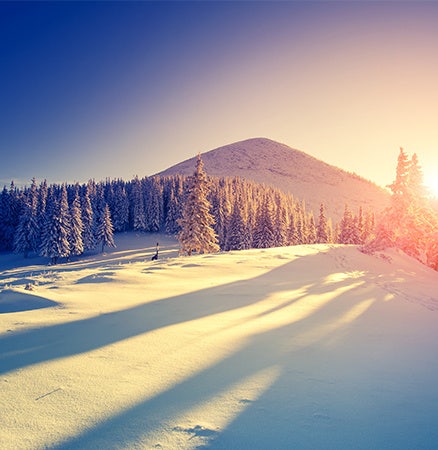
Peaceful nature shot of a silent, snow-covered hillside.

The challenge of outdoor exposure.

One of the biggest challenges in shooting outdoors is nailing the proper exposure. If a cloud moves overhead, the lack of light could quickly underexpose your images. To avoid this:

  • Regularly review your shots in-camera
  • Don’t delete images until you can view them properly indoors
  • Rely on technical skills to adjust on the fly

Davidson points out that it’s easy to get distracted or excited when shooting outdoors. So practising your technical skills enough so that they become second nature can save you in the long run. There’s nothing worse than shooting a full day of photos, only to look at them later and find they’re all over- or underexposed.

Understanding your environment.

Another major element of shooting outdoors is respecting your surroundings and understanding the environment you’re shooting in.

Whether you’re photographing in your garden or deep in a national park, follow ethical guidelines:

  • Apply for required filming or photography permits
  • Stay on marked trails to protect fragile ecosystems
  • Leave no trace and preserve the environment for others

One of the major threats to nature photography is overuse. For example, if you’re hiking through a field of Alpine flowers, stick to an established trail because they can take decades to grow a few inches.

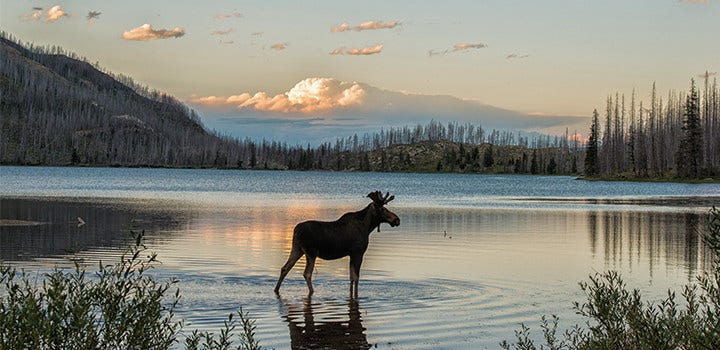
Exquisite nature landscape photo of a moose standing in a lake.

Outdoor nature photography ideas.

Nature photography is a versatile medium with a unique set of challenges and the potential to tell compelling stories. Whether you’re experimenting with shutter speed to catch an animal in motion or you’re trying out different depths of field in your close-up flower photograph, it takes patience and creativity to capture the great outdoors successfully.

If you're just getting started with nature photography, try out a few of these great tips:

  • Take close-up or macro photos of plants in your backyard or neighbourhood
  • Crop close in on textures like tree bark, leaves, petals or even a spider’s web
  • Practice shooting local birds using a fast shutter speed
  • Visit nearby nature areas and take full landscape shots
  • Use natural night, either direct or indirect, from the sun or moon
  • Make the “Golden Hour” your best friend
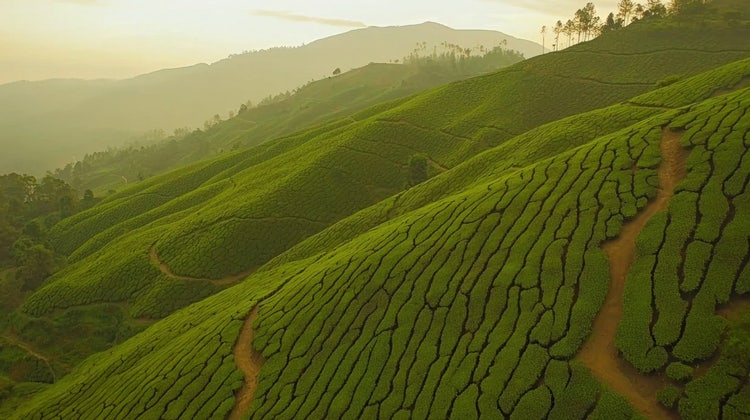
Lush green tea plantations covering the rolling hills of Munnar, India, under a clear blue sky.

Animal photography in the wild.

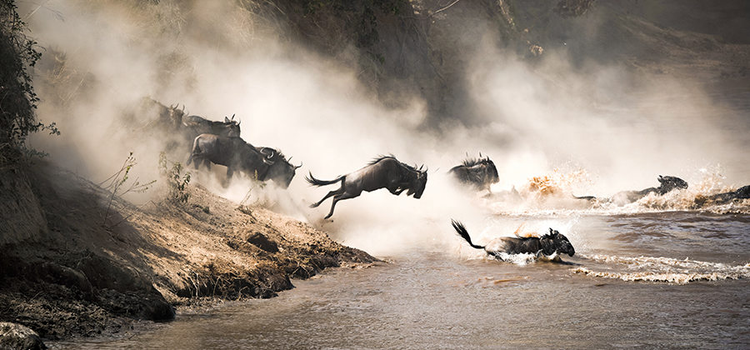
When it comes to capturing wildlife and animals in motion, preparedness is key. Here are key animal photography tips:

  • Use a fast shutter speed to freeze motion
  • Avoid camera shake by using image stabilisation or a tripod
  • Keep your distance — patience and silence are your best tools

Animals can be tricky to find and hard to track. And while you may not see them, they definitely see you. Sometimes you’ll immediately stumble upon a great shot or a rare animal; otherwise, you’ll have to practice patience. Just when you decide no moose will show up, one could pop out of the woods a few yards away.

Birds are a great subject because they’re everywhere, but Carlson says, “Unless you’re shooting a hummingbird feeder, none of the birds will be very close. If you use a mid-range lens, you will capture the bird, but it will be a tiny speck. Depending on the resolution of your camera, you can zoom in and you might still have a good shot.” This is one reason why understanding the limits of your gear is so important. It can help you to make artistic choices in the moment and influence what you choose to capture with each shot. Having access to a zoom lens can greatly improve your photos of wild animals, although it also increases the amount of gear you're carrying.

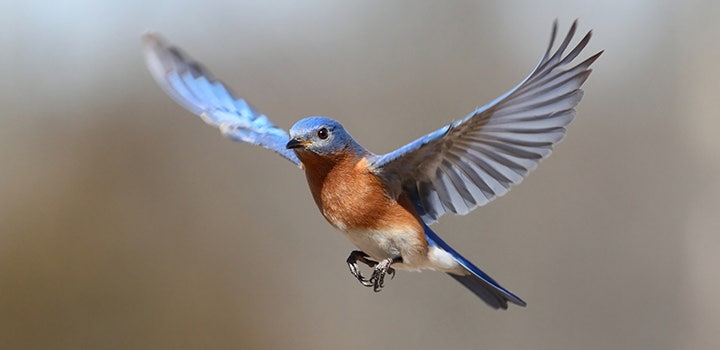
Awesome nature image of a blue bird in mid-flight.

Animals are not always willing subjects — even when they’re trained pets. Approach your shoot with a plan in mind and be prepared to work with your photos in post-processing. Editing tools like Adobe Lightroom can help refine your images and turn decent photos into captivating nature photos.

Understand the basics of plant and flower photography.

Plants, when it comes to predictability, are the perfect subject. “The tricky thing is depth of field,” teacher and nature photographer Ben Long says. “When you’re getting close to a flower, your depth of field will be shallow, so you may not get all the details that you want in focus.” Bring a tripod with you so you can use longer exposures and smaller apertures to make your depth of field deeper. While you have more control over your subject with plant photography, you still have the elements to deal with. Don’t let a breeze ruin your long exposure. Try shielding your subject or bring clamps to hold the flower in place.

Davidson suggests shooting in aperture priority mode to give you more control over depth of field. Plants are an agreeable subject, but they’re also a very common subject. Rather than being intimidated by this, Davidson says this “allows you to play and try new things.” Although plant photography may seem simple, it's a great opportunity to push your creativity. Find new ways to make everyday natural elements look extraordinary.

Nature photography tips for landscapes.

Shooting landscapes is its own skill, but it also falls within the category of nature photography. To capture the best possible shot, landscape photographer Samuel Nute says, “Be patient for the conditions to line up and try to get a different spin on popular landscapes.” Outside of dealing with the weather, finding your voice and style is the most challenging part of landscape photography.

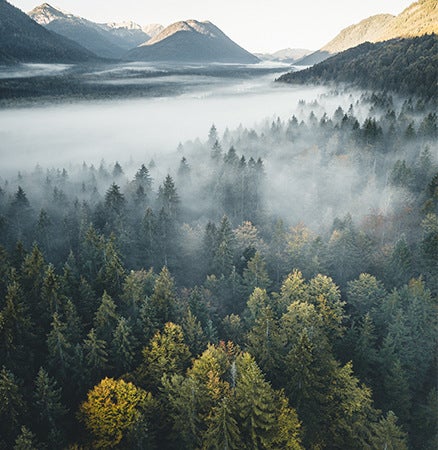
Serene nature landscape photograph of a foggy forest valley captured from above.
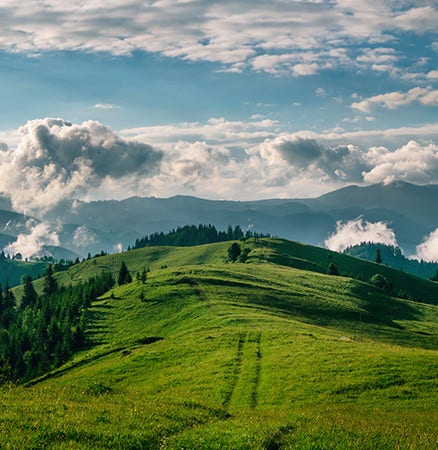
Beautiful nature shot of green hills stretching towards a cloud filled horizon.
Dazzling nature photo of the sun rising over a snow-covered field.

Experience is the best teacher, so if you want to improve your landscape photography, just get outside and start shooting — but keep these two great tips in mind.

1. It’s all about the light.

If there’s one thing to keep in mind, it’s light. Dawn and dusk (also known as the golden hours) offer the perfect lighting conditions for great landscape imagery. This is also the time to capture beautiful sky photos. Jeff Carlson notes, “Sometimes the better sunset happens after the sun goes down. Depending on the clouds, the sky can explode with colour. Too many times I see people out shooting and when the sun goes down, they think it’s time to go.”

2. Pack the right gear.

Wide-angle lenses are ideal for stunning landscape photographs. They allow you to capture a deeper depth of field than telephoto lenses, so your whole scene is in focus. As with any other kind of nature photography, the right gear makes all the difference, so be sure you’ve thought about which lenses to bring.

While nature is uncontrollable, learning to adapt to this fact lets you push your skills and find your inner adventurer. Landscape photography pushes you to adapt, observe and evolve as a visual storyteller. Embrace the challenge and you'll soon build a stunning collection of natural photography.

Nature in focus: How creators in India are capturing the outdoors.

In Bangalore’s Cubbon Park, where vibrant wildflowers bloom across shaded trails, a nature photographer can capture stunning macro shots by planning their shoot for early morning light. Using manual camera settings to balance exposure and isolate the subject, even small wildflowers can become centrepieces of a frame.

Once back from the field, Adobe Lightroom’s features like Select Subject masking, Vibrance adjustment, and the Detail panel can be used to enhance texture and colour without oversaturating the background. Creators can also apply healing tools to remove minor distractions like fallen petals, and use batch presets to maintain a consistent look across a floral series.

This workflow reflects how creators in India are combining field techniques with Lightroom's targeted editing tools to elevate their nature photography and transform raw captures into refined visual stories.

Nature photography: Frequently asked questions.

What is the best time of day for nature photography?

The ideal times for capturing breathtaking nature photos are during the golden hours—shortly after sunrise and just before sunset. These moments offer soft, warm lighting that helps bring out natural textures and colours in landscapes, wildlife, and plants.

What kind of camera is best for nature photography?

A DSLR or mirrorless camera is often preferred for nature photography. Look for one that offers manual control, good dynamic range, and a fast shutter speed. However, smartphone cameras with advanced settings can also produce excellent results when paired with editing tools.

Can I enhance my nature photos using Adobe tools?

Yes, Adobe Lightroom and Photoshop offer powerful editing capabilities for nature photography. You can fine-tune lighting, boost colours, correct lens distortion, and sharpen details. Lightroom also lets you organise and batch-edit photos quickly—perfect for outdoor shoots.

What are some beginner-friendly ideas for nature photography?

If you're just starting out, explore these easy nature photography ideas:

  • Macro shots of leaves, petals, or insects in your garden
  • Landscape images during sunrise or sunset
  • Bird photography using a zoom lens or even a smartphone with burst mode
  • Texture studies of rocks, bark, or clouds

How do I edit RAW nature photos effectively?

Adobe Camera Raw, integrated with Photoshop, is a great tool for editing RAW files. It preserves maximum detail and allows for precise adjustments in exposure, colour balance, shadows, and highlights—especially useful for high-contrast outdoor scenes.
Yes. Always respect local regulations, avoid disturbing wildlife, and stay on designated trails. Some areas may require photography permits, especially in protected zones. Responsible photography helps preserve the beauty you're capturing.

How can Adobe Creative Cloud help me organise my nature photography portfolio?

Adobe Creative Cloud offers integrated apps like Lightroom, Bridge and Portfolio, which help you organise, store, and showcase your nature photos. You can create custom web galleries, sync edits across devices, and access your library anywhere.

Can I turn my nature photos into commercial content using Adobe tools?

Absolutely. With Adobe Photoshop and Illustrator, you can repurpose your photos into posters, social media content, or stock images. Adobe Express is also a quick and easy tool for designing visuals and graphics using your nature photography.

What is the best time to click nature photos in India?

The best time to capture nature photos in India is during the golden hours, shortly after sunrise and just before sunset. During these times, the natural light is soft, warm, and diffused, helping to highlight textures in plants, landscapes, and wildlife without harsh shadows. In many parts of India, early mornings also offer clearer air and calmer conditions, especially during cooler months like October to February. For misty landscapes or bird photography, mornings around sunrise often give you the most atmospheric results.

How do I edit RAW nature images without quality loss?

To edit RAW nature images without quality loss, use non-destructive editing software like Adobe Lightroom. Start by adjusting exposure, contrast, and white balance to correct lighting conditions. Use tools like Selective Adjustments to enhance only the areas that need refinement (for example, bringing out flower details or animal textures) while preserving the rest of the image. Avoid over-sharpening or excessive noise reduction, as this can flatten natural detail. Lightroom also allows you to export in high-resolution formats, ensuring your edits retain the full quality of the original RAW file.

https://main--cc--adobecom.hlx.page/cc-shared/fragments/seo-articles/do-more-lightroom-color-blade