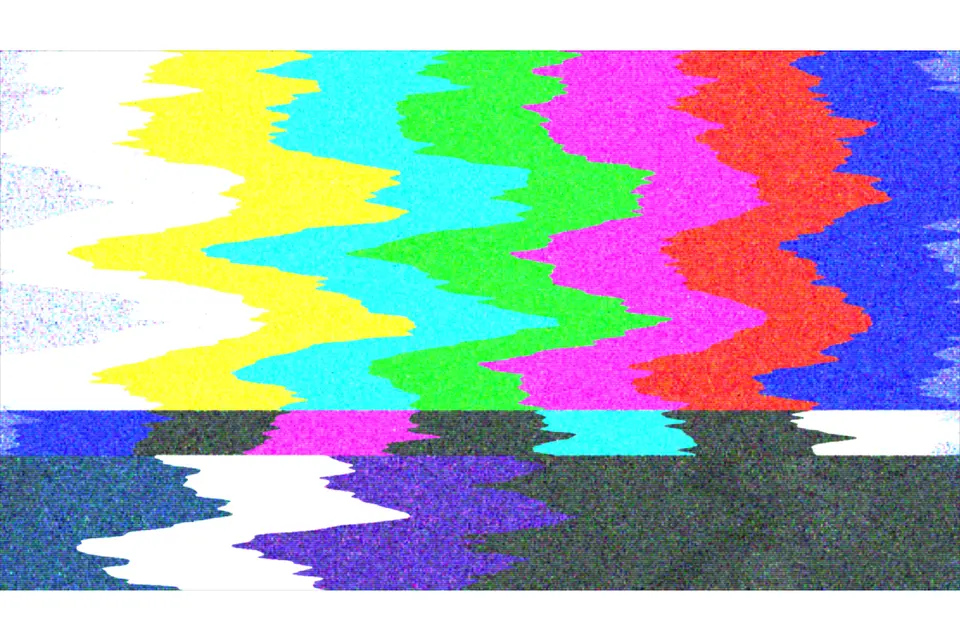
Why does glitch art resonate with digital natives?
Glitch art taps into a familiar digital experience—errors, static, buffering—and turns it into an aesthetic. For people who’ve grown up with technology, these visuals feel nostalgic, honest and expressive. They reflect how we experience the digital world: imperfect, fast-moving and layered. Glitch art also mirrors internet culture, where broken is often beautiful, and flaws become part of the story.
It feels authentic in a polished world.
Glitch visuals stand out in a feed full of clean, corporate design. They break the grid, distort the expected and look less filtered. For many, this signals honesty or rebellion against overly-polished branding. Solopreneurs might use glitch to give a DIY or edgy vibe. Marketers might use it to connect with younger audiences. Either way, it creates contrast—and this grabs attention.
It reflects tech culture and digital disruption.
Tech startups, creative agencies and innovation-driven brands often use glitch design to signal that they’re modern, disruptive or ahead of the curve. The glitch aesthetic fits well with themes like cybersecurity, gaming, AI and futurism. For content creators in these spaces, glitch art helps align visuals with message.
It adds energy and movement to digital content.
Even in static form, glitch effects suggest movement—lines that shimmer, colours that clash, pixels that feel alive. This adds energy to a post or ad, making it feel dynamic. For marketers, it can improve engagement. For small business owners, it helps catch the eye without complex animation.
It’s easy to personalise and experiment with.
Glitch art is about breaking the rules—so there’s no single right way to do it. This makes it ideal for creative exploration. Templates in Adobe Express let you try glitch effects on different formats—email newsletters, flyers, posts—so you can find what works for your brand or message. It’s low-risk and high impact.