60 Dinner ideas for home cooking, meal tracking, and personalized recipe books.
Dinner ideas that you can add to custom recipe books and other projects.
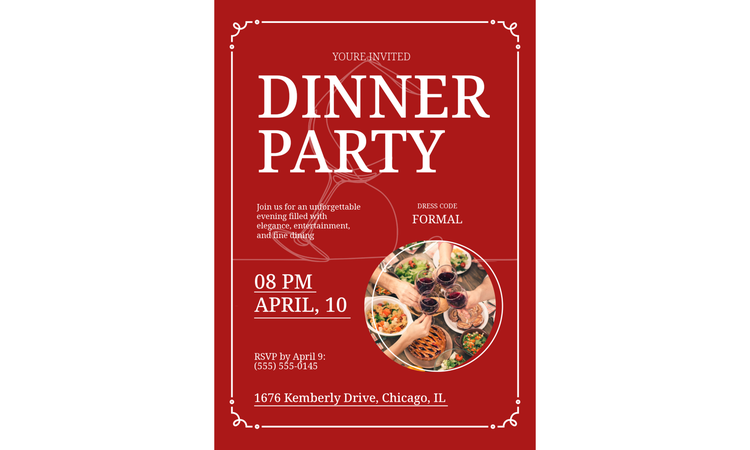




Reliable dinner ideas to help you plan with confidence.
Deciding what to make each night can be time-consuming. With a curated collection of dinner ideas, you can simplify planning, make informed choices, and enjoy more balanced meals at home.
Cooking at home offers measurable benefits. It allows for healthier ingredient selections, more intentional substitutions, and better cost control. Even with these advantages, consistent meal planning can feel overwhelming — whether you’re cooking for yourself or managing a household.
That’s where thoughtful planning and the right tools can make a difference and you can use Adobe Express to:
- Design organized weekly dinner menus.
- Create structured meal trackers to support nutrition goals.
- Build personalized recipe books for easy reference.
- Develop clean, visual meal planning layouts to streamline your week.
With the right dinner ideas and simple creative tools, meal planning becomes more efficient, more organized, and easier to maintain.
Dinner ideas for everyday cooking and meal planning.
When you stop treating dinner as something that has to have a rigid plan, it becomes much easier to enjoy. Dinner ideas work best when they act as a starting point rather than a strict set of rules. Thinking in formats, such as one-pan meals, bowls, wrapped, or baked dishes, gives you more flexibility than focusing on exact recipes. These also make it easier for you to swap ingredients, adjust proportions, and reuse what’s already in your kitchen.
Use these dinner ideas as inspiration and add them to simple meal planners or recipe cards with the help of Adobe Express. This way, you have everything in one place, helping reduce decision fatigue especially during busy evenings. You can even make eye-catching social media graphics featuring original recipes that you can share online.
Here’s another trick: dinner ideas are also easier to stick with when they’re visible.
So, why not give making a printable list for your fridge a go? Or try making a digital meal plan that you can easily pull up on your phone to keep meal options front and center? This step-by-step guide shows you how to make a digital planner that you can use not just for meal planning but also for keeping track of your activities or goals.
The free poster templates from Adobe Express are especially useful for crafting a beautiful, easy-to-read dinner ideas board you can update whenever your routine or ingredients change.
recipe
Easy dinner ideas for busy weeknights.
On nights when energy is low, simplicity matters most. Easy dinner ideas focus on keeping things simple without feeling repetitive. These dishes usually rely on fewer steps, basic cooking methods, and easy-to-find ingredients. Think: precut veggies, rotisserie chicken, and pantry staples like pasta and grains. The goal is to make dinner feel doable, even when time and energy are limited.
One simple strategy is to repeat familiar meal structures. Sheet-pan meals (these are great if you want minimal cleanup), quick pasta dishes, or skillet dinners can easily be adapted by switching add-ins or seasonings while keeping the process the same. Writing down these go-to options also helps you build a reliable collection of easy dinner ideas you can return to week after week.
Adobe Express can help you keep these dinner ideas organized. Create a short checklist or rotating list using the free letter templates, so you have a list ready anytime you need inspiration for easy dinners.
recipe
Healthy dinner ideas for balanced yet still delicious meals.
Here’s the thing: a balanced meal doesn’t need to feel complicated or restrictive. They don’t need to be bland and boring too. These healthy dinner ideas give you the best of both worlds: flavorful, nutritious meals that are filling and oh-so-simple to make. Here, you’ll find ideas that follow a simple “formula” like veggies plus a protein source plus a carbohydrate, or salad plus protein.
Planning healthy dinner ideas ahead of time can make them easier to follow through during the week. For example, group lighter meals earlier in the week or try alternating richer meals with simpler ones to help create a sense of balance.
To simplify meal planning, why not make photo collages? They’re great for collecting visual or recipe inspiration or keeping notes around healthy dinner ideas that appeal to you.
Some people may also find it useful to visualize their meals instead of measuring everything precisely. Here, simple portion guides or bowl layouts designed with the Adobe Express banner maker can act as visual reminders instead of strict rules, helping keep dinner ideas realistic and enjoyable.
recipe
How to make the most of these dinner ideas.

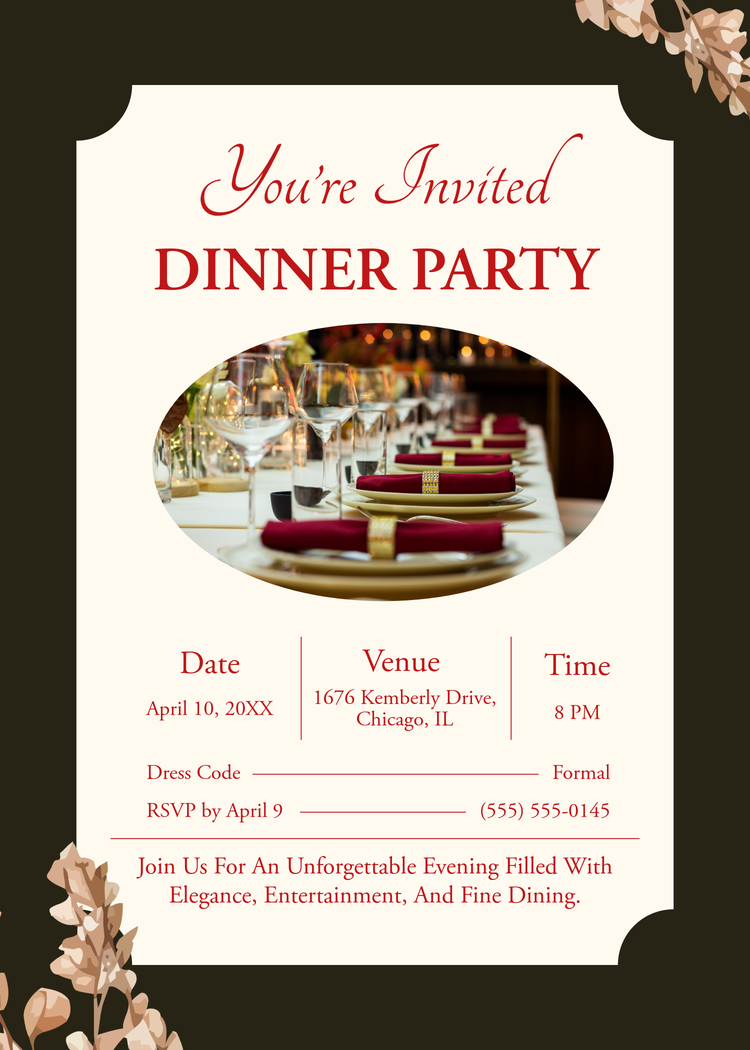
Quick dinner ideas you can whip up in minutes.
Some evenings call for speed and these quick dinner ideas are made for nights when cooking needs to move fast. These meals use ingredients that cook quickly or are already prepared. Canned and frozen food also come in handy. Knowing which combinations work together, like adding spinach and feta to elevate scrambled eggs, saves time without sacrificing flavor.
You might notice that these quick dinner ideas follow a straightforward mix-and-match approach like mixing veggies with leftover grilled chicken, or adding eggs and veggies to instant ramen.
Put these quick meal ideas to good use by storing them in a single, easy-to-access format using stunning recipe flyers. Saving a quick-reference page on your phone or printing it for the kitchen gives you instant access to quick meal ideas when you need them the most.
Dinner ideas for family meals that everyone will enjoy.
Making dinner for the whole family can be enjoyable and rewarding, but it also means that you’re feeding more than one person. And that often entails juggling different preferences.
These dinner ideas for family meals work because they balance familiarity with flexibility. They allow some level of customization so it’s easier to accommodate preferences without cooking separate dishes. Build-your-own styles (like an interactive taco night), shared mains, and familiar bases with optional sides tend to be popular.
Need everyone to be on the same page for family meals? Using posters to display your weekly dinner lets everyone see what’s coming up and pitch in their requests. This leads to fewer last-minute questions and a more manageable dinner routine whether you’re prepping for a family of three or 10.
If you’re serving this at buffet-style family gatherings or potlucks, it’s a good idea to include an ingredients list and food allergen information on labels or menus for better allergen management — you can make these in minutes with Adobe Express. This also minimizes the risk of individuals consuming meals or ingredients that they might be allergic to.
Cheap dinner ideas that stretch your budget but aren’t short on flavor.
When you’re on a tight budget, cooking can sometimes feel limiting. Well, these cheap dinner ideas focus on making the most of affordable ingredients while still being filling and nutritious. Meals built around grains, legumes, eggs, and seasonal veggies are often cost-effective and versatile. Planning ahead also plays a big role in keeping food spending under control.
A helpful approach is to choose ingredients that you can use across several meals. For example, cooking a batch of rice or beans at the start of the week can support multiple cheap dinners without extra effort. To avoid wasting food and money, track your meals visually. Design a weekly menu or simple recipe cards for smaller rotations so you can see your dinners at a glance. These tools are helpful especially if more than one person is involved in meal planning.
How dinner ideas reduce daily decision fatigue.
At the end of a long day, small decisions can feel surprisingly heavy. Beyond food, dinner ideas make evenings feel easier and less rushed. Knowing you have options ready takes the pressure off — you won’t be too overwhelmed with choices and there’s less overlap — and makes cooking feel more approachable.
Keeping your favorite dinner ideas visible supports this goal. Instead of relying solely on memory or googling “quick and easy dinner ideas”, you can refer to a poster or saved list. The customizable templates from Adobe Express make it simple to update these visuals to easily fit your routine.
Also, by grouping these ideas by time, effort, or cost, you can quickly choose a meal that fits the kind of day you’re having, so planning for dinner (or any meal) doesn’t have to feel intimidating.
Practical tips to elevate any meal.
You don’t have to be a pro cook to whip up scrumptious meals. These tips will help you step up your dinner game. As a bonus, you can apply these to other meals to, not just dinner.
- Take a day each week to sit down and regroup. Discuss your dinner plans for the week, check your schedule so you can plan your cooking around it, and make a grocery list.
- If you’re batch cooking, store your meals into single-serve portions, making sure to label them properly by writing down the cook date and dish name. Use this cold food storage chart from the U.S. Department of Health & Human Services as a reference for how long to store your foods in the fridge or freezer.
- When buying food storage containers for prepped ingredients or leftovers, first think about what you’ll use them for. Will you use them for freezing or do you want something multipurpose? Are they dishwasher-safe? While you’re at it, consider getting them in different sizes.
- Keep your meal planning sustainable, meaning it should be something you can maintain indefinitely instead of ambitious plans that collapse after a week. Consider balancing convenience foods with from-scratch cooking to develop realistic habits. For example, use jarred pasta sauce and mix it with fresh veggies and herbs to give pasta dinners a quick, healthy, flavorful boost.
- Here’s a shortcut if you’re pressed for time or don’t want to plan too much: have a basic dinner rotation. For example, pasta dishes are for Mondays, soups are for Tuesdays, one pizza night, while repurposed leftovers are Sunday staples. Leave one day a week where you’re free to experiment or switch up your dinners so that while you have a meal plan, nothing is too fixed or rigid.
- Start with 5–10 dishes you already know how to make, then gradually expand your dinner repertoire. This way, prepping your meals doesn’t feel too daunting and you won’t feel pressured to learn new recipes on short notice.
- Maximize flavor development in proteins by browning them properly. Roasting vegetables is also a great way to add color and create more complex flavors.
- Prep and portion ingredients like veggies ahead of time as much as possible. Doing so gives you more time to practice other cooking skills — especially helpful if you’re just learning to cook. Meal prepping also involves keeping your cooking and prep spaces (kitchen, pantry) organized too, in a way that works for you.
- If you have a favorite recipe, stick to it. Once you’ve mastered it, see what you can do or add to make it a bit different.
- When cooking, lower the heat. While high heat is great for quickly boiling water or searing meat (med-high), it can lead to burnt or overcooked food if not monitored. So, it’s best to start on low to moderate heat and always keep an eye on what you’re cooking.
- Taste as you go so you can properly adjust the seasoning. If you’re making meatballs or patties, take a small portion and cook that first. This way, you can tell if the mixture needs a bit more salt.
- Watch plenty of cooking videos. There are lots of good ones that cover the basics and why they’re doing things the way they are, like why controlling temperature is important or why you should use this type of cooking method to preserve the food’s nutritional value.
- If you still don’t know what to make, try writing a list of all the dishes you like. Print it, populate the list, and ask family to write down what they’d like for dinner next week. If you like trying out new recipes, make a separate list.
Remember that there are a lot of variables in cooking. Ovens and stoves may work differently. Some ingredients might be fresher than others. You won’t always get everything right the first time and that’s okay. Cooking entails plenty of trial and error but it’s also a great way for you to learn what you like, what you don’t, and what ultimately works for you.
Transform your weeknight meals one dish at a time with Adobe Express.
While Adobe Express isn’t Remy from Ratatouille, it can give you the tools you need to make cooking and meal planning a breeze.
Once you have a collection of meals you like, organizing them is your next step. Make your own recipe cards featuring original creations or heirloom recipes. Use the photo collage maker to create an inspiration board for next week’s meals. Want to plan meals daily or weekly? Then, the free meal planner maker is your new meal prep bestie.
If you want dinner ideas to genuinely save you time and effort, building a system around them can make everyday cooking feel more doable. Adobe Express lets you make simple meal planners and weekly schedules that you can easily adjust as your needs change. From charming menu cards to visual lists, the beginner-friendly tools and free templates make it a breeze to make every meal more intentional.
Discover more you might like.
You might also like...