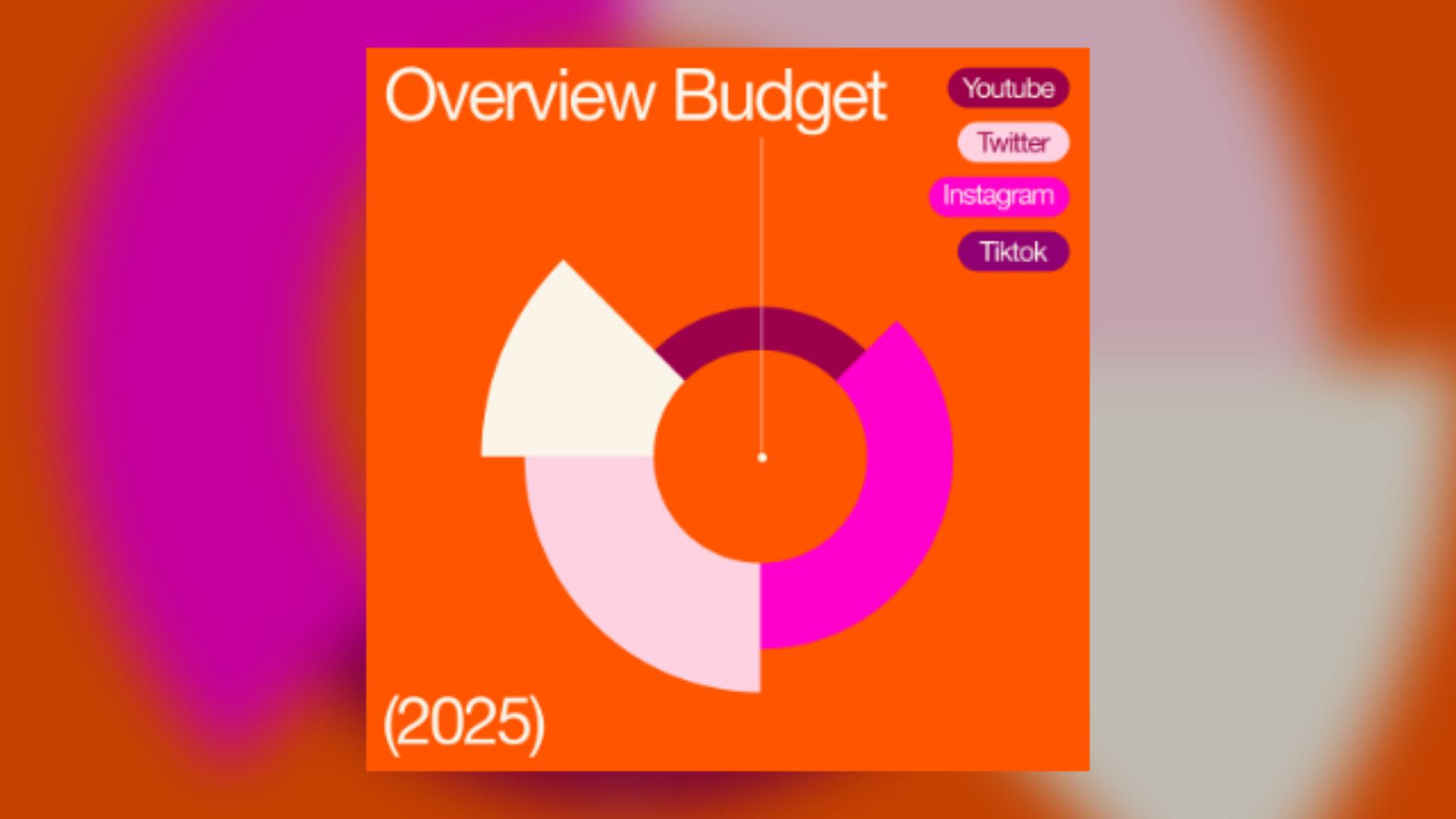
Donnez une dimension unique à vos rapports visuels de données en créant un diagramme irrégulier.
Publié le
Apprenez à créer un diagramme irrégulier afin de donner une dimension visuelle unique à vos rapports de données.
Bonjour à tous!
Dans ce tutoriel, nous allons apprendre comment créer un diagramme irrégulier, étape par étape, pour obtenir ce résultat.
Nous commencerons par la création d'un arrière-plan coloré, qui viendra contraster avec le diagramme.
Puis, la création d'une grille qui sera sa base de construction.
Nous passerons ensuite à la complexification de cette grille et la modification des couleurs.
Pour terminer, nous supprimerons les éléments inutiles et afficherons le texte présent sur un calque afin de finaliser la mise en page.
Lancez le tutoriel dès maintenant!
Dans un environnement professionnel compétitif, se démarquer visuellement est devenu essentiel. Présenter des données ne suffit plus : il faut les mettre en scène pour renforcer leur impact et marquer les esprits.
Grâce à ce tutoriel, vous apprendrez à concevoir un diagramme irrégulier moderne et élégant. Vous découvrirez comment créer une grille modulable, la transformer pour obtenir un rendu original, puis utiliser différentes couleurs afin de distinguer chaque portion du diagramme. Vous pourrez ensuite personnaliser l’ensemble pour qu’il corresponde parfaitement à vos besoins.
Ce que vous allez apprendre
Dans ce tutoriel pratique, vous découvrirez comment :
Ajouter un arrière-plan d’une couleur vive afin de contraster avec votre diagramme,
Créer une grille qui formera la base du visuel à l’aide de l’outil Pot de peinture dynamique,
Complexifier la grille grâce à l’outil Concepteur de forme,
Modifier les couleurs du diagramme afin de le personnaliser,
Nettoyer votre plan de travail et ajouter du texte pour illustrer efficacement le diagramme.
À propos de l’auteur
Chloé Grienenberger est une artiste pluridisciplinaire basée à Paris. Son travail navigue entre direction artistique, design graphique, CGI et, plus récemment, intelligence artificielle. Elle collabore avec des marques, des agences et des artistes sur des projets variés. Son univers se distingue par une attention particulière au détail, une approche contemplative et une forte sensibilité à la narration visuelle et au storytelling.
You can control how Adobe websites use cookies and similar technologies by making choices below. But note that if you disable cookies and similar technologies entirely, Adobe websites may not function properly.
Cookies are small text files stored by your web browser when you use websites. There are also other technologies that can be used for similar purposes like HTML5 Local Storage and local shared objects, web beacons, and embedded scripts. These technologies help us do things like remembering you and your preferences when you return to our sites, measure how you use the website, conduct market research, and gather information about the ads you see and interact with.
You can make choices in the menu below about what cookies and other technologies you want us to use on Adobe sites when you visit them from this browser. You can always change those choices later by clicking on the Cookie Preferences link at the bottom of the page.
If enabled:
We can improve your experience by tailoring the site and the content to things we think might be of interest
We can better keep track of your preferences — like what language you prefer to use
We will better understand your likely interests so we can provide you more relevant Adobe ads and content on non-Adobe websites and in non-Adobe apps
It will help us improve the performance of our website and those of our partners who use the Adobe Experience Cloud
If disabled:
We won’t be able to remember you from session to session so the experience may not be tailored to your interests
You’ll still have access to the content of the site but certain features that depend on cookies may not function
You’ll still see ads, they just may not be as relevant to you
General information
You can control how Adobe websites use cookies and similar technologies by making choices below. But note that if you disable cookies and similar technologies entirely, Adobe websites may not function properly.
Cookies are small text files stored by your web browser when you use websites. There are also other technologies that can be used for similar purposes like HTML5 Local Storage, web beacons, and embedded scripts. These technologies help us do things like remembering you and your preferences when you return to our sites, measure how you use the website, conduct market research, and gather information about the ads you see and interact with.
You can make choices in the menu below about what cookies and other technologies you want us to use on Adobe sites when you visit them from this browser. You can always change those choices later by clicking on the Cookie Preferences link at the bottom of the page.
If enabled:
We can improve your experience by tailoring the site and the content to things we think might be of interest
We can better keep track of your preferences — like what language you prefer to use
We will better understand your likely interests so we can provide you more relevant Adobe ads and content on non-Adobe websites and in non-Adobe apps
It will help us improve the performance of our website and those of our partners who use the Adobe Experience Cloud
If disabled:
We won’t be able to remember you from session to session so the experience may not be tailored to your interests
We’ll still count your use of our site and services
You’ll still have access to the content of the site but certain features that depend on cookies may not function
You’ll still see ads, they just may not be as relevant to you
Operate the site and core servicesOperate site and measure engagement
Always active
These cookies are required, and they are used to enable the site and related services core functionality. Without them the site could not operate, so they cannot be disabled.
These cookies enable the site and related services’ core functionality and collect statistics about user engagement, such as counting active use to help us understand trends. These cookies cannot be disabled.
Measure performance
These cookies are used to analyze site usage to measure and improve performance. Without them Adobe cannot know what content is most valued and how often unique visitors return to the site, making it hard to improve information we offer to you.
These cookies are used to analyze site usage to measure and improve performance. Without them Adobe cannot know what content is most valued, making it hard to improve information we offer to you.
Extend functionality
These cookies are used to enhance the functionality of Adobe sites such as remembering your settings and preferences to deliver a personalized experience; for example, your username, your repeated visits, preferred language, your country, or any other saved preference.
Personalize advertising
These cookies are used to enable Adobe and our partners to serve ads more relevant to your interests. Without them you will still see ads, but they might not be as relevant to you.
Personalize advertising
These cookies are used to enable Adobe and our partners to serve ads more relevant to your interests. Without them you will still see ads, but they might not be as relevant to you.