Photography
Why black and white photography never goes out of style.
Master the art of black and white photography to create powerful images that emphasise contrast, texture, and emotion.
The power of black and white photography.
Black and white photography remains one of the most powerful visual storytelling tools, offering a unique ability to emphasise composition, texture, and contrast. In an age saturated with vibrant colours, the simplicity of a black and white photo cuts through the noise, evoking emotion and drawing attention to the essentials of light and form. Whether you're an aspiring photographer or a seasoned professional, understanding how to master b&w photography can elevate your visual storytelling. Learn how to get the best results with Adobe Lightroom and other Creative Cloud tools.
What is the unique appeal of black and white photography?
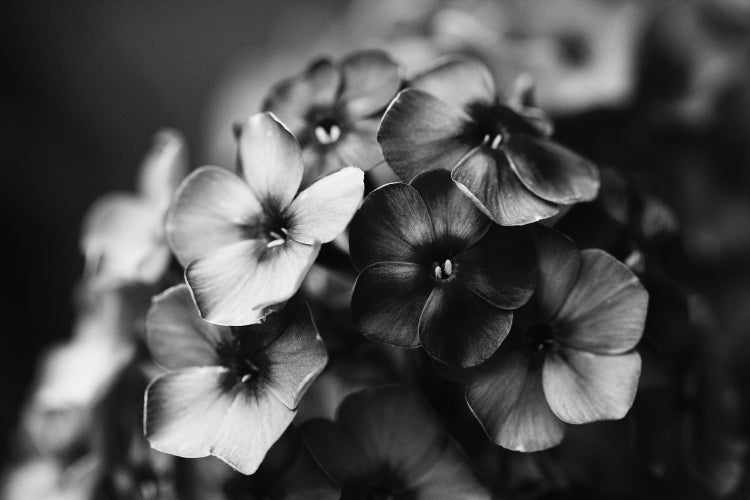
While colour photography can evoke vibrancy and realism, black and white in photography often unlocks deeper emotional responses. A b&w photo draws attention to the fundamentals of visual storytelling:
- Contrast: High contrast creates drama and boldness, while low contrast offers subtlety and softness.
- Texture: Without colour, the roughness of stone, the softness of fabric, or the lines of a weathered face become more prominent.
- Light and shadow: The interplay of light flare and shadow is more pronounced, guiding the viewer’s eye. Learn more about highlights and shadows and how they impact photography.
- Simplicity: Removing colour distractions allows the viewer to focus purely on subject, shape, and emotion.
Lighting techniques for black and white photography.
Lighting is the heart of a compelling black and white photo. To create images with depth and emotion, consider these black and white photography tips:
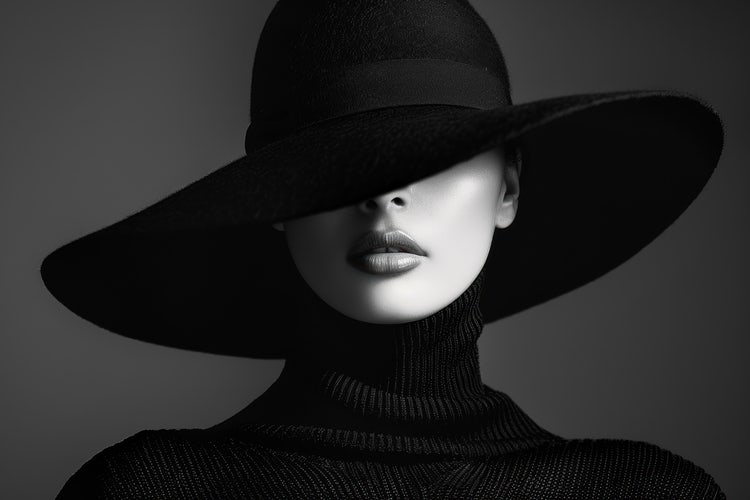
- Side lighting: This casts shadows that highlight texture and create a sense of depth, especially effective in portrait photography and street photography.
- High contrast lighting: Bright highlights and deep shadows result in powerful b&w photography.
- Soft lighting: Diffused, even light reduces harsh shadows and is ideal for softer portraiture or subtle storytelling.
- Backlighting: Placing the light source behind your subject can create silhouettes or add a glow, enhancing the mood.
How to compose striking black and white photos.
Strong composition is crucial when working in black and white photography. With colour removed, structure becomes more important:
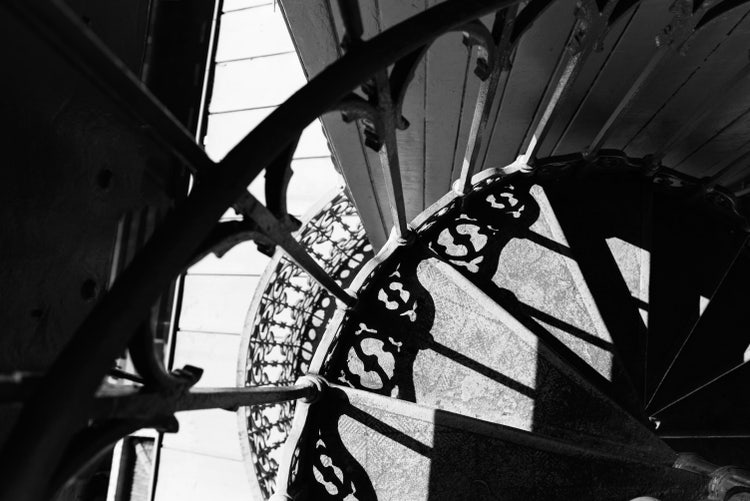
- Leading lines: Roads, paths, or architectural lines can guide the viewer’s gaze through the image.
- Patterns and shapes: Repeating patterns or geometric shapes stand out more in a b&w photo.
- Negative space: Empty areas around the subject can create breathing room and emphasise the focal point. Learn how to use negative space to add impact to your shots.
- Framing: Using doorways, windows, or natural surroundings to frame your subject adds depth.
Camera settings for black and white photography.
Knowing how to adjust your camera settings is key to capturing the best black and white images:
- Shoot in RAW: This preserves all image data, giving you maximum flexibility when editing your b&w photo.
- Low ISO: Lower ISO settings (e.g., ISO 100 or 200) reduce noise, keeping your black and white images crisp.
- Monochrome mode: Enable your camera’s black and white setting to preview your shots in b&w photography, helping you visualise contrast and composition.
- Exposure control: Slight underexposure often works well to preserve detail in bright highlights, especially in high-contrast scenes. If you’re new to camera ISO settings, understanding its relationship with noise and light sensitivity is essential.
How to enhance black and white photos in post-production.
Post-processing is where your black and white photo truly comes to life. Adobe Creative Cloud tools offer unmatched precision for refining your black and white images:
Adobe Lightroom:
- Adjust contrast, highlights, and shadows to refine the tonal range.
- The Black & White Mix panel allows you to control how specific colours convert to grayscale.
- Fine-tune details and add subtle adjustments with Selective Edits.
- Explore Lightroom Presets designed for b&w photography, or create your own, using this Lightroom Presets guide.
Adobe Photoshop:
- Dodge and Burn tools: Brighten highlights or deepen shadows in specific areas for dramatic effects.
- Layer Masks: Apply selective adjustments to isolate and perfect certain elements.
- Grain and Texture: Adding subtle grain can give your photography black and white aesthetic a classic film look.
- Selective Adjustments: Use Radial or Linear Gradients to emphasise light flare or enhance specific parts of your b&w photo. For precise photo retouching, explore this guide on photo touch-up techniques.
The emotional impact of black and white photography.
Beyond its visual qualities, black and white photography evokes emotion in a unique way:
- Timelessness: A black and white photo often feels classic and enduring.
- Drama: High contrast can heighten tension and power.
- Intimacy: Removing colour draws the viewer closer to the subject’s emotions.
- Storytelling: b&w photography strips a scene to its essence, making it a compelling narrative tool.
Practical black and white photography tips for every scenario.
Whether you’re capturing portraits, landscapes, or urban scenes, these black and white photography tips will help you elevate your work:
- Portraits: Focus on expressions and subtle facial lines; side lighting enhances depth.
- Landscapes: Seek bold skies, textured fields, and dramatic light transitions.
- Street photography: Capture spontaneous moments; shadows and urban geometry often work well in black and white.
- Architecture: Emphasise lines, symmetry, and contrast between materials.