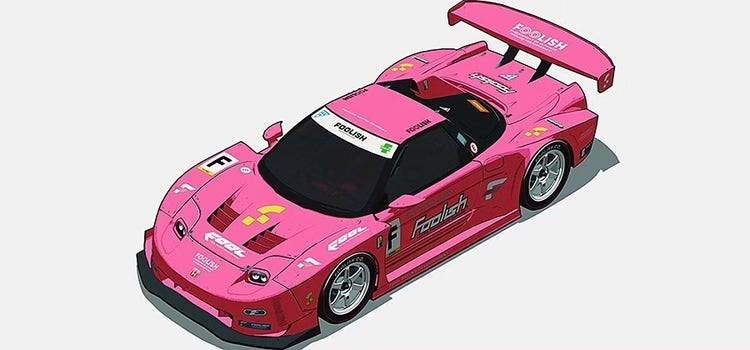
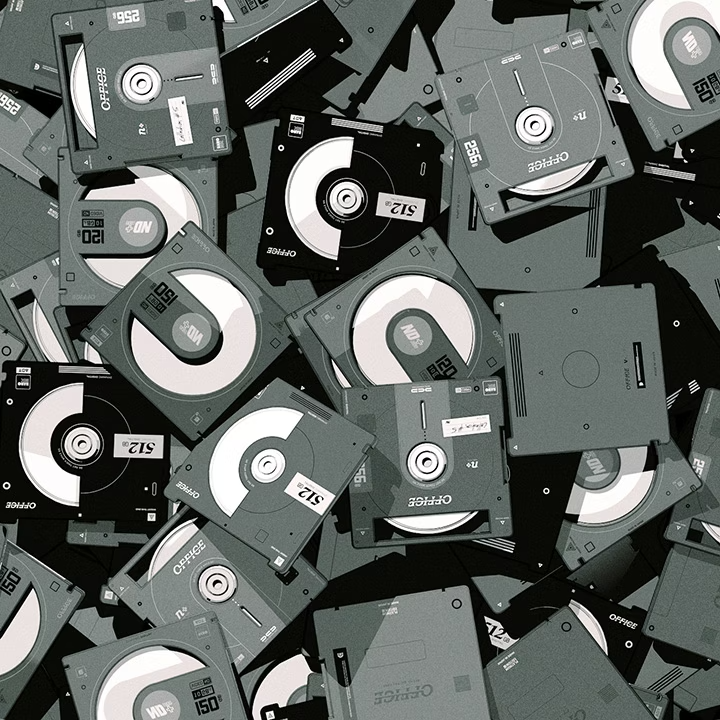
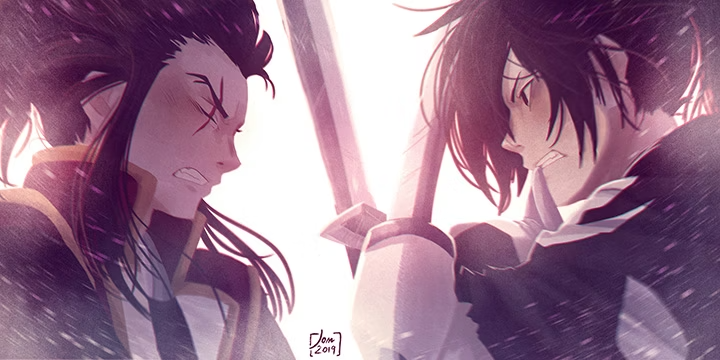
Examples of cel shading.
Some of the most visually distinctive and celebrated games over the past 20 years have used cel shading to great effect.
Here are some classic examples.
Jet Set Radio (2000)
The first game to truly delve into cel shading as a game art form. SEGA Dreamcast’s Jet Set Radio had players skating around a futuristic cityscape to an electronica soundtrack.
Jet Set Radio opened the doorway for future game creators and publishers to adopt and enhance the cel shading technique and widen its usage in the video industry.
The Legend of Zelda: The Wind Waker (2003)
The tenth instalment in the huge The Legend of Zelda franchise, 2003’s The Wind Waker represented a big visual divergence from the art style commonly used in previous iterations in the series. The change in visual style proved divisive at the time, with many long-term players unhappy with the switch to cel shading and more cartoon-like character features.
However, over time the techniques used first in The Wind Waker have become a beloved feature of many of the game’s sequels and prequels. Indeed, the game now sits among the best-loved of The Legend of Zelda series, with its distinctive art style having proven a hit with gamers.
No More Heroes (2007)
No More Heroes launched on the Nintendo Wii in 2007. The free-roam game follows would-be assassin Travis Touchdown as he attempts to track down and eliminate his rivals in the business.
The game’s expansive world was brilliantly captured with cel shading, delivering a unique and immersive gameplay experience that delighted fans of the Wii console.
Okami (2006)
Capcom’s Okami launched on the PlayStation 2 in 2006. Set in feudal Japan, the game immerses itself in traditional Asian art-styles. Making full use of cel shading animation techniques, Okami is widely celebrated, not just for its innovative and expansive gameplay, but for the wonderful visuals used to create the world of the game.
Cel shading was not, in fact, the first choice of visual style for the game’s developers. Clover Studio had hoped to use more realistic rendering, but found their scope was beyond the graphical capabilities of the PS2 at the time. They turned instead to cel shading and the rest is history.
Borderlands Series (2009-)
Action role-play shooter looter series Borderlands has one of the most distinctive visual styles around. The game franchise adopts a cel shaded look, but the process to achieve the appearance is actually a slightly different graphical technique.
The Borderlands series does use hand-drawn techniques, which are then scanned into Photoshop and colourised using a method more commonly associated with celluloid rendering. Afterwards, stylised elements like sketch marks and heavy-pencil lines are added to the characters, further emphasising the chaotic, hand-drawn look that has made the franchise so appealing.
The Legend of Zelda; Breath of the Wild (2017)
Unlike its predecessor, The Wind Waker, The Legend of Zelda: Breath of the Wild is hugely popular in part due to its incredible visuals and immersive art style. The game combines traditional cel shading rendering with soft pastel colours and soft lighting to craft a hyper-stylised world that blends realistic, cutting-edge graphical capabilities with the comic-book look that this form of rendering is associated with.
Hades (2018)
Supergiant’s smash-hit Hades is another award-winning game that uses celluloid-style shading to craft its visual style. In the game, players control Zagreus, son of the titular God of the underworld, as he embarks on an adventure - hacking and slashing his way through legions of enemies.
The game’s impressive visuals add to the fantastical element of the world in which the game is set.