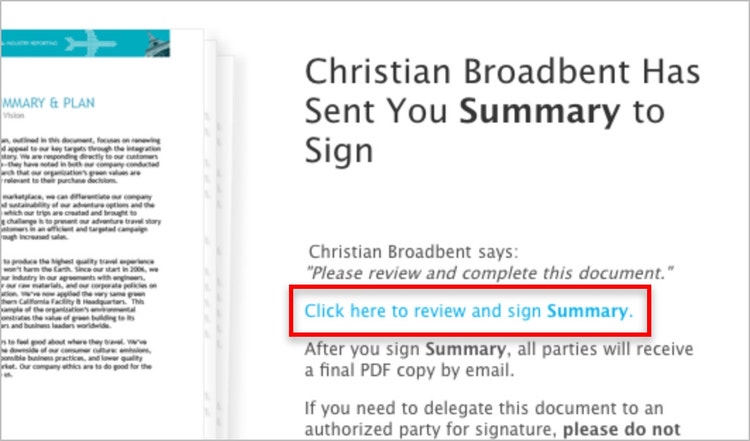
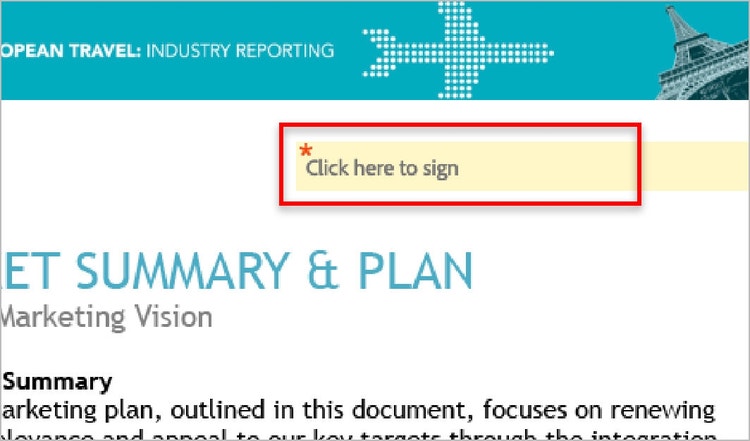
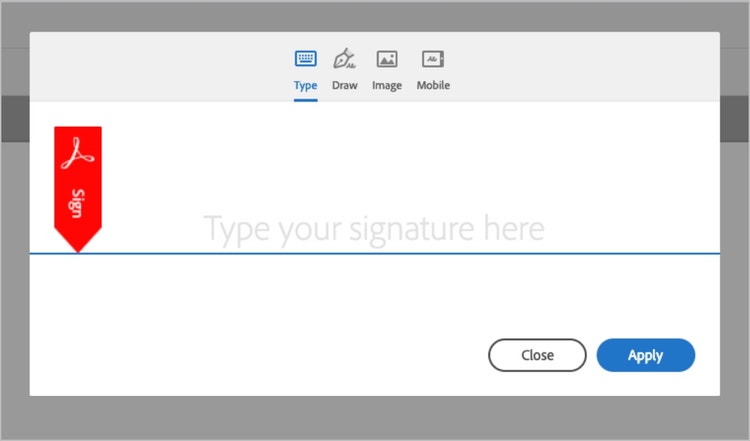
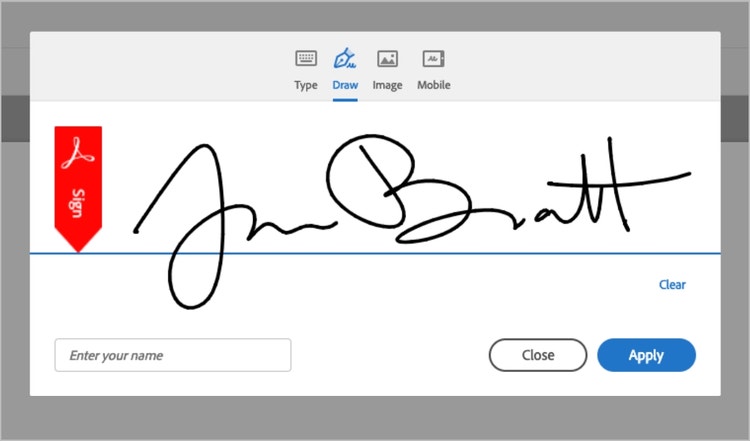
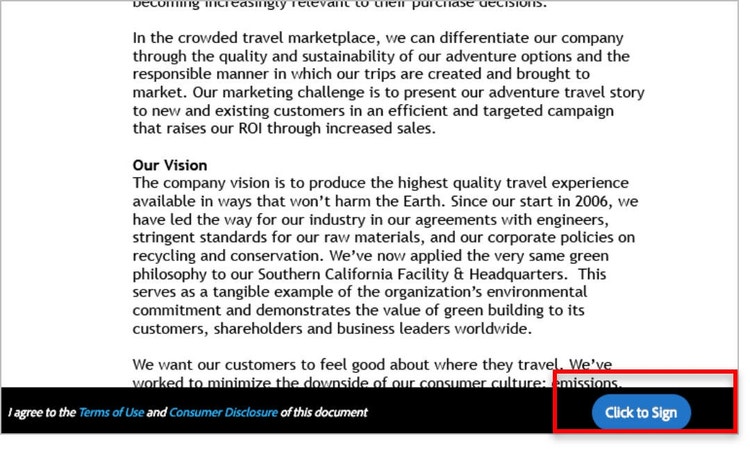
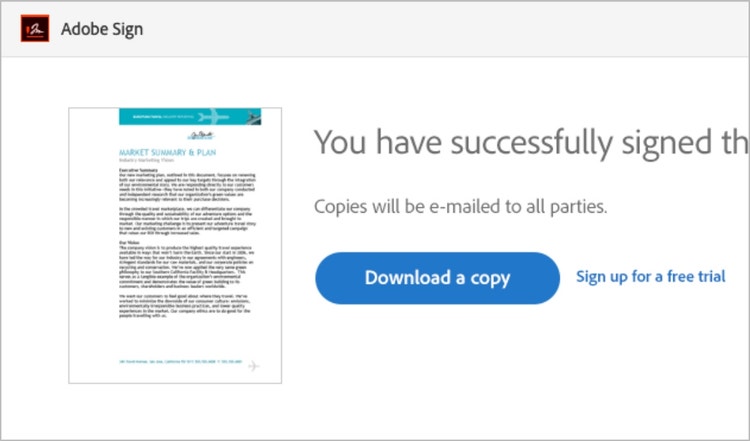
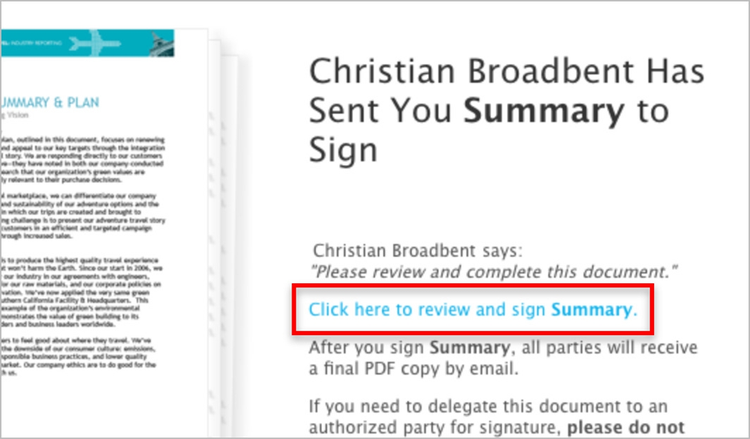
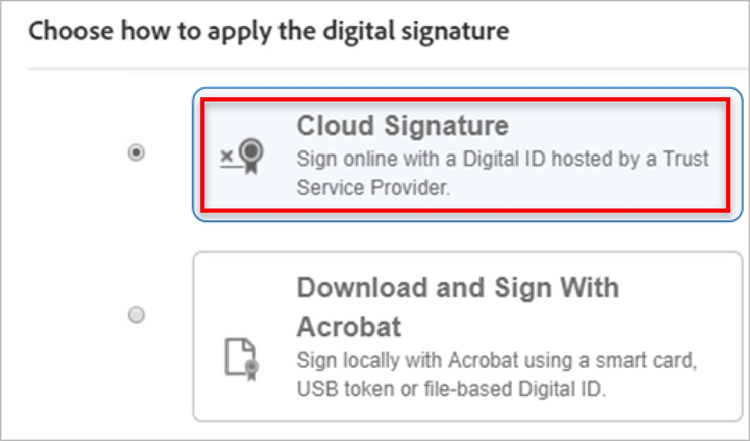
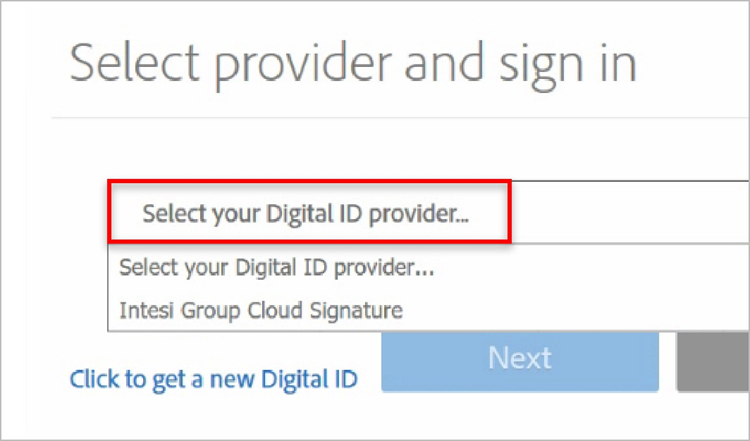
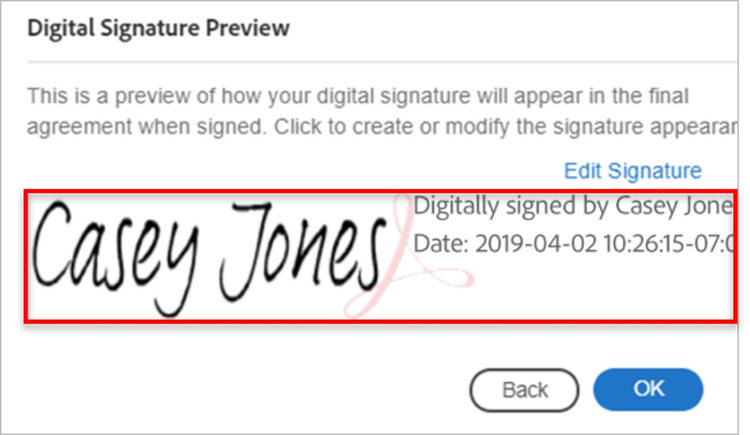
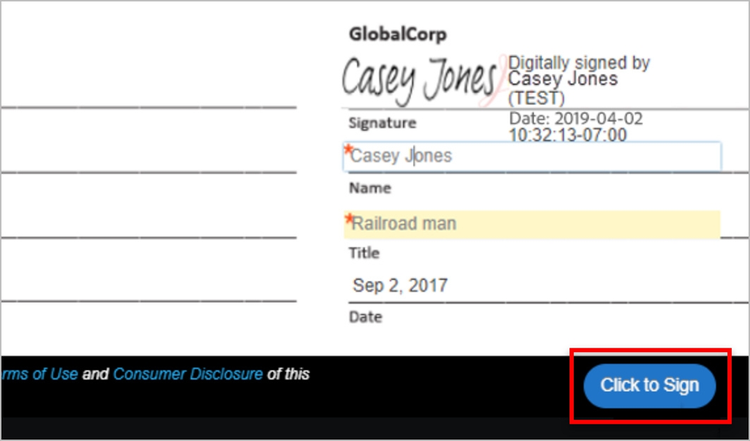
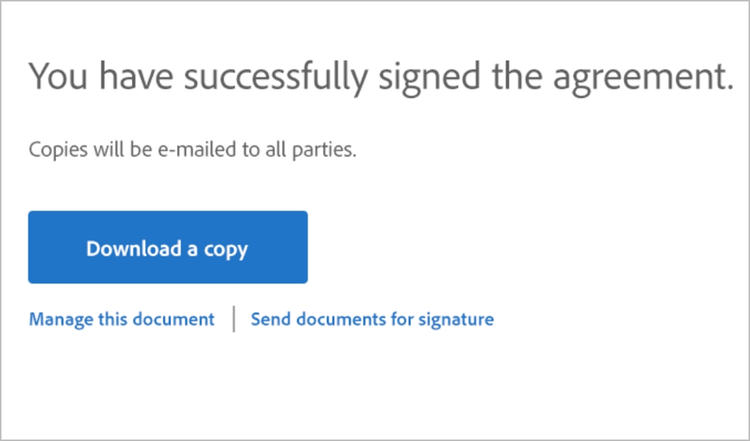
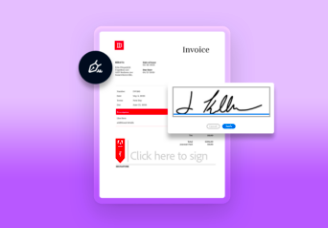
You can create an electronic or a digital signature using the Acrobat e-signature tool. Click the review link and choose to e-sign. From there, select a signature source and name, then sign in to apply your electronic signature. Next, you can preview your signature and authenticate it.
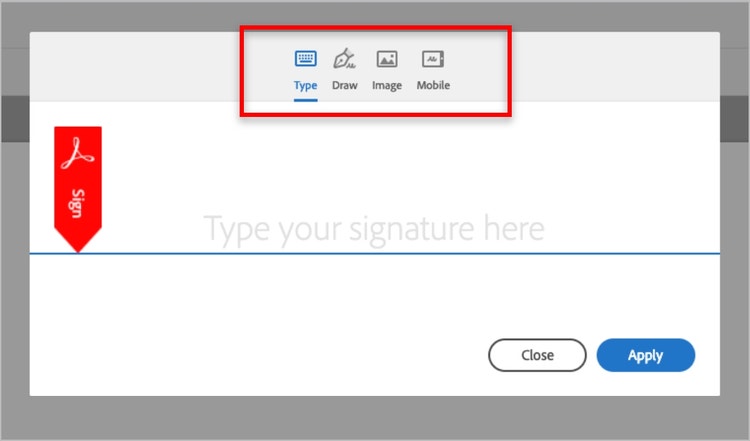
You can make your e-signature look handwritten with Acrobat. In fact, there are four ways to create an electronic signature: type your name, upload an image file of your handwritten signature, draw your e-signature with a cursor, or sign with your finger or stylus on a touch screen device.
Yes. Electronic signatures are legally valid and enforceable in nearly every industrialised country around the world, with an increasing number of countries beginning to enact e-signature laws.
In 2000, the United States passed the ESIGN Act, making e-signatures legal for virtually all uses. The European Union introduced the Electronic Identification and Trust Services Regulation (eIDAS), which took effect on July 1st, 2016, and was further updated on May 20, 2024. Other countries have enacted similar laws as well.
To learn more, visit our Electronic Signatures are Legal page.
Acrobat supports document signing on practically any modern device, including smartphones, tablets and desktop computers such as Macs and PCs.
Yes, you can easily create e-signatures online for free with a variety of e-signature creators – including free tools from Adobe Acrobat. Try
Adobe Fill & Sign and create an e-signature online for free in seconds. Drag, drop, and sign – it’s that easy to make an e-signature online.
You should use an online signature, or rather, an e-signature, when you need to sign documents online. This could be for signing a contract remotely, an NDA, a rental agreement, or approving something at work. You could even create an e-signature to confirm a holiday you’ve planned. Just remember, electronic signatures are legally binding, just like a physical signature.