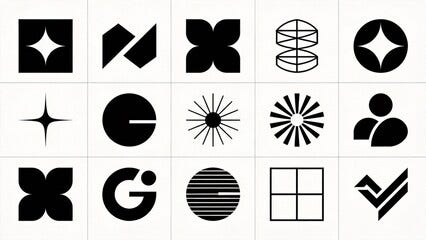
Stronger memorability.
Simple logos are easier for the brain to process and remember. When a design uses clean shapes, limited colours and clear typography, it becomes instantly recognisable. Think of iconic British brands like the BBC, Royal Mail, Marks & Spencer, and the NHS. Although evolved over time, they retain their simple core. And like the brands themselves, they have stood the test of time.
This is important for small business owners competing with bigger brands, as it’s useful for cutting through the noise and clutter of the busy attention economy. For example, Gen Z’s fast-scrolling TikTok and Instagram culture, where it’s all about rapid content consumption. Simple logos help with quick recognition in influencer marketing and short-form content like reels and shorts. They help establish your brand in people’s minds without them having to think twice.
Greater versatility.
A logo needs to work everywhere, so adapt it to fit different media forms, such as:
· Social media profiles
· Websites
· Packaging
· Invoices
· Tiny mobile icons.
Simple designs work across all digital and print formats without losing clarity. Whether it’s a favicon on a browser tab or a sign in a shop window, a simple logo stays readable and impactful. This flexibility is essential for small businesses that rely on various channels to reach customers.
Take mobile phones, for example, with tiny icons on their screens. Logos need to be recognisable on those, even across different models.
Timeless appeal.
Trends change, but simplicity lasts. Overly detailed or trendy logos can feel dated within a few years, while clean, minimal designs age more gracefully. Think of Nike’s swoosh or McDonald’s arches – bold logos that are instantly familiar globally.
A simplistic logo focuses on a brand’s core identity rather than passing trends, helping businesses build long-term recognition. For more guidance, explore Adobe Express’s branding basics and logo design principles to understand what makes them effective.