The Amherst Central School District, located in Buffalo, New York, is composed of two elementary schools, one middle school, and one high school. The district serves more than 3,000 students and has more than 450 faculty and staff members. After an introduction to Adobe® Visual Communicator® software in 2004 by Amherst Middle School teacher Rob Zdrojewski who uses it to create the school's morning news program and class projects the district began to think of ways that they might use the product to enhance their professional development opportunities.
After seeing a demonstration, Doug Wolf, technology coordinator, realized that Visual Communicator was the perfect solution for creating training that would help keep messages consistent. He also knew that the numerous methods of saving the videos, such as on the school's network or website, would make it ideal for distribution and for archiving the information. "After seeing the videos that Zdrojewski's students put together, we quickly realized that Visual Communicator was the perfect solution for helping us to easily create, archive, and distribute professional development content," says Wolf. "It is a cost-effective and easy-to-use program with a quick learning curve; anyone can learn how to use it."
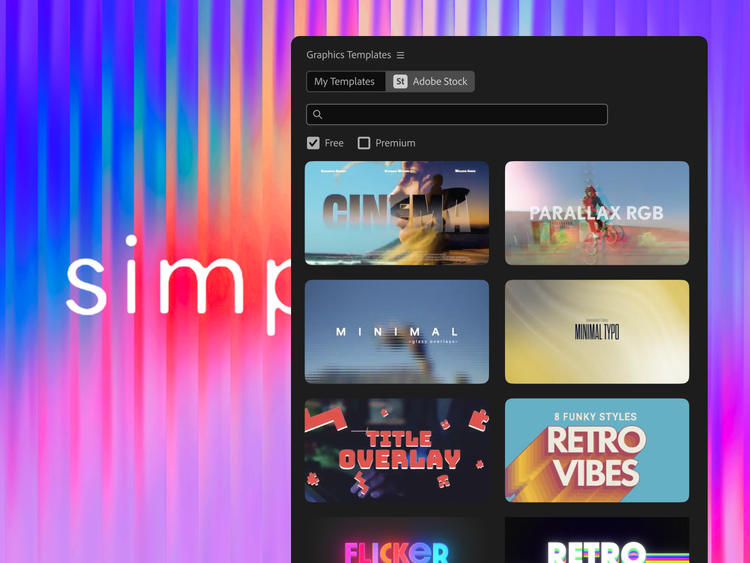
Although no special studio is required for Visual Communicator, Zdrojewski voluntarily remodeled his classroom storage room and office areas to create a 12-by-14-foot control room and adjacent 18-by-20-foot TV studio, complete with green and blue painted walls for use with Visual Communicator green screen effects. (See pictures of the construction project on their website at AmherstTechTV.org.) This studio is optimal for content creation, and using a wireless mouse and keyboard set, the computer can be controlled from either room. The room can accommodate one or several guests, and with the green screen effects, it can appear that they are reporting from virtually anywhere. Time is of the essence for faculty and staff members who don't have hours to spend creating their professional development presentations. "With Visual Communicator, we have a starting point to build from; we don't have to re-create the wheel. There are so many templates to choose from that there is something for everything they do; the possibilities are endless," says Zdrojewski.
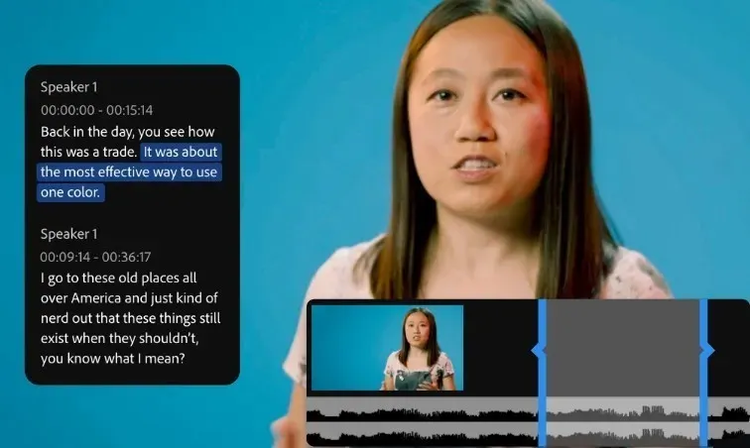
"Visual Communicator has become the cornerstone of professional development presentations that must be delivered when the presenter needs to be elsewhere," comments Wolf. "All teachers have to do is type their script, and they are ready to go. Doing it this way makes our teachers more comfortable and keeps the message consistent. We can easily incorporate PowerPoint slides and screen shots they may have created, so each video is personalized to effectively communicate the messages we are trying to get across."
Visual Communicator has substantially increased the quality of the school district's professional development presentations. Instead of having four or five teachers present on the same topic, one person can now create one video that can be presented at faculty meetings or that can be made available on the school's network or website to be viewed anytime. Wolf believes that this helps keep the message consistent and takes fewer resources. He also feels that it helps faculty and staff focus on the students by eliminating the need for them to miss full days for their professional development. Because they can watch development videos at their convenience, teachers hired in the middle of the school year can access and view presentations at any time.
Going forward, both Zdrojewski and Wolf see a variety of other uses for Visual Communicator. They want to create videos that accompany lessons, make lesson plans for substitute teachers, and provide absent students with missed class material. Visit their expanding website at AmherstTechTV.org.