Liberty Junior High located in Liberty, Missouri, has over 1,000 students in eighth and ninth grade. Eric Langhorst, a social studies teacher, and Lance Huebner, a special education teacher, were looking for a way to get students excited to learn and enhance their curriculum by incorporating video into their classroom projects.
"For a long time, Eric and I really wanted to incorporate video into our classrooms to get the kids excited to learn. We also knew it would help them retain more information and give them skills that would be important down the road like researching, writing, public speaking, and working with computers," says Huebner. "We wrote a grant and purchased some laptops and cameras but needed to find software that would be easy to learn, cost effective, and easily integrated."
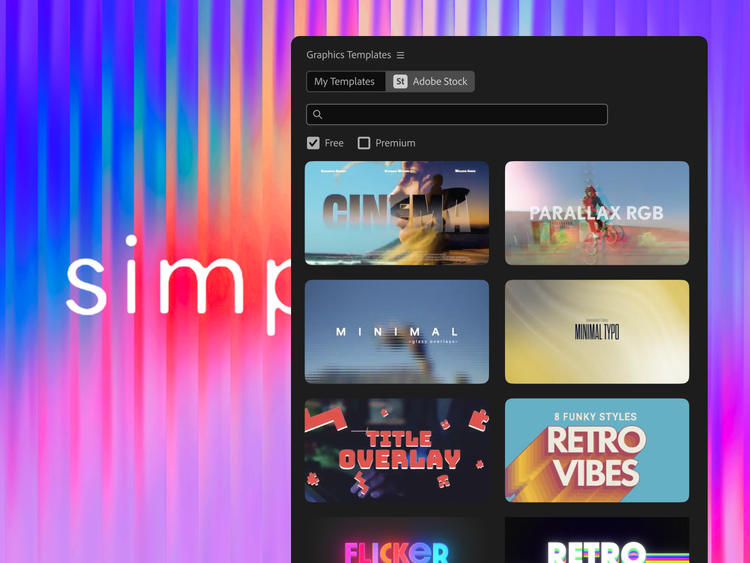
Huebner and Langhorst first discovered Visual Communicator® software at a tradeshow in Anaheim, California. They were instantly impressed. "Once we saw Visual Communicator we knew instantly it was the way to go. The transitions, lower thirds, and virtual backgrounds make it very easy to create a professional, high-quality video. We knew it would really get the kids excited," says Huebner. "Visual Communicator provides a more structured way of creating a video and it has really opened up the creativity among our students — it's incredible. We haven't seen students this excited to learn in a long time."
Huebner and Langhorst have used Visual Communicator numerous times for student projects. According to Huebner, "Once we purchased Visual Communicator and started playing around with it, we started to think of all the ways that students could use it. If you can imagine it, you can create it in a matter of minutes."
The first project in which they used Visual Communicator was called Liberty Minutes. Eighth grade students created short historical videos on the town of Liberty. They offered the project as an after-school activity with two different sessions that included approximately 25 kids. The students picked a topic, did research, wrote a script, found accompanying photos, and imported it all into Visual Communicator.
"We started with two sessions with about 50 kids, but when students started hearing how cool the after-school program was, we had kids continuously coming up to us asking if they could participate," says Huebner. "It is really exciting to see students get excited about learning; we even gave them an opportunity to earn extra credit, but no one took us up on it, they simply enjoyed making the videos. They would even come in early and stay late. They truly enjoyed the process and seeing their results."
In addition to Liberty Minutes, Huebner and Langhorst have students create music videos about the American Revolution, video book reports, and elements of the periodic table video commercials. "Visual Communicator has the students energized about doing their homework and learning. It is perfect for all ages, learning styles, and educational level," says Huebner. "Kids in my special education have also gotten the hang of it and have created numerous digital book reports. What is even better is we can send the projects home to their parents, and they can see the progress their kids are making."
Next year, Langhorst will be creating a video for the first day of class that will be a theatrical introduction to his class and will also have his students create a CNN-type show on the American Revolution, where one person is the reporter and another is on location at the Boston Tea Party, for example. "We have shown the finished products to our school board, parents, and other teachers. All of them are impressed with the enthusiasm they see from the students and the professional results," says Huebner.