
Photography
Protect your brand with a watermark design.
Advertise your skills and guard your photos against unauthorised use with your own photography watermark.


Photography
Advertise your skills and guard your photos against unauthorised use with your own photography watermark.
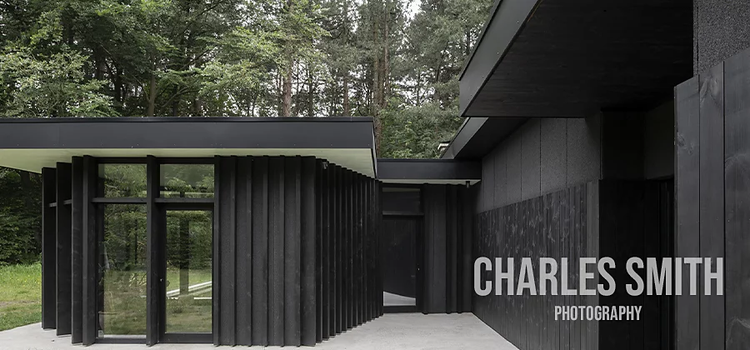
In the digital age, image theft is a growing concern for Australian photographers, artists, and content creators. With just a few clicks, your original photo of Bondi Beach or a wedding shoot in the Adelaide Hills could be downloaded, altered, and re-used without credit or compensation.
While Australian copyright law - specifically the Copyright Act 1968 - grants automatic protection for original works, watermarking adds a practical, visible layer of protection. It not only deters theft but also reinforces your ownership and branding across platforms like Instagram, Pinterest, and even local classifieds such as Gumtree or Facebook Marketplace, where stolen images often reappear.
Let’s explore how watermarking can be both a safeguard and a professional touchstone for creatives across Australia.
Whether you're a freelance photographer in Fremantle or a social content creator capturing Gold Coast sunsets, adding a watermark to your images is a small step that can have a big impact. In today’s interconnected world, content spreads rapidly across social media, blogs, and online marketplaces - often without proper attribution.
A watermark acts as a digital signature, ensuring your name or brand stays attached to your work wherever it goes. It's a proactive way to protect your livelihood, especially in industries where your images represent a core product or service.
Watermarks serve as a visual deterrent. They make it harder for others to pass your work off as their own, especially when subtly but effectively placed across an image.
Your watermark can double as a signature or logo, increasing brand recognition. Consistently applied watermarks across your portfolio, social media, and client proofs can boost your professional identity.
In competitive fields like real estate or wedding photography, watermarks signal that you're serious about your craft. Clients are more likely to trust and hire a professional who safeguards their intellectual property.
Example: Brisbane-based wedding photographers often watermark previews before delivering final client albums. Landscape photographers capturing the rugged Kimberley or Great Ocean Road also use watermarks to protect their galleries from unauthorised sharing.
The effectiveness of a watermark depends heavily on its design, placement, and consistency. While it's tempting to go bold in an effort to stop theft, a watermark that's too prominent can distract from the image itself - particularly in client-facing industries such as wedding or portrait photography.
A good watermark strikes a delicate balance: it's visible enough to deter unauthorised use, yet subtle enough to maintain the photo’s aesthetic appeal. Thoughtful design also signals a high level of professionalism and attention to detail, which can set you apart from amateur photographers or hobbyists.
Different styles suit different types of creatives. Here’s a rundown of popular watermark types among Aussie professionals:
Use your name, business name, or handle (e.g., @SunsetShootsAU). Choose clean fonts like Montserrat, Raleway, or Lato, which are widely used in Australian branding.
Great for studios and businesses. Keep your logo high-res and transparent for use on any image.
Create a digital signature using a stylus or pen tool. This personal touch is popular with fine art photographers and travel bloggers.
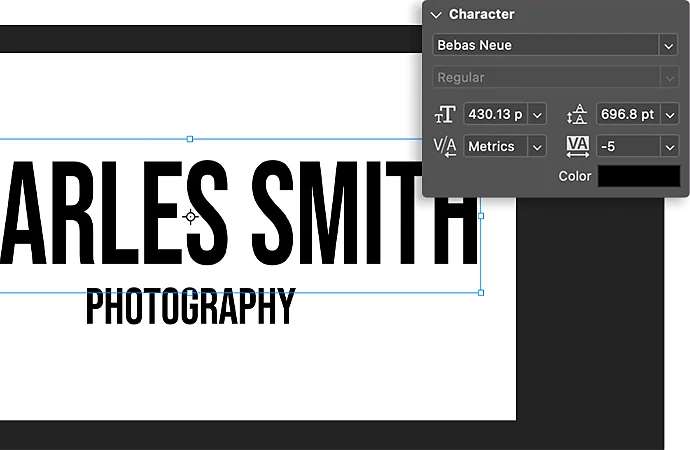

Whether you want to create a signature, type or shape watermark, begin in the same place.
Start with a large canvas, like 1920 x 1080. With that, not only will it work digitally, but you can make the watermark at a high resolution so you can print it in a large size without pixelation, if necessary.
If you want to use your signature or other handwritten script, use a tablet and a pen tool to get the most natural look. Most of the time, watermarks are white so they show up on the photograph, but you can pick any colour you want. If your brand includes a gold logo, go for it. To invert your black watermark to white, press Command + I on a Mac or Control + I on a PC. You can also use different brushes to achieve ink or watercolour effects.
To add type, pick your font. Use the font Bodoni on your business card to convey just the right high-end interior design vibe. Or try Choc font to create a Brooklyn design studio style. Create a text box by clicking the T to open the Type tool. Type your name and then adjust the size, position and opacity you desire.
To create a new watermark logo, you can start with a template in Adobe Illustrator. Or you can add an existing shape to your text or signature. Just select Window › Shapes and choose from trees, wild animals and more. You can also import other shapes or use the Customised Shape tool to draw and edit new shapes for a completely customised logo.
To keep the watermark from stealing focus from the image itself, lower the opacity. Just double-click the space to the right of the watermark layer and the Layer Style menu will pop up. Decrease the fill opacity and, if you’d like, add drop shadows around it for a cool outline effect.

Edit, organise, store and share photos from anywhere.
For aerial drone photographers in the Blue Mountains or product photographers for Aussie Etsy stores, templates speed up repetitive tasks.
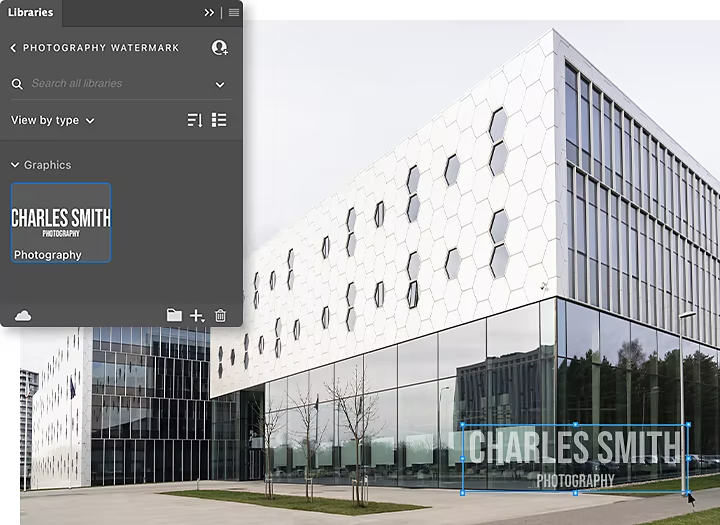
Add your watermark PSD to your Adobe Creative Cloud Libraries folder to make your watermark easy to apply to your photos and accessible anywhere.
Just select Windows › Library, add the file and name it. One day you may decide to rebrand. Say you’ve just updated from a word mark to a circle logo. You can make the change to your cloud document and your new logo will automatically appear in any photos in your cloud that include that linked watermark layer.
Note: Once you rasterise the watermark file, you can’t make any changes to it.
Lightroom makes batch watermarking fast, especially for event, portrait, and real estate shooters.
Desktop:
Mobile:
Local Use Case: A Gold Coast real estate photographer batch watermarks 50 images before sending to agents, maintaining branding and IP protection.

Creating a watermark is just the first step - knowing how and when to apply it is what ensures it functions as a useful tool for protection and promotion. For photographers and artists across Australia, the right watermark placement and visibility can make all the difference.
Whether you’re sending images to clients, posting online, or building your portfolio, following best practices helps you stay consistent and maintain your image quality. More importantly, when used in conjunction with other legal protections, watermarking becomes part of a more holistic intellectual property strategy.
Aboriginal and Torres Strait Islander artists may need culturally specific watermarking approaches. Always respect cultural protocols when working with Indigenous art and storytelling.
Watermarking isn’t the only tool in your IP protection toolkit.
Watermarking is more than a deterrent - it’s a strategic branding tool. For Australian creatives, from surf photographers to Melbourne fashion bloggers, it communicates professionalism, reinforces brand recognition, and helps protect intellectual property in an increasingly crowded online space.
Creating a unique watermark for your photos not only helps protect your work from unauthorized use but also strengthens your brand identity. By watermarking your images, you’re adding a personal touch that can make your photography instantly recognizable. Don’t wait any longer – start watermarking your images today with Photoshop and take control of your creative content. Protect your hard work and ensure your photos stand out while building your brand’s presence online.
Based on your location, we think you may prefer the United States website, where you'll get regional content, offerings, and pricing.


